Navigating the world of health and wellness can be overwhelming, especially when considering the diverse options available. Herbal supplements, derived from plants and used for their medicinal properties, have become increasingly popular. But with so many choices and varying claims, it’s crucial to understand what herbal supplements are, how they work, their benefits, and most importantly, how to use them safely and effectively. This guide aims to provide a comprehensive overview, helping you make informed decisions about incorporating herbal supplements into your health routine.
What are Herbal Supplements?
Definition and History
Herbal supplements are products derived from plants – leaves, roots, bark, seeds, and flowers – that are intended to supplement the diet and provide health benefits. They are often used in traditional medicine systems like Ayurveda and Traditional Chinese Medicine (TCM), with a history spanning thousands of years.
- These supplements come in various forms, including:
Capsules
Tablets
Powders
Teas
Extracts
Tinctures
Historically, herbs were the primary source of medicine, with cultures around the globe relying on plants for healing and well-being. While modern medicine has advanced significantly, the use of herbal supplements remains prevalent, with a large percentage of the global population still relying on them for primary healthcare, according to the World Health Organization.
Regulatory Landscape
In the United States, herbal supplements are regulated by the Food and Drug Administration (FDA) as dietary supplements, not as drugs. This means they are subject to different regulations than prescription medications.
- Key points to understand about FDA regulation:
Manufacturers are responsible for ensuring the safety of their products but are not required to prove their effectiveness before marketing them.
The FDA can take action against products that are found to be unsafe or misbranded.
Supplements are not required to undergo the same rigorous testing and approval process as drugs.
Look for third-party certifications like USP (United States Pharmacopeia) or NSF International, which indicate the product has been tested for purity and potency.
This regulatory landscape emphasizes the importance of researching brands, understanding ingredients, and consulting with healthcare professionals before using herbal supplements.
Potential Benefits of Herbal Supplements
Immune Support
Several herbal supplements are known for their immune-boosting properties. These herbs can help strengthen the body’s natural defenses against illness and infection.
- Echinacea: Commonly used to reduce the duration and severity of colds. Studies suggest it stimulates the immune system by increasing the number of white blood cells.
- Elderberry: Rich in antioxidants and antiviral compounds, elderberry is often used to treat flu symptoms. Research indicates it can shorten the duration of flu by several days.
- Astragalus: Used in TCM for centuries, astragalus is believed to enhance the immune system by increasing the activity of immune cells.
Example: During cold and flu season, consider taking elderberry syrup daily to boost your immune system. However, always check for potential interactions with other medications.
Stress and Anxiety Relief
Stress and anxiety are common challenges, and certain herbs can help promote relaxation and reduce feelings of stress and tension.
- Ashwagandha: An adaptogen used in Ayurvedic medicine, ashwagandha helps the body adapt to stress. Studies have shown it can reduce cortisol levels and improve overall well-being.
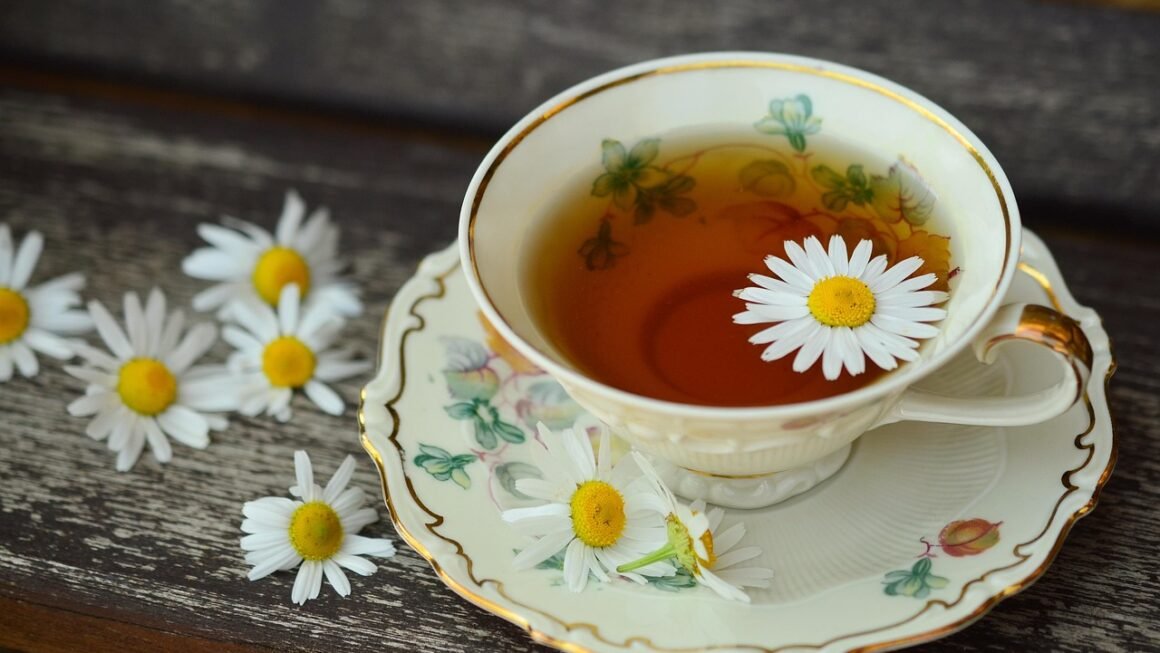
- Chamomile: Known for its calming properties, chamomile is often used to promote relaxation and improve sleep. It contains compounds that may bind to brain receptors, promoting calmness.
- Lavender: The scent of lavender has been shown to reduce anxiety and promote relaxation. It can be used in aromatherapy or taken as a supplement.
Example: If you’re feeling stressed, try drinking a cup of chamomile tea before bed to promote relaxation and improve sleep quality. You could also diffuse lavender essential oil in your bedroom.
Improved Sleep
Many herbal supplements can promote restful sleep and alleviate insomnia.
- Valerian Root: Valerian root is commonly used as a natural sleep aid. It may increase levels of GABA, a neurotransmitter that promotes relaxation.
- Melatonin: Although a hormone, synthetic versions are widely available in supplement form. It helps regulate the sleep-wake cycle.
- Lemon Balm: Often combined with valerian root, lemon balm can help reduce anxiety and promote relaxation, leading to better sleep.
Example: If you struggle with insomnia, consider taking valerian root extract an hour before bed. Make sure to follow the recommended dosage on the product label.
Considerations and Potential Risks
Dosage and Interactions
Determining the correct dosage of herbal supplements is crucial for safety and effectiveness. Dosages can vary depending on the individual, the specific herb, and the form of the supplement.
- Follow product label instructions carefully. Always start with the lowest recommended dose and gradually increase as needed.
- Be aware of potential interactions with medications. Many herbs can interact with prescription drugs, affecting their efficacy or increasing the risk of side effects.
Example: St. John’s Wort, used for depression, can interact with many medications, including antidepressants, blood thinners, and birth control pills. Always consult with a healthcare provider before using St. John’s Wort if you are taking other medications.
Side Effects
Like any substance, herbal supplements can cause side effects. These side effects can vary depending on the individual and the specific herb.
- Common side effects may include digestive issues, headaches, skin rashes, and allergic reactions.
- Some herbs can cause more serious side effects, especially when taken in high doses or for extended periods.
Example: Kava, used for anxiety relief, has been linked to liver damage in some cases. It’s essential to use kava cautiously and monitor liver function.
Quality and Purity
The quality and purity of herbal supplements can vary significantly depending on the manufacturer. Contamination, adulteration, and mislabeling are potential concerns.
- Choose reputable brands that follow good manufacturing practices (GMP) and undergo third-party testing.
- Look for certifications from organizations like USP, NSF International, or ConsumerLab.com, which verify the quality and purity of the product.
- Be wary of products with vague ingredient lists or unsubstantiated claims.
Example: When purchasing turmeric supplements, look for products that are standardized to contain a certain percentage of curcuminoids, the active compounds responsible for its health benefits. Also, consider products that contain piperine (black pepper extract), which can enhance the absorption of curcuminoids.
How to Choose the Right Herbal Supplements
Identifying Your Needs
Before starting any herbal supplement regimen, it’s important to identify your specific health needs and goals. What are you hoping to achieve by using herbal supplements?
- Consider your current health conditions, medications, and lifestyle factors.
- Research herbs that are known to address your specific concerns.
Example: If you’re looking to improve your sleep quality, research herbs like valerian root, chamomile, and lemon balm, and consider which one might be the best fit for your needs.
Research and Due Diligence
Thorough research is essential when choosing herbal supplements. Consult reliable sources of information and be critical of marketing claims.
- Consult with a healthcare professional, such as a doctor, registered dietitian, or herbalist, who can provide personalized recommendations.
- Read scientific studies and reviews to understand the evidence supporting the use of specific herbs.
- Check for potential interactions with medications or other supplements you are taking.
- Read customer reviews to get an idea of other people’s experiences with the product.
Consulting a Healthcare Professional
Consulting with a healthcare professional is crucial, especially if you have underlying health conditions, are taking medications, or are pregnant or breastfeeding.
- A healthcare provider can help you determine if herbal supplements are appropriate for you, recommend safe dosages, and monitor for potential side effects or interactions.
- They can also help you distinguish between legitimate health benefits and unsubstantiated claims.
Example: If you have a thyroid condition, it’s essential to consult with a doctor before taking herbal supplements, as some herbs can affect thyroid function.
Conclusion
Herbal supplements offer a natural approach to supporting health and wellness, but they are not without their considerations. Understanding the potential benefits, risks, and regulatory landscape is essential for making informed decisions. By identifying your needs, conducting thorough research, and consulting with a healthcare professional, you can safely and effectively incorporate herbal supplements into your health routine. Remember to prioritize quality, purity, and proper usage to maximize benefits and minimize potential risks. The world of herbal remedies is vast, but with careful consideration, you can harness the power of nature to support your overall well-being.