Maintaining a healthy heart is crucial for overall well-being, and one of the most effective ways to achieve this is through a heart-healthy diet. What you eat directly impacts your cardiovascular health, influencing factors like cholesterol levels, blood pressure, and inflammation. This guide delves into the specifics of what constitutes a heart-healthy diet, providing practical tips and insights to help you make informed food choices that support a strong and healthy heart.
Understanding the Heart-Healthy Diet
What is a Heart-Healthy Diet?
A heart-healthy diet isn’t about strict restrictions; it’s about making smart, sustainable food choices that benefit your cardiovascular system. The core principles focus on reducing saturated and trans fats, cholesterol, and sodium, while increasing intake of fruits, vegetables, whole grains, and lean proteins. It’s a long-term approach aimed at lowering your risk of heart disease, stroke, and other related conditions. The American Heart Association (AHA) provides extensive guidelines that are helpful resources for adopting this lifestyle.
Benefits of a Heart-Healthy Diet
Adopting a heart-healthy eating pattern offers a multitude of benefits:
- Lower Blood Pressure: Reducing sodium and increasing potassium intake can significantly lower blood pressure.
- Reduced Cholesterol Levels: Decreasing saturated and trans fats helps lower LDL (bad) cholesterol, reducing plaque buildup in arteries.
- Weight Management: A diet rich in whole foods and lean proteins can help maintain a healthy weight, which reduces strain on the heart.
- Improved Blood Sugar Control: High-fiber foods help regulate blood sugar levels, reducing the risk of type 2 diabetes, a major risk factor for heart disease.
- Reduced Inflammation: Foods rich in antioxidants and omega-3 fatty acids help combat inflammation, protecting blood vessels.
Key Components of a Heart-Healthy Eating Plan
A successful heart-healthy diet revolves around incorporating the following elements:
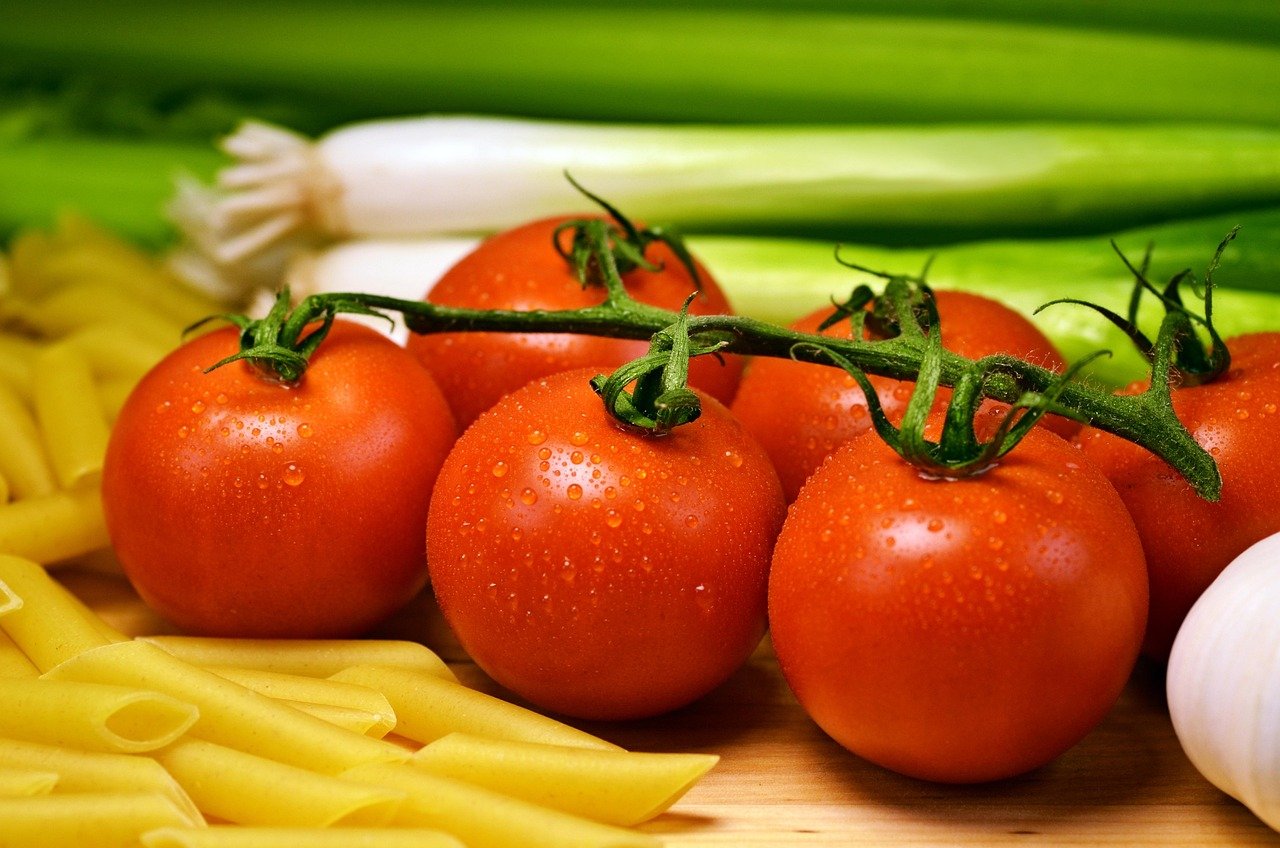
- Fruits and Vegetables: Aim for at least 4-5 servings daily. Choose a variety of colors for a wide range of nutrients. For example, berries are packed with antioxidants, and leafy greens provide essential vitamins.
- Whole Grains: Opt for whole wheat bread, brown rice, oats, and quinoa. These are high in fiber, which helps lower cholesterol and promotes satiety.
- Lean Proteins: Include skinless poultry, fish, beans, lentils, and tofu. Fatty fish like salmon and tuna are rich in omega-3 fatty acids, beneficial for heart health.
- Healthy Fats: Use unsaturated fats like olive oil, avocado oil, and nuts. These fats can help improve cholesterol levels when used in moderation.
- Low-Fat Dairy: Choose skim or 1% milk, yogurt, and cheese. These provide calcium and vitamin D without excess saturated fat.
Foods to Embrace for a Healthy Heart
Superfoods for Heart Health
Certain foods offer exceptional benefits for your cardiovascular system. Incorporating these “superfoods” can significantly boost your heart health:
- Fatty Fish (Salmon, Tuna, Mackerel): Rich in omega-3 fatty acids, which lower triglycerides, blood pressure, and risk of blood clots. Aim for at least two servings per week.
- Oats: High in soluble fiber, which helps lower LDL cholesterol. Enjoy them as oatmeal, add them to smoothies, or use oat flour in baking.
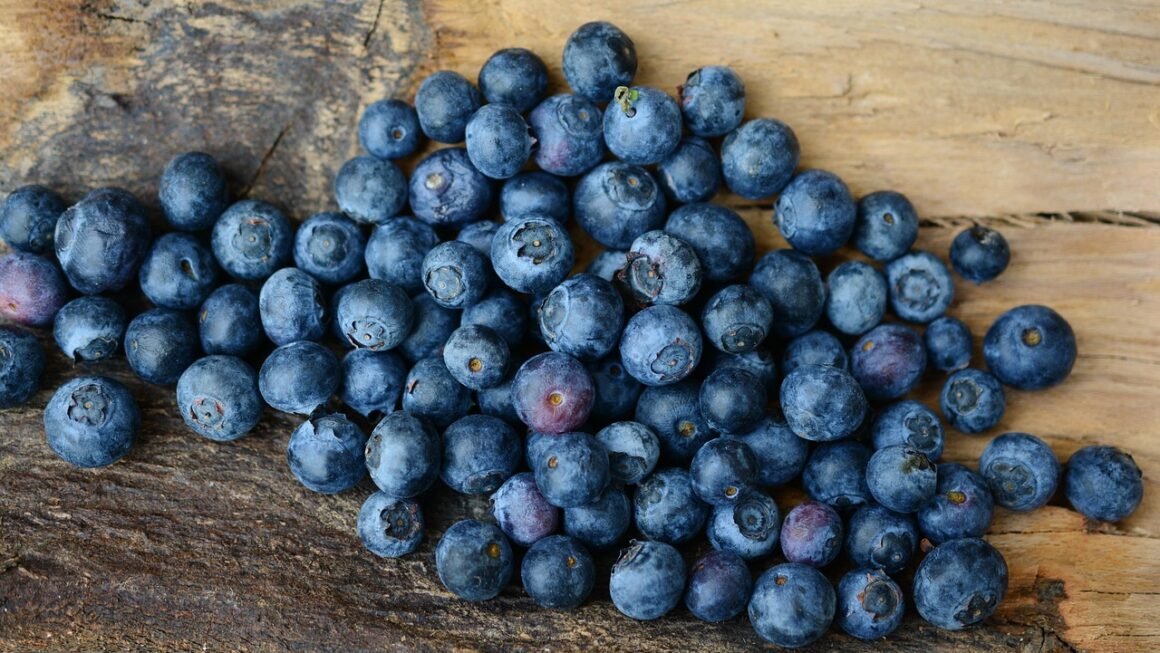
- Berries (Blueberries, Strawberries, Raspberries): Packed with antioxidants that protect against inflammation and cell damage.
- Nuts and Seeds (Almonds, Walnuts, Flaxseeds, Chia Seeds): Excellent sources of healthy fats, fiber, and plant-based protein. Choose unsalted varieties and consume in moderation.
- Avocados: Rich in monounsaturated fats, which can help improve cholesterol levels.
- Dark Chocolate: Contains flavonoids that may help lower blood pressure and improve blood vessel function. Choose varieties with at least 70% cocoa and consume in moderation.
Meal Planning for Heart Health
Creating a balanced meal plan is key to consistently following a heart-healthy diet. Here are some practical tips:
- Start with a Plan: Plan your meals for the week, incorporating a variety of heart-healthy foods.
- Shop Smart: Create a grocery list based on your meal plan to avoid impulse purchases of unhealthy foods.
- Prepare in Advance: Batch cook meals or prep ingredients on the weekend to save time during the week.
- Focus on Portion Control: Even healthy foods should be consumed in moderation. Use smaller plates and bowls to help control portions.
- Read Food Labels: Pay attention to serving sizes, calories, fat content, sodium levels, and added sugars.
Foods to Limit or Avoid
High-Risk Foods for Heart Disease
Certain foods can negatively impact your heart health and should be limited or avoided:
- Saturated Fats: Found in red meat, full-fat dairy products, and processed foods. These fats can raise LDL cholesterol levels.
- Trans Fats: Often found in fried foods, baked goods, and processed snacks. These fats raise LDL cholesterol and lower HDL (good) cholesterol. Check labels for “partially hydrogenated oil.”
- Sodium: Excessive sodium intake can raise blood pressure. Limit processed foods, canned goods, and salty snacks.
- Added Sugars: Found in sugary drinks, desserts, and processed foods. Added sugars can contribute to weight gain, high blood pressure, and inflammation.
- Refined Carbohydrates: White bread, white rice, and sugary cereals are low in fiber and can cause rapid spikes in blood sugar levels.
Reading Food Labels for Heart Health
Understanding food labels is essential for making informed choices. Pay close attention to these key areas:
- Serving Size: Ensure you are aware of the serving size to accurately assess the nutritional content.
- Total Fat: Look for the amount of saturated and trans fats. Aim to minimize these.
- Cholesterol: Keep cholesterol intake as low as possible.
- Sodium: Choose products with lower sodium levels, especially if you have high blood pressure.
- Fiber: Look for foods that are high in fiber, as this is beneficial for heart health.
- Added Sugars: Minimize intake of added sugars by choosing products with lower amounts.
Lifestyle Changes to Support Your Diet
Exercise and Physical Activity
Regular physical activity is crucial for heart health, complementing the benefits of a heart-healthy diet.
- Aim for at least 150 minutes of moderate-intensity exercise per week. This could include brisk walking, cycling, swimming, or dancing.
- Incorporate strength training exercises at least two days per week. This helps build muscle mass and improves overall fitness.
- Find activities you enjoy to make exercise a sustainable part of your lifestyle.
Stress Management
Chronic stress can negatively impact heart health. Finding healthy ways to manage stress is essential:
- Practice relaxation techniques such as yoga, meditation, or deep breathing exercises.
- Engage in hobbies and activities that you enjoy.
- Spend time with loved ones and build a strong social support network.
- Ensure adequate sleep (7-8 hours per night).
Quit Smoking
Smoking is a major risk factor for heart disease. Quitting smoking is one of the best things you can do for your heart health. Seek support from your doctor or a smoking cessation program.
Conclusion
Adopting a heart-healthy diet is a powerful step toward protecting your cardiovascular system and improving your overall well-being. By focusing on nutrient-rich foods, limiting unhealthy fats and sodium, and incorporating regular physical activity and stress management techniques, you can significantly reduce your risk of heart disease and enjoy a longer, healthier life. Remember, it’s about making sustainable lifestyle changes that you can maintain over the long term. Consult with a healthcare professional or registered dietitian for personalized guidance on creating a heart-healthy eating plan that meets your specific needs and preferences.