Want to lower your cholesterol and boost your heart health through the power of food? You’re in the right place! Managing cholesterol levels doesn’t have to be a daunting task. By making informed dietary choices, you can significantly impact your health and well-being. This guide provides a comprehensive overview of the best diet for cholesterol, filled with practical tips and actionable advice to help you take control of your cholesterol levels and live a healthier life.
Understanding Cholesterol and Its Impact
What is Cholesterol?
Cholesterol is a waxy, fat-like substance found in all cells of the body. It’s essential for building cell membranes, producing hormones, and synthesizing vitamin D. Your body makes some cholesterol, but you also get it from the food you eat.
The Two Main Types: LDL and HDL
There are two main types of cholesterol:
- Low-Density Lipoprotein (LDL): Often called “bad” cholesterol, high levels can lead to plaque buildup in the arteries, increasing the risk of heart disease and stroke.
- High-Density Lipoprotein (HDL): Known as “good” cholesterol, HDL helps remove LDL cholesterol from the arteries.
The goal is to lower LDL cholesterol and raise HDL cholesterol. A healthy diet plays a crucial role in achieving this balance.
Why is Managing Cholesterol Important?
High cholesterol often has no symptoms, but it significantly increases your risk of serious health problems. According to the CDC, nearly 1 in 3 American adults have high LDL cholesterol. Managing cholesterol levels is vital for:
- Reducing the risk of heart disease
- Preventing stroke
- Improving overall cardiovascular health
Foods to Embrace: Building Your Cholesterol-Lowering Diet
Fiber-Rich Foods
Soluble fiber is a powerhouse when it comes to lowering LDL cholesterol. It binds to cholesterol in the digestive system, preventing it from being absorbed into the bloodstream.
- Oats: Start your day with a bowl of oatmeal. One study showed that eating oats regularly can lower LDL cholesterol by 5-10%.
- Beans and Legumes: Kidney beans, lentils, chickpeas, and black beans are excellent sources of soluble fiber. Include them in soups, salads, or as a side dish.
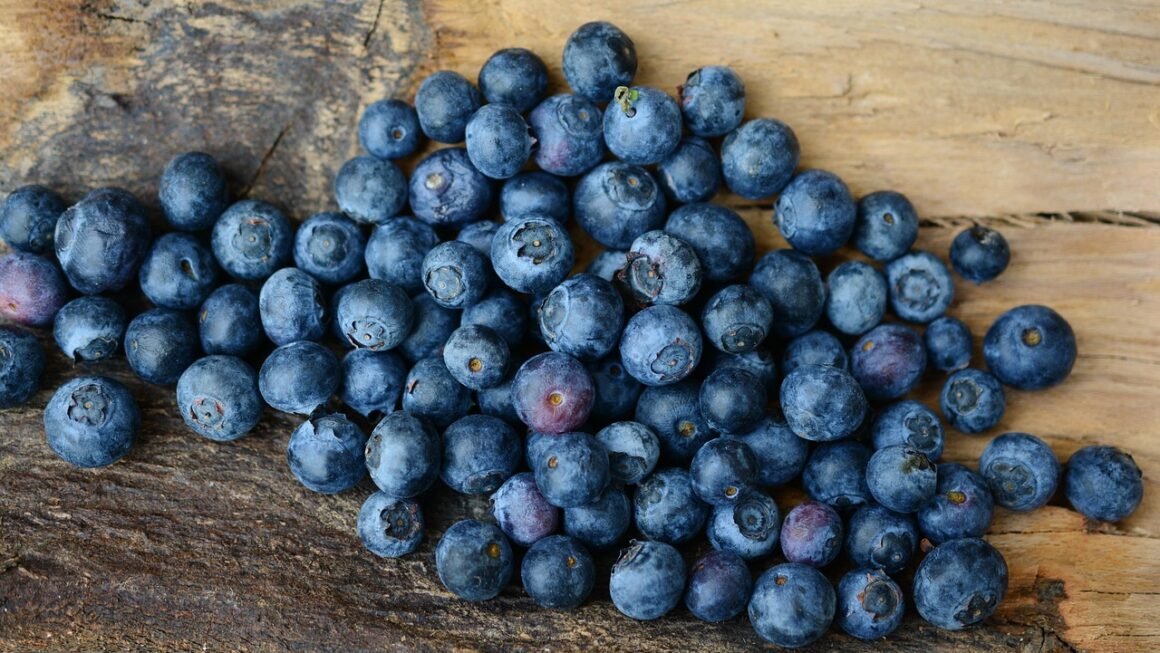
- Fruits: Apples, pears, berries, and citrus fruits are packed with soluble fiber. Snack on them throughout the day.
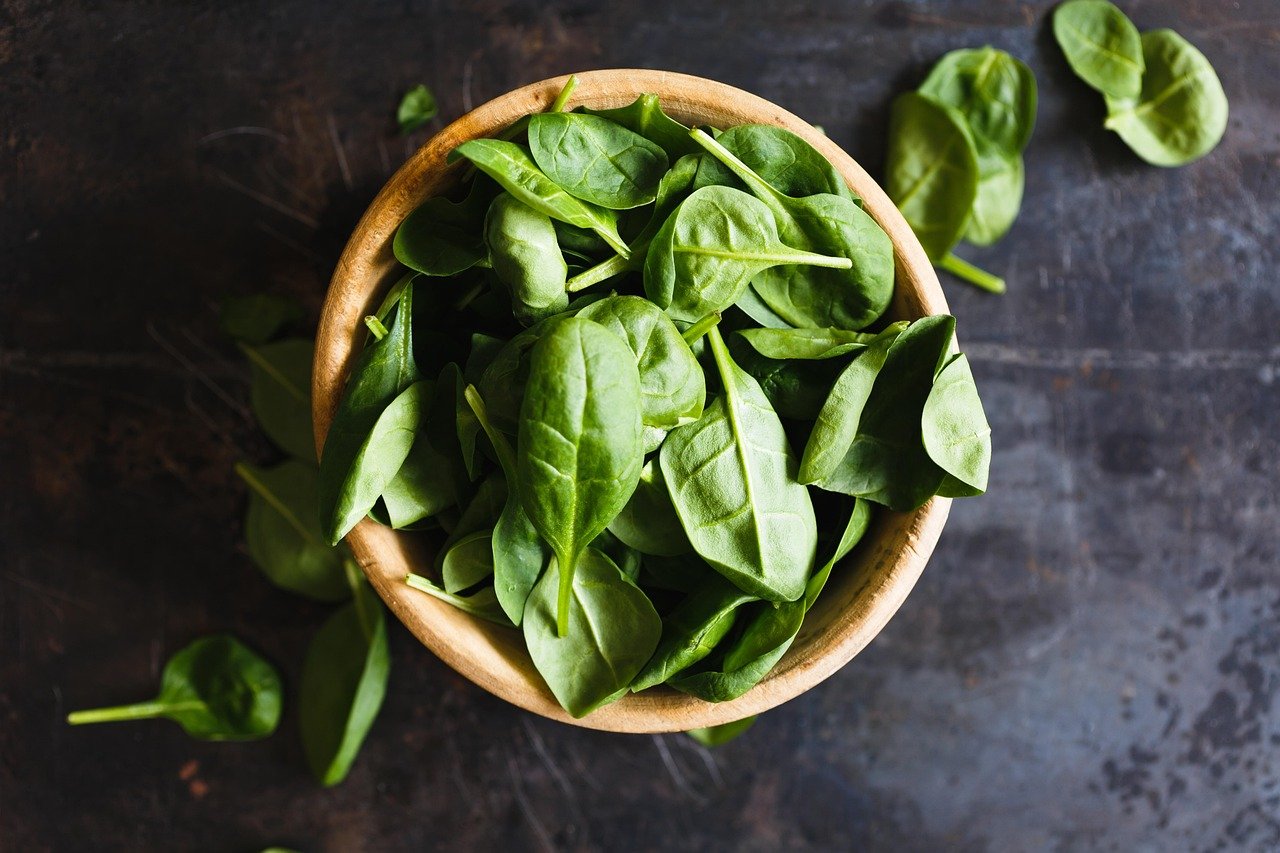
- Vegetables: Broccoli, Brussels sprouts, carrots, and sweet potatoes are great choices.
Practical Tip: Aim for 25-30 grams of fiber per day. Gradually increase your fiber intake to avoid digestive discomfort.
Healthy Fats
Not all fats are created equal. Monounsaturated and polyunsaturated fats can help lower LDL cholesterol.
- Avocados: Rich in monounsaturated fats and fiber. Add slices to sandwiches, salads, or enjoy as guacamole.
- Olive Oil: Use extra virgin olive oil for cooking and salad dressings. It’s a great source of monounsaturated fats and antioxidants.
- Nuts and Seeds: Almonds, walnuts, chia seeds, and flaxseeds are excellent sources of healthy fats and fiber. Eat a small handful (about 1.5 ounces) per day.
- Fatty Fish: Salmon, mackerel, tuna, and sardines are rich in omega-3 fatty acids, which can lower triglycerides and improve heart health. Aim for at least two servings per week.
Practical Tip: When choosing nuts, opt for unsalted varieties to avoid excess sodium.
Plant Sterols and Stanols
Plant sterols and stanols are compounds naturally found in plants that can help block the absorption of cholesterol.
- Fortified Foods: Many foods, such as yogurt, orange juice, and spreads, are fortified with plant sterols and stanols. Look for products that contain at least 2 grams per day.
- Natural Sources: Small amounts can also be found in fruits, vegetables, nuts, and grains.
Practical Tip: Check the labels of fortified foods to ensure they contain an effective amount of plant sterols or stanols (at least 0.4 grams per serving).
Foods to Limit or Avoid: Steering Clear of Cholesterol Culprits
Saturated Fats
Saturated fats, primarily found in animal products, can raise LDL cholesterol levels.
- Red Meat: Limit your intake of beef, pork, and lamb. Choose leaner cuts and trim off visible fat.
- Processed Meats: Bacon, sausage, and deli meats are often high in saturated fat and sodium.
- High-Fat Dairy: Whole milk, cheese, and butter should be consumed in moderation. Opt for low-fat or fat-free dairy products.
- Certain Oils: Coconut oil and palm oil are high in saturated fat and should be used sparingly.
Practical Tip: When choosing ground meat, opt for the leanest option available (e.g., 90% lean or higher).
Trans Fats
Trans fats are artificially created fats that are particularly harmful to cholesterol levels. They raise LDL cholesterol and lower HDL cholesterol.
- Fried Foods: Many fried foods, especially those from fast-food restaurants, contain trans fats.
- Baked Goods: Some commercially baked goods, such as pastries, cookies, and cakes, may contain trans fats.
- Processed Snacks: Crackers, microwave popcorn, and other processed snacks may contain trans fats.
Practical Tip: Check the nutrition labels of packaged foods and avoid products that list “partially hydrogenated oil” in the ingredients list.
Added Sugars
Excessive sugar intake can contribute to high cholesterol levels and other health problems.
- Sugary Drinks: Sodas, fruit juices, and sweetened beverages are loaded with added sugars.
- Processed Foods: Many processed foods, such as cereals, sauces, and yogurt, contain added sugars.
- Desserts: Cakes, cookies, and ice cream are high in added sugars and should be consumed in moderation.
Practical Tip: Read food labels carefully and choose products with lower amounts of added sugars. Opt for natural sweeteners like fruit or honey in moderation.
Sample Meal Plans for Cholesterol Management
Breakfast
- Option 1: Oatmeal with berries and a handful of walnuts
- Option 2: Whole-grain toast with avocado and a sprinkle of flaxseeds
- Option 3: Greek yogurt with fruit and a drizzle of honey
Lunch
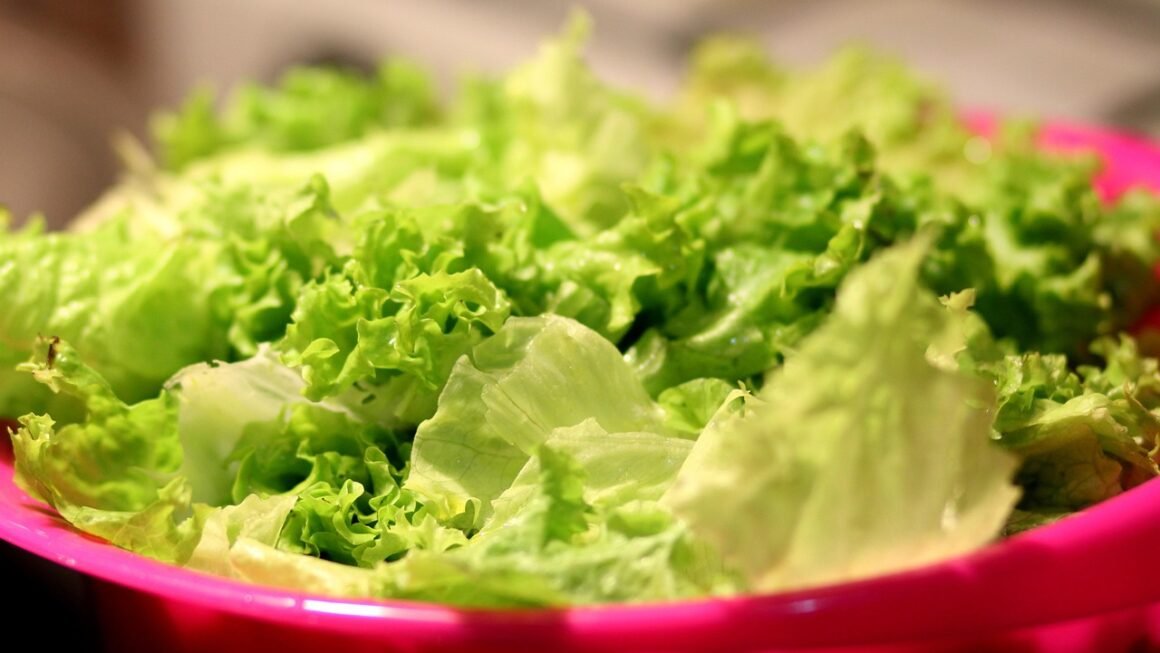
- Option 1: Salad with grilled chicken or fish, mixed greens, vegetables, and a light vinaigrette
- Option 2: Lentil soup with a side of whole-grain bread
- Option 3: Turkey or veggie wrap with hummus, vegetables, and whole-wheat tortilla
Dinner
- Option 1: Baked salmon with roasted vegetables (broccoli, carrots, sweet potatoes)
- Option 2: Chicken stir-fry with brown rice and plenty of vegetables
- Option 3: Vegetarian chili with beans, vegetables, and whole-grain cornbread
Snacks
- Option 1: Apple slices with almond butter
- Option 2: A handful of almonds or walnuts
- Option 3: Baby carrots with hummus
Practical Tip: Plan your meals in advance to ensure you have healthy options readily available. This helps you avoid impulsive decisions that could derail your cholesterol-lowering efforts.
Lifestyle Factors That Complement Your Diet
Regular Exercise
Physical activity can help raise HDL cholesterol and lower LDL cholesterol. Aim for at least 150 minutes of moderate-intensity exercise per week, such as brisk walking, jogging, swimming, or cycling.
Weight Management
If you are overweight or obese, losing even a small amount of weight can improve your cholesterol levels. Focus on making gradual, sustainable changes to your diet and exercise habits.
Quit Smoking
Smoking lowers HDL cholesterol and increases the risk of heart disease. Quitting smoking is one of the best things you can do for your overall health.
Stress Management
Chronic stress can negatively impact cholesterol levels. Find healthy ways to manage stress, such as meditation, yoga, or spending time in nature.
Conclusion
Making dietary changes to lower cholesterol is a powerful way to improve your heart health and overall well-being. By incorporating fiber-rich foods, healthy fats, and plant sterols into your diet while limiting saturated and trans fats, you can effectively manage your cholesterol levels. Remember to complement your diet with regular exercise, weight management, and stress reduction techniques. Consult with your doctor or a registered dietitian for personalized advice tailored to your specific needs and health conditions. Take control of your cholesterol today and embark on a journey to a healthier, happier you!