Embarking on a journey to lower your cholesterol can feel daunting, but it doesn’t have to be! Small, consistent dietary changes can have a significant impact on your heart health. This guide will provide you with a practical, evidence-based approach to building a cholesterol-lowering diet that you can stick with for the long term.
Understanding Cholesterol and Its Impact
What is Cholesterol?
Cholesterol is a waxy, fat-like substance that’s found in all cells of your body. Your body needs some cholesterol to make hormones, vitamin D, and substances that help you digest foods. However, having too much cholesterol in your blood can increase your risk of heart disease and stroke. There are two main types:
- Low-density lipoprotein (LDL) cholesterol: Often called “bad” cholesterol, high levels can lead to plaque buildup in your arteries.
- High-density lipoprotein (HDL) cholesterol: Known as “good” cholesterol, it helps remove LDL cholesterol from your arteries.
Why is Managing Cholesterol Important?
Elevated LDL cholesterol levels contribute to atherosclerosis, a process where plaque accumulates inside your arteries, narrowing them and restricting blood flow. This can lead to:
- Heart attack: Occurs when blood flow to the heart is blocked.
- Stroke: Occurs when blood flow to the brain is blocked.
- Peripheral artery disease (PAD): Affects blood flow to the legs and feet.
According to the CDC, nearly 1 in 3 American adults have high LDL cholesterol. Making dietary changes is a key first step in managing and reducing your risk.
Foods to Embrace: Building Your Cholesterol-Lowering Plate
Soluble Fiber Powerhouses
Soluble fiber binds with cholesterol in the digestive system, preventing it from being absorbed into the bloodstream.
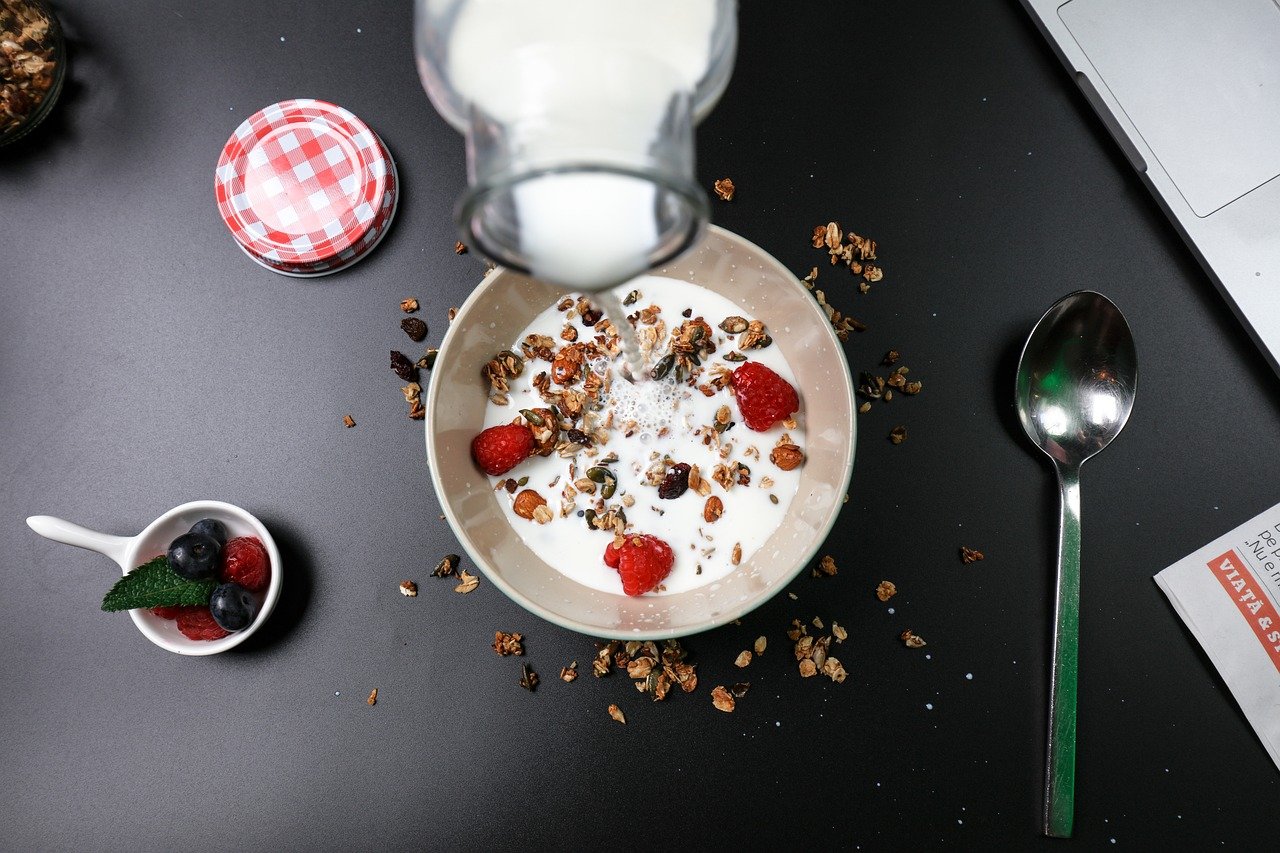
- Oats: A bowl of oatmeal for breakfast can lower LDL cholesterol. Aim for 1-2 grams of soluble fiber per serving.
- Beans and Legumes: Kidney beans, black beans, lentils, and chickpeas are excellent sources of soluble fiber and plant-based protein. Add them to soups, salads, or use them as a meat alternative.
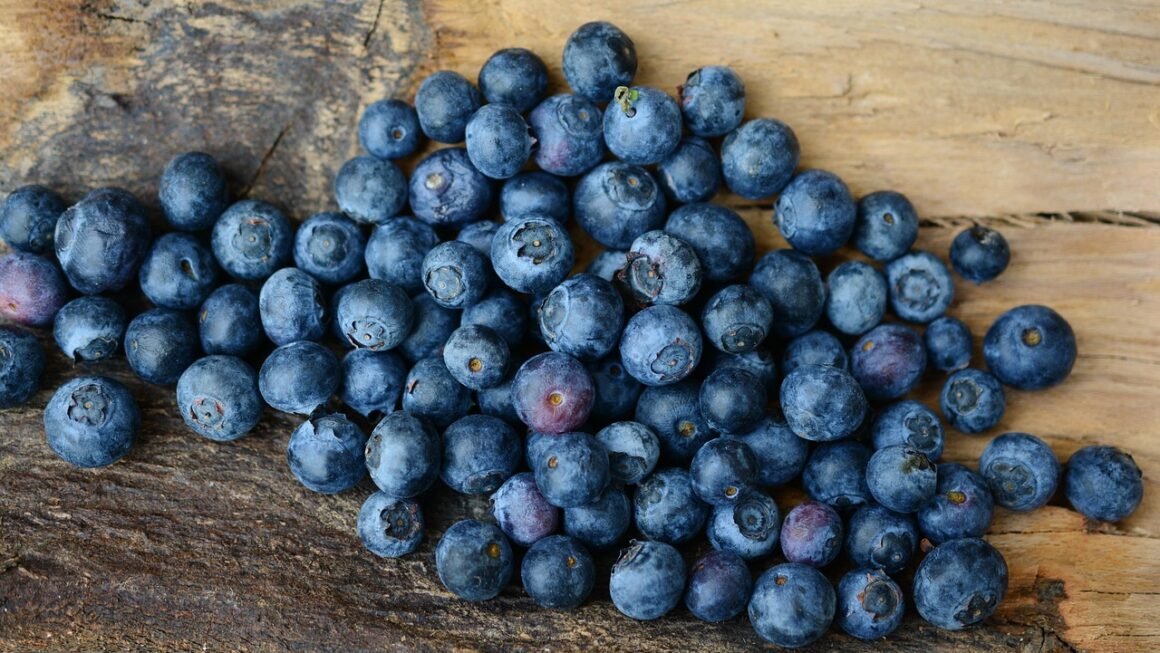
- Fruits: Apples, pears, citrus fruits (oranges, grapefruits), and berries are packed with soluble fiber and antioxidants.
- Barley: Similar to oats, barley is a grain rich in soluble fiber. Use it in soups, stews, or as a side dish.
- Practical Tip: Gradually increase your fiber intake to avoid digestive discomfort. Start with one or two new high-fiber foods each week and drink plenty of water.
Healthy Fats: The Unsaturated Advantage
Replacing saturated and trans fats with unsaturated fats can improve your cholesterol levels.
- Avocados: A creamy source of monounsaturated fats, avocados can help lower LDL cholesterol and raise HDL cholesterol. Enjoy them on toast, in salads, or as a dip.
- Nuts and Seeds: Almonds, walnuts, chia seeds, flaxseeds, and pumpkin seeds are rich in healthy fats, fiber, and nutrients. Aim for a handful (about 1.5 ounces) of nuts per day.
- Olive Oil: Extra virgin olive oil is packed with monounsaturated fats and antioxidants. Use it for cooking, salad dressings, and drizzling over vegetables.
- Practical Tip: Choose unsalted nuts and seeds to reduce your sodium intake. When cooking with olive oil, use medium heat to avoid damaging its beneficial compounds.
Plant Sterols and Stanols: Cholesterol Blockers
These naturally occurring compounds are found in plants and can block the absorption of cholesterol in the small intestine.
- Fortified Foods: Many products are now fortified with plant sterols and stanols, including orange juice, yogurt, and spreads. Look for products with at least 2 grams of sterols/stanols per serving.
- Practical Tip: Incorporate fortified foods into your daily routine to reach the recommended intake of 2 grams of sterols/stanols per day.
Foods to Limit or Avoid: Protecting Your Arteries
Saturated Fats: The Heart’s Enemy
Saturated fats can raise LDL cholesterol levels, increasing your risk of heart disease.
- Red Meat: Limit your intake of beef, pork, and lamb. Choose leaner cuts and trim visible fat.
- Processed Meats: Bacon, sausage, hot dogs, and deli meats are often high in saturated fat and sodium.
- Full-Fat Dairy Products: Cheese, whole milk, butter, and cream should be consumed in moderation. Opt for low-fat or fat-free alternatives.
- Tropical Oils: Coconut oil, palm oil, and palm kernel oil are high in saturated fat and should be used sparingly.
- Practical Tip: Substitute red meat with poultry (skinless chicken or turkey) or fish. Use olive oil instead of butter for cooking.
Trans Fats: The Double Threat
Trans fats not only raise LDL cholesterol but also lower HDL cholesterol, making them particularly harmful.
- Fried Foods: Many commercially fried foods, such as french fries, doughnuts, and fried chicken, contain trans fats.
- Baked Goods: Cakes, cookies, pies, and pastries may contain trans fats from partially hydrogenated oils.
- Processed Snacks: Crackers, chips, and microwave popcorn can also be sources of trans fats.
- Practical Tip: Check food labels carefully and avoid products that list “partially hydrogenated oil” as an ingredient. Choose baked or grilled options over fried foods.
Added Sugars: An Indirect Threat
While added sugars don’t directly contain cholesterol, they can contribute to weight gain, which in turn can raise LDL cholesterol and lower HDL cholesterol.
- Sugary Drinks: Soda, juice, sweetened teas, and energy drinks are loaded with added sugars.
- Processed Foods: Many packaged foods, such as cereals, sauces, and condiments, contain hidden added sugars.
- Sweets and Desserts: Cakes, cookies, candy, and ice cream are obvious sources of added sugars.
- Practical Tip: Read food labels to identify products with high added sugar content. Choose water, unsweetened tea, or sparkling water as your primary beverages. Opt for whole fruits instead of sugary desserts.
Lifestyle Factors Complementing Your Diet
Regular Exercise
Physical activity helps lower LDL cholesterol and raise HDL cholesterol. Aim for at least 30 minutes of moderate-intensity exercise most days of the week.
- Examples: Brisk walking, jogging, swimming, cycling, dancing.
Maintaining a Healthy Weight
Being overweight or obese can raise LDL cholesterol and lower HDL cholesterol. Losing even a small amount of weight (5-10%) can significantly improve your cholesterol levels.
- Strategies: Combine a healthy diet with regular exercise. Focus on portion control and mindful eating.
Quitting Smoking
Smoking damages blood vessels, making them more susceptible to plaque buildup. It also lowers HDL cholesterol levels.
- Resources: Talk to your doctor about smoking cessation programs and medications.
Monitoring and Adjusting Your Diet
Regular Cholesterol Checks
It’s important to have your cholesterol levels checked regularly, especially if you have a family history of heart disease or other risk factors.
- Frequency: Your doctor can recommend the appropriate frequency for cholesterol screenings based on your individual risk factors.
Working with a Healthcare Professional
A registered dietitian or other healthcare professional can help you develop a personalized diet plan that meets your specific needs and preferences.
- Benefits: Receive tailored advice, meal planning assistance, and ongoing support.
Conclusion
Lowering your cholesterol through diet is a proactive step towards a healthier heart. By embracing foods rich in soluble fiber, healthy fats, and plant sterols/stanols, while limiting saturated and trans fats and added sugars, you can significantly improve your cholesterol levels and reduce your risk of heart disease. Remember to combine dietary changes with regular exercise, weight management, and smoking cessation for optimal results. Consulting with a healthcare professional will ensure you’re on the right path to a heart-healthy lifestyle. Start making small, sustainable changes today, and your heart will thank you for it!