A healthy heart is the cornerstone of a vibrant and fulfilling life. Eating a heart-healthy diet isn’t about deprivation; it’s about making smart, delicious choices that nourish your body and protect your cardiovascular system. This guide will walk you through the essential components of a heart-healthy eating plan, providing practical tips and actionable advice to help you make lasting changes for a healthier, happier you.
Understanding the Basics of a Heart-Healthy Diet
What Makes a Diet Heart-Healthy?
A heart-healthy diet focuses on minimizing risk factors for heart disease, such as high cholesterol, high blood pressure, and obesity. It emphasizes nutrient-rich foods while limiting saturated and trans fats, sodium, and added sugars. A diet rich in fruits, vegetables, whole grains, and lean protein provides the vitamins, minerals, and fiber your heart needs to thrive.
- Prioritizes fruits and vegetables: Aim for at least 5 servings per day.
- Includes whole grains: Opt for whole wheat bread, brown rice, and oats over refined grains.
- Focuses on lean proteins: Choose fish, poultry (skinless), beans, and lentils.
- Limits unhealthy fats: Minimize saturated and trans fats found in processed foods and red meat.
- Controls sodium intake: Reduce processed foods and use herbs and spices for flavor.
- Manages portion sizes: Being mindful of how much you eat is just as important as what you eat.
The Importance of Fiber
Fiber plays a crucial role in maintaining heart health. Soluble fiber, in particular, helps lower LDL (bad) cholesterol levels.
- Examples of soluble fiber-rich foods: Oats, barley, apples, citrus fruits, beans, and lentils.
- Benefits of fiber:
– Lowers cholesterol
– Helps regulate blood sugar levels
– Promotes healthy digestion
– Contributes to feeling full, aiding in weight management
- Actionable Takeaway: Start your day with a bowl of oatmeal topped with berries and nuts for a fiber-packed and heart-healthy breakfast.
Key Food Groups for Heart Health
Fruits and Vegetables: Nature’s Powerhouse
Fruits and vegetables are packed with vitamins, minerals, antioxidants, and fiber, all essential for heart health.
- Aim for a variety of colors: Different colors indicate different nutrients.
- Examples of heart-healthy fruits and vegetables:
– Leafy greens (spinach, kale)
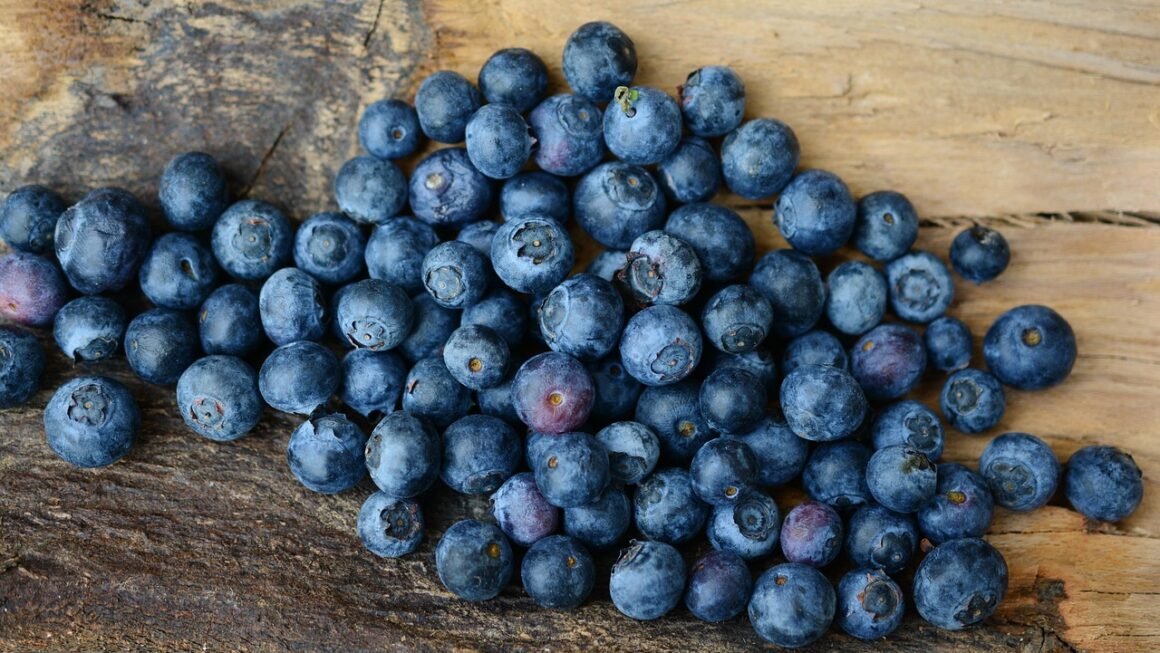
– Berries (strawberries, blueberries)
– Citrus fruits (oranges, grapefruits)
– Tomatoes
– Broccoli
– Carrots
– Avocados (in moderation due to their fat content, though it’s healthy fat)
- Practical Tip: Add berries to your breakfast cereal or yogurt, and include a side salad with your meals.
Whole Grains: A Source of Sustained Energy
Whole grains provide complex carbohydrates, fiber, and other essential nutrients. Unlike refined grains, whole grains are digested more slowly, preventing spikes in blood sugar levels.
- Examples of whole grains:
– Whole wheat bread
– Brown rice
– Quinoa
– Oats
– Barley
- Benefits of whole grains:
– Lower risk of heart disease
– Improved blood sugar control
– Increased satiety (feeling full)
- Practical Tip: Swap white bread for whole wheat bread and white rice for brown rice.
Lean Proteins: Building Blocks for a Healthy Body
Lean protein sources are essential for building and repairing tissues, and they also contribute to satiety.
- Examples of lean protein sources:
– Fish (especially fatty fish like salmon, tuna, and mackerel, rich in omega-3 fatty acids)
– Poultry (skinless chicken or turkey)
– Beans and lentils
– Tofu and tempeh
– Nuts and seeds (in moderation)
- Benefits of lean protein:
– Helps maintain healthy weight
– Supports muscle mass
– Provides essential amino acids
- Practical Tip: Incorporate fish into your diet at least twice a week.
Healthy Fats: Essential for Heart Function
While it’s important to limit saturated and trans fats, healthy fats are essential for heart health.
- Examples of healthy fats:
– Monounsaturated fats (found in olive oil, avocados, nuts)
– Polyunsaturated fats (found in fatty fish, walnuts, flaxseeds)
– Omega-3 fatty acids (EPA and DHA) are particularly beneficial
- Benefits of healthy fats:
– Lower LDL (bad) cholesterol
– Raise HDL (good) cholesterol
– Reduce inflammation
- Practical Tip: Use olive oil instead of butter for cooking, and snack on a handful of nuts.
- Actionable Takeaway: Plan your meals around these key food groups to ensure a well-rounded, heart-healthy diet.
Limiting Unhealthy Fats, Sodium, and Added Sugars
Saturated and Trans Fats: The Culprits
Saturated and trans fats can raise LDL cholesterol levels, increasing the risk of heart disease.
- Sources of saturated fats:
– Red meat
– Full-fat dairy products (cheese, butter, cream)
– Processed foods
- Sources of trans fats:
– Fried foods
– Commercially baked goods (cookies, cakes)
– Processed snacks
- Tips for limiting unhealthy fats:
– Choose lean cuts of meat
– Opt for low-fat or fat-free dairy products
– Read food labels carefully and avoid products with trans fats
– Bake, grill, or steam food instead of frying.
Sodium: A Silent Threat
Excessive sodium intake can contribute to high blood pressure, a major risk factor for heart disease.
- Sources of sodium:
– Processed foods (canned soups, frozen meals, packaged snacks)
– Restaurant meals
– Table salt
- Tips for limiting sodium:
– Read food labels and choose low-sodium options
– Cook at home more often to control sodium levels
– Use herbs and spices to flavor food instead of salt
– Rinse canned beans and vegetables before using
Added Sugars: Empty Calories
Added sugars provide calories without essential nutrients and can contribute to weight gain and increased risk of heart disease.
- Sources of added sugars:
– Sugary drinks (soda, juice, sweetened tea)
– Processed foods (candy, cookies, cakes)
– Sweetened cereals
- Tips for limiting added sugars:
– Read food labels and choose products with minimal added sugar
– Limit sugary drinks
– Opt for whole fruits instead of fruit juice
– Use natural sweeteners like honey or maple syrup in moderation.
- Actionable Takeaway: Make a conscious effort to reduce your intake of saturated and trans fats, sodium, and added sugars by reading food labels and making healthier choices.
Practical Tips for Implementing a Heart-Healthy Diet
Meal Planning and Preparation
Planning your meals in advance can make it easier to stick to a heart-healthy diet.
- Steps for meal planning:
– Create a weekly meal plan that includes a variety of heart-healthy foods.
– Make a grocery list based on your meal plan.
– Prepare meals in advance or batch cook to save time during the week.
- Benefits of meal planning:
– Reduces impulse eating
– Saves time and money
– Ensures you have healthy options readily available
Reading Food Labels
Understanding food labels is essential for making informed choices about the foods you eat.
- Key information to look for on food labels:
– Serving size
– Calories
– Total fat (including saturated and trans fats)
– Cholesterol
– Sodium
– Total carbohydrates (including fiber and added sugars)
– Protein
- Tips for reading food labels:
– Pay attention to serving sizes
– Compare products to find the healthiest options
– Look for products low in saturated and trans fats, sodium, and added sugars
– Choose products high in fiber.
Cooking at Home
Cooking at home allows you to control the ingredients and preparation methods, making it easier to create heart-healthy meals.
- Tips for heart-healthy cooking:
– Use healthy cooking methods like baking, grilling, steaming, or sautéing
– Use olive oil or other healthy oils instead of butter or shortening
– Flavor food with herbs and spices instead of salt
– Control portion sizes
- Actionable Takeaway: Implement meal planning, learn to read food labels effectively, and prioritize cooking at home to take control of your diet.
Conclusion
Adopting a heart-healthy diet is a powerful step towards improving your overall health and well-being. By focusing on fruits, vegetables, whole grains, lean proteins, and healthy fats, while limiting unhealthy fats, sodium, and added sugars, you can significantly reduce your risk of heart disease. Remember that small, gradual changes can lead to lasting results. Embrace a heart-healthy lifestyle and enjoy the benefits of a stronger, healthier heart for years to come.