A healthy heart is the cornerstone of a vibrant, energetic life. Protecting your cardiovascular system through a heart-healthy diet isn’t just about avoiding negative outcomes; it’s about actively building a stronger, more resilient you. This guide will walk you through the essential components of a heart-healthy diet, providing actionable tips and insights to help you nourish your heart and thrive.
Understanding the Basics of a Heart-Healthy Diet
What Makes a Diet “Heart-Healthy”?
A heart-healthy diet prioritizes foods that lower cholesterol, blood pressure, and inflammation, all key factors in reducing the risk of heart disease. It emphasizes whole, unprocessed foods while limiting saturated and trans fats, sodium, and added sugars. It’s a sustainable approach to eating, not a restrictive fad, promoting long-term cardiovascular well-being.
Key Components of a Heart-Healthy Eating Plan:
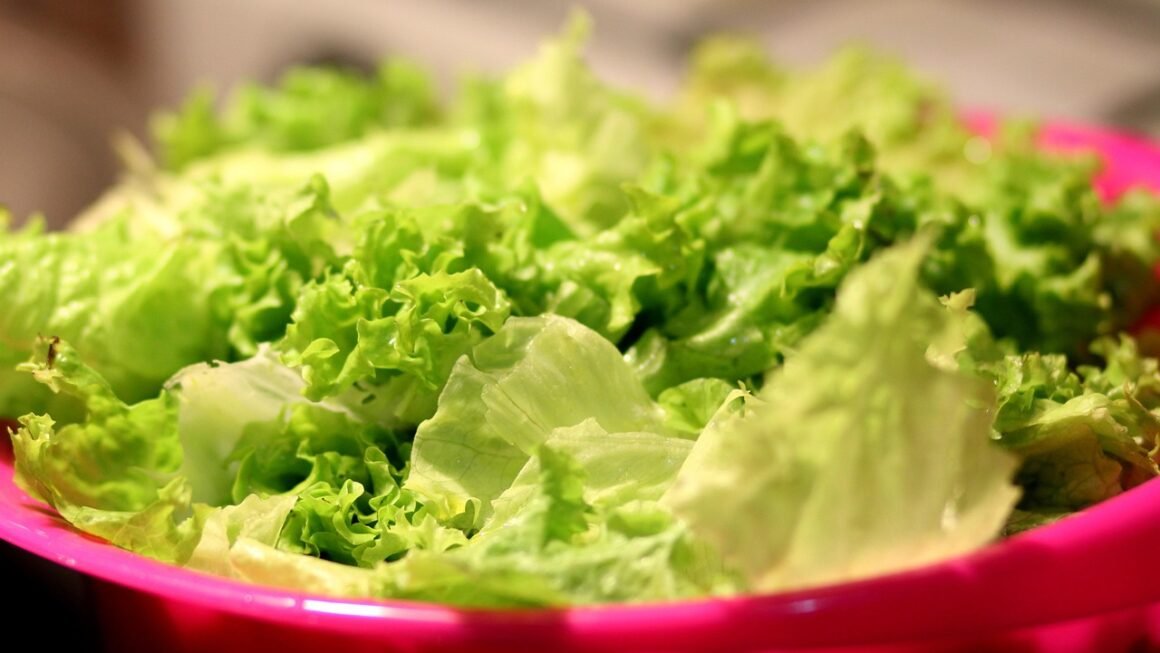
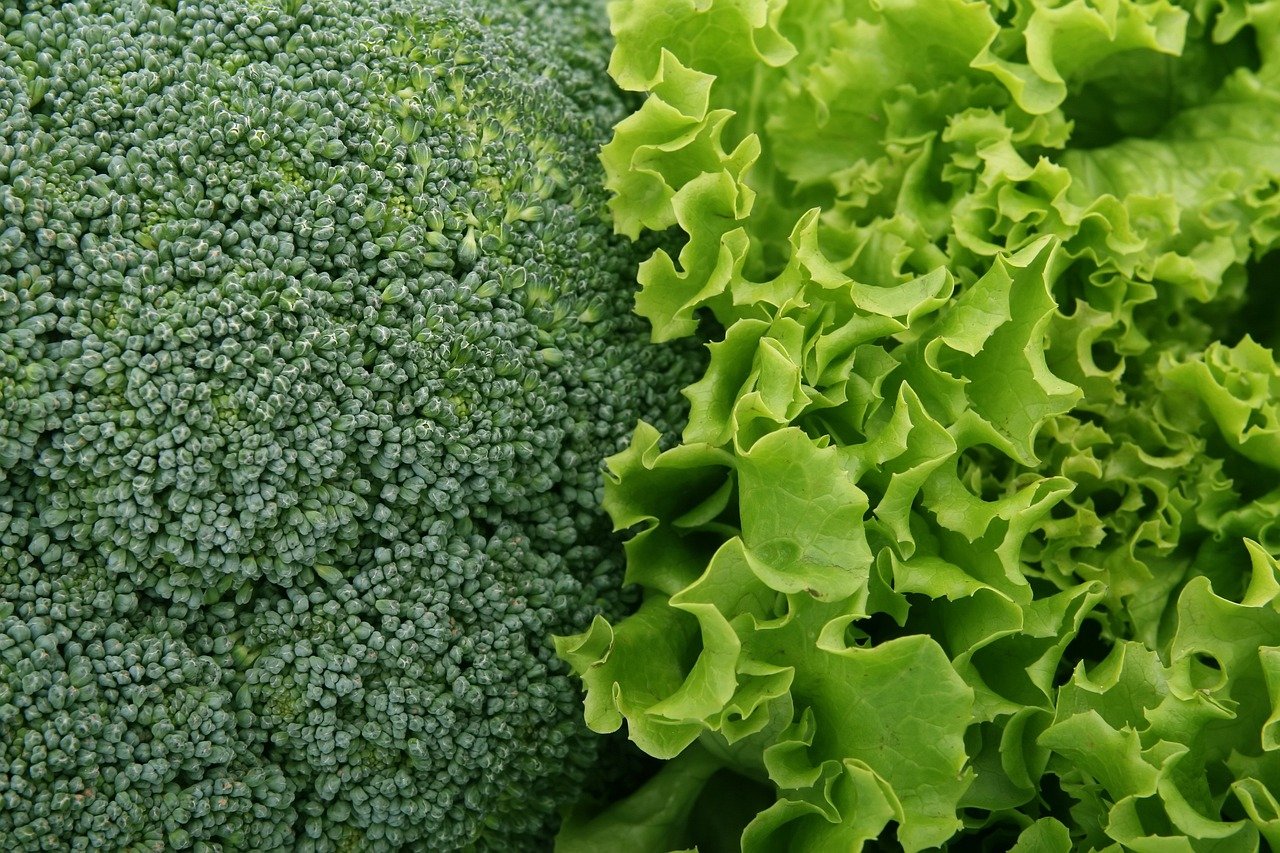
- Focus on Fruits and Vegetables: Aim for at least five servings daily. They’re packed with vitamins, minerals, antioxidants, and fiber.
- Choose Whole Grains: Opt for whole wheat bread, brown rice, oats, and quinoa instead of refined grains.
- Lean Protein Sources: Include fish, poultry (skinless), beans, lentils, and tofu. Limit red meat and processed meats.
- Healthy Fats: Prioritize unsaturated fats found in olive oil, avocados, nuts, and seeds.
- Limit Saturated and Trans Fats: These are primarily found in red meat, full-fat dairy products, and processed foods. Check food labels carefully.
- Reduce Sodium Intake: Avoid processed foods, limit added salt, and use herbs and spices to flavor your meals.
Power Foods for a Healthy Heart
The Role of Fiber
Fiber is crucial for lowering cholesterol levels and promoting healthy digestion. Soluble fiber, in particular, binds with cholesterol in the digestive tract, preventing its absorption into the bloodstream.
- Oats: Rich in soluble fiber (beta-glucan). Aim for a bowl of oatmeal in the morning.
- Beans and Legumes: Excellent sources of fiber and plant-based protein. Include lentils, kidney beans, or chickpeas in your meals.
- Fruits and Vegetables: Apples, berries, broccoli, and Brussels sprouts are all great sources of fiber.
Healthy Fats and Omega-3 Fatty Acids
Unsaturated fats, especially omega-3 fatty acids, play a vital role in reducing inflammation and improving blood lipid profiles.
- Fatty Fish: Salmon, tuna, mackerel, and sardines are excellent sources of omega-3 fatty acids. Aim for at least two servings per week.
- Nuts and Seeds: Walnuts, almonds, flaxseeds, and chia seeds provide healthy fats, fiber, and antioxidants.
- Olive Oil: Use extra virgin olive oil as your primary cooking oil.
The Importance of Antioxidants
Antioxidants protect against cellular damage caused by free radicals, which contribute to inflammation and heart disease.
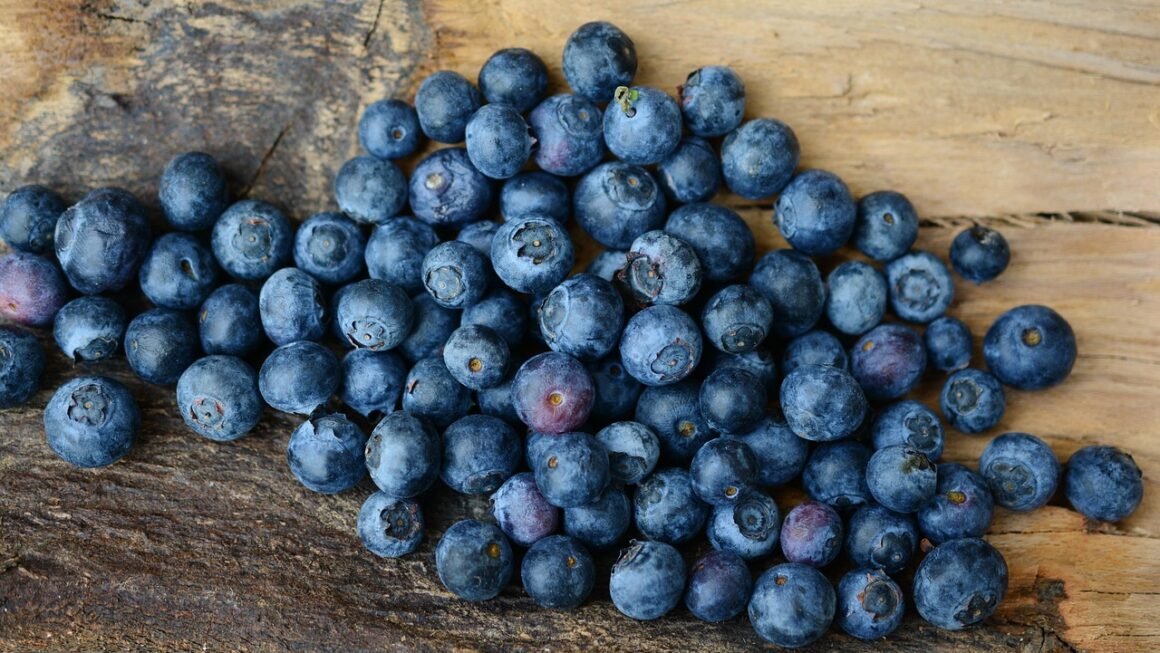
- Berries: Blueberries, strawberries, raspberries, and cranberries are packed with antioxidants.
- Dark Chocolate: Choose dark chocolate with at least 70% cocoa content for its antioxidant benefits (enjoy in moderation!).
- Green Tea: Rich in antioxidants and may help lower cholesterol.
Limiting Unhealthy Fats, Sodium, and Sugar
Understanding “Bad” Fats
Saturated and trans fats can raise LDL (bad) cholesterol levels, increasing the risk of heart disease.
- Saturated Fats: Found in red meat, full-fat dairy products, and some tropical oils (coconut and palm oil). Limit intake.
- Trans Fats: Often found in processed foods, fried foods, and baked goods. Check food labels for “partially hydrogenated oil” and avoid products containing it.
Reducing Sodium Intake
Excessive sodium intake can raise blood pressure, increasing the risk of heart disease and stroke. The American Heart Association recommends limiting sodium intake to no more than 2,300 milligrams per day for most adults, and ideally no more than 1,500 mg per day for those with high blood pressure.
- Read Food Labels: Pay attention to sodium content in processed foods, canned soups, and sauces.
- Cook at Home: Preparing meals at home allows you to control the amount of sodium added.
- Use Herbs and Spices: Flavor your food with herbs, spices, lemon juice, and vinegar instead of salt.
Cutting Back on Added Sugar
Excessive sugar intake can lead to weight gain, increased triglyceride levels, and a higher risk of heart disease.
- Avoid Sugary Drinks: Limit soda, juice, and sweetened beverages.
- Read Food Labels: Check for added sugars in processed foods, cereals, and sauces.
- Choose Whole Fruits: Opt for whole fruits instead of fruit juices or processed fruit snacks.
Practical Tips for Implementing a Heart-Healthy Diet
Meal Planning and Preparation
Planning your meals in advance can help you make healthier choices and avoid impulsive decisions.
- Create a Weekly Meal Plan: Plan your meals for the week, focusing on heart-healthy ingredients.
- Prepare Meals in Advance: Cook large batches of healthy meals and store them for easy access during the week.
- Pack Your Lunch: Bring your own lunch to work or school to avoid unhealthy options.
Making Healthy Substitutions
Simple substitutions can make a big difference in the overall healthfulness of your diet.
- Swap White Bread for Whole Wheat Bread: Choose whole wheat bread for sandwiches and toast.
- Use Olive Oil Instead of Butter: Cook with olive oil instead of butter or margarine.
- Choose Baked or Grilled Instead of Fried: Opt for baked or grilled options instead of fried foods.
- Replace Sugary Drinks with Water: Drink water, unsweetened tea, or sparkling water instead of soda or juice.
Reading Food Labels
Understanding food labels is crucial for making informed choices.
- Pay Attention to Serving Sizes: Note the serving size and adjust your intake accordingly.
- Check for Saturated and Trans Fats: Limit foods high in saturated and trans fats.
- Look for Sodium Content: Choose low-sodium options.
- Check for Added Sugars: Limit foods high in added sugars.
- Prioritize Fiber Content: Choose foods with high fiber content.
Conclusion
Adopting a heart-healthy diet is a powerful step towards a healthier, longer life. By focusing on whole foods, limiting unhealthy fats, sodium, and sugar, and making simple substitutions, you can significantly reduce your risk of heart disease and improve your overall well-being. Remember, small changes can lead to big results, so start today and nourish your heart for a brighter future.