Clean eating: it’s more than just a diet; it’s a lifestyle choice. It’s about nourishing your body with whole, unprocessed foods that support your overall health and well-being. But what does “clean eating” really mean? And how can you incorporate it into your daily life? Let’s dive deep into the world of clean eating and discover how it can transform your health.
Understanding Clean Eating: The Basics
What is Clean Eating?
Clean eating focuses on consuming foods that are as close to their natural state as possible. This means prioritizing whole, unprocessed, and unrefined foods while minimizing the intake of processed foods, sugary drinks, and unhealthy fats. It’s about making conscious choices to fuel your body with nutrient-rich options.
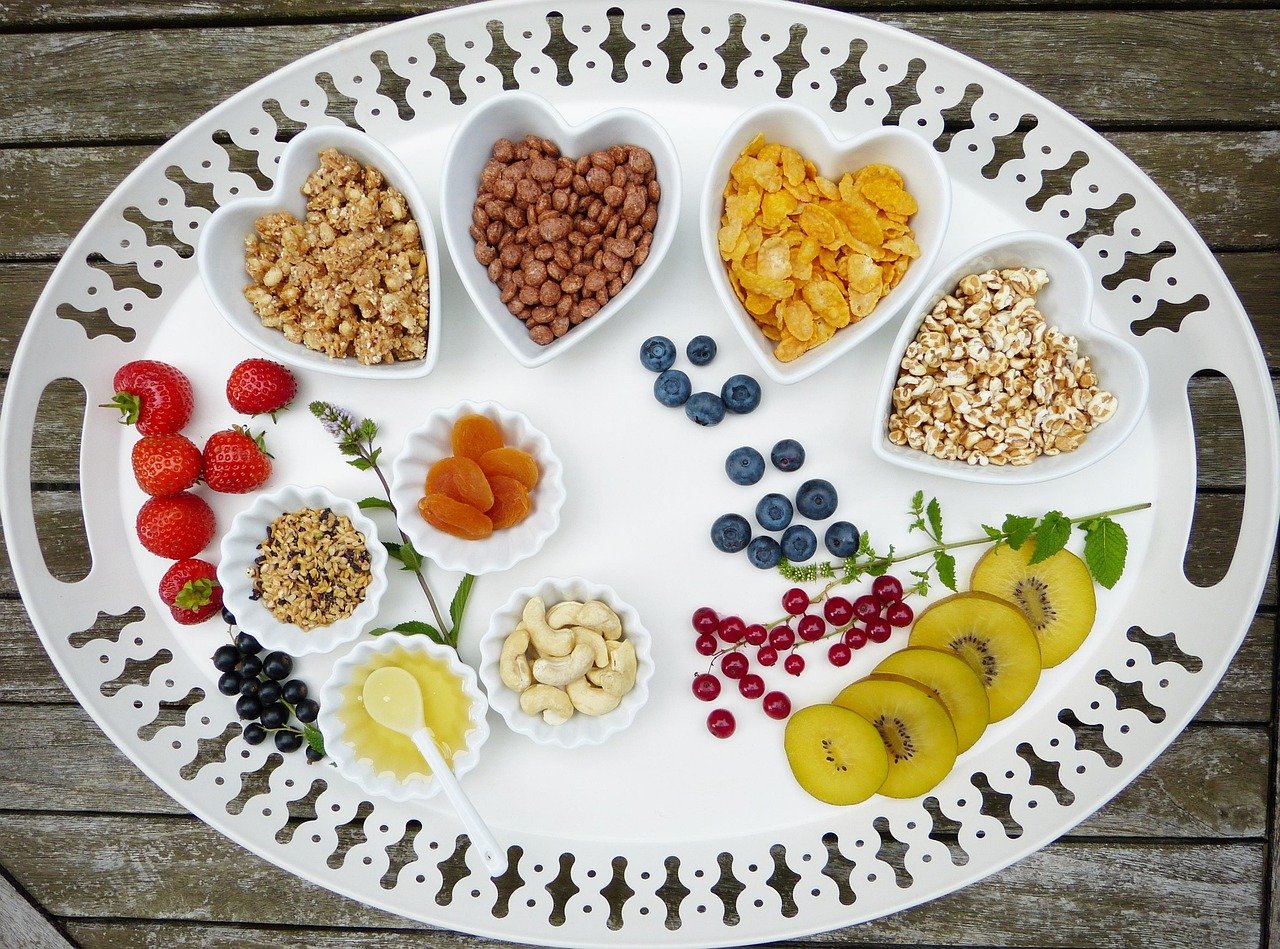
- Emphasis on Whole Foods: This includes fruits, vegetables, whole grains, lean proteins, and healthy fats.
- Minimizing Processed Foods: Reducing consumption of packaged snacks, sugary drinks, and refined carbohydrates.
- Reading Food Labels: Paying close attention to ingredients lists and nutritional information.
Why Choose Clean Eating?
Clean eating offers a myriad of health benefits. It’s not about deprivation; it’s about making informed choices to support your body’s natural functions.
- Improved Energy Levels: Whole foods provide sustained energy throughout the day.
- Better Digestion: High-fiber foods promote healthy digestion and gut health.
- Weight Management: Natural satiety from whole foods helps control calorie intake.
- Reduced Risk of Chronic Diseases: Studies show that a diet rich in whole foods can lower the risk of heart disease, type 2 diabetes, and certain cancers.
- Enhanced Mood: Nutrients in whole foods can positively impact brain function and mood.
Key Components of a Clean Eating Diet
Focusing on Whole Grains
Whole grains are an excellent source of fiber, vitamins, and minerals. They provide sustained energy and promote digestive health.
- Examples: Brown rice, quinoa, oats, whole wheat bread, and barley.
- Practical Tip: Look for products labeled “100% whole grain” to ensure you’re getting the most benefits.
- Avoid: Refined grains like white bread, white rice, and pastries.
Prioritizing Fruits and Vegetables
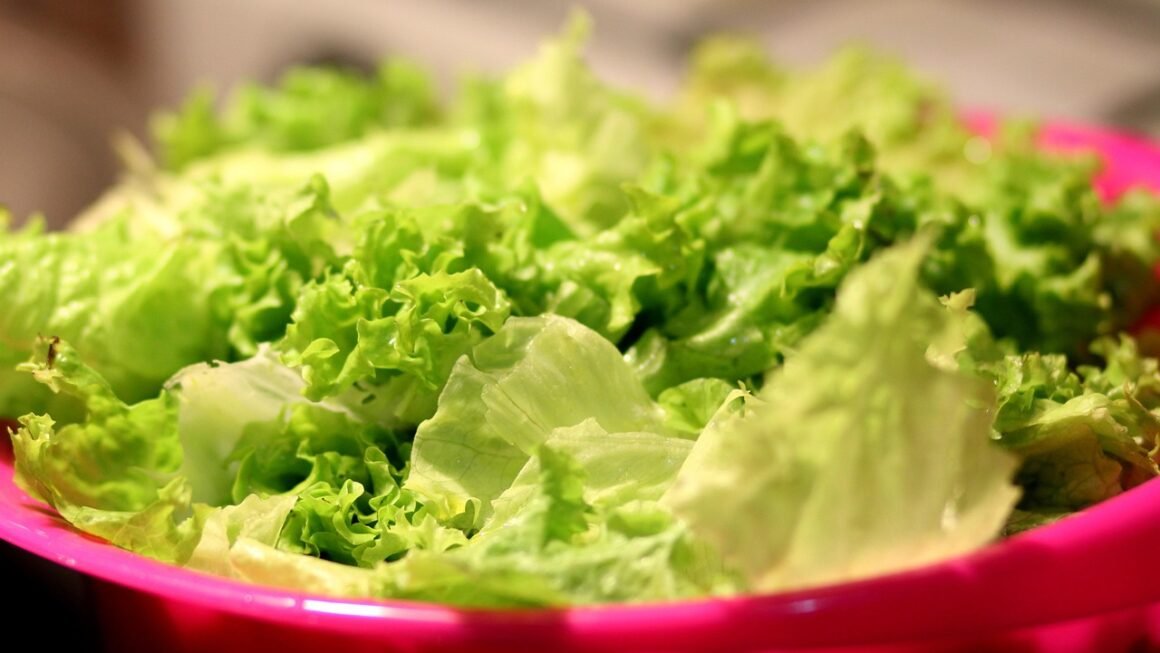
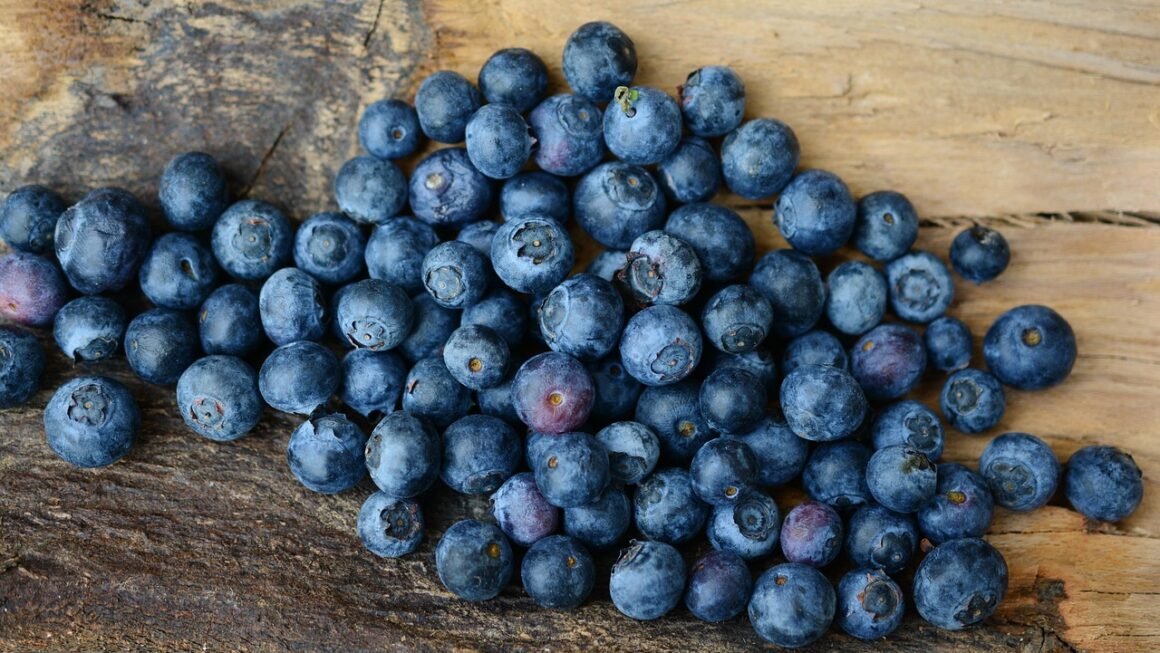
Fruits and vegetables are packed with vitamins, minerals, antioxidants, and fiber. They should form the cornerstone of a clean eating diet.
- Variety is Key: Aim for a rainbow of colors to ensure you’re getting a wide range of nutrients.
- Examples: Berries, leafy greens, broccoli, bell peppers, apples, bananas, and sweet potatoes.
- Practical Tip: Incorporate fruits and vegetables into every meal and snack. Add spinach to your smoothie, snack on carrots and hummus, or enjoy a colorful salad with lunch.
Choosing Lean Proteins
Lean proteins are essential for building and repairing tissues, supporting immune function, and promoting satiety.
- Examples: Chicken breast, turkey, fish (salmon, tuna, cod), beans, lentils, tofu, and eggs.
- Practical Tip: Opt for baked, grilled, or steamed preparations rather than fried.
- Plant-Based Protein Sources: If you’re following a vegetarian or vegan diet, ensure you’re getting enough protein from plant-based sources like legumes, nuts, and seeds.
Incorporating Healthy Fats
Healthy fats are crucial for brain function, hormone production, and nutrient absorption.
- Examples: Avocados, nuts, seeds, olive oil, and fatty fish.
- Practical Tip: Use olive oil for cooking and dressing salads, snack on a handful of almonds, or add avocado to your toast.
- Avoid: Trans fats and excessive amounts of saturated fats.
Simple Steps to Start Clean Eating
Start Small and Gradual
Don’t try to overhaul your diet overnight. Start by making small, sustainable changes.
- Example: Replace sugary drinks with water, swap processed snacks for fruits and vegetables, or try one new clean eating recipe each week.
Plan Your Meals
Meal planning can help you stay on track and avoid impulsive, unhealthy food choices.
- Practical Tip: Set aside some time each week to plan your meals and create a shopping list. This will save you time and ensure you have healthy options on hand.
Read Food Labels Carefully
Pay attention to ingredient lists and nutritional information. Avoid products with excessive amounts of sugar, sodium, and unhealthy fats.
- Example: Compare different brands of yogurt and choose the one with the lowest sugar content and the fewest artificial ingredients.
Cook at Home More Often
Cooking at home gives you control over the ingredients and preparation methods.
- Practical Tip: Explore new recipes and experiment with different flavors. Cooking can be a fun and rewarding way to nourish your body.
Stay Hydrated
Drink plenty of water throughout the day to support hydration and overall health.
- Practical Tip: Carry a water bottle with you and refill it regularly. Add slices of lemon or cucumber for flavor.
Overcoming Common Challenges
Cravings and Temptations
Cravings for processed foods can be a major challenge.
- Solution: Identify your triggers and find healthy alternatives. For example, if you crave sweets, try a piece of fruit or a small square of dark chocolate.
Eating Out
Eating out can be tricky when you’re trying to eat clean.
- Solution: Choose restaurants that offer healthy options and be mindful of your choices. Opt for grilled or baked dishes, ask for dressings on the side, and load up on vegetables.
Time Constraints
Busy schedules can make it difficult to prepare healthy meals.
- Solution: Batch cook meals on the weekends, prepare grab-and-go snacks, and utilize convenience options like pre-cut vegetables.
Conclusion
Clean eating is a sustainable and effective way to improve your health and well-being. By focusing on whole, unprocessed foods and making conscious choices, you can nourish your body, boost your energy levels, and reduce your risk of chronic diseases. Remember to start small, plan your meals, and be patient with yourself. With a little effort and dedication, you can make clean eating a lifelong habit.