Embarking on a raw food diet can feel like stepping into a vibrant, nutrient-rich world. This lifestyle, centered around consuming uncooked and unprocessed foods, is more than just a dietary trend; it’s a conscious choice focused on maximizing the nutritional value of what we eat. While the concept might seem straightforward, understanding the nuances of a raw food diet is crucial for successfully adopting this lifestyle and reaping its potential benefits. This guide will delve into the details, exploring the principles, benefits, and practical tips to help you navigate the world of raw eating.
What is a Raw Food Diet?
A raw food diet, at its core, is a dietary approach that emphasizes consuming foods in their natural, unprocessed state. The fundamental principle is that cooking food can destroy beneficial enzymes and reduce its nutritional value. Adherents of a raw food diet typically consume foods that have not been heated above a certain temperature, usually around 104-118°F (40-48°C).
Core Principles of Raw Foodism
- Uncooked Food: The cornerstone of this diet is consuming foods that are primarily raw.
- Minimally Processed: Processing is kept to a minimum. Methods like blending, juicing, dehydrating (at low temperatures), and sprouting are acceptable.
- Whole Foods: The diet focuses on whole, unrefined foods, emphasizing fruits, vegetables, nuts, seeds, and sprouted grains.
- Living Enzymes: A key belief is that raw foods contain living enzymes that aid in digestion and overall health.
Food Allowed on a Raw Food Diet
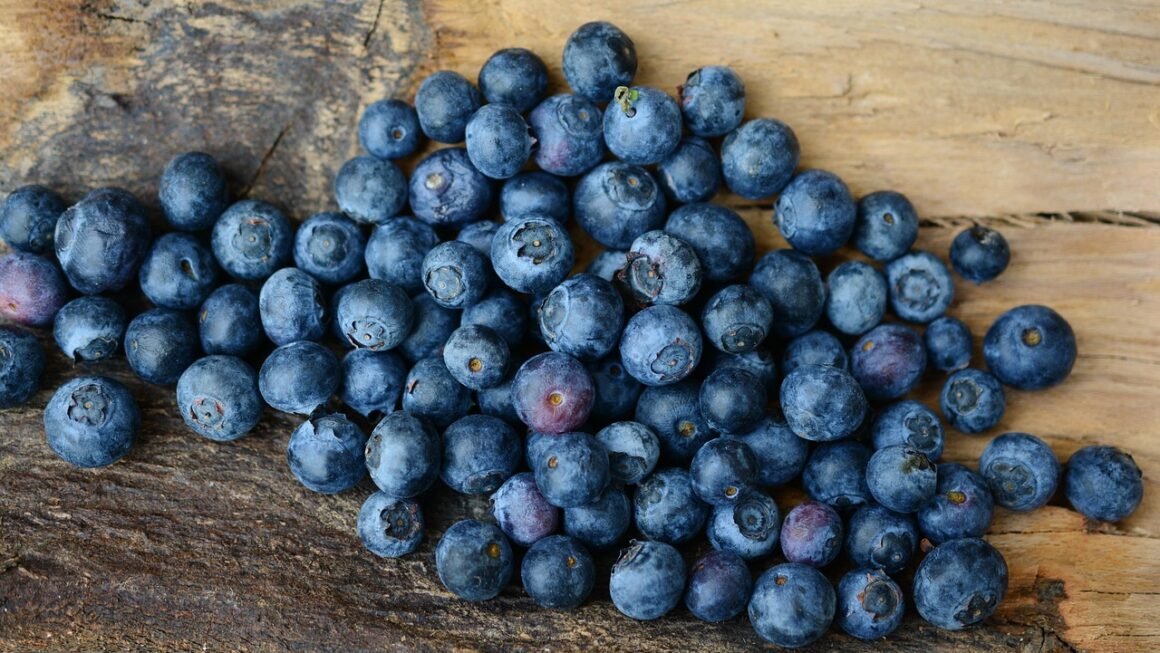
- Fruits: All types of fresh and dried fruits.
Examples: Apples, bananas, berries, mangoes, dates.
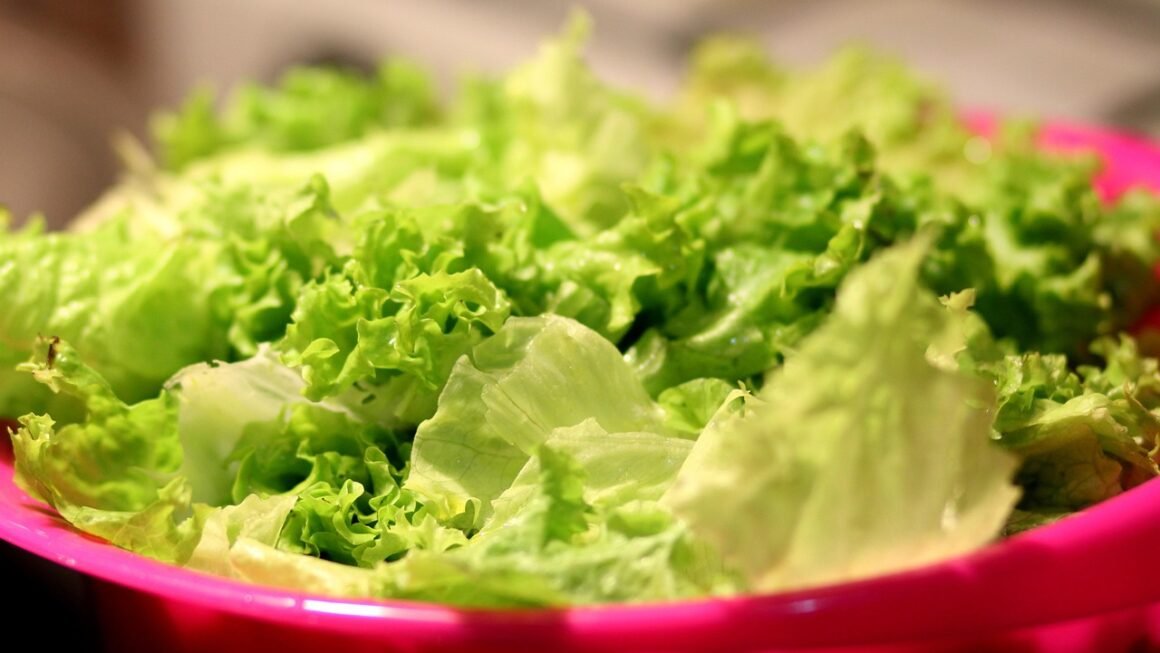
- Vegetables: A wide variety of raw vegetables, including leafy greens, root vegetables, and cruciferous vegetables.
Examples: Spinach, carrots, broccoli, kale.
- Nuts and Seeds: Raw nuts and seeds (soaked and sprouted are often preferred).
Examples: Almonds, walnuts, sunflower seeds, chia seeds.
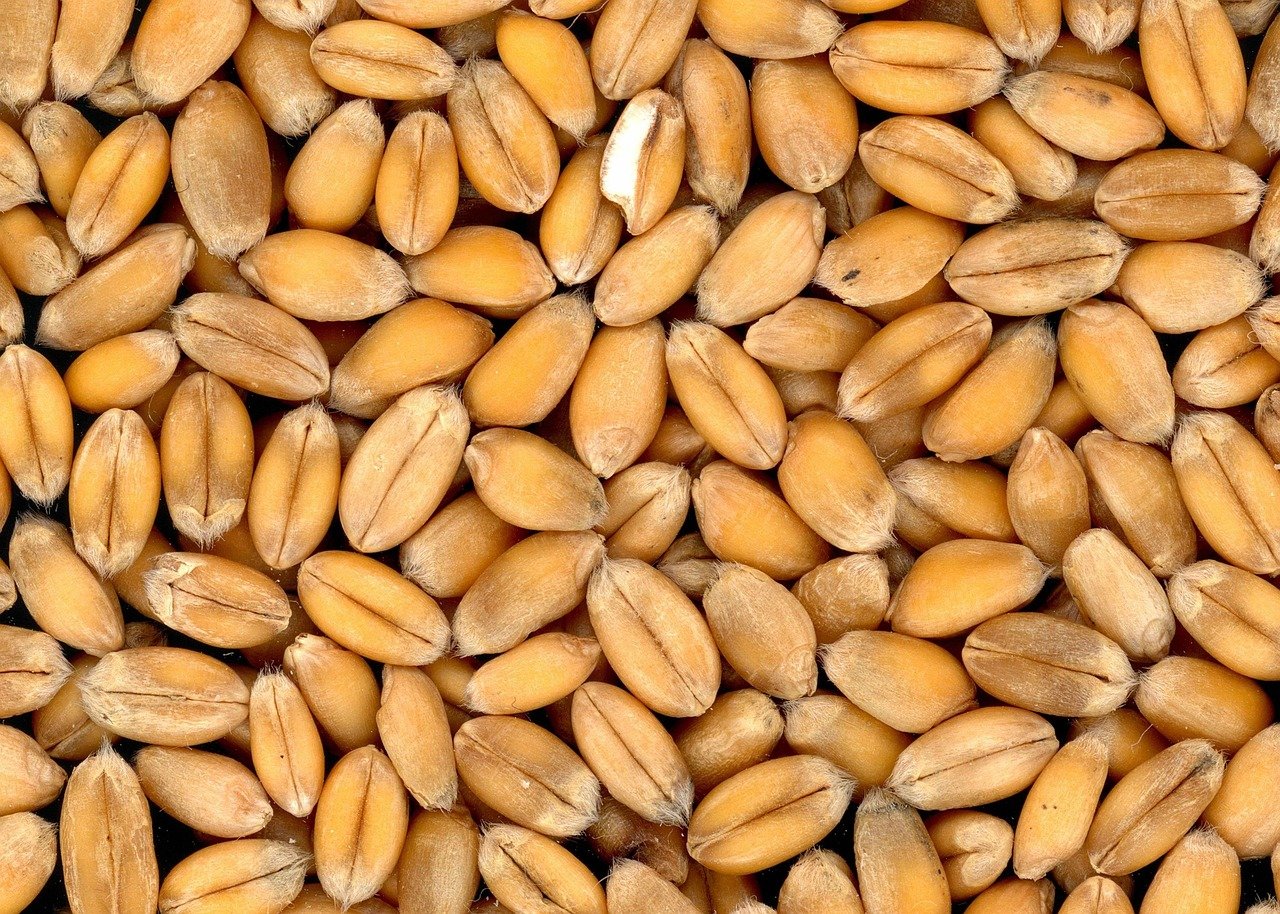
- Sprouted Grains and Legumes: These are often considered “living foods” and are incorporated for their nutrient density.
Examples: Sprouted quinoa, lentils, beans.
- Sea Vegetables: Seaweed like nori, kelp, and dulse.
- Raw Dairy (optional): Some variations of the raw food diet include unpasteurized dairy products.
- Raw Meat and Fish (optional): While less common, some raw food diets include raw meat and fish, such as sashimi or carpaccio. This requires careful sourcing to ensure safety.
Potential Benefits of a Raw Food Diet
Adopting a raw food diet can potentially lead to various health benefits, primarily due to the high intake of nutrients and fiber. However, it’s essential to consult a healthcare professional or registered dietitian before making significant dietary changes.
Enhanced Nutrient Intake
- Higher Vitamin Content: Raw foods often retain more vitamins and minerals than cooked foods, particularly heat-sensitive nutrients like vitamin C and B vitamins.
- Abundant Enzymes: Raw food proponents believe that enzymes present in uncooked foods aid in digestion and nutrient absorption.
- Rich in Antioxidants: Raw fruits and vegetables are packed with antioxidants, which help protect against cell damage caused by free radicals.
Weight Management
- Low in Processed Foods: Raw food diets naturally eliminate processed foods, which are often high in calories, unhealthy fats, and added sugars.
- High in Fiber: The high fiber content of raw fruits and vegetables promotes satiety, helping to control appetite and support weight loss.
- Naturally Lower Calorie Density: Raw foods tend to be lower in calorie density than cooked foods, allowing for larger portions without excessive calorie intake.
Improved Digestion
- Fiber-Rich Foods: The abundance of fiber in raw fruits, vegetables, nuts, and seeds can promote healthy digestion and prevent constipation.
- Enzymes: Some believe that naturally occurring enzymes aid in breaking down food and improving nutrient absorption.
Increased Energy Levels
- Nutrient Density: Raw food diets provide a concentrated source of vitamins, minerals, and antioxidants, which can contribute to increased energy levels and overall vitality.
- Reduced Toxin Exposure: By eliminating processed foods and additives, a raw food diet can reduce the body’s exposure to potential toxins, which can drain energy.
Challenges and Considerations
While a raw food diet offers potential benefits, it’s crucial to be aware of the challenges and considerations involved to ensure a safe and sustainable transition.
Nutritional Deficiencies
- Vitamin B12: Vitamin B12 is primarily found in animal products, and a strict raw vegan diet can lead to a deficiency. Supplementation is often necessary.
- Vitamin D: It can be difficult to obtain sufficient vitamin D from diet alone, regardless if it is a raw diet or not. Sun exposure or supplementation may be required.
- Iron: While raw foods contain iron, it may not be as readily absorbed as iron from animal sources. Combining iron-rich plant foods with vitamin C can enhance absorption.
- Calcium: Ensuring adequate calcium intake is crucial, especially for bone health. Good sources include leafy green vegetables, nuts, and seeds.
Food Safety
- Bacterial Contamination: Raw foods, especially sprouts and raw meat/fish (if consumed), can harbor bacteria like Salmonella and E. coli. Thorough washing and proper handling are essential. Sourcing from reputable suppliers is paramount.
- Parasites: Raw meat and fish can also contain parasites. Freezing meat and fish before consumption can help kill parasites, but consulting with a healthcare professional is recommended.
Social Challenges
- Dining Out: Finding raw food options when eating out can be challenging.
- Social Gatherings: Explaining your dietary choices and navigating social gatherings where raw food options are limited can be difficult.
- Preparation Time: Preparing raw meals can sometimes be more time-consuming than cooking, requiring chopping, blending, and dehydrating.
Getting Started with a Raw Food Diet
Transitioning to a raw food diet is best done gradually, allowing your body to adjust to the increased fiber and nutrient load. Here are some practical tips to help you get started.
Gradual Transition
- Start Slowly: Begin by incorporating more raw foods into your existing diet, gradually replacing cooked meals with raw meals.
- Focus on Variety: Include a wide variety of fruits, vegetables, nuts, seeds, and sprouted grains to ensure you’re getting a balanced nutrient intake.
- Listen to Your Body: Pay attention to how your body responds to the dietary changes and adjust accordingly.
Sample Raw Food Meal Plan
- Breakfast: Green smoothie (spinach, banana, almond milk, chia seeds) or sprouted oatmeal with berries and nuts.
- Lunch: Large salad with mixed greens, avocado, sprouts, and a homemade raw dressing (tahini, lemon juice, herbs).
- Dinner: Zucchini noodles with raw marinara sauce (blended tomatoes, basil, garlic), or nori wraps filled with vegetables and avocado.
- Snacks: Fruits, raw nuts and seeds, vegetable sticks with hummus, or green juice.
Essential Equipment
- High-Speed Blender: For smoothies, sauces, and soups.
- Food Processor: For chopping, grating, and making nut butters.
- Dehydrator: For drying fruits, vegetables, and making raw crackers.
- Sprouter: For sprouting grains, seeds, and legumes.
Conclusion
Adopting a raw food diet can be a rewarding journey, offering potential health benefits and a deeper connection to the natural world. However, it’s crucial to approach it with knowledge, caution, and a commitment to proper nutrition. By understanding the principles, potential benefits, challenges, and practical tips outlined in this guide, you can make informed decisions and embark on a successful raw food journey. Always remember to consult with a healthcare professional or registered dietitian before making significant dietary changes.