Are you looking to nourish your heart and improve your overall well-being? A heart-healthy diet isn’t just a temporary fix; it’s a lifestyle change that can significantly reduce your risk of heart disease, stroke, and other cardiovascular problems. This comprehensive guide will walk you through the essential elements of a heart-healthy eating plan, providing actionable steps and practical tips to help you embrace a life filled with vitality.
Understanding Heart-Healthy Eating
What is a Heart-Healthy Diet?
A heart-healthy diet focuses on consuming foods that support cardiovascular health while limiting those that increase the risk of heart disease. It emphasizes:
- Fruits and Vegetables: Aim for at least 5 servings per day.
- Whole Grains: Choose whole wheat bread, brown rice, and oats over refined grains.
- Lean Protein: Opt for fish, poultry (skinless), beans, and lentils.
- Healthy Fats: Include sources like avocados, nuts, seeds, and olive oil.
- Low-Fat Dairy: Choose skim milk, yogurt, and cheese.
A heart-healthy diet actively minimizes the intake of saturated and trans fats, cholesterol, sodium, and added sugars, all of which can negatively impact your cardiovascular system.
Why is it Important?
Heart disease is a leading cause of death globally. According to the CDC, about 697,000 people in the United States died from heart disease in 2020. A heart-healthy diet can significantly reduce your risk by:
- Lowering LDL (bad) cholesterol levels.
- Maintaining healthy blood pressure.
- Controlling blood sugar levels.
- Helping to achieve and maintain a healthy weight.
- Reducing inflammation throughout the body.
- Actionable Takeaway: Start by tracking your current diet for a week. Identify areas where you can make immediate changes, such as swapping sugary drinks for water or adding a serving of vegetables to each meal.
Key Components of a Heart-Healthy Diet
Fruits and Vegetables: Nature’s Medicine
Fruits and vegetables are packed with vitamins, minerals, antioxidants, and fiber, all essential for a healthy heart.
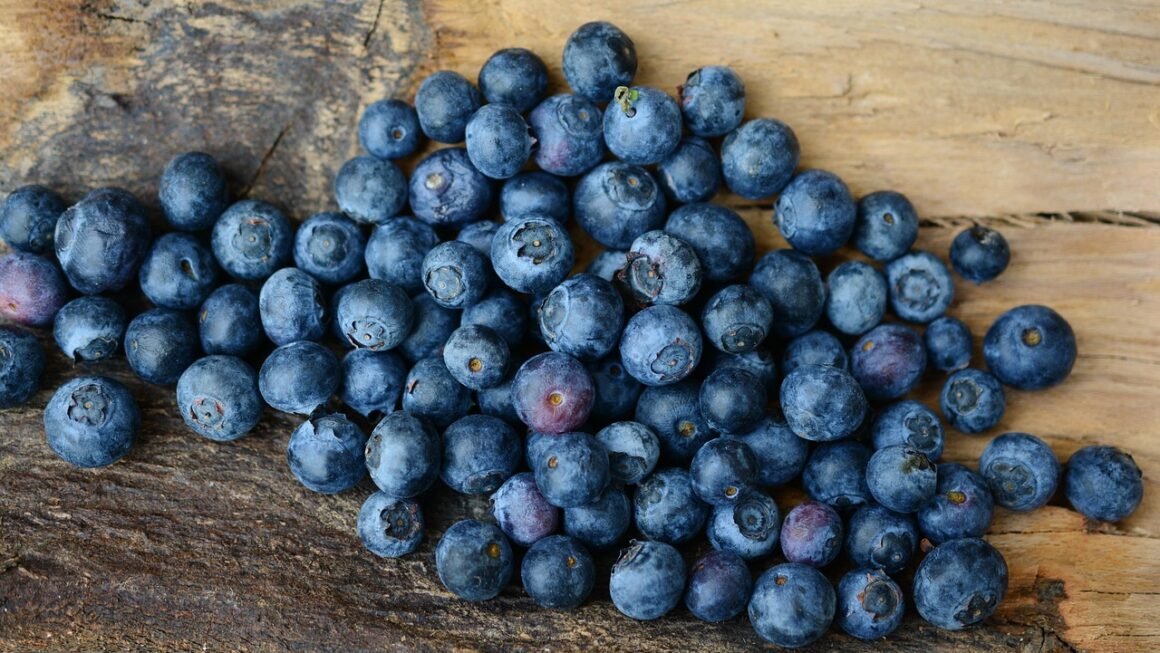
- Examples: Berries, leafy greens, apples, oranges, bananas, broccoli, carrots, and tomatoes.
- Benefits: Lower blood pressure, improve cholesterol levels, and reduce the risk of heart disease.
- Practical Tips: Add berries to your breakfast cereal, snack on raw vegetables with hummus, and include a side salad with lunch and dinner.
Whole Grains: Fueling Your Heart
Whole grains are an excellent source of fiber, which helps lower cholesterol and keeps you feeling full and satisfied.
- Examples: Whole wheat bread, brown rice, quinoa, oats, and barley.
- Benefits: Lower LDL cholesterol, improve blood sugar control, and promote healthy digestion.
- Practical Tips: Choose whole wheat bread over white bread, swap white rice for brown rice, and start your day with a bowl of oatmeal.
Lean Protein: Building Blocks for a Healthy Body
Lean protein sources provide essential amino acids without contributing excessive amounts of unhealthy fats.
- Examples: Fish (salmon, tuna, mackerel), poultry (skinless chicken or turkey), beans, lentils, tofu, and lean cuts of beef.
- Benefits: Helps maintain a healthy weight, supports muscle mass, and reduces the risk of heart disease.
- Practical Tips: Aim for at least two servings of fish per week, choose baked or grilled poultry over fried, and incorporate plant-based protein sources like beans and lentils into your diet regularly.
Healthy Fats: The Right Kind of Fat
Not all fats are created equal. Unsaturated fats, found in avocados, nuts, seeds, and olive oil, can actually benefit your heart.
- Examples: Avocados, olive oil, nuts (almonds, walnuts), seeds (chia seeds, flaxseeds), and fatty fish (salmon, tuna).
- Benefits: Lower LDL cholesterol, raise HDL (good) cholesterol, and reduce inflammation.
- Practical Tips: Use olive oil for cooking, snack on a handful of nuts, add avocado slices to your sandwiches, and sprinkle seeds on your salads.
- Actionable Takeaway: Focus on incorporating more of these key components into your daily meals and snacks. Start small and gradually increase your intake over time.
Foods to Limit or Avoid
Saturated and Trans Fats
These unhealthy fats can raise LDL cholesterol and increase your risk of heart disease.
- Sources: Fatty meats, processed foods, fried foods, baked goods, and some dairy products.
- Practical Tips: Choose lean cuts of meat, trim visible fat from meat before cooking, avoid processed foods, and limit your intake of fried foods. Read food labels carefully to identify and avoid trans fats.
Sodium
Excessive sodium intake can lead to high blood pressure, a major risk factor for heart disease.
- Sources: Processed foods, canned goods, fast food, and salty snacks.
- Practical Tips: Read food labels and choose low-sodium options, cook at home more often to control sodium levels, and use herbs and spices instead of salt to flavor your food.
Added Sugars
Added sugars can contribute to weight gain, high blood sugar, and increased triglyceride levels, all of which can increase your risk of heart disease.
- Sources: Sugary drinks, candy, baked goods, and processed foods.
- Practical Tips: Limit your intake of sugary drinks, choose whole fruits over fruit juice, read food labels to identify added sugars, and opt for naturally sweet foods like berries and dates.
- Actionable Takeaway: Be mindful of your intake of these unhealthy foods. Gradually reduce your consumption over time to protect your heart health.
Practical Tips for Implementing a Heart-Healthy Diet
Meal Planning
Planning your meals ahead of time can help you make healthier choices and avoid impulsive decisions.
- Tip: Dedicate some time each week to plan your meals for the upcoming week. Create a shopping list based on your meal plan and stick to it when you go to the grocery store.
Reading Food Labels
Understanding food labels is essential for making informed choices about the foods you eat.
- Tip: Pay attention to serving sizes, calories, total fat, saturated fat, trans fat, cholesterol, sodium, added sugars, and fiber.
Cooking at Home
Cooking at home allows you to control the ingredients and portion sizes of your meals.
- Tip: Experiment with new recipes and cooking techniques that emphasize healthy ingredients and cooking methods like baking, grilling, and steaming.
Mindful Eating
Paying attention to your body’s hunger and fullness cues can help you avoid overeating.
- Tip: Eat slowly, savor each bite, and listen to your body’s signals. Stop eating when you’re satisfied, not stuffed.
Staying Hydrated
Drinking plenty of water is essential for overall health and can help you feel full and satisfied.
- Tip: Carry a water bottle with you throughout the day and drink water regularly. Aim for at least 8 glasses of water per day.
- Actionable Takeaway: Implement these practical tips into your daily routine to make heart-healthy eating a sustainable part of your lifestyle.
Conclusion
Adopting a heart-healthy diet is one of the most effective steps you can take to protect your cardiovascular health and improve your overall well-being. By focusing on nutrient-rich foods like fruits, vegetables, whole grains, lean protein, and healthy fats, and limiting your intake of unhealthy fats, sodium, and added sugars, you can significantly reduce your risk of heart disease and live a longer, healthier life. Remember that small, gradual changes can make a big difference over time. Start today and nourish your heart for a brighter future.