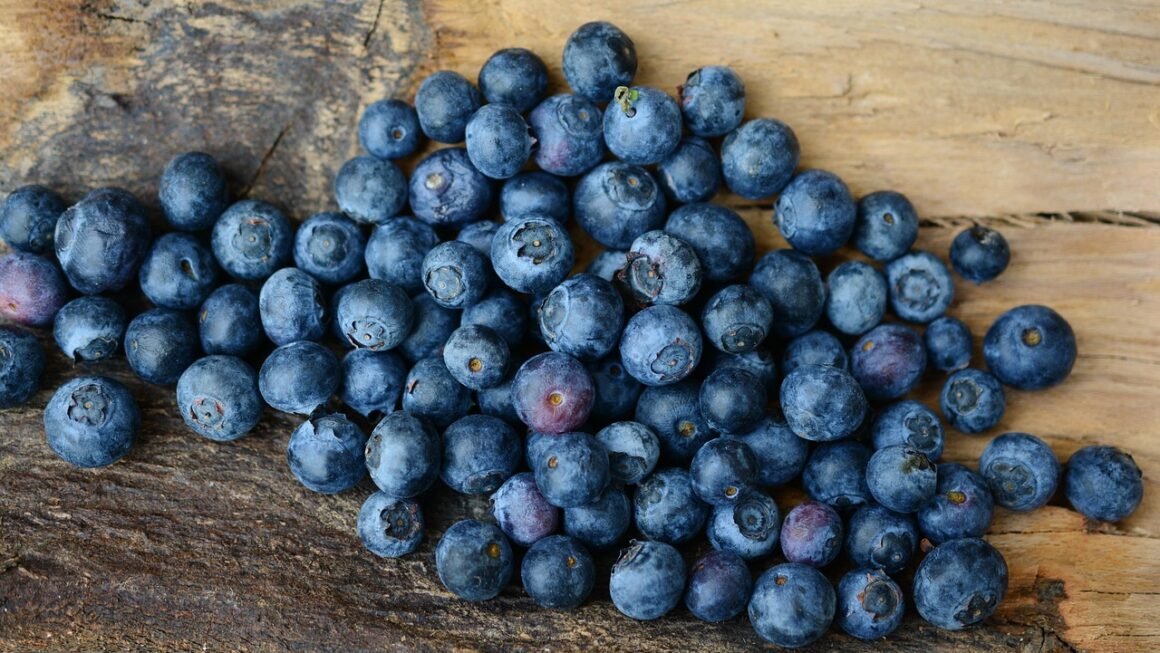
Clean eating isn’t just another diet trend; it’s a sustainable lifestyle focused on consuming whole, unprocessed foods and nourishing your body with the nutrients it truly needs. It’s about being mindful of what you put into your body and making informed choices that contribute to your overall well-being. In this guide, we’ll explore the principles of clean eating, its benefits, and how you can incorporate it into your daily life.
What is Clean Eating?
Core Principles of Clean Eating
Clean eating, at its heart, is about choosing foods that are as close to their natural state as possible. This means prioritizing whole, unprocessed foods over refined and processed options. It’s not about strict rules or restrictions, but rather making conscious decisions to fuel your body with wholesome nutrition.
- Focus on Whole Foods: Prioritize fruits, vegetables, whole grains, lean proteins, and healthy fats.
- Minimize Processed Foods: Limit or avoid foods with artificial ingredients, added sugars, unhealthy fats, and excessive sodium.
- Read Food Labels: Pay attention to ingredient lists and nutritional information to make informed choices.
- Cook at Home: Preparing your own meals allows you to control ingredients and portion sizes.
- Hydrate Adequately: Drink plenty of water throughout the day to support overall health.
What Foods to Include
A clean eating diet is vibrant and diverse, emphasizing a wide range of nutrient-rich foods. Here are some staples to incorporate into your meals:
- Fruits and Vegetables: Aim for a colorful variety of fruits and vegetables to ensure you’re getting a broad spectrum of vitamins, minerals, and antioxidants. Example: Berries, spinach, broccoli, avocados, sweet potatoes.
- Whole Grains: Choose whole grains like quinoa, brown rice, oats, and whole-wheat bread over refined grains like white bread and white rice.
- Lean Proteins: Opt for lean sources of protein like chicken breast, fish, beans, lentils, tofu, and eggs.
- Healthy Fats: Incorporate healthy fats from sources like avocados, nuts, seeds, olive oil, and fatty fish (salmon, tuna).
- Legumes: Beans and lentils are excellent sources of plant-based protein and fiber.
Foods to Limit or Avoid
While clean eating isn’t about strict deprivation, certain foods should be limited or avoided to support optimal health:
- Processed Foods: This includes packaged snacks, fast food, and convenience meals that are often high in sodium, unhealthy fats, and added sugars.
- Refined Sugars: Limit your intake of sugary drinks, candy, baked goods, and other foods high in added sugars.
- Unhealthy Fats: Avoid trans fats and limit saturated fats found in fried foods, processed meats, and certain dairy products.
- Artificial Sweeteners and Additives: Be mindful of artificial sweeteners, colors, flavors, and preservatives that can be found in many processed foods.
- Excessive Sodium: Limit your intake of salty snacks, processed foods, and restaurant meals that are often high in sodium.
Benefits of Clean Eating
Physical Health Benefits
Adopting a clean eating lifestyle can lead to numerous physical health benefits.
- Weight Management: By focusing on whole, nutrient-dense foods, you can naturally support a healthy weight. A study published in the “American Journal of Clinical Nutrition” found that diets high in processed foods were associated with weight gain and obesity.
- Improved Energy Levels: Clean eating provides sustained energy throughout the day, reducing energy crashes associated with processed foods.
- Better Digestion: High-fiber foods like fruits, vegetables, and whole grains promote healthy digestion and prevent constipation.
- Reduced Risk of Chronic Diseases: Clean eating can help reduce your risk of chronic diseases like heart disease, type 2 diabetes, and certain cancers. A meta-analysis published in “The Lancet” found that diets high in fruits, vegetables, and whole grains were associated with a lower risk of cardiovascular disease.
- Stronger Immune System: Nutrients from whole foods support a strong immune system, helping you fight off illness.
Mental Health Benefits
The impact of clean eating extends beyond physical health, influencing mental well-being as well.
- Improved Mood: Eating nutrient-rich foods can positively impact mood and reduce symptoms of depression and anxiety. Research suggests that the gut microbiome, which is influenced by diet, plays a crucial role in mental health.
- Enhanced Cognitive Function: Clean eating can improve cognitive function, including memory and concentration. Omega-3 fatty acids, found in fatty fish and nuts, are particularly beneficial for brain health.
- Reduced Stress: Certain nutrients, such as magnesium and vitamin B, can help reduce stress levels and promote relaxation.
- Better Sleep: A balanced diet can improve sleep quality, leading to improved overall well-being. Avoiding caffeine and sugar before bed is particularly helpful.
Long-Term Health and Wellness
Clean eating is not a quick fix but a sustainable lifestyle that promotes long-term health and wellness.
- Disease Prevention: By reducing your risk of chronic diseases, clean eating can help you live a longer, healthier life.
- Sustainable Energy: You’ll experience consistent energy levels throughout the day, allowing you to be more active and productive.
- Improved Overall Quality of Life: Clean eating can enhance your overall quality of life by improving your physical and mental well-being.
- Healthy Aging: Consuming nutrient-rich foods supports healthy aging and can help prevent age-related diseases.
Getting Started with Clean Eating
Gradual Changes vs. Cold Turkey
When transitioning to clean eating, you can choose between making gradual changes or going “cold turkey.” Gradual changes may be more sustainable for some, while others may prefer a more immediate approach.
- Gradual Changes: Start by making small changes to your diet each week, such as swapping sugary drinks for water or adding more fruits and vegetables to your meals.
- Cold Turkey: This approach involves immediately eliminating processed foods and focusing solely on whole, unprocessed foods.
- Listen to Your Body: Pay attention to how your body responds to the changes and adjust your approach accordingly.
Meal Planning and Prep
Meal planning and prep are essential for success with clean eating.
- Plan Your Meals: Take time each week to plan your meals and create a shopping list.
- Prep Ingredients: Wash, chop, and store fruits and vegetables ahead of time to make meal preparation easier.
- Cook in Batches: Prepare large batches of healthy meals and store them in the refrigerator or freezer for easy access.
- Pack Snacks: Carry healthy snacks with you to avoid unhealthy cravings when you’re on the go. Example: Nuts, fruits, vegetables with hummus.
Simple Swaps
Making simple swaps in your diet can make a big difference in your overall health.
- Swap Sugary Drinks for Water: Choose water, herbal tea, or unsweetened beverages over sugary drinks like soda and juice.
- Swap Processed Snacks for Whole Foods: Replace chips, candy, and cookies with fruits, vegetables, nuts, or seeds.
- Swap Refined Grains for Whole Grains: Choose whole-wheat bread, brown rice, and quinoa over white bread and white rice.
- Swap Processed Meats for Lean Proteins: Opt for chicken breast, fish, beans, or tofu over processed meats like bacon and sausage.
- Swap Unhealthy Fats for Healthy Fats: Use olive oil, avocados, nuts, and seeds instead of trans fats and saturated fats.
Overcoming Challenges
Common Obstacles and How to Address Them
Even with the best intentions, sticking to a clean eating lifestyle can present some challenges. Here are some common obstacles and tips for overcoming them:
- Time Constraints:
Solution: Prioritize meal planning and prep to save time during the week. Utilize quick and easy recipes.
- Cravings:
Solution: Satisfy cravings with healthy alternatives. Example: If you crave something sweet, try a piece of fruit or a small amount of dark chocolate. Ensure you are eating balanced meals with enough protein and fiber.
- Social Situations:
Solution: Plan ahead and bring a healthy dish to share. Choose healthier options when eating out, and don’t be afraid to ask for modifications.
- Cost:
Solution: Buy seasonal produce, shop in bulk, and plan meals around affordable ingredients.
- Lack of Support:
* Solution: Find a friend or family member who shares your goals, or join an online community for support and encouragement.
Eating Out Clean
Eating out doesn’t have to derail your clean eating efforts.
- Plan Ahead: Look at the menu online before you go and choose a healthy option.
- Choose Healthier Options: Opt for grilled or baked dishes over fried foods.
- Ask for Modifications: Request that sauces and dressings be served on the side.
- Control Portions: Order smaller portions or split a meal with a friend.
- Avoid Processed Foods: Steer clear of processed foods like french fries and sugary desserts.
Maintaining Consistency
Consistency is key to long-term success with clean eating.
- Set Realistic Goals: Don’t try to change everything at once. Start with small, achievable goals and gradually work your way up.
- Track Your Progress: Keep a food journal or use a mobile app to track your progress and stay motivated.
- Be Kind to Yourself: Don’t beat yourself up if you slip up. Just get back on track with your next meal.
- Celebrate Your Successes: Acknowledge and celebrate your accomplishments along the way.
- Stay Informed: Continue to learn about nutrition and healthy eating to stay motivated and informed.
Conclusion
Clean eating is a powerful approach to nourishing your body, boosting your well-being, and achieving long-term health. By prioritizing whole, unprocessed foods and making conscious choices, you can unlock a multitude of benefits, from weight management and improved energy levels to enhanced mental clarity and disease prevention. Remember, it’s not about perfection; it’s about progress. Start small, stay consistent, and enjoy the journey towards a healthier, happier you.