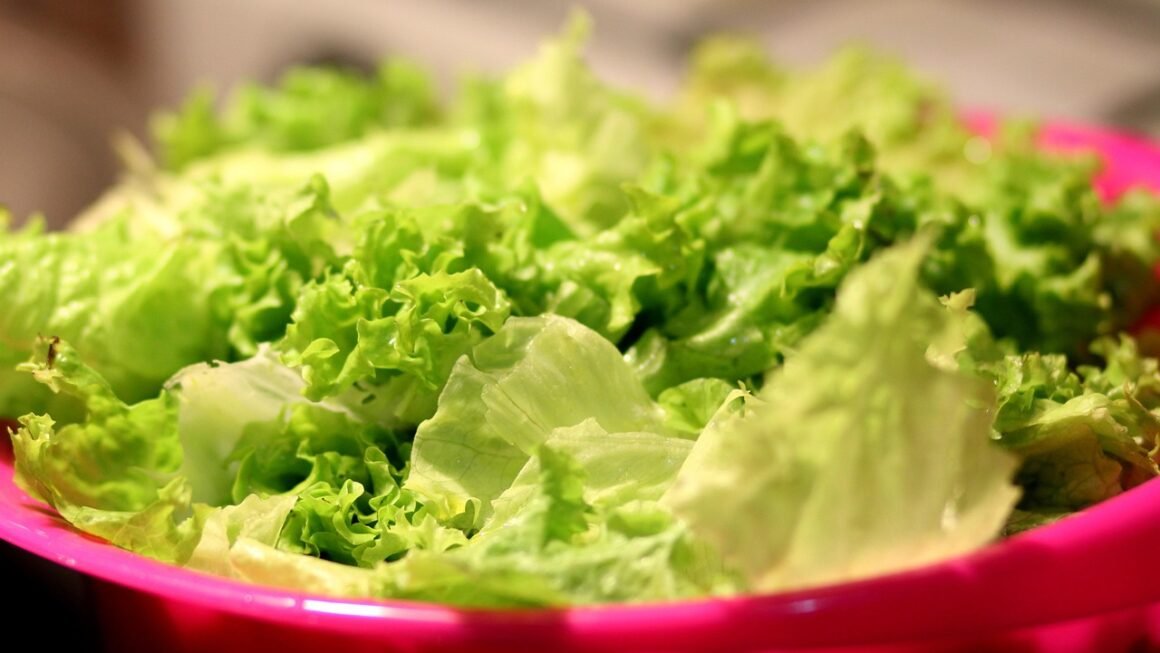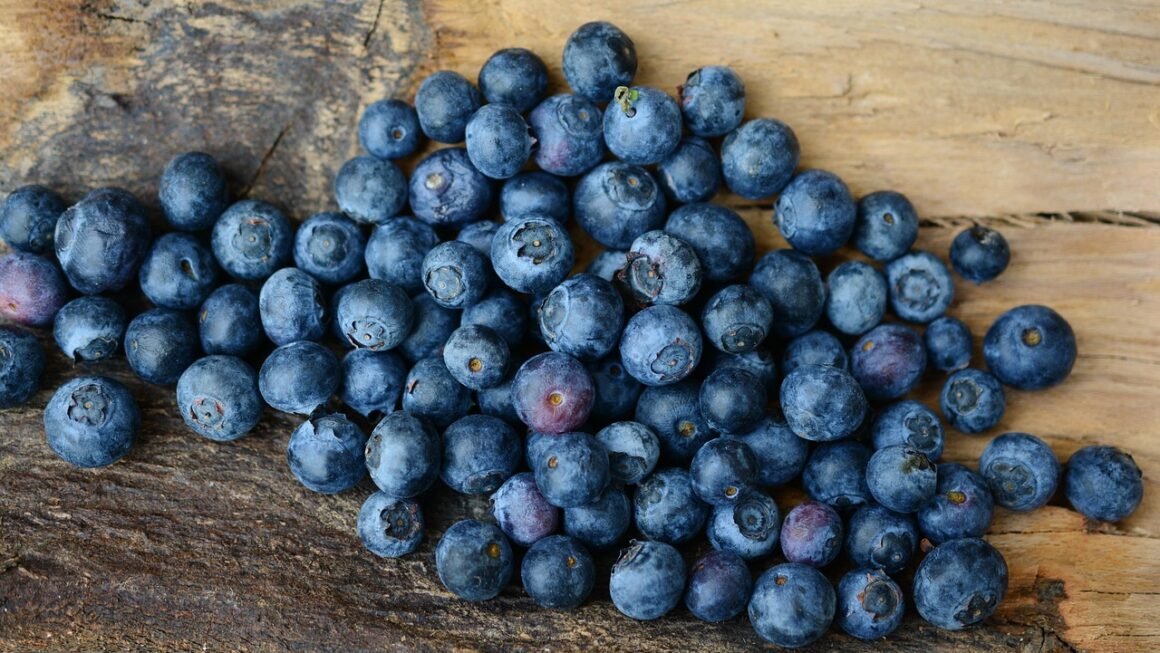
Imagine opening your refrigerator and knowing exactly what you’re going to cook, having all the ingredients ready, and feeling a sense of calm instead of the usual dinner-time panic. That’s the power of meal planning. It’s not just about saving time and money; it’s about taking control of your nutrition, reducing stress, and even minimizing food waste. This comprehensive guide will walk you through the steps to effective meal planning, providing you with the tools and knowledge to make it a seamless part of your routine.
Why Meal Planning Matters
Save Time and Reduce Stress
One of the biggest benefits of meal planning is the significant time savings. Think about it: how many times do you stand in front of the open fridge, wondering what to make for dinner? Meal planning eliminates that decision fatigue.
- Reduced Decision Fatigue: Pre-planning your meals means fewer last-minute decisions after a long day.
- Efficient Grocery Shopping: With a meal plan, you have a focused grocery list, so you only buy what you need, cutting down on unnecessary trips to the store.
- Streamlined Cooking: Knowing exactly what you’re cooking each night means less time spent figuring out recipes and gathering ingredients.
For example, instead of aimlessly wandering the grocery store for an hour, you’ll have a targeted list and be in and out in 30 minutes. That’s a valuable chunk of time saved!
Save Money and Reduce Food Waste
Food waste is a significant problem, both economically and environmentally. Meal planning can dramatically reduce the amount of food you throw away.
- Targeted Grocery Shopping: Buy only what you need for the week’s meals, reducing impulse purchases and potential spoilage.
- Utilize Leftovers: Plan meals that incorporate leftovers, transforming them into new and exciting dishes.
- Reduce Eating Out: When you have a plan, you’re less likely to resort to takeout or restaurant meals, which are generally more expensive.
Studies show that households throw away approximately 30-40% of the food they purchase. Meal planning helps you be more mindful of what you buy and ensures that it gets used.
Eat Healthier and Achieve Your Goals
Meal planning empowers you to make conscious food choices and align your diet with your health and fitness goals.
- Control Over Ingredients: You have complete control over what goes into your meals, allowing you to prioritize healthy, whole foods.
- Portion Control: Planning your meals in advance makes it easier to control portion sizes, which is crucial for weight management.
- Improved Nutritional Balance: You can ensure that your meals are well-balanced, providing you with the necessary vitamins, minerals, and macronutrients.
For instance, if your goal is to increase your protein intake, you can specifically plan meals that are rich in protein, like grilled chicken with quinoa and roasted vegetables.
Getting Started: Your Meal Planning Toolkit
Choosing Your Meal Planning Method
There are various ways to approach meal planning. Find the method that best suits your lifestyle and preferences.
- Themed Nights: Designate specific cuisines or types of meals for each night of the week (e.g., Taco Tuesday, Pasta Night on Wednesday). This simplifies the decision-making process.
- Batch Cooking: Prepare large quantities of meals on the weekend to be consumed throughout the week. This is a great option for busy individuals.
- Template Meal Plans: Create a set of go-to meal combinations that you can rotate through. This provides structure without being overly rigid.
- Digital Apps & Tools: Use meal planning apps or websites to organize recipes, create grocery lists, and track your nutritional intake. Examples include Plan to Eat, Mealime, and Paprika.
Experiment with different methods to see which one works best for you. You might even find a hybrid approach that combines elements from different strategies.
Essential Tools and Resources
Having the right tools can make the meal planning process much easier and more efficient.
- Recipe Organizer: A physical binder or a digital app (like Evernote or OneNote) to store your favorite recipes.
- Grocery List App: Apps like AnyList or Google Keep allow you to create and share grocery lists with family members.
- Calendar or Planner: To schedule your meals and grocery shopping trips.
- Measuring Cups and Spoons: For accurate portion control.
- Food Storage Containers: To store leftovers and pre-portioned meals.
Consider investing in a set of reusable containers for storing leftovers and pre-portioned meals. This is an eco-friendly and cost-effective option.
Creating Your Weekly Meal Plan
Step-by-Step Guide
This detailed guide will walk you through creating a simple and effective weekly meal plan.
- Take Inventory: Start by checking your pantry, refrigerator, and freezer to see what ingredients you already have on hand.
- Gather Recipes: Collect recipes that you want to try or revisit. Consider family favorites and recipes that use similar ingredients.
- Choose Your Meals: Select meals for each day of the week, taking into account your schedule, dietary needs, and preferences.
- Create a Grocery List: Based on your meal plan, create a detailed grocery list, categorizing items by section (e.g., produce, dairy, meat).
- Shop Smart: Stick to your grocery list to avoid impulse purchases. Shop when you’re not hungry to make healthier choices.
- Prep Ahead: Spend some time prepping ingredients (e.g., chopping vegetables, marinating meat) to save time during the week.
For example, on Sunday evening, you could chop all your vegetables for the week’s salads and stir-fries, saving you precious time during the week.
Theme Nights and Quick Meal Ideas
These are some ideas to simplify the meal planning process.
- Meatless Monday: Focus on vegetarian dishes like lentil soup, veggie burgers, or tofu stir-fry.
- Taco Tuesday: Make tacos with ground beef, chicken, or fish. Offer a variety of toppings to cater to different preferences.
- Pasta Night: Prepare a simple pasta dish with marinara sauce, pesto, or carbonara. Add vegetables or protein for a balanced meal.
- Soup and Salad: A light and refreshing option that’s perfect for warmer weather.
- Sheet Pan Dinners: Roast vegetables and protein (e.g., chicken, sausage, tofu) on a single sheet pan for easy cleanup.
Quick meal ideas include: quesadillas, scrambled eggs, sandwiches, or a simple salad with grilled chicken or fish.
Overcoming Common Meal Planning Challenges
Dealing with Picky Eaters
It can be challenging to meal plan when you have picky eaters in the family. Here are some tips to navigate this obstacle.
- Involve Them in the Process: Let picky eaters choose one or two meals for the week, giving them a sense of control.
- Offer Variations: Prepare a base meal and offer different toppings or sides to cater to individual preferences.
- Sneak in Vegetables: Grate vegetables into sauces, soups, or baked goods to boost their nutritional content without altering the flavor too much.
- Be Patient and Persistent: It may take time for picky eaters to try new foods. Don’t give up easily!
For example, you could make spaghetti with meat sauce and offer a side of steamed broccoli. If your child doesn’t want the broccoli, that’s okay. Just keep offering it regularly.
Staying Motivated and Consistent
It’s easy to lose motivation when meal planning becomes too time-consuming or overwhelming. Here are some strategies to stay on track.
- Start Small: Begin by planning just a few meals per week and gradually increase the number as you become more comfortable.
- Keep it Simple: Don’t try to make elaborate meals every night. Focus on simple, healthy recipes that you enjoy.
- Track Your Progress: Keep a record of your meal plans and grocery expenses to see how much time and money you’re saving.
- Reward Yourself: Celebrate your meal planning successes with a small reward, such as a new cookbook or a relaxing bath.
Remember, consistency is key. Even if you miss a week or two, don’t get discouraged. Just pick up where you left off and keep going.
Conclusion
Meal planning is a powerful tool that can transform your relationship with food, save you time and money, and improve your overall health. By following the steps outlined in this guide, you can create a meal planning routine that works for you and your family. Remember to start small, stay flexible, and celebrate your successes along the way. Embrace the journey, and you’ll soon discover the many benefits that meal planning has to offer. Happy planning!