Breaking a fast can be a pivotal moment, not just for your physical health but also for resetting your relationship with food. It’s not about immediately indulging in everything you’ve been craving, but rather reintroducing nutrients in a way that supports your body’s transition back to a regular eating schedule. This guide provides comprehensive and delicious fasting break ideas to help you nourish your body and mind safely and effectively.
Hydration is Key
Why Hydration Matters
Breaking your fast with hydration is crucial for reawakening your digestive system and replenishing fluids lost during the fasting period. Dehydration can lead to headaches, dizziness, and fatigue, hindering your body’s ability to properly absorb nutrients.
- Rehydration benefits:
Helps restore electrolyte balance.
Prepares the digestive system for food intake.
Supports metabolic function.
Reduces the risk of digestive discomfort.
Best Hydration Options
- Water: The simplest and most effective option. Start with small sips and gradually increase your intake.
- Electrolyte Water: If you were fasting for an extended period, electrolyte-enhanced water can help restore lost minerals like sodium, potassium, and magnesium. Look for options with minimal sugar.
- Bone Broth: A nutrient-rich option that is gentle on the stomach and provides essential amino acids and minerals. Look for low-sodium varieties.
- Herbal Tea: Opt for caffeine-free herbal teas like chamomile, peppermint, or ginger tea. They can aid digestion and soothe the stomach.
Example: A cup of warm ginger tea after a fast can help alleviate nausea and promote healthy digestion.
Gentle Introductions: Starting with Easily Digestible Foods
The Importance of Easily Digestible Foods
Introducing heavy or processed foods immediately after a fast can overwhelm your digestive system, leading to bloating, indigestion, and discomfort. Starting with easily digestible foods allows your body to gradually adjust to processing nutrients again.
- Benefits of easily digestible foods:
Minimizes digestive stress.
Promotes nutrient absorption.
Reduces the risk of discomfort.
Supports a gentle transition back to regular eating.
Food Choices for Your First Meal
- Fruits: Watermelon, berries (strawberries, blueberries), cantaloupe are excellent choices due to their high water content and natural sugars.
Example: A small bowl of sliced watermelon can provide hydration and essential vitamins.
- Cooked Vegetables: Steamed or boiled vegetables like carrots, spinach, or zucchini are gentle on the stomach and provide essential vitamins and minerals.
Example: Steamed spinach with a drizzle of olive oil is a nutritious and easily digestible option.
- Soups: Light, broth-based soups with small pieces of vegetables are a great way to reintroduce nutrients and fluids.
Example: Chicken broth with carrots and celery is a comforting and easily digestible option.
- Yogurt (Plain, Unsweetened): Provides probiotics that can aid digestion and support gut health. Ensure it is plain to avoid excessive sugar intake.
Example: A small portion of plain Greek yogurt can be a good source of protein and probiotics.
Protein and Healthy Fats: Building Blocks for Recovery
Why Protein and Healthy Fats Matter
While it’s important to start with easily digestible options, incorporating protein and healthy fats is essential for providing sustained energy, supporting cell repair, and promoting overall well-being after a fast.
- Benefits of protein and healthy fats:
Supports muscle recovery and repair.
Provides satiety and reduces cravings.
Supports hormone production.
Improves nutrient absorption.
Smart Choices for Protein and Healthy Fats
- Eggs: Scrambled or soft-boiled eggs are easily digestible and packed with protein and essential nutrients.
Example: Two scrambled eggs with a small amount of avocado can be a satisfying and nutritious meal.
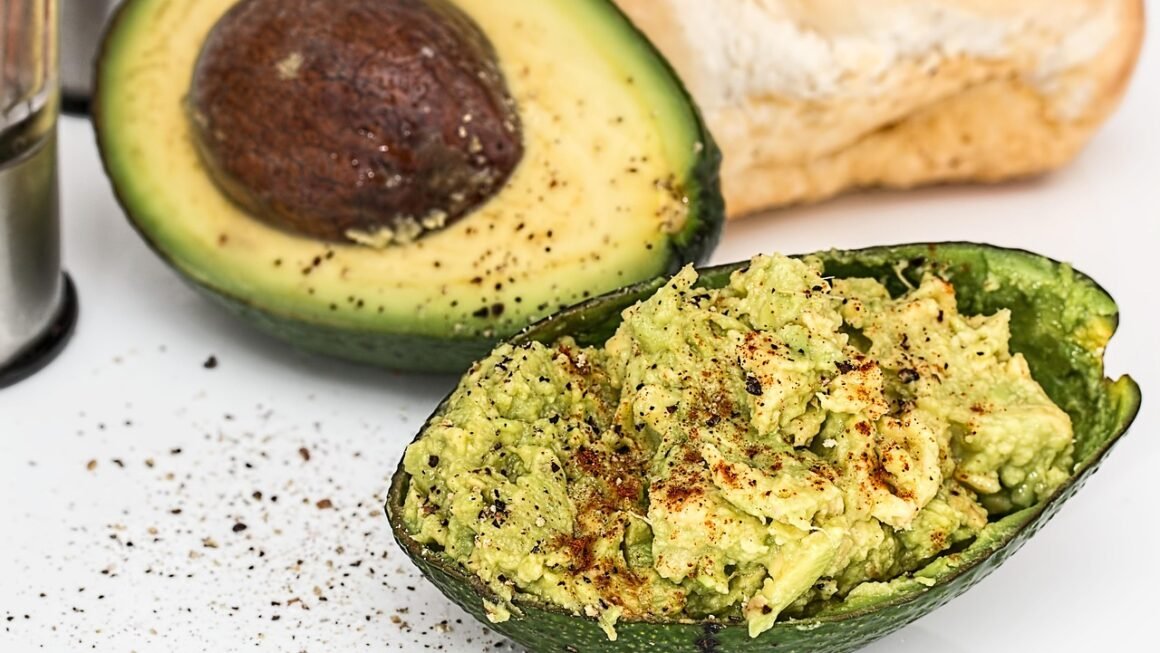
- Avocado: Provides healthy fats, fiber, and essential vitamins and minerals.
Example: Slices of avocado on whole-grain toast is a simple and nutritious option.
- Nuts and Seeds (in moderation): Almonds, chia seeds, and flaxseeds offer healthy fats, fiber, and protein. However, consume them in small quantities as they can be harder to digest in large amounts immediately after a fast.
Example: A tablespoon of chia seeds in a glass of water can provide fiber and omega-3 fatty acids.
- Lean Protein: Fish like salmon or cod provides high-quality protein and omega-3 fatty acids.
Example: A small portion of baked salmon with steamed vegetables can be a nourishing and easily digestible meal.
Avoiding Common Mistakes After Fasting
Foods to Avoid Immediately After Fasting
Certain foods can cause digestive distress and discomfort when consumed immediately after a fast.
- Foods to avoid:
Processed foods: High in sugar, unhealthy fats, and artificial additives.
Sugary drinks: Can cause a rapid spike in blood sugar, followed by a crash.
Fried foods: Difficult to digest and can cause bloating and indigestion.
Dairy (for some): Some individuals may experience lactose intolerance after fasting. Introduce dairy slowly.
Large portions: Overeating can overwhelm your digestive system. Start with small portions and gradually increase your intake.
Portion Control and Mindful Eating
- Portion sizes: Start with smaller portions than you normally would and gradually increase your intake over the next few days.
- Mindful eating: Pay attention to your body’s signals of hunger and fullness. Eat slowly and savor each bite.
- Hydration: Continue to drink plenty of water throughout the day to support digestion and overall health.
Actionable Tip: Use smaller plates to help control portion sizes and practice mindful eating techniques like chewing thoroughly and putting your fork down between bites.
Planning Your Re-Feeding Schedule
Gradual Reintroduction
Creating a structured re-feeding schedule can help ensure a smooth transition back to regular eating habits and prevent digestive issues.
- Day 1: Focus on hydration and easily digestible foods like fruits, cooked vegetables, and broth-based soups.
- Day 2: Gradually introduce protein and healthy fats, such as eggs, avocado, and nuts.
- Day 3: Begin to incorporate more complex carbohydrates and larger portions.
Example: Day 1: Watermelon slices and broth. Day 2: Scrambled eggs with avocado. Day 3: Baked sweet potato with grilled chicken.
Listening to Your Body
Pay attention to how your body responds to different foods and adjust your re-feeding schedule accordingly. If you experience any digestive discomfort, scale back and stick to easily digestible options.
It is critical to seek medical advice prior to starting any fasting program.
Conclusion
Breaking a fast is a crucial part of the fasting process, and doing it right can have a significant impact on your overall health and well-being. By prioritizing hydration, introducing easily digestible foods, incorporating protein and healthy fats, avoiding common mistakes, and planning a gradual re-feeding schedule, you can nourish your body and mind safely and effectively. Remember to listen to your body’s signals and adjust your approach as needed. With a little planning and mindful eating, you can make the most of your fasting experience and reap the numerous benefits it has to offer.