Breaking your fast can be a truly rewarding experience, not just physically, but also mentally and spiritually. Whether you’re practicing intermittent fasting, religious fasting, or detox-driven fasting, what you consume when you break your fast is crucial. Choosing the right foods and drinks can optimize the benefits of your fast and ensure a smooth transition back to regular eating. This post explores various fasting break ideas that will nourish your body, stabilize your blood sugar, and leave you feeling energized.
Understanding the Importance of a Proper Fasting Break
Why Breaking Your Fast Matters
Breaking a fast isn’t just about satisfying hunger; it’s about reintroducing nutrients to your body in a way that minimizes stress and maximizes absorption. A well-planned fasting break can prevent:
- Digestive discomfort: Avoid bloating, gas, and stomach upset.
- Blood sugar spikes: Maintain stable energy levels and prevent crashes.
- Nutrient deficiencies: Replenish essential vitamins and minerals.
- Metabolic shock: Gradually ease your body back into processing food.
Key Principles for a Successful Fasting Break
Before diving into specific food ideas, it’s important to understand the underlying principles that should guide your choices:
- Start small: Don’t overload your digestive system. Begin with smaller portions and gradually increase them over time.
- Focus on nutrient-dense foods: Choose foods packed with vitamins, minerals, and antioxidants.
- Hydrate properly: Water is essential for rehydration and digestion.
- Avoid processed foods and sugary drinks: These can cause rapid blood sugar spikes and undermine the benefits of your fast.
- Listen to your body: Pay attention to how different foods make you feel and adjust your diet accordingly.
Hydrating Smart: The Foundation of Your Fasting Break
The Importance of Rehydration
During a fast, your body may become dehydrated. Rehydrating is the first step to a successful fasting break.
- Water: Start with plain water to rehydrate your body.
- Electrolyte drinks: Consider electrolyte-rich drinks like coconut water or homemade electrolyte solutions (water, lemon juice, a pinch of sea salt, and a touch of honey) to replenish lost minerals.
- Herbal teas: Opt for caffeine-free herbal teas like chamomile, peppermint, or ginger for soothing and digestive benefits.
Drinks to Avoid
- Sugary sodas and juices: These can cause blood sugar spikes and crashes.
- Caffeinated beverages (initially): Coffee and energy drinks can be harsh on an empty stomach. Gradually reintroduce caffeine after your body has had time to adjust.
Gentle Digestion: Foods That Ease You Back In
Easily Digestible Options
After a period of fasting, your digestive system is more sensitive. Choose foods that are easy to digest to avoid discomfort.
- Bone broth: Rich in collagen and amino acids, bone broth is incredibly soothing and easy to digest.
Example: Simmer bones (beef, chicken, or fish) in water with vegetables and herbs for several hours.
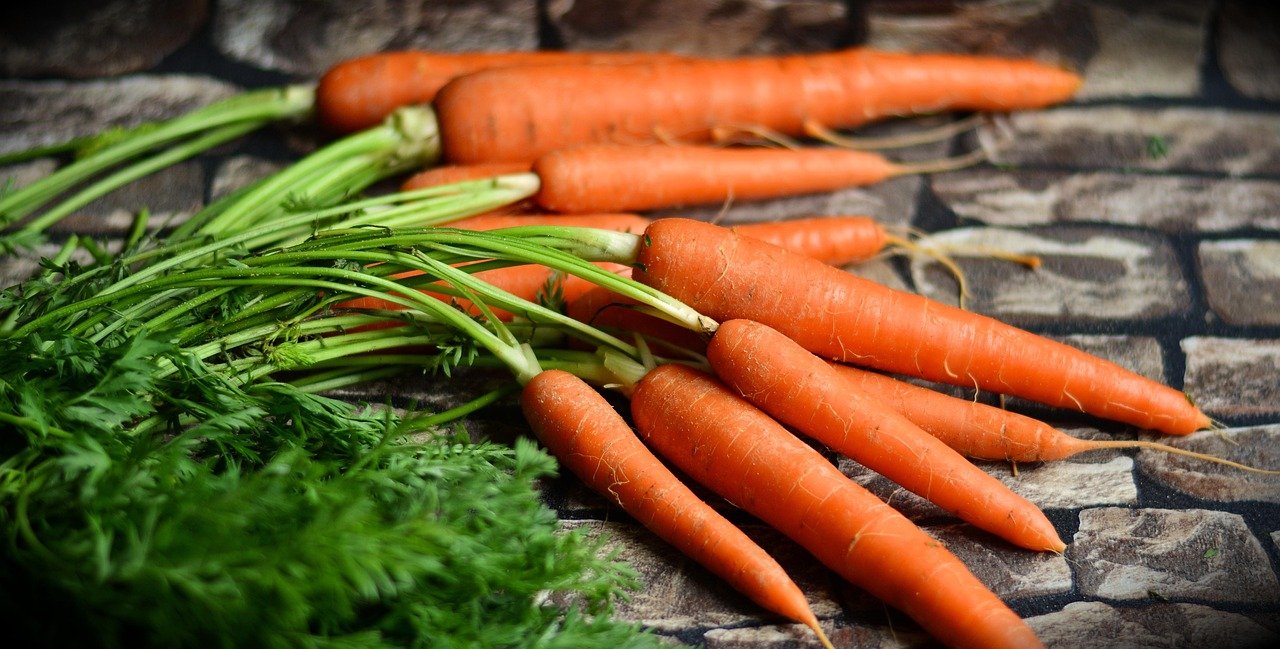
- Cooked vegetables: Steamed or boiled vegetables like carrots, sweet potatoes, and spinach are gentle on the stomach.
Example: A small bowl of steamed spinach with a drizzle of olive oil.
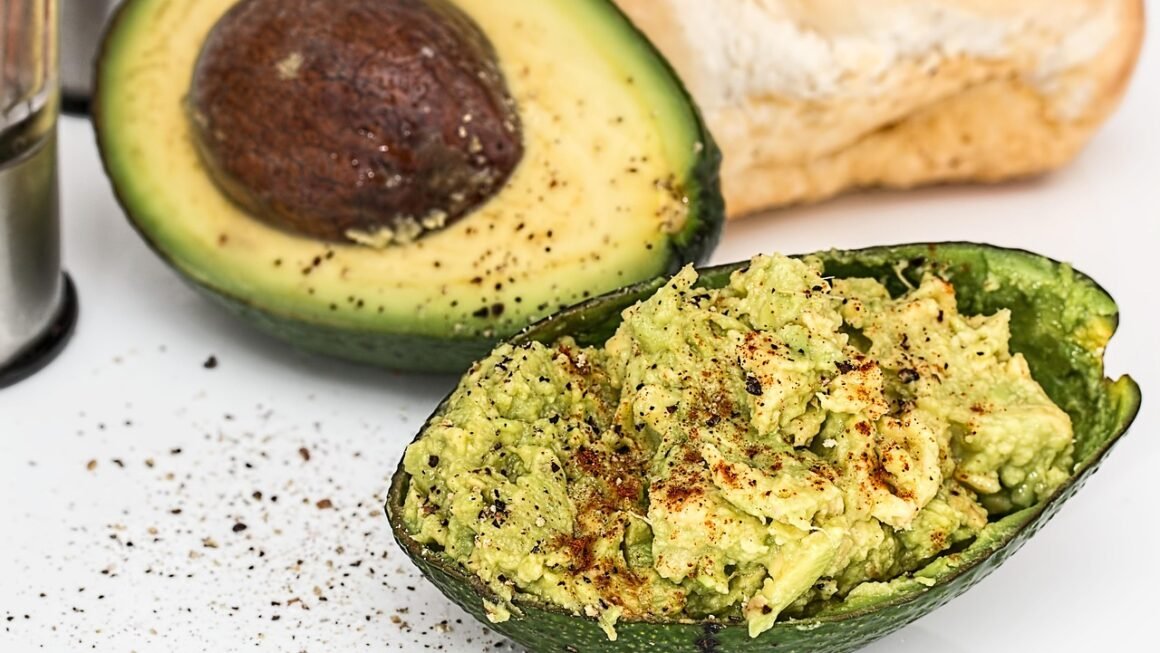
- Soft fruits: Fruits like berries, bananas, and avocado are easy to digest and provide essential vitamins and minerals.
Example: A few slices of banana or a handful of blueberries.
Portions and Preparation
- Start small: Begin with a small portion of the chosen food and gradually increase the amount over the next few hours.
- Cook thoroughly: Cooking vegetables and fruits makes them easier to digest.
- Chew slowly: Take your time and chew your food thoroughly to aid digestion.
Protein Power: Rebuilding and Repairing
The Role of Protein
Protein is essential for repairing tissues and supporting metabolic function. However, it’s crucial to introduce it gradually.
- Eggs: Scrambled or poached eggs are a good source of protein and easy on the stomach.
Example: One poached egg with a side of steamed spinach.
- Plain Greek yogurt: Provides protein and probiotics for gut health.
Example: A small serving of plain Greek yogurt with a few berries.
- Lean poultry: Boiled or shredded chicken or turkey breast.
Example: A small portion of shredded chicken breast with a side of cooked vegetables.
Avoiding Protein Overload
- Introduce protein gradually: Start with small amounts and monitor how your body responds.
- Choose lean sources: Opt for lean proteins to minimize fat intake.
- Combine with carbohydrates: Pairing protein with complex carbohydrates helps stabilize blood sugar levels.
Smart Carbs: Sustaining Energy Levels
Choosing the Right Carbohydrates
Carbohydrates provide energy and support metabolic function. However, it’s vital to choose complex carbohydrates over simple sugars.
- Oatmeal: Provides sustained energy and fiber.
Example: A small bowl of cooked oatmeal with a sprinkle of cinnamon.
- Quinoa: A complete protein and a good source of fiber.
Example: A small portion of cooked quinoa with steamed vegetables.
- Sweet potatoes: Provide complex carbohydrates and vitamins.
* Example: A small baked sweet potato (without butter or toppings)
Minimizing Sugar Intake
- Avoid processed foods: These are often high in sugar and refined carbohydrates.
- Opt for natural sweeteners: If needed, use small amounts of natural sweeteners like honey or maple syrup.
- Read labels carefully: Be mindful of hidden sugars in packaged foods.
Sample Fasting Break Meal Plans
Intermittent Fasting (16/8)
- First Meal (12:00 PM): Bone broth followed by a small portion of scrambled eggs and steamed vegetables.
- Second Meal (3:00 PM): Greek yogurt with berries and a handful of nuts.
- Third Meal (7:00 PM): Lean protein (chicken breast) with quinoa and cooked vegetables.
Extended Fast (24+ Hours)
- First Meal (Breaking Fast): Water and electrolytes followed by a small portion of bone broth.
- Second Meal (1-2 Hours Later): Steamed vegetables (carrots, spinach) and a small piece of avocado.
- Third Meal (3-4 Hours Later): Oatmeal with a small amount of fruit (berries or banana) and a drizzle of honey.
- Fourth Meal (6-8 Hours Later): Lean protein (poached egg) with a side of cooked vegetables and a small portion of quinoa.
Conclusion
Breaking a fast is a crucial part of the fasting process, and choosing the right foods can significantly impact your overall experience. By focusing on hydration, easily digestible foods, lean protein, and smart carbohydrates, you can ease your body back into regular eating and maximize the benefits of your fast. Remember to listen to your body, start small, and gradually increase your portions over time. With a well-planned fasting break, you can nourish your body, stabilize your blood sugar, and enjoy sustained energy levels.