Breaking your fast can be a deeply rewarding experience, both physically and mentally. Whether you’re practicing intermittent fasting, observing religious traditions like Ramadan, or engaging in longer-term fasting protocols for health reasons, the way you break your fast significantly impacts your well-being. Planning your “fasting break” meal, or your first meal post-fast, with intention will help you maximize the benefits of your fast and minimize any potential digestive discomfort. Let’s explore some smart and delicious ways to break your fast safely and effectively.
Understanding the Importance of a Proper Fasting Break
It’s tempting to dive into a large, indulgent meal after a period of fasting, but this can shock your digestive system and lead to bloating, discomfort, and even nausea. The key is to reintroduce food gradually and choose nutrient-rich options that are easy to digest.
Why a Gentle Approach Matters
- Digestive System Sensitivity: During a fast, your digestive system slows down. Suddenly overloading it can cause distress.
- Blood Sugar Spikes: Sugary or processed foods can lead to rapid blood sugar spikes, followed by crashes, leaving you feeling sluggish.
- Nutrient Absorption: Starting with nutrient-dense foods allows your body to efficiently absorb essential vitamins and minerals.
- Avoidance of Discomfort: Gentle refeeding minimizes common side effects like bloating, gas, and stomach cramps.
The Science Behind Refeeding
Refeeding syndrome is a potentially dangerous metabolic disturbance that can occur when food is reintroduced too quickly after a period of starvation or malnutrition. While it’s less common in short-term fasting, understanding the principles is crucial. The body shifts from using fat stores for energy back to using glucose. A sudden influx of glucose can lead to rapid shifts in electrolytes, potentially causing serious complications. This is why starting slowly and cautiously is always the best approach.
Best Food Choices for Breaking a Fast
The ideal foods for breaking a fast are those that are easy to digest, nutrient-dense, and help rehydrate your body. Avoid processed foods, sugary drinks, and excessive amounts of fat, especially saturated fat, immediately after a fast.
Hydrating Options
- Water: Rehydrate first and foremost. Sip slowly throughout the first hour.
- Bone Broth: Rich in electrolytes, collagen, and amino acids, bone broth is gentle on the stomach and replenishes lost nutrients. Example: Heat up a cup of homemade or store-bought bone broth and add a pinch of sea salt.
- Herbal Tea: Chamomile, ginger, or peppermint tea can soothe the digestive system. Avoid caffeinated teas, especially if you’re sensitive to caffeine.
- Coconut Water: Naturally hydrating and packed with electrolytes like potassium, coconut water is a refreshing choice. Look for unsweetened varieties.
Gentle Protein Sources
- Eggs: Scrambled eggs or a simple omelet are easy to digest and provide a good source of protein. Example: Prepare two scrambled eggs with a small amount of olive oil and a pinch of salt and pepper.
- Lean Fish: Steamed or baked white fish like cod or tilapia is a light and easily digestible protein source. Avoid fried fish.
- Small Portion of Chicken Breast: A small, plain portion of cooked chicken breast can provide a protein boost without overwhelming the digestive system.
Easily Digestible Carbohydrates
- Cooked Vegetables: Steamed or lightly sautéed vegetables like spinach, carrots, or zucchini are gentle on the stomach and provide essential vitamins and minerals. Example: Steam a cup of chopped zucchini with a drizzle of olive oil.
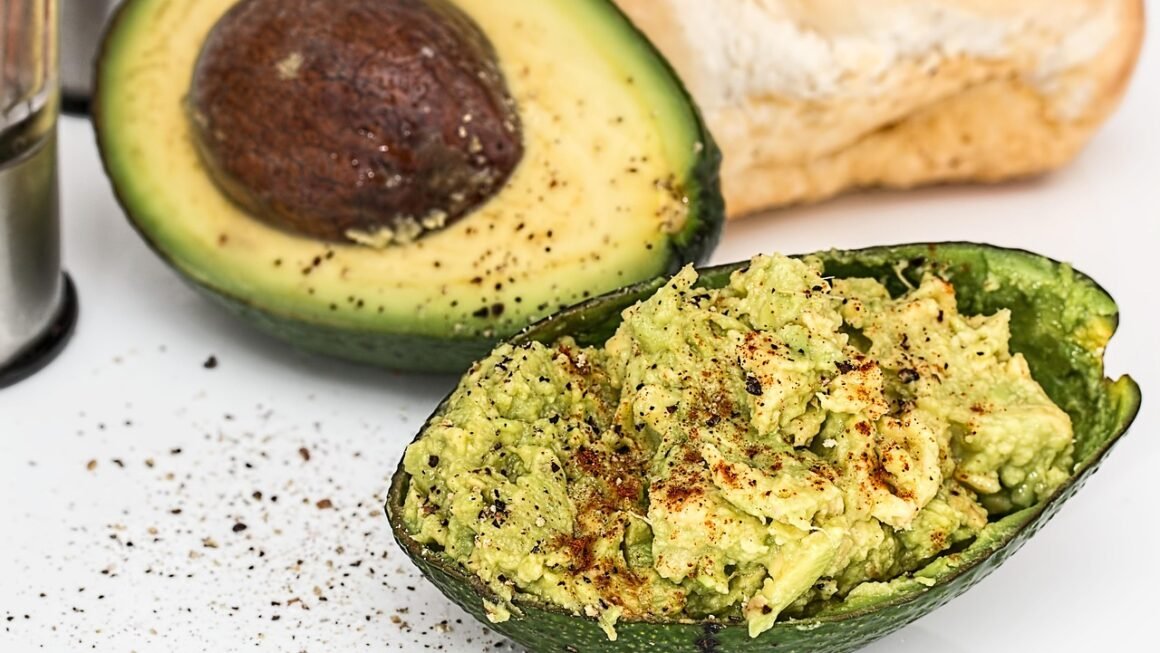
- Avocado: A source of healthy fats and fiber, avocado is a good choice in small amounts.
- Fruits: Watermelon, berries and cantaloupe are good options.
- Sweet Potato: Cooked and mashed sweet potato is a gentle source of carbohydrates and fiber. Example: Bake a small sweet potato until soft and mash it with a little cinnamon.
Foods to Avoid After a Fast
Certain foods are best avoided immediately after a fast as they can cause digestive distress and negate the benefits of your fasting period.
High-Fat Foods
- Fried Foods: French fries, fried chicken, and other fried foods are difficult to digest and can cause bloating and indigestion.
- Processed Foods: These often contain unhealthy fats, sugars, and additives that can disrupt your gut health.
Sugary Foods and Drinks
- Soda: High in sugar and artificial sweeteners, soda can lead to rapid blood sugar spikes and crashes.
- Juice: While juice might seem healthy, it’s often high in sugar and lacks the fiber of whole fruits.
- Candy and Desserts: These can cause blood sugar imbalances and digestive discomfort.
Hard to Digest Foods
- Raw Vegetables: They can be difficult to digest. Stick to cooked vegetables initially.
- Legumes: Beans and lentils can cause gas and bloating, especially after a fast. Introduce them gradually.
- Cruciferous Vegetables: Broccoli, cauliflower, and cabbage can be hard to digest for some people.
Sample Fasting Break Meal Plans
Here are a few sample meal plans tailored to different fasting durations and individual preferences. Remember to adjust portion sizes based on your needs and tolerance.
Short-Term Fast (12-16 hours)
- Option 1: Scrambled eggs (2) with steamed spinach and a small slice of whole-wheat toast.
- Option 2: Greek yogurt (plain, unsweetened) with a handful of berries and a sprinkle of chia seeds.
- Option 3: A bowl of bone broth with a few shredded pieces of cooked chicken breast.
Intermediate Fast (18-24 hours)
- Option 1: A small serving of baked salmon with steamed asparagus and a quarter of an avocado.
- Option 2: A smoothie made with coconut water, spinach, protein powder, and a handful of berries.
- Option 3: A cup of lentil soup (well-cooked) with a side of steamed carrots.
Extended Fast (24+ hours)
- Day 1:
Meal 1: Bone broth (1 cup) with a pinch of sea salt.
Meal 2 (2 hours later): Scrambled eggs (1) with a small amount of cooked vegetables.
* Meal 3 (2 hours later): A small portion of baked chicken breast with a half cup of mashed sweet potato.
- Day 2: Gradually reintroduce more variety and larger portions, focusing on whole, unprocessed foods. Continue to avoid high-fat and sugary foods.
Listening to Your Body
Ultimately, the best way to break your fast is to listen to your body’s signals. Pay attention to how you feel after eating and adjust your food choices and portion sizes accordingly.
Signs of a Good Fasting Break
- Feeling satisfied but not overly full.
- Gradual increase in energy levels.
- No digestive discomfort or bloating.
Signs to Slow Down
- Bloating, gas, or stomach cramps.
- Nausea or vomiting.
- Headache or dizziness.
If you experience any of these negative symptoms, reduce your portion sizes and focus on easily digestible foods and fluids. Consult with a healthcare professional or registered dietitian if you have any concerns.
Conclusion
Breaking your fast mindfully is just as important as the fast itself. By choosing the right foods, hydrating adequately, and listening to your body, you can maximize the benefits of your fasting routine and avoid potential digestive issues. Remember to start slowly, prioritize nutrient-dense options, and gradually reintroduce more variety into your diet. With a little planning and attention, you can make your fasting break a positive and nourishing experience.