Breaking a fast, whether it’s intermittent fasting, a religious fast, or a medically supervised cleanse, requires careful consideration to ensure you’re nourishing your body effectively and avoiding digestive upset. It’s not just about eating; it’s about how you eat. This post provides practical ideas and tips to help you break your fast safely and deliciously, setting you up for continued success.
Understanding the Importance of a Gentle Re-Feed
Why a Gentle Approach Matters
Breaking a fast abruptly with a large, heavy meal can shock your digestive system. This can lead to bloating, gas, nausea, and even more serious complications like refeeding syndrome, especially after prolonged fasting. A gradual reintroduction of food allows your body to readjust its digestive processes.
- Reduced Digestive Discomfort: Minimizes bloating, gas, and stomach cramps.
- Improved Nutrient Absorption: Allows your body to efficiently absorb essential nutrients.
- Prevention of Refeeding Syndrome: Crucial for longer fasts, this condition can be life-threatening.
- Sustainable Eating Habits: Encourages mindful eating and prevents overeating.
The Science Behind It
During fasting, your digestive system slows down, enzyme production decreases, and your gut microbiome composition can shift. Introducing food slowly allows these processes to gradually reactivate. A gentle approach provides the necessary enzymes and nutrients to support this process without overwhelming your system.
Initial Fast-Breaking Foods: The First Bites
Easy-to-Digest Options
The first meal after a fast should consist of foods that are easy to digest and gentle on the stomach. These options are typically low in fiber and fat and rich in nutrients.
- Bone Broth: Rich in collagen and easily digestible amino acids, supporting gut health. Start with a small cup (8-12 ounces) slowly sipped.
- Cooked Vegetables: Steamed or boiled vegetables like carrots, spinach, or zucchini are easily broken down.
- Fruits: Water-rich fruits like watermelon, cantaloupe, or berries provide hydration and natural sugars. A small portion (e.g., ½ cup of berries) is ideal.
- Fermented Foods: Small amounts of unsweetened yogurt or kefir can help repopulate beneficial gut bacteria. A few tablespoons suffice.
Portion Control is Key
Regardless of the chosen food, portion control is essential. Overeating after a fast is a common mistake. Begin with a small serving and wait 20-30 minutes to assess your hunger levels before consuming more.
- Start Small: Think 1/4 to 1/3 of your normal meal size.
- Listen to Your Body: Pay attention to fullness cues and avoid overeating.
- Hydrate Adequately: Drink plenty of water between bites to aid digestion.
Building Your Meals: The Subsequent Foods
Introducing Protein and Healthy Fats
Once your body has tolerated the initial foods, you can gradually introduce protein and healthy fats. These macronutrients are crucial for satiety and overall health.
- Lean Protein: Easily digestible options include chicken breast, fish (salmon, cod), tofu, or eggs. Opt for steamed, baked, or poached preparations.
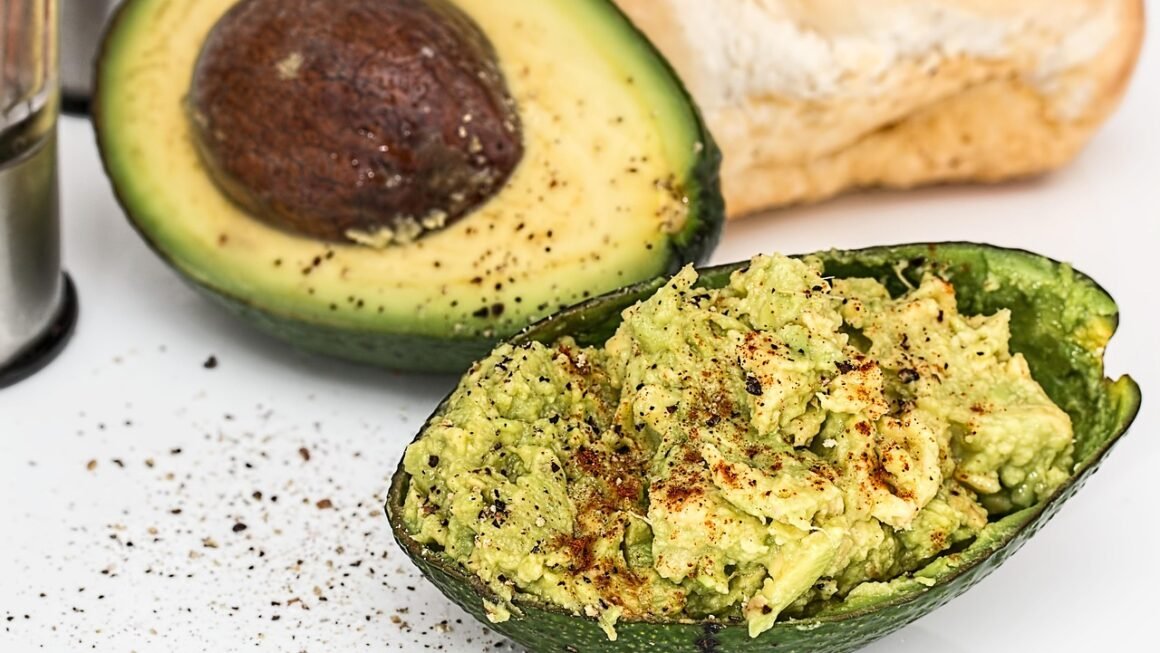
- Healthy Fats: Avocado, nuts (almonds, walnuts), and seeds (chia, flax) provide essential fatty acids. Start with small portions, such as a quarter of an avocado or a tablespoon of nuts.
- Complex Carbohydrates: Whole grains like brown rice, quinoa, or sweet potatoes offer sustained energy. Choose small servings cooked simply.
Combining Food Groups for Balanced Nutrition
Combining these food groups will help you create balanced and nourishing meals.
- Example Meal: A small portion of grilled chicken breast with steamed green beans and a small serving of quinoa.
- Another Example: Scrambled eggs with spinach and half an avocado.
- Focus on Nutrient Density: Prioritize foods rich in vitamins, minerals, and antioxidants.
What to Avoid When Breaking a Fast
Foods to Steer Clear Of
Certain foods can cause digestive distress and should be avoided when breaking a fast.
- Processed Foods: High in sugar, unhealthy fats, and artificial additives.
- Fried Foods: Difficult to digest and can cause discomfort.
- High-Sugar Foods: Can lead to rapid blood sugar spikes and crashes.
- Dairy (for some): Lactose intolerance may be exacerbated after a fast. Start with small amounts of fermented dairy or dairy alternatives.
- Excessively Spicy Foods: Can irritate the digestive tract.
Why Avoidance is Important
These foods can disrupt the delicate balance of your digestive system and undo the benefits of your fast. They can cause inflammation, bloating, and even trigger cravings.
Hydration Strategies
The Importance of Rehydration
Fasting can often lead to dehydration, making rehydration a crucial aspect of breaking your fast.
- Water: The cornerstone of rehydration. Drink plenty of water throughout the day.
- Electrolyte Drinks: Replenish essential minerals lost during fasting. Options include natural coconut water or homemade electrolyte solutions (water with a pinch of sea salt and lemon juice).
- Herbal Teas: Soothing and hydrating, such as chamomile or ginger tea.
Practical Hydration Tips
- Sip Slowly: Avoid gulping large amounts of liquid.
- Carry a Water Bottle: Make it easy to stay hydrated throughout the day.
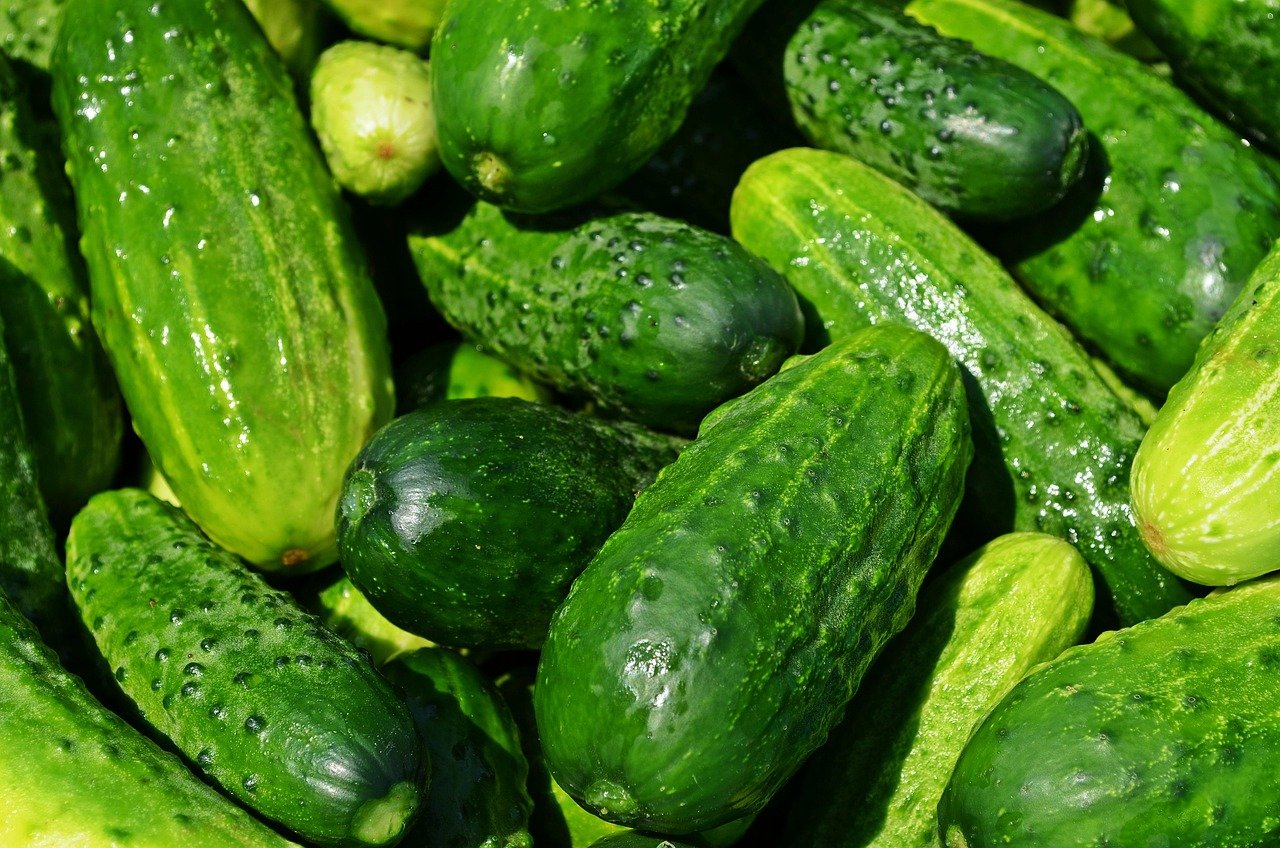
- Infuse Your Water: Add fruits or herbs for flavor and added nutrients (cucumber, lemon, mint).
Conclusion
Breaking a fast is an important process that requires a thoughtful and gentle approach. By understanding the needs of your digestive system and following these guidelines, you can ensure a comfortable and effective re-feed. Remember to prioritize easily digestible foods, control portion sizes, stay hydrated, and avoid potentially problematic foods. This mindful approach will allow you to reap the full benefits of your fast while supporting your overall health and well-being.