Gaining weight, especially when striving for muscle gain, is often perceived as easier than losing weight, but it requires a strategic approach just the same. It’s not about loading up on junk food; instead, a healthy and sustainable weight gain journey involves understanding your body’s needs, optimizing your diet, and consistently making informed food choices. This guide provides a comprehensive overview of how to effectively and healthily gain weight through diet, focusing on nutrient-dense foods and smart eating habits.
Understanding Healthy Weight Gain
Caloric Surplus: The Foundation
To gain weight, you need to consume more calories than your body burns. This is called a caloric surplus. A good starting point is to aim for a 250-500 calorie surplus per day. This typically translates to a gain of 0.5-1 pound per week.
- Example: If you currently consume 2000 calories daily to maintain your weight, try increasing your intake to 2250-2500 calories.
- Tracking is Key: Use a food tracking app or journal to monitor your calorie intake and ensure you are consistently in a surplus.
- Individual Variation: The ideal caloric surplus varies based on metabolism, activity level, and body composition. Experiment to find what works best for you.
The Importance of Macronutrients
While calories are crucial, the source of those calories matters just as much. Focusing on the right balance of macronutrients – protein, carbohydrates, and fats – is essential for healthy weight gain, especially if you’re aiming to build muscle.
- Protein: Essential for muscle repair and growth. Aim for 1.2-2.0 grams of protein per kilogram of body weight daily.
Example: A person weighing 70kg should consume 84-140 grams of protein daily.
- Carbohydrates: Provide energy for workouts and replenish glycogen stores. Focus on complex carbohydrates.
Example: Brown rice, quinoa, oats, sweet potatoes.
- Fats: Important for hormone production and overall health. Choose healthy fats.
Example: Avocados, nuts, seeds, olive oil.
- Macronutrient Ratio: A balanced ratio for weight gain could be 40% carbohydrates, 30% protein, and 30% fats, but individual needs may vary.
Best Foods for Healthy Weight Gain
Protein-Rich Powerhouses
Incorporating protein into every meal is crucial for muscle growth. Here are some excellent sources:
- Lean Meats: Chicken breast, turkey breast, lean beef cuts (sirloin, flank).
- Fish: Salmon, tuna, cod. Rich in omega-3 fatty acids and protein.
- Eggs: A complete protein source that’s versatile and affordable.
- Dairy Products: Greek yogurt, cottage cheese, milk, cheese.
- Plant-Based Options: Lentils, chickpeas, beans, tofu, tempeh, edamame.
- Protein Supplements: Whey protein, casein protein, plant-based protein powders. Convenient for adding protein to shakes and meals.
Carbohydrate Champions
Carbohydrates provide the energy needed to fuel workouts and support muscle growth. Opt for complex, nutrient-dense options:
- Whole Grains: Brown rice, quinoa, oats, whole wheat bread, whole wheat pasta.
- Starchy Vegetables: Sweet potatoes, potatoes, corn, peas.
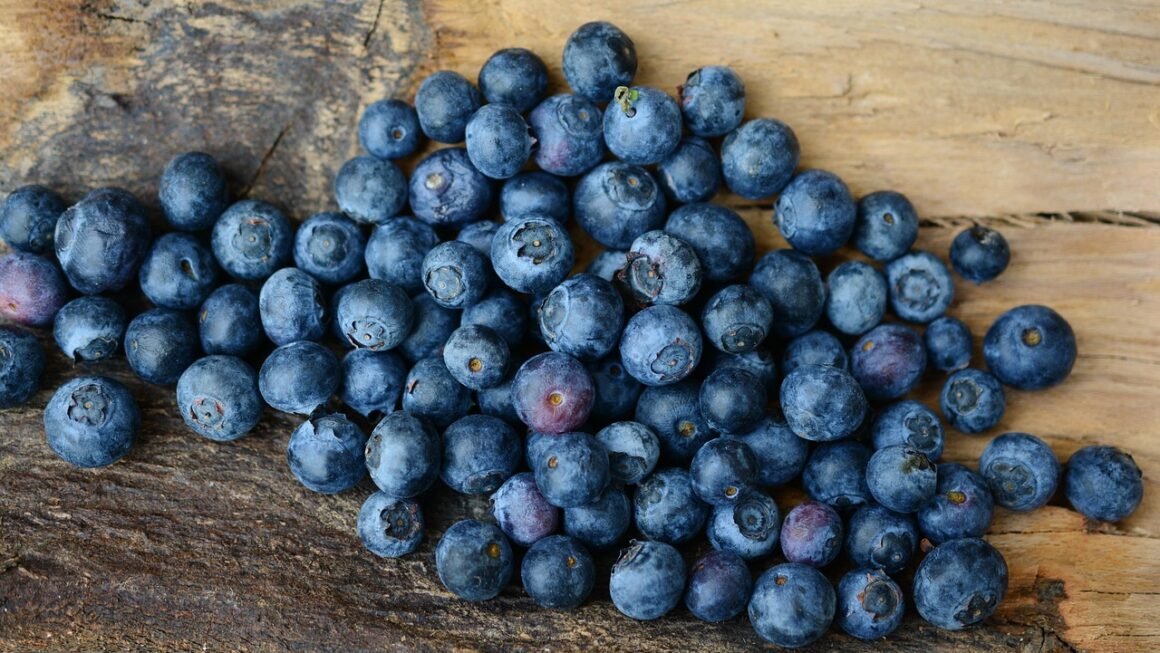
- Fruits: Bananas, berries, apples, oranges. Provide vitamins, minerals, and fiber.
- Legumes: Beans, lentils, chickpeas. Good sources of both carbohydrates and protein.
Healthy Fats for Optimal Function
Healthy fats are essential for hormone production, nutrient absorption, and overall health. Incorporate these into your diet:
- Avocados: Rich in monounsaturated fats, fiber, and vitamins.
- Nuts and Seeds: Almonds, walnuts, chia seeds, flax seeds.
- Olive Oil: Use for cooking and salad dressings.
- Fatty Fish: Salmon, mackerel, sardines. Excellent sources of omega-3 fatty acids.
- Nut Butters: Peanut butter, almond butter. Choose natural varieties without added sugars or oils.
Meal Planning for Weight Gain
Sample Meal Plan
This is a sample meal plan to illustrate how to incorporate the principles discussed above. Adjust portion sizes based on your individual caloric needs.
- Breakfast: Oatmeal with berries, nuts, and a scoop of protein powder.
- Mid-Morning Snack: Greek yogurt with fruit and granola.
- Lunch: Chicken breast with quinoa and steamed vegetables.
- Afternoon Snack: Peanut butter on whole wheat bread.
- Dinner: Salmon with sweet potato and green beans.
- Evening Snack: Casein protein shake or a handful of almonds.
Tips for Meal Frequency and Timing
- Eat Frequently: Aim for 5-6 smaller meals throughout the day to ensure a steady supply of nutrients.
- Pre-Workout Meal: Consume a carbohydrate-rich meal 1-2 hours before your workout to fuel your muscles.
- Post-Workout Meal: Consume a combination of protein and carbohydrates within 30-60 minutes after your workout to replenish glycogen stores and promote muscle recovery.
Example: A protein shake with a banana or a chicken breast with brown rice.
- Don’t Skip Breakfast: Breakfast is crucial for jumpstarting your metabolism and providing energy for the day.
Hydration is Key
- Drink Plenty of Water: Aim for at least 8 glasses of water per day to support overall health and muscle function.
- Avoid Sugary Drinks: Soda, juice, and sweetened beverages can contribute to unhealthy weight gain and provide empty calories.
Smart Strategies for Maximizing Weight Gain
Prioritize Compound Exercises
While diet is key, exercise plays a vital role in ensuring that the weight you gain is primarily muscle mass. Focus on compound exercises that work multiple muscle groups simultaneously.
- Squats: The king of exercises for lower body strength and overall muscle growth.
- Deadlifts: Works almost every muscle in the body and promotes significant muscle growth.
- Bench Press: Targets the chest, shoulders, and triceps.
- Overhead Press: Works the shoulders, triceps, and upper back.
- Rows: Targets the back and biceps.
Progressive Overload
To continue building muscle, you need to progressively increase the weight, reps, or sets you lift over time. This is known as progressive overload.
- Gradual Increases: Start with a weight you can comfortably lift for 8-12 reps and gradually increase the weight as you get stronger.
- Track Your Progress: Keep a workout journal to monitor your progress and ensure you are consistently challenging yourself.
Get Enough Rest
Rest and recovery are just as important as diet and exercise. Aim for 7-9 hours of sleep per night to allow your body to repair and rebuild muscle tissue.
- Avoid Overtraining: Give your body adequate rest between workouts to prevent injuries and burnout.
- Active Recovery: Incorporate active recovery days into your routine, such as light cardio or stretching, to improve blood flow and reduce muscle soreness.
Addressing Common Challenges
Difficulty Eating Enough
Some people struggle to consume enough calories to gain weight. Here are some strategies to overcome this challenge:
- Liquid Calories: Smoothies and protein shakes can be an easy way to add extra calories to your diet.
- High-Calorie Snacks: Keep high-calorie snacks on hand, such as nuts, seeds, and avocados.
- Increase Portion Sizes: Gradually increase the portion sizes of your meals.
- Eat More Frequently: Aim for 5-6 smaller meals throughout the day instead of 3 large meals.
Healthy vs. Unhealthy Weight Gain
It’s important to focus on healthy weight gain, which involves building muscle and minimizing fat gain. Avoid processed foods, sugary drinks, and excessive amounts of unhealthy fats.
- Focus on Nutrient-Dense Foods: Prioritize whole, unprocessed foods that provide essential vitamins, minerals, and antioxidants.
- Limit Processed Foods: Avoid foods that are high in sugar, unhealthy fats, and sodium.
- Monitor Body Composition: Track your body fat percentage and muscle mass to ensure you are gaining weight in a healthy way.
Conclusion
Gaining weight healthily is a journey that requires a strategic approach, focusing on a caloric surplus, balanced macronutrient intake, and consistent exercise. By prioritizing nutrient-dense foods, planning your meals effectively, and incorporating smart strategies like progressive overload and adequate rest, you can achieve your weight gain goals in a sustainable and healthy way. Remember to listen to your body, adjust your plan as needed, and consult with a healthcare professional or registered dietitian for personalized guidance.