Are you feeling sluggish, battling constant cravings, or just not firing on all cylinders? The secret to unlocking optimal health and vitality might be simpler than you think: focusing on a nutrient-dense diet. It’s not about deprivation or restrictive eating; it’s about fueling your body with foods packed with essential vitamins, minerals, antioxidants, and phytonutrients. This blog post will delve into the ins and outs of nutrient density, providing you with the knowledge and tools to transform your plate and your well-being.
What is a Nutrient-Dense Diet?
Defining Nutrient Density
Nutrient density refers to the amount of beneficial nutrients a food contains in relation to its caloric content. Foods high in nutrients but relatively low in calories are considered nutrient-dense. Think leafy greens, lean proteins, and vibrant fruits and vegetables. They provide a wealth of vitamins, minerals, and other health-promoting compounds without packing on unnecessary calories.
Why Focus on Nutrient Density?
Prioritizing nutrient-dense foods offers a cascade of benefits:
- Improved Energy Levels: A diet rich in vitamins and minerals fuels your body’s energy production at a cellular level.
- Weight Management: Nutrient-dense foods tend to be more filling, helping you feel satisfied with fewer calories and reducing cravings for less healthy options.
- Enhanced Immune Function: Vitamins and minerals like vitamin C, vitamin D, and zinc are crucial for a robust immune system, protecting you from illness.
- Reduced Risk of Chronic Diseases: Nutrient-rich foods are packed with antioxidants and phytonutrients that combat inflammation and oxidative stress, reducing the risk of heart disease, type 2 diabetes, and certain cancers.
- Better Cognitive Function: Essential nutrients support brain health, improving memory, focus, and overall cognitive function.
Studies show that individuals consuming a more nutrient-dense diet tend to have better overall health outcomes and a lower risk of developing chronic diseases.
Key Components of a Nutrient-Dense Diet
Vegetables: The Cornerstone
Vegetables are nutritional powerhouses, offering a wide array of vitamins, minerals, fiber, and antioxidants. Aim to fill at least half of your plate with a variety of colorful vegetables at each meal.
- Leafy Greens: Spinach, kale, and collard greens are excellent sources of vitamins A, C, K, and folate. They’re incredibly versatile and can be added to smoothies, salads, or stir-fries.
- Cruciferous Vegetables: Broccoli, cauliflower, and Brussels sprouts contain compounds that may help prevent cancer. Roasting them brings out their natural sweetness.
- Colorful Vegetables: Bell peppers, carrots, and beets are rich in antioxidants and phytonutrients. Enjoy them raw, roasted, or grilled.
Actionable Tip: Keep pre-cut vegetables on hand for easy snacking and meal preparation. This makes it easier to incorporate more vegetables into your daily routine.
Fruits: Nature’s Candy
Fruits provide essential vitamins, minerals, and fiber, along with natural sweetness. Choose whole fruits over fruit juices to maximize fiber intake and avoid added sugars.
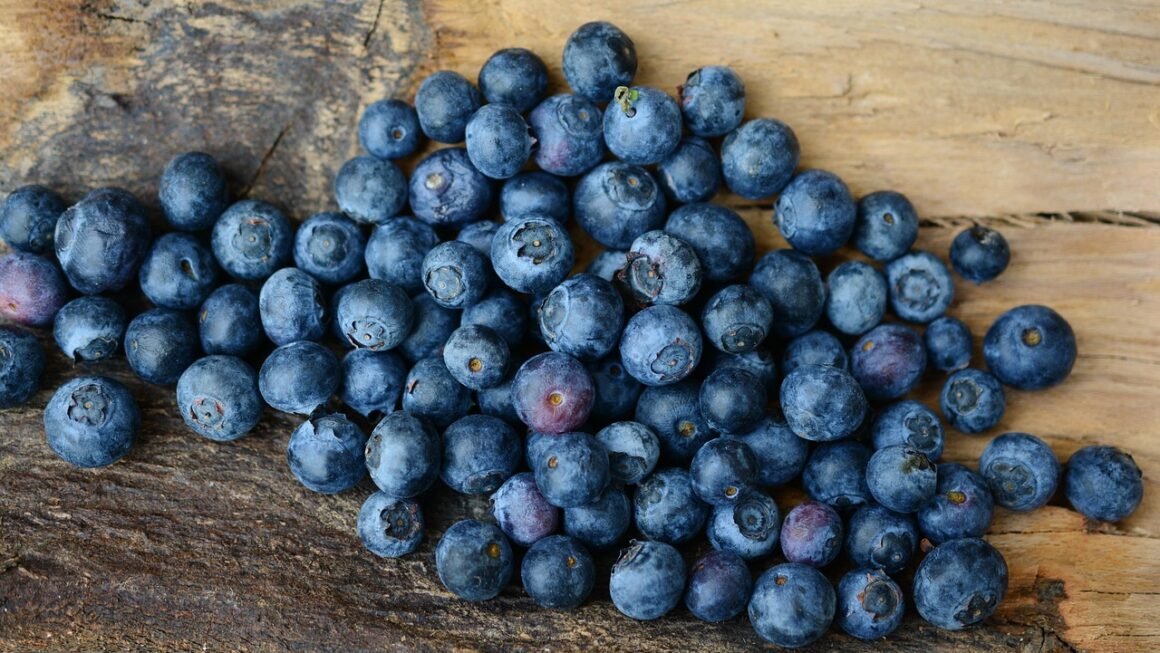
- Berries: Blueberries, raspberries, and strawberries are packed with antioxidants that protect against cell damage.
- Citrus Fruits: Oranges, grapefruits, and lemons are excellent sources of vitamin C, which boosts immunity.
- Stone Fruits: Peaches, plums, and cherries are rich in vitamins and minerals.
Actionable Tip: Add berries to your yogurt or oatmeal, or snack on an apple with a handful of nuts for a satisfying and nutritious treat.
Lean Proteins: Building Blocks for Health
Protein is essential for building and repairing tissues, supporting muscle mass, and keeping you feeling full and satisfied. Choose lean protein sources to minimize saturated fat intake.
- Poultry: Chicken and turkey (skinless) are excellent sources of lean protein.
- Fish: Salmon, tuna, and cod are rich in omega-3 fatty acids, which are beneficial for heart health and brain function. Aim for at least two servings of fatty fish per week.
- Legumes: Beans, lentils, and chickpeas are plant-based sources of protein and fiber.
- Lean Meats: Select lean cuts of beef and pork, trimmed of excess fat.
Actionable Tip: Incorporate a serving of protein into each meal to help regulate blood sugar levels and promote satiety.
Whole Grains: Fiber-Rich Energy
Whole grains provide complex carbohydrates, fiber, and essential nutrients. Choose whole grains over refined grains to maximize nutritional benefits.
- Oats: A great source of soluble fiber, which helps lower cholesterol.
- Quinoa: A complete protein source and rich in minerals.
- Brown Rice: Provides sustained energy and fiber.
- Whole Wheat Bread: Choose varieties with a high fiber content and minimal added sugars.
Actionable Tip: Opt for whole grain bread, pasta, and rice over their refined counterparts. Look for “whole grain” listed as the first ingredient on the label.
Healthy Fats: Essential for Absorption and Function
Healthy fats are crucial for brain health, hormone production, and the absorption of fat-soluble vitamins. Choose unsaturated fats over saturated and trans fats.
- Avocados: Rich in healthy monounsaturated fats, fiber, and vitamins.
- Nuts and Seeds: Almonds, walnuts, chia seeds, and flax seeds are excellent sources of healthy fats, fiber, and minerals.
- Olive Oil: Use extra virgin olive oil for cooking and salad dressings.
- Fatty Fish: As mentioned above, salmon, tuna, and mackerel are rich in omega-3 fatty acids.
Actionable Tip: Add a handful of nuts or seeds to your salad or yogurt, or drizzle olive oil over your vegetables for a boost of healthy fats.
How to Transition to a Nutrient-Dense Diet
Start Small and Gradual
Making drastic changes to your diet can be overwhelming and unsustainable. Start by making small, gradual changes each week. For example, swap out sugary drinks for water, add a side of vegetables to your meals, or choose whole grains over refined grains.
Plan Your Meals
Meal planning can help you stay on track and make healthier choices. Take some time each week to plan your meals and snacks, and create a grocery list based on your meal plan.
Read Food Labels Carefully
Pay attention to the nutrition facts panel and ingredient list. Look for foods that are high in vitamins, minerals, and fiber, and low in added sugars, saturated fat, and sodium.
Cook at Home More Often
Cooking at home allows you to control the ingredients and portion sizes. Experiment with new recipes and find healthy meals that you enjoy.
Stay Hydrated
Drinking plenty of water is essential for overall health and can also help you feel full and satisfied. Aim for at least eight glasses of water per day.
Overcoming Challenges to Nutrient Density
Budget Constraints
Eating healthy doesn’t have to break the bank. Buy seasonal produce, shop at farmers’ markets, and cook at home more often. Beans, lentils, and whole grains are also affordable and nutritious options.
Time Constraints
Meal prepping on the weekends can save you time during the week. Prepare large batches of healthy meals and snacks that you can easily grab and go. Utilize frozen fruits and vegetables, which are just as nutritious as fresh and can be stored for longer.
Picky Eaters
Involve picky eaters in meal planning and preparation. Offer a variety of healthy options and let them choose what they want to eat. Try hiding vegetables in sauces or smoothies. Be patient and persistent, and don’t give up!
Conclusion
Prioritizing a nutrient-dense diet is a powerful investment in your long-term health and well-being. By focusing on whole, unprocessed foods packed with essential vitamins, minerals, and antioxidants, you can experience increased energy levels, improved immune function, reduced risk of chronic diseases, and enhanced overall vitality. Start with small, gradual changes, plan your meals, and cook at home more often. Embrace the journey towards a more nutrient-rich lifestyle and unlock your full potential.