Fueling your body with the right nutrients is paramount for optimal health, energy, and overall well-being. Ditching the processed foods and embracing a nutrient-dense diet is one of the most powerful investments you can make in yourself. But what exactly constitutes a nutrient-dense diet, and how can you effortlessly incorporate it into your daily life? Let’s delve into the world of nourishing foods and discover how they can transform your health.
What is a Nutrient-Dense Diet?
Defining Nutrient Density
Nutrient density refers to the concentration of vitamins, minerals, and other beneficial compounds in a food, relative to its calorie content. Essentially, it’s about getting the most nutritional bang for your caloric buck. Foods that are high in nutrients and low in calories are considered nutrient-dense. Think of it as comparing a sugary soda to a serving of leafy greens. While both provide calories, the leafy greens offer a wealth of vitamins, minerals, and antioxidants that the soda simply can’t match.
Why Nutrient Density Matters
Choosing nutrient-dense foods helps ensure that your body receives the essential building blocks it needs to thrive. A diet rich in these foods can lead to numerous benefits, including:
- Improved Energy Levels: Sustained energy throughout the day comes from consistently providing your body with the nutrients it needs.
- Stronger Immune System: Vitamins and minerals like vitamin C, zinc, and vitamin D are crucial for immune function.
- Reduced Risk of Chronic Diseases: A diet rich in antioxidants and other beneficial compounds can help protect against diseases like heart disease, type 2 diabetes, and certain cancers. Studies show that individuals consuming a nutrient-dense diet often exhibit lower markers of inflammation and oxidative stress.
- Better Weight Management: Nutrient-dense foods are often more filling and satisfying, which can help regulate appetite and prevent overeating.
- Enhanced Cognitive Function: Certain nutrients, such as omega-3 fatty acids and B vitamins, are vital for brain health and cognitive function.
Key Food Groups for Nutrient Density
Vegetables
Vegetables are nutritional powerhouses. Dark leafy greens like spinach, kale, and collard greens are packed with vitamins A, C, and K, as well as folate and fiber. Colorful vegetables like bell peppers, carrots, and broccoli offer a variety of antioxidants and other beneficial compounds. Strive to include a variety of vegetables in your daily diet.
Examples:
- Spinach: Add to smoothies, salads, or sauteed dishes.
- Broccoli: Steam, roast, or stir-fry as a side dish.
- Sweet Potatoes: Roast, bake, or mash for a nutrient-rich carbohydrate source. One medium sweet potato provides over 400% of the daily recommended intake of Vitamin A.
Fruits
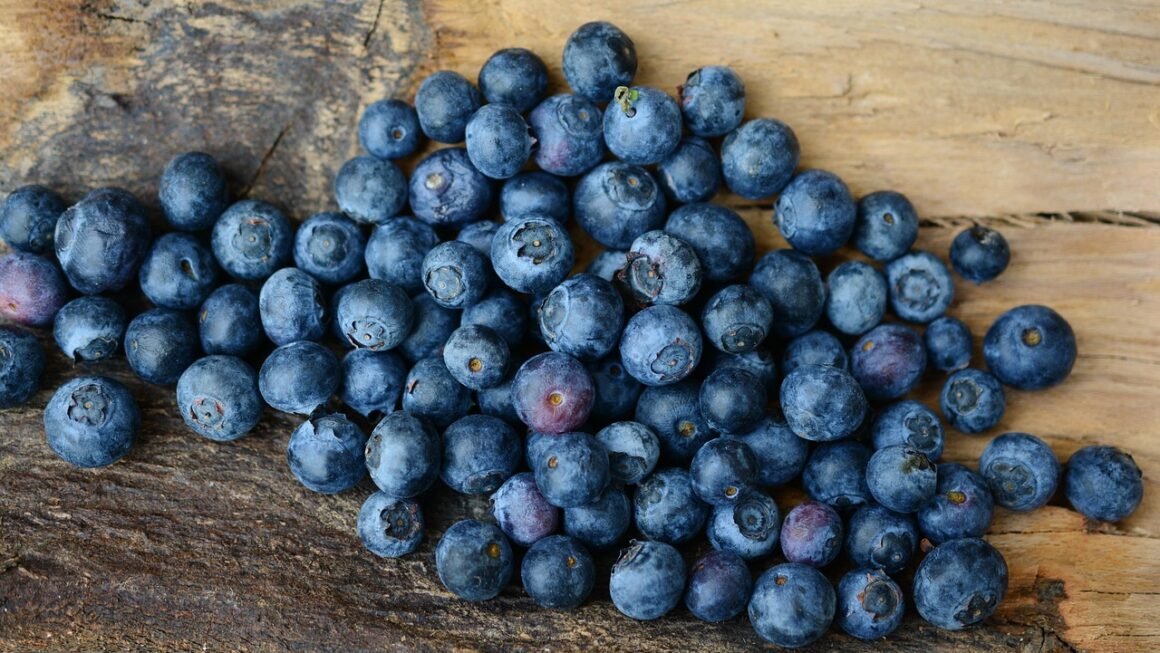
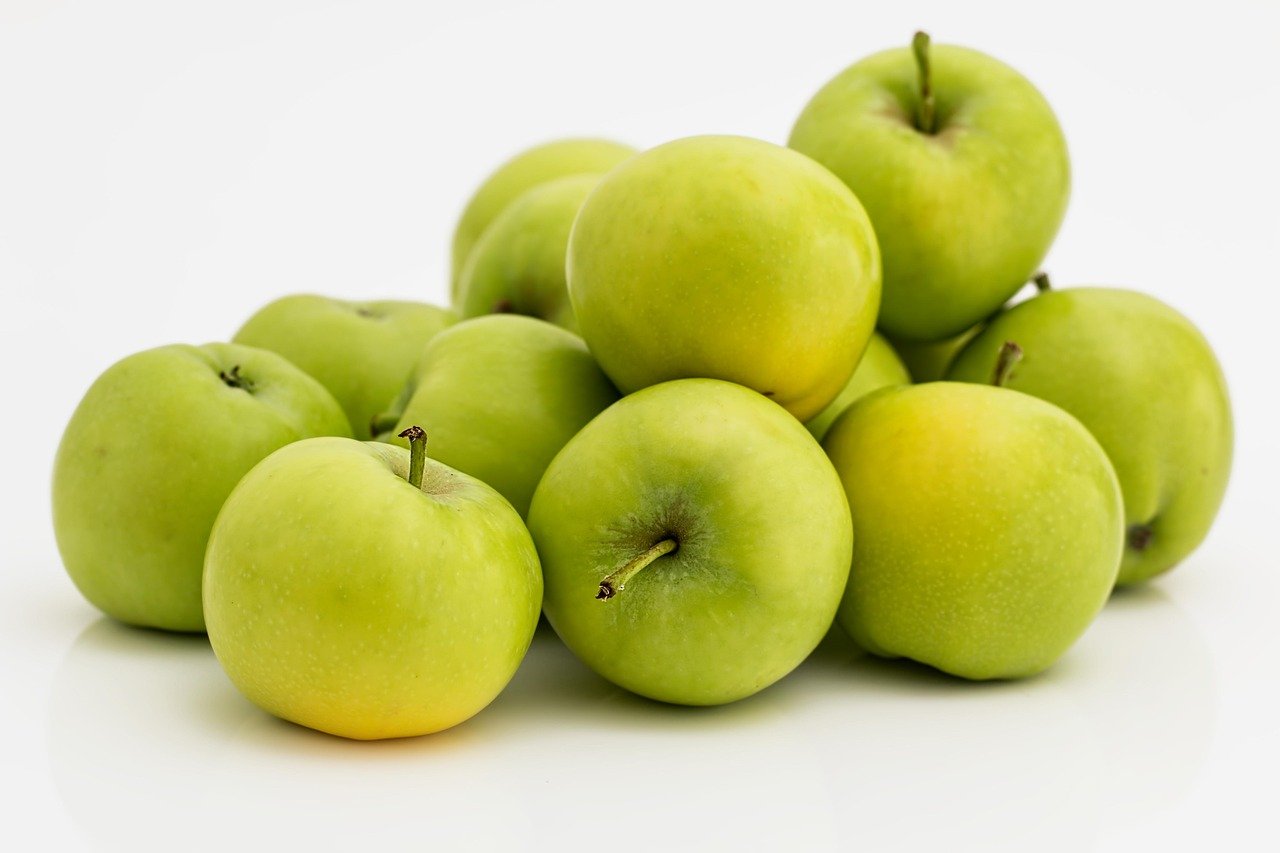
Fruits are naturally sweet and loaded with vitamins, minerals, and antioxidants. Berries, such as blueberries, strawberries, and raspberries, are particularly high in antioxidants. Apples, bananas, and oranges are also excellent sources of essential nutrients. Opt for whole fruits over fruit juices to maximize fiber intake.
Examples:
- Blueberries: Add to oatmeal, yogurt, or eat as a snack. They are rich in anthocyanins, powerful antioxidants linked to improved brain health.
- Avocados: A source of healthy fats, fiber, and potassium. Slice and add to salads, sandwiches, or toast.
- Bananas: A convenient source of potassium and energy.
Protein Sources
Lean protein sources are essential for building and repairing tissues. Excellent choices include:
- Lean Meats: Chicken breast, turkey breast, and lean beef. Opt for grass-fed beef when possible, as it tends to have a more favorable fatty acid profile.
- Fish: Salmon, tuna, and sardines are rich in omega-3 fatty acids, which are crucial for brain and heart health. Aim to consume fatty fish at least twice a week.
- Legumes: Beans, lentils, and chickpeas are excellent sources of plant-based protein and fiber.
- Eggs: A complete protein source rich in vitamins and minerals.
Whole Grains
Whole grains provide fiber, vitamins, and minerals. Choose whole grains over refined grains whenever possible. Examples include:
- Oats: A great source of soluble fiber, which can help lower cholesterol levels.
- Quinoa: A complete protein source that is also high in fiber.
- Brown Rice: A good source of manganese and selenium.
- Whole Wheat Bread: Check the ingredient list to ensure it’s made with 100% whole wheat flour.
Practical Tips for Incorporating Nutrient Density
Meal Planning and Preparation
Planning your meals in advance can help ensure that you are consuming a variety of nutrient-dense foods. Take some time each week to plan your meals and create a grocery list. Prepare ingredients in advance, such as chopping vegetables or cooking grains, to make it easier to prepare healthy meals during the week.
Smart Grocery Shopping
Focus on filling your cart with whole, unprocessed foods. Shop the perimeter of the grocery store, where you’ll typically find fresh produce, meat, and dairy products. Read food labels carefully and choose products that are low in added sugar, sodium, and unhealthy fats.
Simple Swaps
Make small, gradual changes to your diet to increase nutrient density. For example:
- Swap white bread for whole wheat bread.
- Choose water over sugary drinks.
- Add vegetables to your meals whenever possible.
- Snack on fruits and vegetables instead of processed snacks.
Cooking Methods
Certain cooking methods can help preserve the nutrients in your food. Steaming, grilling, and baking are generally better than frying. Avoid overcooking vegetables, as this can destroy some of their nutrients.
Overcoming Challenges to a Nutrient-Dense Diet
Time Constraints
Many people struggle to eat a nutrient-dense diet due to a lack of time. However, there are many ways to prepare healthy meals quickly and easily. Consider using pre-cut vegetables, canned beans, or frozen fruits and vegetables. Batch cooking can also save time during the week.
Budget Constraints
Eating a nutrient-dense diet doesn’t have to be expensive. Focus on buying seasonal produce, which is often more affordable. Legumes and whole grains are also relatively inexpensive sources of nutrients. Plan your meals around what’s on sale at the grocery store.
Picky Eaters
If you have picky eaters in your household, try introducing new foods gradually. Offer a variety of healthy options and let them choose what they want to eat. Get them involved in meal preparation. Make eating fun by presenting foods in creative ways.
Conclusion
Embracing a nutrient-dense diet is a powerful step towards a healthier and more vibrant you. By prioritizing whole, unprocessed foods and making smart choices in the kitchen and at the grocery store, you can fuel your body with the essential nutrients it needs to thrive. Start small, be consistent, and enjoy the incredible benefits of a truly nourishing lifestyle. Remember, it’s not about perfection, it’s about progress!