Navigating the world of diet and nutrition can feel like traversing a complex maze, filled with conflicting information and trendy fads. One dietary approach that has remained consistently relevant, though often misunderstood, is the low-fat diet. But what exactly does it entail, and is it the right choice for you? This guide will delve into the intricacies of the low-fat diet, exploring its benefits, potential drawbacks, and how to implement it effectively for optimal health.
Understanding the Low-Fat Diet
What is a Low-Fat Diet?
A low-fat diet is a dietary approach that emphasizes limiting the intake of dietary fat. Traditionally, this meant aiming for around 30% or less of total daily calories coming from fat. However, specific recommendations can vary depending on individual health goals and conditions. Unlike fad diets that often involve drastic restrictions, a well-planned low-fat diet focuses on making informed food choices to reduce fat consumption while maintaining nutritional balance.
- It doesn’t necessarily mean eliminating all fats, but rather focusing on healthier sources in moderation.
- The specific percentage of calories from fat may vary based on individual needs.
- It promotes a balanced intake of carbohydrates and proteins.
Distinguishing Healthy Fats from Unhealthy Fats
Not all fats are created equal. It’s crucial to understand the difference between healthy and unhealthy fats when adopting a low-fat diet.
- Healthy Fats: These include monounsaturated and polyunsaturated fats found in sources like avocados, nuts, seeds, olive oil, and fatty fish (salmon, tuna, mackerel). These fats can help improve cholesterol levels and support overall heart health.
- Unhealthy Fats: Primarily saturated and trans fats. Saturated fats are found in red meat, full-fat dairy products, and some processed foods. Trans fats, often found in fried and processed foods, should be avoided as much as possible due to their negative impact on heart health.
Typical Foods Included and Excluded
To effectively follow a low-fat diet, it’s important to know which foods to prioritize and which to limit.
- Foods to Include:
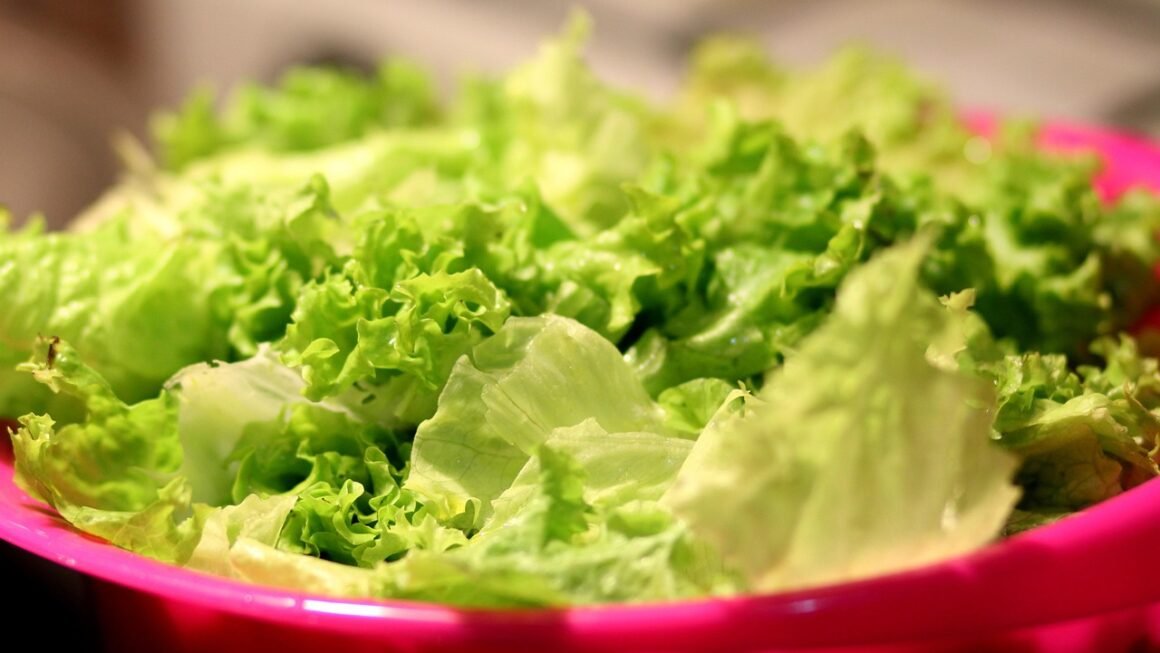
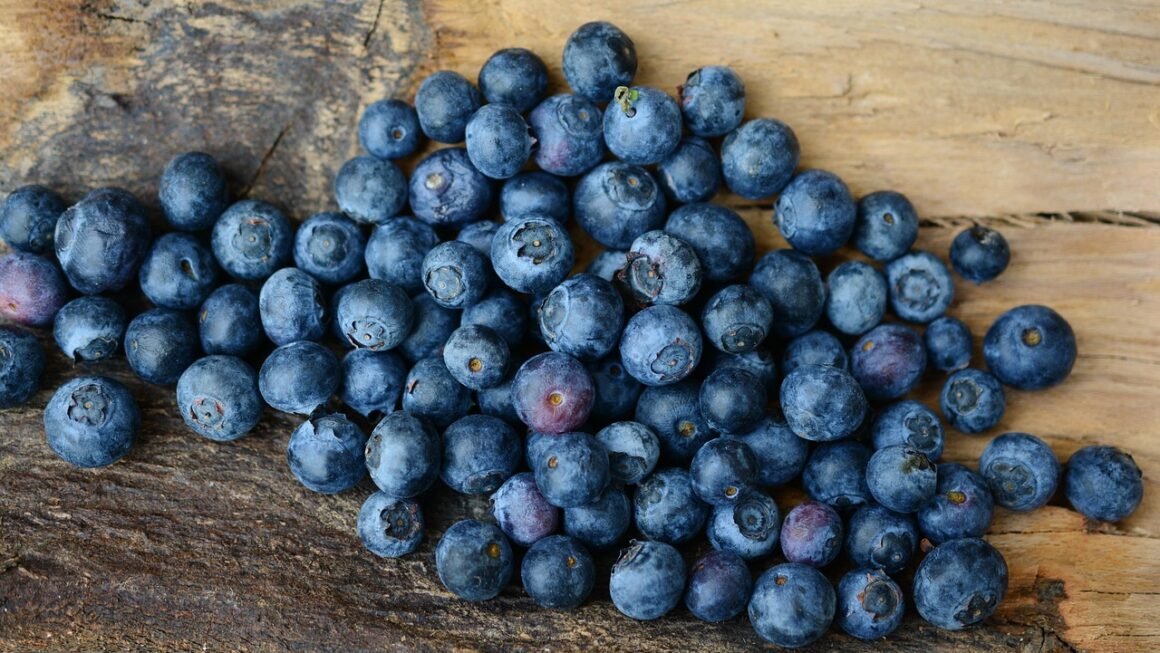
Fruits and vegetables (naturally low in fat)
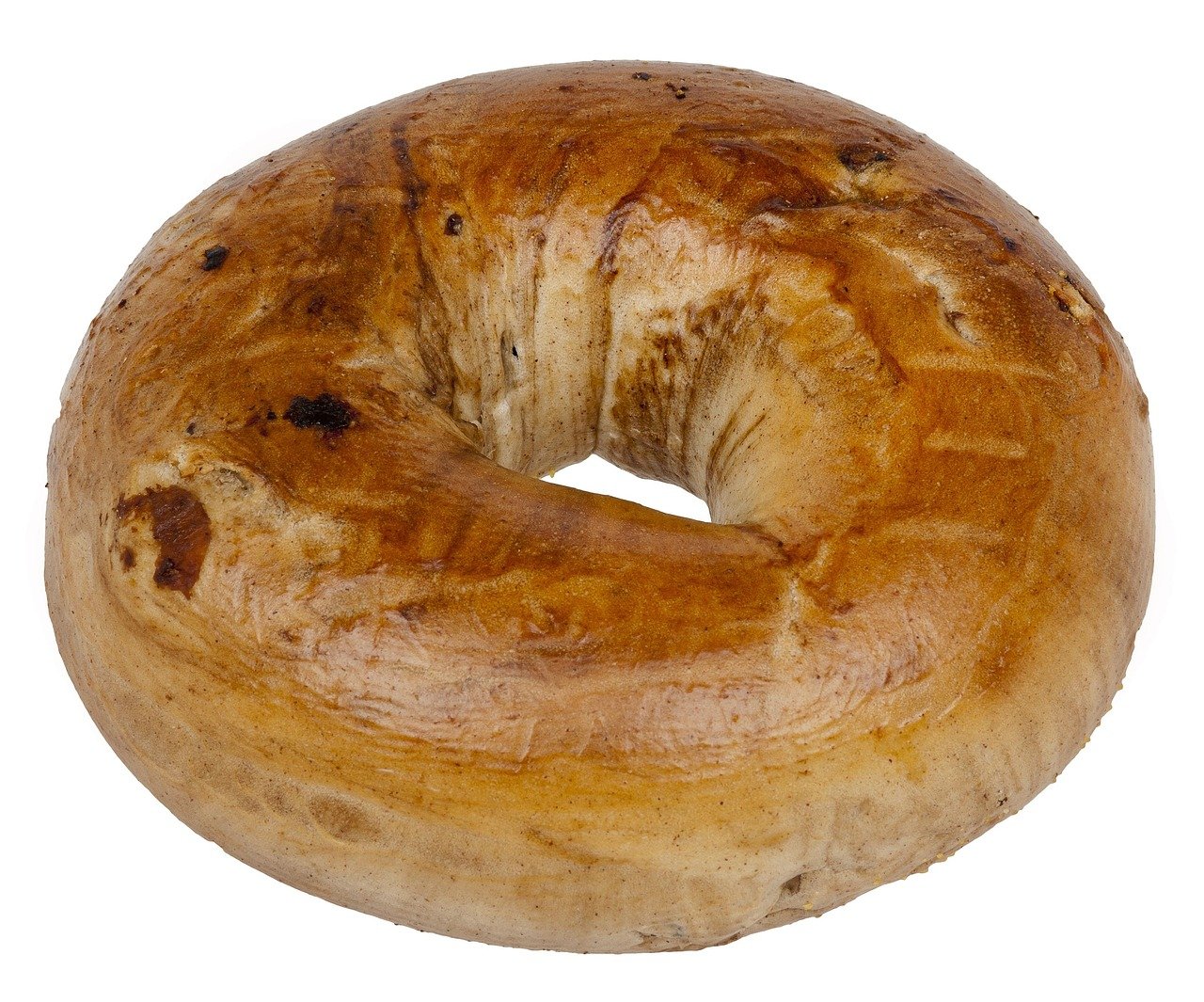
Whole grains (brown rice, quinoa, oats)
Lean proteins (skinless chicken, fish, beans, lentils, tofu)
Low-fat dairy products (skim milk, yogurt, cottage cheese)
- Foods to Limit or Avoid:
Fried foods (French fries, fried chicken)
Processed snacks (chips, cookies, pastries)
Fatty meats (bacon, sausage, ribs)
Full-fat dairy products (cheese, butter, cream)
* Foods high in added fats (salad dressings, mayonnaise)
Benefits of a Low-Fat Diet
Weight Management
A significant benefit of a low-fat diet is its potential for weight management. Fat is calorically dense, containing 9 calories per gram compared to 4 calories per gram for both carbohydrates and protein.
- Reducing fat intake can lead to a lower overall calorie intake, promoting weight loss or maintenance.
- It often encourages the consumption of more fruits, vegetables, and whole grains, which are filling and lower in calories.
- Example: Swapping full-fat cheese for low-fat cottage cheese in a salad can significantly reduce calorie and fat intake.
Improved Heart Health
Low-fat diets have been linked to improved heart health, particularly in reducing the risk of heart disease.
- Lowering saturated and trans fat intake helps reduce LDL (“bad”) cholesterol levels.
- Increasing intake of unsaturated fats (in moderation) can improve HDL (“good”) cholesterol levels.
- Example: Replacing butter with olive oil when cooking can help improve cholesterol profiles.
Reduced Risk of Certain Diseases
Studies suggest that low-fat diets may reduce the risk of certain diseases, including type 2 diabetes and some types of cancer.
- Improved insulin sensitivity: Low-fat, high-fiber diets can improve insulin sensitivity, which is beneficial for individuals with or at risk of type 2 diabetes.
- Potential cancer prevention: Some studies suggest a link between high-fat diets and increased risk of certain cancers, particularly breast and colon cancer. A low-fat diet might help reduce this risk, though more research is needed.
Potential Drawbacks and Considerations
Nutrient Deficiencies
If not properly planned, a low-fat diet can lead to nutrient deficiencies, especially in fat-soluble vitamins (A, D, E, and K).
- Fat is essential for the absorption of these vitamins.
- It’s crucial to incorporate sources of healthy fats to ensure adequate nutrient intake.
- Consider a multivitamin supplement under the guidance of a healthcare professional or registered dietitian.
Taste and Satiety Issues
Some individuals may find low-fat foods less satisfying, leading to increased hunger and potential overeating.
- Fat contributes to the flavor and satiety of foods.
- Adding fiber-rich foods like vegetables and whole grains can help increase fullness.
- Experiment with spices and herbs to enhance the flavor of low-fat meals.
Not Always Suitable for Everyone
Low-fat diets may not be ideal for everyone, particularly those with certain health conditions or dietary needs.
- Individuals with certain malabsorption issues might require a higher fat intake.
- Athletes may need more fat to support energy expenditure and hormone production.
- Always consult with a healthcare professional or registered dietitian to determine the right dietary approach for your individual needs.
Implementing a Low-Fat Diet Effectively
Gradual Changes and Mindful Eating
Making gradual changes to your diet is more sustainable than drastic restrictions. Focus on mindful eating to better understand your body’s hunger and satiety cues.
- Start by swapping out one or two high-fat foods for lower-fat alternatives each week.
- Pay attention to portion sizes to avoid overeating, even with healthy foods.
- Eat slowly and savor your meals to increase satiety and enjoyment.
Reading Food Labels and Understanding Serving Sizes
Become proficient in reading food labels to identify the fat content of packaged foods. Pay attention to serving sizes, as the information on the label is based on a specific serving.
- Look for total fat, saturated fat, trans fat, and cholesterol content.
- Compare different brands of the same product to choose the lower-fat option.
- Be aware of added sugars, which are often used to compensate for the lack of flavor in low-fat products.
Sample Meal Plan
Here’s a sample one-day meal plan to illustrate how to implement a low-fat diet:
- Breakfast: Oatmeal with berries and a sprinkle of nuts, made with skim milk.
- Lunch: Salad with grilled chicken breast, mixed greens, and a light vinaigrette dressing.
- Dinner: Baked salmon with steamed vegetables and brown rice.
- Snacks: Apple slices with peanut butter (in moderation), Greek yogurt.
Conclusion
The low-fat diet, when approached thoughtfully and strategically, can offer significant health benefits, including weight management, improved heart health, and a reduced risk of certain diseases. However, it’s essential to be mindful of potential drawbacks, such as nutrient deficiencies and taste issues. By focusing on gradual changes, reading food labels carefully, and prioritizing whole, unprocessed foods, you can successfully implement a low-fat diet that supports your overall well-being. Remember to consult with a healthcare professional or registered dietitian to tailor the diet to your specific needs and goals, ensuring a safe and effective journey towards better health.