High-protein diets have surged in popularity, touted for their potential benefits in weight management, muscle building, and overall health. But what exactly does a high-protein diet entail, and is it right for you? This comprehensive guide dives deep into the world of high-protein eating, exploring its benefits, potential risks, and how to implement it effectively.
Understanding High-Protein Diets
What is a High-Protein Diet?
A high-protein diet involves consuming a larger proportion of your daily calories from protein sources than the average dietary guidelines recommend. While the standard recommendation is around 0.8 grams of protein per kilogram of body weight, a high-protein diet typically ranges from 1.2 to 2.0 grams of protein per kilogram of body weight or even higher depending on activity levels and individual goals.
For example, a person weighing 70 kg (approximately 154 lbs) might consume between 84 grams (70 kg x 1.2 g/kg) and 140 grams (70 kg x 2.0 g/kg) of protein daily on a high-protein diet. This protein would come from a variety of sources, including animal and plant-based options.
Common Protein Sources
A successful high-protein diet relies on incorporating diverse and healthy protein sources. Here are some examples:
- Animal Sources:
Lean meats (chicken breast, turkey, lean beef, pork tenderloin)
Fish and seafood (salmon, tuna, shrimp, cod)
Eggs
Dairy products (Greek yogurt, cottage cheese, milk, cheese in moderation)
- Plant-Based Sources:
Legumes (lentils, beans, chickpeas)
Tofu and tempeh
Quinoa
Nuts and seeds (almonds, chia seeds, pumpkin seeds)
Edamame
Calculating Your Protein Needs
Determining the right amount of protein for you depends on several factors, including your weight, activity level, muscle mass goals, and overall health. Consider consulting with a registered dietitian or healthcare professional for personalized recommendations. Online protein calculators can also provide a starting point. Remember that individuals with kidney issues should consult with their doctors before significantly increasing protein intake.
Benefits of High-Protein Diets
Weight Management
High-protein diets can be effective for weight management due to several mechanisms:
- Increased Satiety: Protein is more satiating than carbohydrates or fats, meaning it helps you feel fuller for longer, reducing overall calorie intake. Studies have shown that increasing protein intake can lead to spontaneous reductions in calorie consumption.
- Increased Thermic Effect of Food (TEF): The body uses more energy to digest protein compared to carbohydrates or fats. This increased TEF can contribute to a slightly higher metabolic rate.
- Preservation of Muscle Mass: When dieting, the body can break down muscle tissue for energy. A high-protein diet helps preserve muscle mass, which is crucial for maintaining a healthy metabolism.
Muscle Building and Recovery
Protein is the building block of muscle tissue, making it essential for muscle growth and repair.
- Muscle Protein Synthesis (MPS): Consuming protein after exercise stimulates muscle protein synthesis, the process by which muscles rebuild and grow stronger.
- Faster Recovery: Adequate protein intake aids in repairing muscle damage caused by exercise, reducing soreness and speeding up recovery time.
- Increased Strength: A high-protein diet, combined with resistance training, supports increases in muscle strength and power.
Blood Sugar Control
High-protein diets can also play a role in stabilizing blood sugar levels.
- Reduced Glucose Spikes: Protein has a minimal impact on blood sugar compared to carbohydrates. Pairing protein with carbohydrates can help slow down glucose absorption and prevent rapid spikes.
- Improved Insulin Sensitivity: Some studies suggest that high-protein diets may improve insulin sensitivity, particularly in individuals with type 2 diabetes.
- Reduced Cravings: By stabilizing blood sugar levels, a high-protein diet can help reduce cravings for sugary and processed foods.
Potential Risks and Considerations
Kidney Health
One of the primary concerns surrounding high-protein diets is their potential impact on kidney health. While generally safe for individuals with healthy kidneys, a high protein intake could accelerate kidney damage in people with pre-existing kidney conditions. Consult with a healthcare professional if you have any kidney issues.
- Increased Glomerular Filtration Rate (GFR): A high-protein diet increases the GFR, which is a measure of how well the kidneys are filtering waste. While this is normal, it can place additional stress on the kidneys.
- Dehydration: The kidneys require more water to process protein. Insufficient water intake can lead to dehydration and further strain on the kidneys.
Digestive Issues
Some individuals may experience digestive issues when transitioning to a high-protein diet.
- Constipation: Protein is digested slower than carbohydrates and fiber. If fiber intake is not increased proportionally, constipation can occur. Incorporating high-fiber foods like vegetables, fruits, and whole grains is crucial.
- Bloating and Gas: Certain protein sources, such as legumes, can cause bloating and gas in some individuals. Soaking legumes before cooking and gradually increasing intake can help mitigate these effects.
Nutrient Deficiencies
If not carefully planned, a high-protein diet can lead to nutrient deficiencies.
- Limited Variety: Focusing solely on protein can lead to neglecting other essential nutrients found in fruits, vegetables, and whole grains. Ensure a balanced diet rich in diverse food groups.
- Reduced Fiber Intake: Many high-protein foods are low in fiber. Prioritize fiber-rich protein sources and supplement with other fiber-rich foods to maintain digestive health.
Implementing a High-Protein Diet Effectively
Gradual Increase
Avoid making drastic changes to your protein intake. Gradually increase your protein consumption over a few weeks to allow your body to adjust. This minimizes the risk of digestive discomfort.
Prioritize Whole Foods
Focus on obtaining protein from whole, unprocessed foods rather than relying heavily on protein powders and supplements. Whole foods provide a wider range of nutrients and are generally more satiating.
Hydration is Key
Drink plenty of water throughout the day to support kidney function and prevent dehydration. Aim for at least 8 glasses of water daily, and more if you are physically active.
Balance Your Macronutrients
While increasing protein intake, maintain a balance with carbohydrates and fats. Don’t completely eliminate entire food groups unless specifically advised by a healthcare professional. A balanced approach is crucial for overall health and sustainability.
- Example Meal Plan
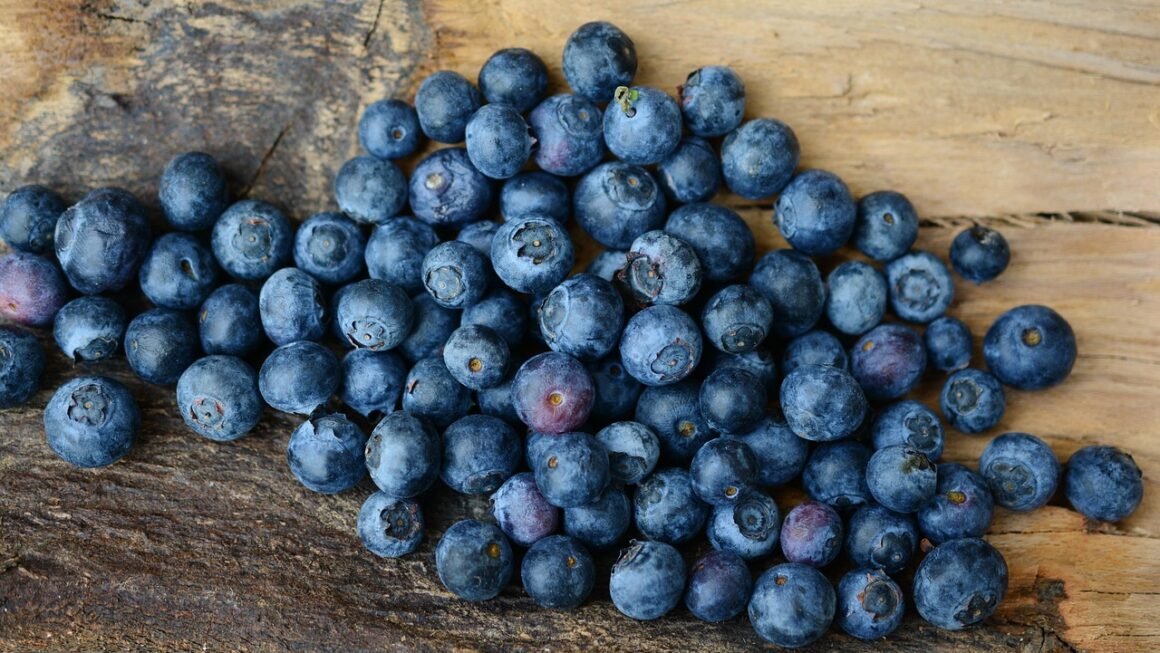
Breakfast: Greek Yogurt with berries and nuts
Lunch: Chicken salad sandwich on whole wheat bread
Dinner: Salmon with roasted vegetables
Conclusion
High-protein diets offer several potential benefits, including weight management, muscle building, and blood sugar control. However, it’s crucial to approach this dietary strategy with awareness and consideration for potential risks. By gradually increasing protein intake, prioritizing whole foods, staying hydrated, and balancing macronutrients, you can reap the rewards of a high-protein diet while minimizing potential drawbacks. Always consult with a healthcare professional or registered dietitian before making significant changes to your diet, especially if you have any underlying health conditions.