Intermittent fasting is more than just a diet trend; it’s a lifestyle choice embraced by many for its potential health benefits, from weight management to improved cognitive function. However, successfully navigating a fasting schedule hinges on what you consume during your eating windows. Choosing the right meals can make or break your fasting journey, affecting everything from energy levels to satiety. This guide explores delicious and nutritious fasting-friendly meal options designed to keep you feeling full, energized, and on track.
Understanding Fasting and Meal Composition
The Importance of Nutrient-Dense Foods
When breaking your fast, it’s crucial to prioritize nutrient-dense foods that replenish your body without causing rapid blood sugar spikes. These foods should be packed with vitamins, minerals, and macronutrients (proteins, fats, and complex carbohydrates) to maximize the benefits of your eating window.
- Prioritize whole, unprocessed foods: These contain more nutrients and fiber than processed options.
- Focus on quality over quantity: A smaller, well-composed meal can be more satisfying than a large, processed one.
- Avoid empty calories: Sugary drinks and highly processed snacks offer little nutritional value and can derail your progress.
Key Macronutrients for Fasting
Understanding how macronutrients affect your body is vital for crafting effective fasting-friendly meals.
- Protein: Essential for muscle repair and satiety. Aim for lean protein sources like chicken, fish, tofu, or legumes.
- Healthy Fats: Provide sustained energy and support hormone production. Include sources like avocados, nuts, seeds, and olive oil.
- Complex Carbohydrates: Offer a slow-release energy source and are rich in fiber. Choose options like whole grains, sweet potatoes, and brown rice.
Breakfast (Breaking the Fast) Ideas
Protein-Packed Start
Breaking your fast with protein is an excellent way to control hunger and boost energy levels.
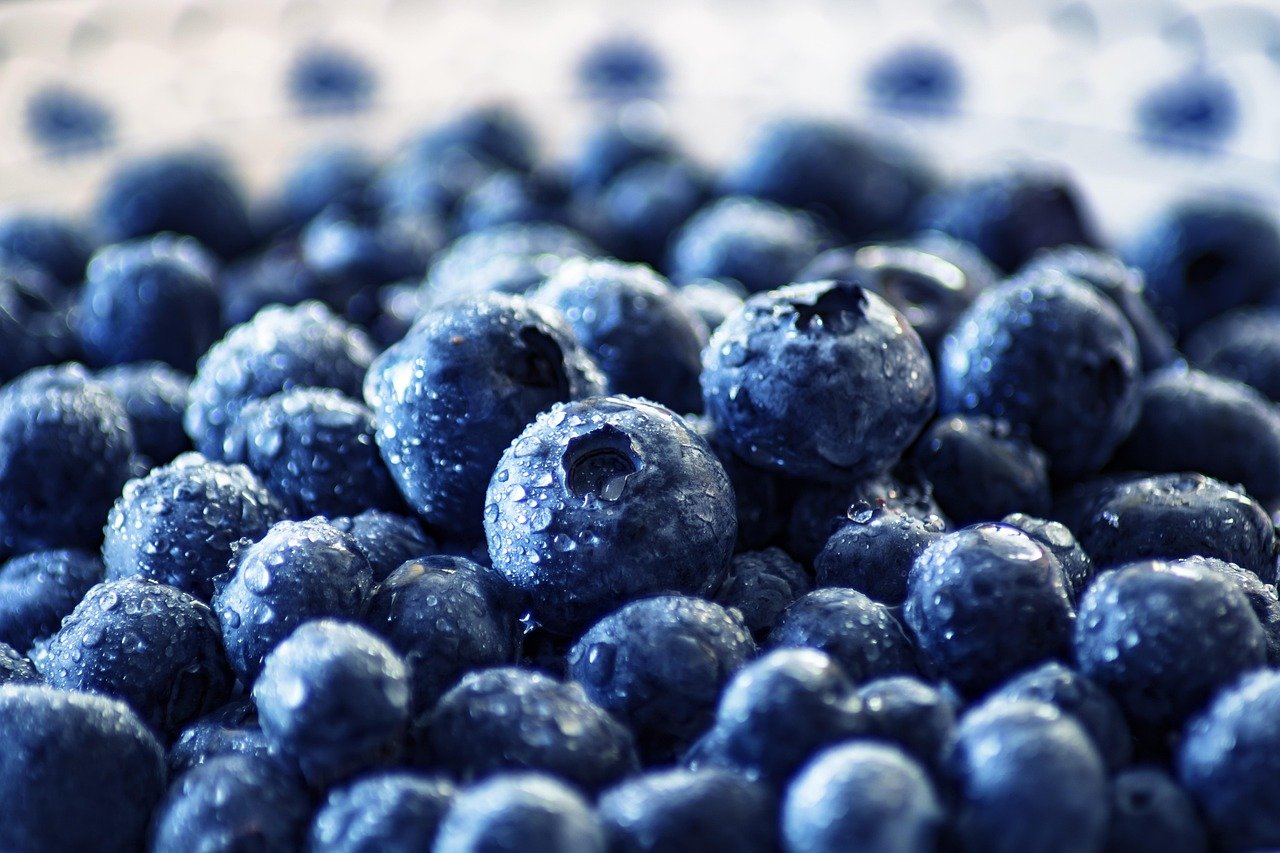
- Greek Yogurt with Berries and Nuts: Greek yogurt is high in protein and can be customized with antioxidant-rich berries and healthy fats from nuts.
Example: 1 cup plain Greek yogurt, ½ cup mixed berries, ¼ cup almonds or walnuts.
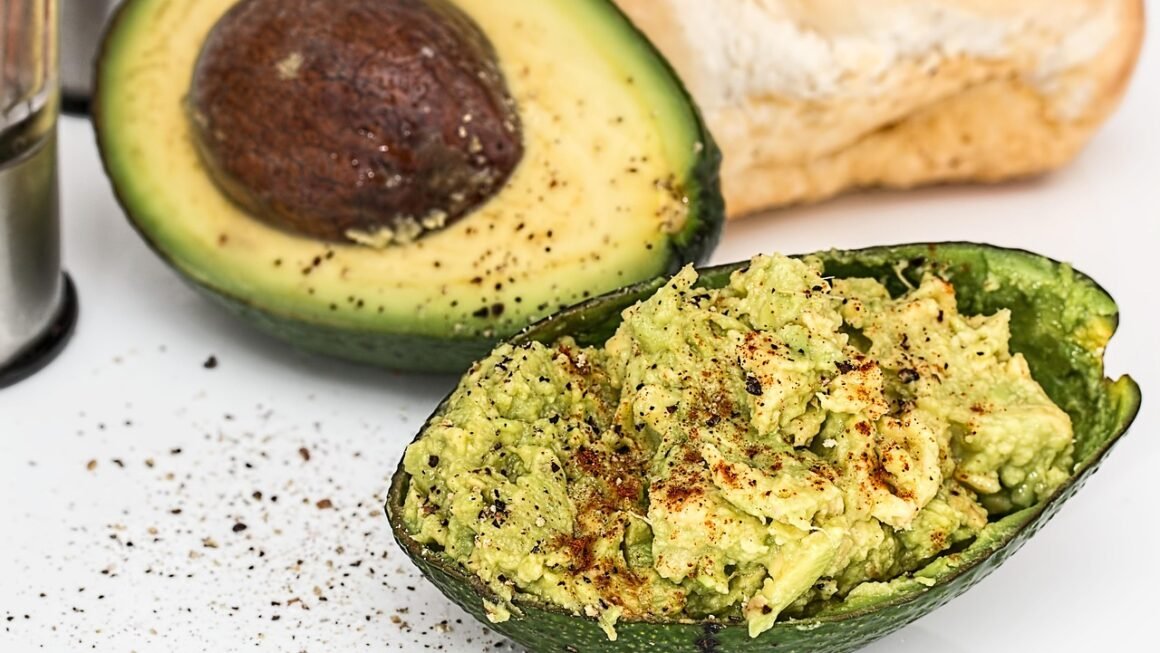
- Scrambled Eggs with Avocado and Whole-Wheat Toast: Eggs are a complete protein source, and avocado provides healthy fats. Whole-wheat toast adds fiber for sustained energy.
Example: 2 eggs scrambled with ½ avocado and 1 slice whole-wheat toast.
- Protein Smoothie: Blend protein powder, spinach, berries, and almond milk for a quick and nutritious breakfast.
Example: 1 scoop whey or plant-based protein powder, 1 cup spinach, ½ cup mixed berries, 1 cup almond milk, and a tablespoon of chia seeds.
Healthy Fats and Fiber
Incorporating healthy fats and fiber at the start of your eating window can help regulate blood sugar and keep you feeling satisfied.
- Chia Seed Pudding: Chia seeds are packed with fiber and omega-3 fatty acids. Prepare it the night before for a grab-and-go breakfast.
Example: ¼ cup chia seeds, 1 cup almond milk, a splash of vanilla extract, and your favorite toppings (berries, nuts, or a drizzle of honey).
- Avocado Toast with Everything Bagel Seasoning: Simple, satisfying, and packed with healthy fats.
Example: 1 slice whole-wheat toast topped with ½ mashed avocado and everything bagel seasoning.
Lunch Options for Sustained Energy
Lean Protein and Vegetables
Lunch should provide a balance of protein, vegetables, and healthy fats to keep you energized throughout the afternoon.
- Grilled Chicken Salad: A classic choice that’s both filling and nutritious. Use a variety of colorful vegetables and a light vinaigrette dressing.
Example: 4 oz grilled chicken breast, mixed greens, cucumber, bell peppers, cherry tomatoes, and a lemon-tahini dressing.
- Lentil Soup: Lentils are a great source of plant-based protein and fiber. Pair it with a side salad for a complete meal.
Example: 1-2 cups lentil soup with a mixed green salad and a light vinaigrette.
- Tuna Salad Lettuce Wraps: A lighter alternative to traditional tuna salad, served in crisp lettuce cups.
Example: Canned tuna mixed with Greek yogurt, celery, red onion, and spices, served in lettuce cups.
Whole Grains and Healthy Fats
Including whole grains and healthy fats in your lunch can provide sustained energy and prevent afternoon crashes.
- Quinoa Bowl with Roasted Vegetables: Quinoa is a complete protein and pairs well with a variety of roasted vegetables like broccoli, sweet potatoes, and Brussels sprouts.
Example: 1 cup cooked quinoa topped with roasted vegetables and a drizzle of olive oil.
- Salmon with Brown Rice and Steamed Green Beans: Salmon is rich in omega-3 fatty acids, while brown rice provides complex carbohydrates and fiber.
Example: 4 oz baked salmon, ½ cup brown rice, and 1 cup steamed green beans.
Dinner: Fueling Recovery and Rest
Light Protein and Vegetables
Dinner should be lighter than lunch to promote restful sleep and support the body’s natural recovery processes.
- Baked Cod with Asparagus: Cod is a lean protein source, and asparagus is a nutrient-rich vegetable.
Example: 4 oz baked cod with 1 cup steamed asparagus.
- Turkey Breast with Salad: Opt for a lean protein like turkey breast accompanied by a leafy green salad with healthy fats.
Example: 4 oz baked turkey breast, mixed greens, avocado slices, and a light vinaigrette.
Balanced Macros for Satiety
A well-balanced dinner can prevent late-night cravings and support your fasting schedule.
- Chicken Stir-Fry with Brown Rice Noodles: A customizable and quick dinner option. Use lean protein, plenty of vegetables, and a light sauce.
Example: Stir-fried chicken with broccoli, bell peppers, and snap peas served over brown rice noodles with a low-sodium soy sauce.
- Sweet Potato and Black Bean Chili: A vegetarian option that’s packed with fiber and protein.
Example: 1-2 cups sweet potato and black bean chili topped with a dollop of Greek yogurt or avocado.
Smart Snacking During Your Eating Window
Nutritious Snack Choices
Snacks should complement your meals and provide additional nutrients.
- Handful of Nuts: Almonds, walnuts, and pecans are excellent sources of healthy fats and fiber.
- Hard-Boiled Eggs: A convenient and protein-rich snack.
- Vegetables with Hummus: Carrots, celery, and bell peppers paired with hummus provide fiber, protein, and healthy fats.
- Apple Slices with Peanut Butter: A classic combination of fiber and healthy fats.
Avoiding Common Snacking Pitfalls
Be mindful of common snacking mistakes that can derail your fasting efforts.
- Avoid processed snacks: Chips, cookies, and candy are high in sugar and unhealthy fats.
- Limit sugary drinks: Sodas and juice can cause rapid blood sugar spikes.
- Stay hydrated: Sometimes, thirst is mistaken for hunger. Drink plenty of water throughout the day.
Conclusion
Crafting fasting-friendly meals is key to reaping the full benefits of intermittent fasting. By prioritizing nutrient-dense foods, understanding macronutrient balance, and making smart snacking choices, you can optimize your energy levels, support your health goals, and make fasting a sustainable lifestyle. Remember to listen to your body, adjust your meals based on your individual needs, and consult with a healthcare professional or registered dietitian for personalized guidance.