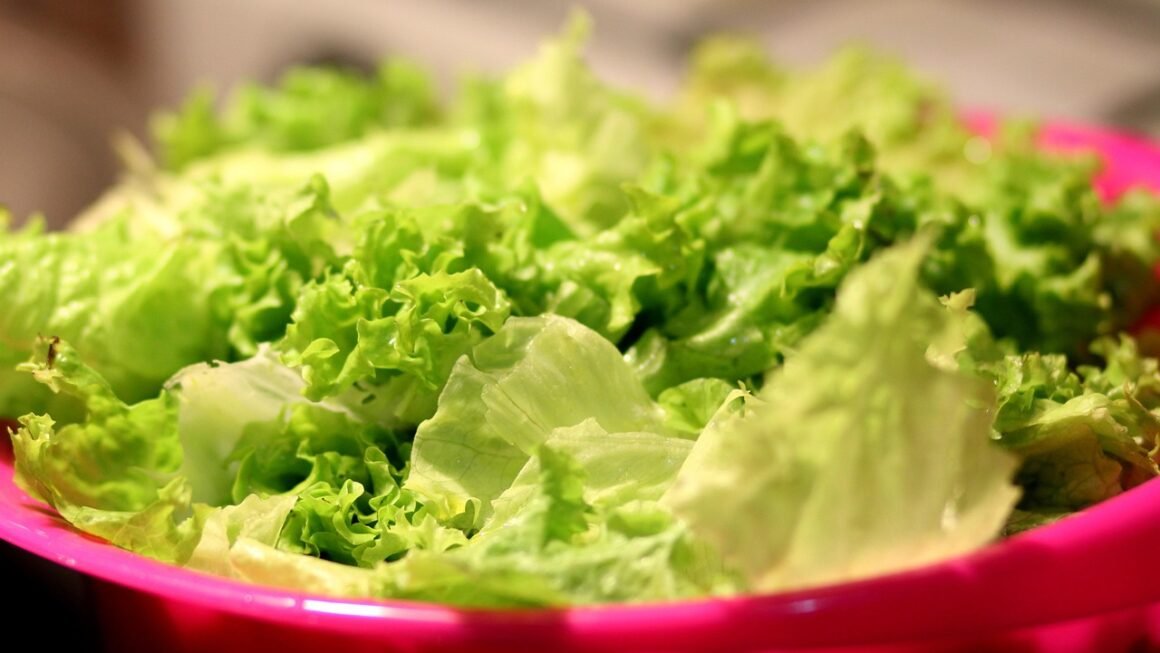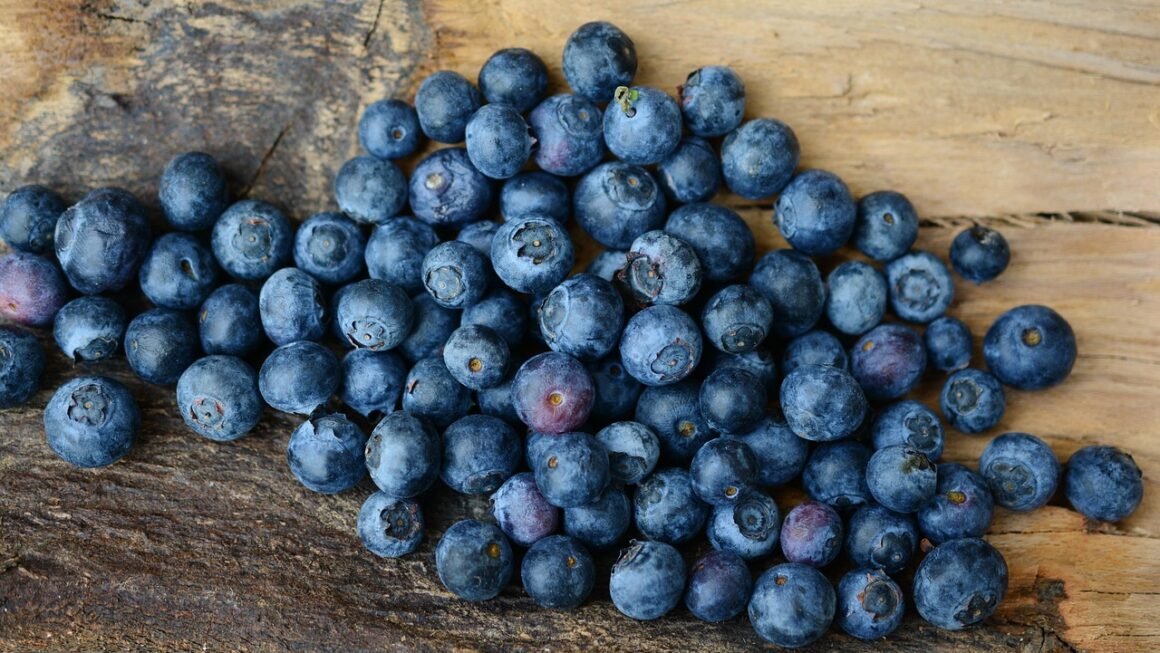
Stepping into the world of plant-based eating can feel like embarking on an exciting culinary adventure, one that promises not only delicious meals but also a host of health benefits and a positive impact on the planet. Whether you’re a seasoned vegan, a curious vegetarian, or simply looking to incorporate more plant-powered goodness into your diet, this guide will provide you with everything you need to know to thrive on a plant-based diet. Let’s explore the fundamentals, benefits, and practical tips to make this lifestyle both enjoyable and sustainable.
Understanding the Plant-Based Diet
Defining Plant-Based Eating
The term “plant-based diet” encompasses a wide range of dietary approaches, but at its core, it emphasizes foods derived from plants. This includes:
- Fruits
- Vegetables
- Legumes (beans, lentils, peas)
- Grains (rice, quinoa, oats)
- Nuts and seeds
While many plant-based eaters choose to eliminate all animal products (veganism), the term often refers to a more flexible approach. Some may include small amounts of meat, dairy, or eggs, focusing primarily on plant sources. The key is to make plants the foundation of your meals.
Different Types of Plant-Based Diets
The beauty of a plant-based diet is its adaptability. Here are a few common variations:
- Vegan: Excludes all animal products, including meat, poultry, fish, dairy, eggs, and honey.
- Vegetarian: Excludes meat, poultry, and fish. Includes dairy (lacto-vegetarian), eggs (ovo-vegetarian), or both (lacto-ovo vegetarian).
- Pescatarian: Excludes meat and poultry but includes fish and seafood.
- Flexitarian: Primarily plant-based but occasionally includes meat, poultry, or fish. This is a good starting point for those transitioning to a more plant-heavy diet.
Example: A vegan might enjoy a tofu scramble with spinach and mushrooms for breakfast, while a flexitarian might have a chicken salad sandwich on whole-wheat bread for lunch, with a large serving of salad. The underlying principle is prioritizing plants whenever possible.
Why Choose a Plant-Based Diet?
More and more people are adopting plant-based diets for a variety of reasons. These include ethical concerns about animal welfare, environmental sustainability, and personal health goals. Statistics show a significant increase in plant-based eating habits in recent years. For example, a Gallup poll in 2020 found that around 5% of Americans identify as vegetarian, up from 1% in the early 2000s. While not all vegetarians are vegan, this upward trend highlights a growing interest in reducing meat consumption.
Health Benefits of a Plant-Based Diet
Cardiovascular Health
Plant-based diets are naturally low in saturated fat and cholesterol, which are major risk factors for heart disease. Studies consistently show that people following plant-based diets have lower blood pressure, lower cholesterol levels, and a reduced risk of heart attacks and strokes.
- Example: Swapping red meat for lentils in a Bolognese sauce reduces saturated fat and increases fiber, benefiting heart health.
- Actionable Takeaway: Aim to include more legumes (beans, lentils, peas) in your weekly meals to improve your cholesterol levels.
Weight Management
Plant-based diets are often high in fiber and lower in calories than diets rich in animal products. This can help you feel fuller for longer, reducing overall calorie intake and aiding in weight management. Fiber also helps regulate blood sugar levels, preventing energy crashes and cravings.
- Example: Replacing processed snacks with fruits and vegetables provides a healthier and more satisfying way to curb hunger.
- Actionable Takeaway: Focus on whole, unprocessed plant foods to naturally control your weight.
Reduced Risk of Type 2 Diabetes
Plant-based diets can improve insulin sensitivity and blood sugar control, reducing the risk of developing type 2 diabetes. High fiber intake helps slow the absorption of sugar, preventing blood sugar spikes.
- Example: Incorporating whole grains like quinoa and brown rice instead of refined grains like white bread and white rice can stabilize blood sugar levels.
- Actionable Takeaway: Emphasize complex carbohydrates like whole grains and legumes to maintain stable blood sugar levels.
Cancer Prevention
Many plant foods are rich in antioxidants and phytochemicals, which have been shown to protect against certain types of cancer. These compounds neutralize free radicals, protecting cells from damage and reducing the risk of tumor growth.
- Example: Eating a variety of colorful fruits and vegetables provides a wide range of antioxidants, boosting your body’s defense against cancer. Berries, leafy greens, and cruciferous vegetables (broccoli, cauliflower, cabbage) are particularly beneficial.
- Actionable Takeaway: Increase your intake of colorful fruits and vegetables to maximize your antioxidant intake.
Getting Started: Practical Tips for Transitioning
Gradual Changes are Key
Making a sudden switch to a completely plant-based diet can be overwhelming. Start by gradually incorporating more plant-based meals into your week. “Meatless Mondays” are a great way to ease into the transition. Replace meat in some of your favorite dishes with plant-based alternatives.
- Example: Substitute ground beef with lentils in tacos or chili. Use black beans instead of chicken in enchiladas.
- Actionable Takeaway: Replace one meat-based meal per week with a plant-based alternative.
Focus on Flavor
Plant-based food doesn’t have to be bland. Experiment with different herbs, spices, and cooking techniques to create delicious and satisfying meals. Explore cuisines from around the world that naturally incorporate a lot of plant-based ingredients, such as Indian, Thai, and Mediterranean cuisine.
- Example: Use smoked paprika for a smoky flavor in bean stews, or add chili flakes to vegetable stir-fries for a spicy kick.
- Actionable Takeaway: Invest in a variety of herbs and spices to enhance the flavor of your plant-based meals.
Stock Your Pantry
Having a well-stocked pantry makes it easier to prepare plant-based meals quickly and easily. Some essentials include:
- Legumes (canned or dried)
- Grains (quinoa, rice, oats)
- Nuts and seeds
- Nut butter
- Canned tomatoes
- Vegetable broth
- Dried herbs and spices
Meal Planning and Preparation
Planning your meals in advance can help you stay on track and avoid unhealthy impulse decisions. Spend some time each week planning your meals and creating a shopping list. Prepare some ingredients ahead of time, such as chopping vegetables or cooking grains, to save time during the week.
- Example: Batch-cook a large pot of lentil soup or a batch of quinoa to use in various meals throughout the week.
- Actionable Takeaway: Dedicate a few hours each week to meal planning and prepping to make healthy plant-based eating easier.
Addressing Common Concerns
Protein
One of the most common concerns about plant-based diets is getting enough protein. However, protein is abundant in many plant foods.
- Good plant-based protein sources:
Legumes (beans, lentils, chickpeas, edamame)
Tofu and tempeh
Quinoa
Nuts and seeds
Nutritional yeast
It’s a myth that you need to combine specific plant foods at each meal to get “complete” protein. As long as you eat a variety of plant foods throughout the day, you’ll get all the essential amino acids you need.
- Example: A breakfast of oatmeal with nuts and seeds, a lunch of lentil soup, and a dinner of tofu stir-fry will provide plenty of protein.
- Actionable Takeaway: Include a variety of plant-based protein sources in your daily diet to ensure adequate protein intake.
Vitamin B12
Vitamin B12 is primarily found in animal products, so it’s important for vegans to supplement with B12 or consume fortified foods. B12 deficiency can lead to serious health problems.
- Fortified foods:
Fortified plant-based milks
Fortified breakfast cereals
Nutritional yeast
- Actionable Takeaway: Talk to your doctor or a registered dietitian about B12 supplementation if you’re following a strict vegan diet.
Iron
Iron is found in both animal and plant foods, but the iron in plant foods (non-heme iron) is not as easily absorbed as the iron in animal foods (heme iron). However, you can improve the absorption of non-heme iron by consuming it with vitamin C-rich foods.
- Plant-based iron sources:
Spinach
Lentils
Tofu
Fortified cereals
- Example: Squeeze lemon juice (vitamin C) over a spinach salad to enhance iron absorption.
- Actionable Takeaway: Pair iron-rich plant foods with vitamin C-rich foods to improve iron absorption.
Calcium
Dairy products are a well-known source of calcium, but calcium is also found in many plant foods.
- Plant-based calcium sources:
Fortified plant-based milks
Tofu (calcium-set)
Leafy green vegetables (kale, collard greens)
Broccoli
* Almonds
- Actionable Takeaway: Consume calcium-rich plant foods regularly and consider fortified plant-based milks to meet your calcium needs.
Conclusion
Embracing a plant-based diet is a journey that can lead to improved health, a reduced environmental footprint, and a greater appreciation for the diversity of plant-based foods. By understanding the principles of plant-based eating, addressing common concerns, and gradually incorporating more plant-based meals into your life, you can create a sustainable and enjoyable lifestyle that benefits both you and the planet. Remember, even small changes can make a big difference!