Intermittent fasting (IF) has surged in popularity as more than just a diet; it’s a lifestyle shift that promotes weight loss, improved metabolic health, and potentially even longevity. While the core concept of cycling between periods of eating and voluntary fasting seems simple, understanding the nuances of different intermittent fasting routines is key to finding a sustainable approach that fits your life. This guide will delve into the most effective and practical intermittent fasting routines to help you achieve your health goals.
Understanding Intermittent Fasting
What is Intermittent Fasting?
Intermittent fasting (IF) isn’t about what you eat, but rather when you eat. It’s an eating pattern that cycles between periods of eating and voluntary fasting on a regular schedule. It’s not a diet in the traditional sense, which usually restricts certain food groups. IF allows you to eat whatever you like, within reason, during your eating windows. The magic lies in the timing and duration of the fasts.
Benefits of Intermittent Fasting
The growing popularity of intermittent fasting is rooted in its potential health benefits, supported by scientific research. Some potential benefits include:
- Weight Loss: IF can help you eat fewer calories overall, leading to weight loss.
- Improved Insulin Sensitivity: It may enhance insulin sensitivity, potentially reducing the risk of type 2 diabetes.
- Cellular Repair: During fasting, your cells initiate cellular repair processes like autophagy (a process of cleaning up damaged cells).
- Brain Health: IF may improve brain health and protect against neurodegenerative diseases.
- Heart Health: Some studies suggest that IF can improve heart health markers such as blood pressure, cholesterol levels, and triglycerides.
Important Considerations Before Starting
While generally safe for most people, intermittent fasting isn’t suitable for everyone. It’s essential to consult your doctor before starting IF, especially if you:
- Are pregnant or breastfeeding
- Have diabetes
- Have a history of eating disorders
- Are taking medication that requires food intake
- Have underlying health conditions
Popular Intermittent Fasting Routines
The 16/8 Method (Leangains)
The 16/8 method is arguably the most popular and easiest IF routine to adopt. It involves fasting for 16 hours each day and restricting your eating window to 8 hours.
- How it works: You might choose to eat between 12 PM and 8 PM, skipping breakfast.
- Practical Example:
- 12:00 PM: First meal (lunch)
- 4:00 PM: Snack (fruits, nuts, yogurt)
- 7:30 PM: Dinner
- 8:00 PM: Fast begins
- Benefits: Simple, sustainable, and easily adaptable to different lifestyles.
- Tips: Stay hydrated with water, black coffee, or unsweetened tea during the fasting period. Prioritize nutrient-dense foods during your eating window.
The 5:2 Diet
The 5:2 diet involves eating normally for five days of the week and restricting your calorie intake to 500-600 calories on the other two non-consecutive days.
- How it works: Choose two days of the week (e.g., Monday and Thursday) to restrict calories significantly.
- Practical Example: On fasting days, you might eat two small meals of around 250-300 calories each, consisting of lean protein and vegetables.
- Benefits: More flexible than daily fasting.
- Tips: Choose your fasting days strategically, considering your social schedule and activity level. Plan your low-calorie meals in advance to avoid unhealthy choices.
Eat-Stop-Eat
Eat-Stop-Eat involves a 24-hour fast once or twice a week.
- How it works: For example, you might eat dinner on Monday and then not eat again until dinner on Tuesday.
- Practical Example: You could eat dinner at 7:00 PM on Sunday and then not eat again until 7:00 PM on Monday.
- Benefits: Can lead to significant calorie restriction and potential metabolic benefits.
- Tips: Drink plenty of water during the fasting period. Avoid intense physical activity on fasting days. This routine might be challenging for beginners.
Alternate-Day Fasting (ADF)
Alternate-day fasting involves eating a normal diet one day and either completely fasting or consuming very few calories (around 500 calories) the next day.
- How it works: Cycle between eating normally and severely restricting calories every other day.
- Practical Example: Eat normally on Monday, restrict calories on Tuesday, eat normally on Wednesday, and so on.
- Benefits: May lead to rapid weight loss.
- Tips: This is a more extreme form of IF and might be difficult to sustain long-term. Ensure you are getting enough nutrients on your eating days. Listen to your body and adjust the routine as needed.
Breaking Your Fast and Choosing the Right Foods
The Importance of Breaking Your Fast Gently
Breaking your fast correctly is just as important as the fasting period itself. Avoid overeating or consuming processed foods immediately after your fast, as this can negate some of the benefits and lead to digestive discomfort.
- Start with easily digestible foods: Opt for foods like bone broth, cooked vegetables, fruits, or a small portion of lean protein.
- Avoid large meals: Gradually reintroduce food to your system.
- Listen to your body: Pay attention to your hunger cues and avoid overeating.
Foods to Prioritize During Your Eating Window
To maximize the benefits of intermittent fasting, focus on consuming nutrient-dense foods during your eating window.
- Lean protein: Chicken, fish, beans, lentils.
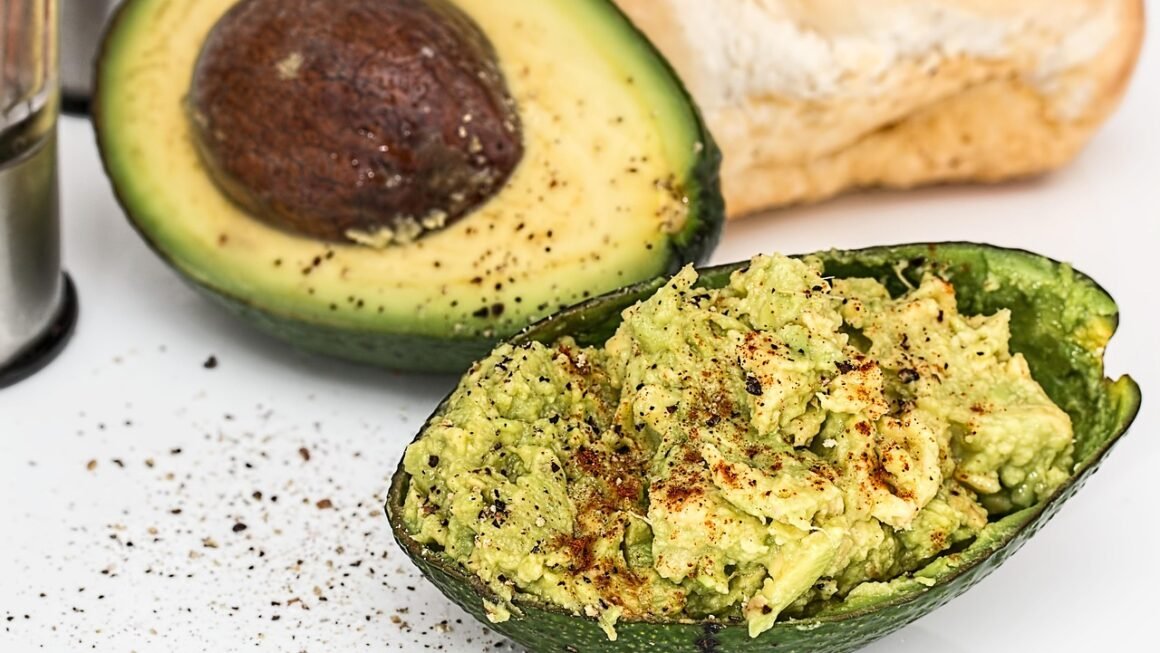
- Healthy fats: Avocados, nuts, seeds, olive oil.
- Complex carbohydrates: Whole grains, fruits, vegetables.
- Fiber-rich foods: Vegetables, fruits, whole grains.
Hydration is Key
Staying hydrated is crucial during both the fasting and eating periods. Drink plenty of water, unsweetened tea, or black coffee throughout the day.
Tracking Progress and Adjusting Your Routine
Monitoring Your Results
Tracking your progress is essential for staying motivated and making adjustments to your IF routine. Here’s how:
- Weigh yourself regularly: But remember weight is only one measure of progress.
- Take measurements: Track your waist circumference, hips, and other body measurements.
- Monitor your energy levels and mood: Pay attention to how IF affects your overall well-being.
- Keep a food journal: Track your food intake during your eating window.
Adjusting Your IF Routine
Intermittent fasting is not a one-size-fits-all approach. You may need to experiment with different routines to find what works best for you.
- Start gradually: If you’re new to IF, begin with a shorter fasting window and gradually increase it over time.
- Adjust the timing: Experiment with different eating window schedules to find one that fits your lifestyle.
- Be patient: It may take time for your body to adapt to intermittent fasting.
- Listen to your body: If you experience any negative side effects, such as excessive fatigue or dizziness, adjust your routine or consult your doctor.
Conclusion
Intermittent fasting can be a powerful tool for improving your health and well-being. By understanding the different types of IF routines, choosing the right foods, and tracking your progress, you can create a sustainable plan that fits your lifestyle. Remember to consult with your doctor before starting any new dietary regimen, especially if you have underlying health conditions. The key to success with intermittent fasting is finding a routine that you can maintain long-term, allowing you to reap the numerous benefits it offers.