Living a gluten-free life might seem like a trendy diet choice for some, but for individuals diagnosed with celiac disease or gluten sensitivity, it’s a necessary lifestyle change for optimal health. Navigating the world of gluten-free eating can be overwhelming at first. This comprehensive guide provides a detailed look at the gluten-free diet, covering everything from understanding what gluten is, to successfully transitioning to and maintaining a gluten-free lifestyle.
Understanding Gluten and Why Avoid It
What is Gluten?
Gluten is a family of proteins found in grains like wheat, barley, and rye. It acts like a glue, giving dough its elasticity and helping baked goods maintain their shape. Think of the chewy texture of pizza dough or the springiness of bread – that’s largely due to gluten.
The Impact of Gluten on Health
For most people, gluten poses no health risks. However, for those with certain conditions, consuming gluten can trigger serious health issues:
- Celiac Disease: An autoimmune disorder where gluten triggers an immune response that damages the small intestine. This can lead to malabsorption of nutrients, anemia, fatigue, and other health problems. Approximately 1 in 100 people worldwide are affected by celiac disease.
- Non-Celiac Gluten Sensitivity (NCGS): Individuals with NCGS experience symptoms similar to those of celiac disease, such as bloating, abdominal pain, brain fog, and fatigue, after consuming gluten, but without the intestinal damage associated with celiac disease.
- Wheat Allergy: An allergic reaction to wheat proteins, including gluten, that can cause hives, breathing difficulties, and other allergy symptoms.
- Other Autoimmune Conditions: Some studies suggest a link between gluten and other autoimmune diseases, such as Hashimoto’s thyroiditis.
- Actionable Takeaway: If you suspect you might have an issue with gluten, consult a doctor or gastroenterologist for proper testing and diagnosis before starting a gluten-free diet. Self-diagnosing can complicate accurate testing later.
Getting Started with a Gluten-Free Diet
Identifying Gluten-Containing Foods
The first step is to understand which foods contain gluten. This can seem daunting, but it becomes easier with practice. Here’s a breakdown:
- Foods Containing Gluten:
Wheat (all varieties, including spelt, kamut, farro, durum)
Barley
Rye
Triticale (a hybrid of wheat and rye)
Malt (derived from barley)
- Foods That Often Contain Gluten (Read Labels Carefully):
Bread, pasta, pizza, pastries, cakes, cookies
Sauces and gravies (often thickened with wheat flour)
Processed meats (e.g., sausages, deli meats)
Salad dressings
Soy sauce (most varieties)
Beer (most beers are made with barley)
Soups (especially cream-based soups)
Some medications and supplements
- Naturally Gluten-Free Foods:
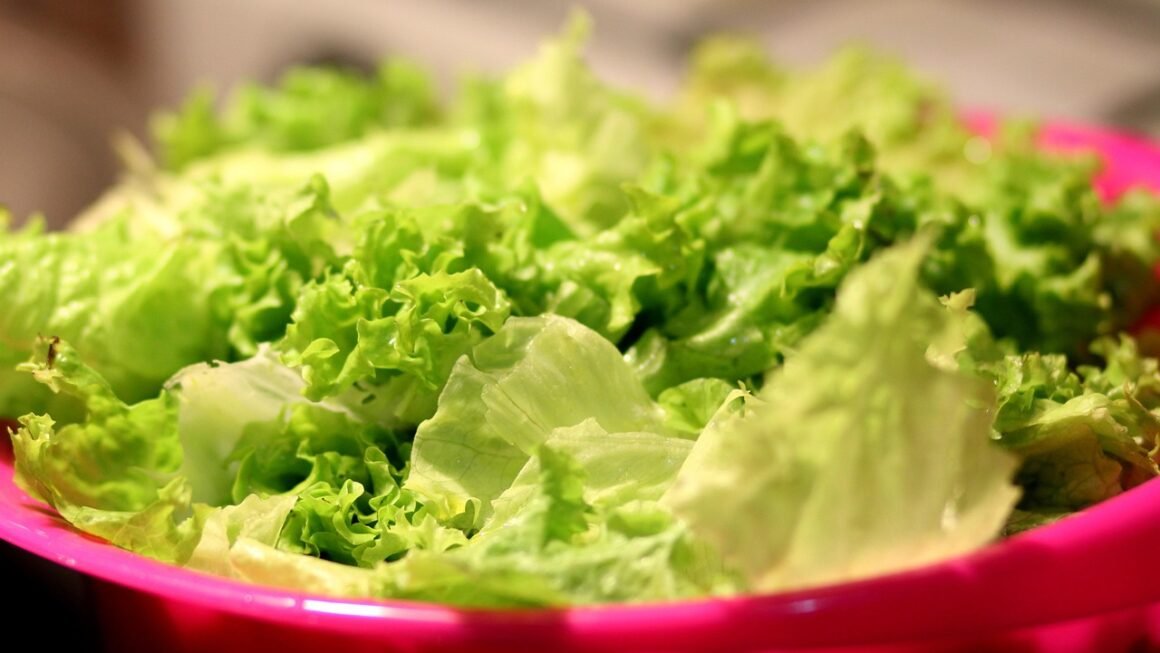
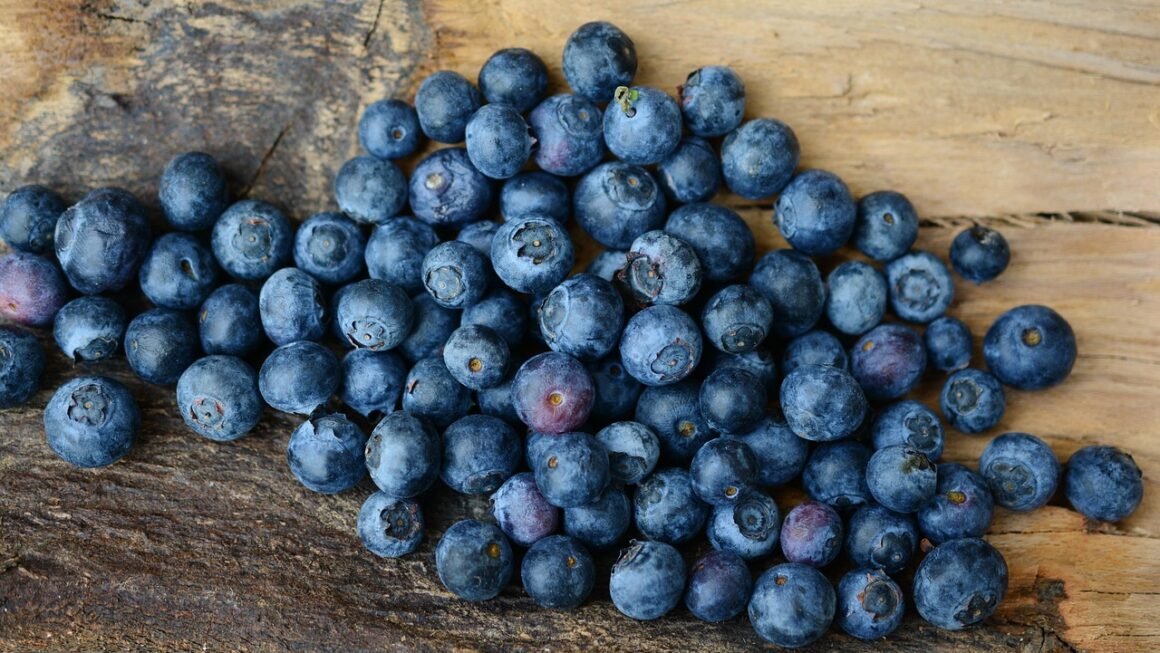
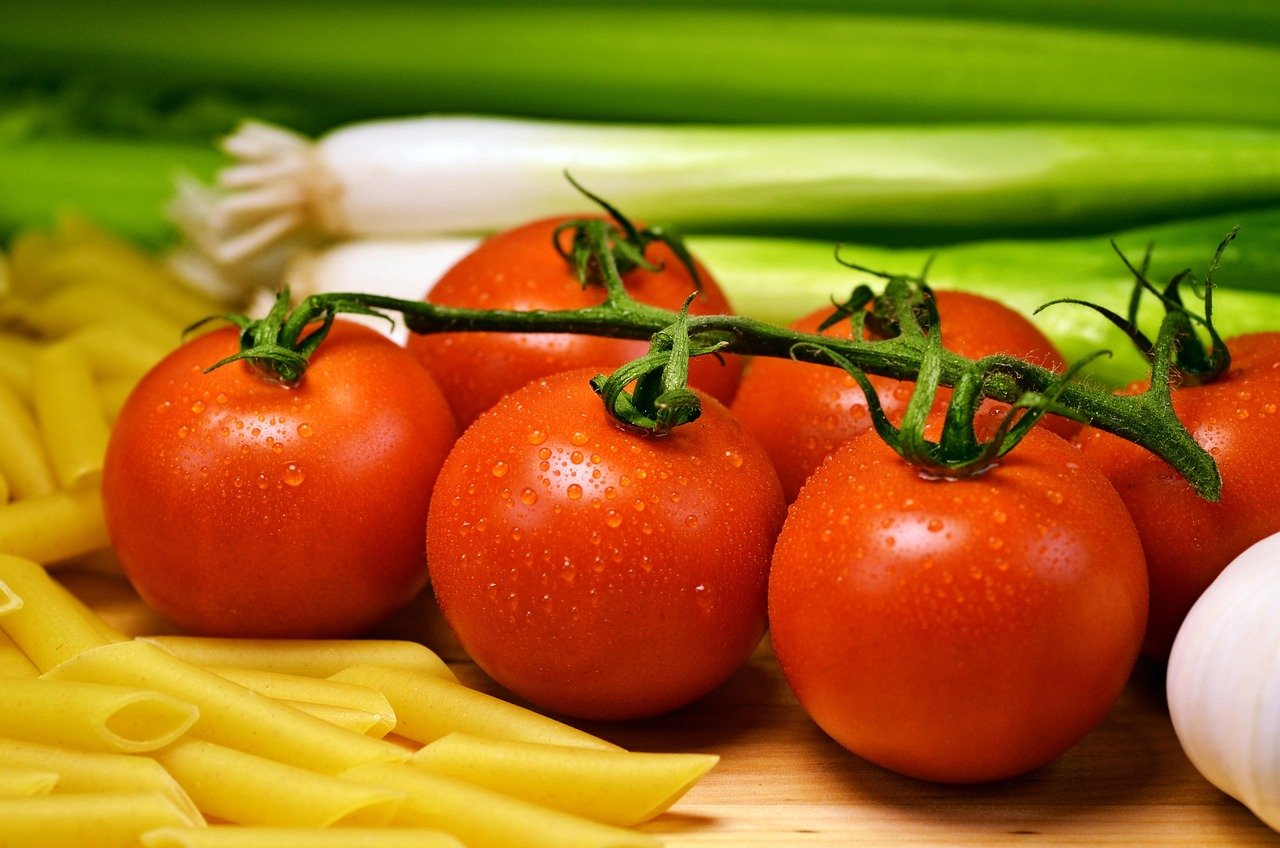
Fruits and vegetables
Meat, poultry, fish, and seafood (plain, unprocessed)
Beans, lentils, and legumes
Rice
Corn
Potatoes
Tapioca
Quinoa
Buckwheat (despite its name, it’s gluten-free)
Oats (ensure they are certified gluten-free, as they can be contaminated during processing)
Reading Labels and Cross-Contamination
- Reading Labels: Always carefully read food labels. Look for “gluten-free” certification or statements. Be aware that ingredients like “modified food starch” can sometimes be derived from wheat.
- Cross-Contamination: Cross-contamination occurs when gluten-free foods come into contact with gluten-containing foods. This can happen in the kitchen when using the same cutting boards, toasters, or utensils. Use separate equipment for gluten-free cooking, or thoroughly wash all surfaces and utensils before preparing gluten-free meals.
- Actionable Takeaway: Dedicate time to scrutinize food labels and understand common hidden sources of gluten. Implement strict cross-contamination protocols in your kitchen.
Building a Balanced Gluten-Free Diet
Focus on Whole, Unprocessed Foods
A healthy gluten-free diet is more than just avoiding gluten. It’s about focusing on nutrient-dense foods that provide the vitamins, minerals, and fiber you need.
- Prioritize:
Lean proteins: Chicken, fish, beans, lentils
Fruits and vegetables: A rainbow of colors for maximum nutrient intake
Gluten-free grains: Brown rice, quinoa, amaranth, millet
Healthy fats: Avocados, nuts, seeds, olive oil
Gluten-Free Alternatives and Replacements
There are numerous gluten-free alternatives available to replace traditional gluten-containing foods:
- Flour Alternatives: Almond flour, coconut flour, rice flour, tapioca starch, potato starch, cornstarch.
- Pasta Alternatives: Rice pasta, quinoa pasta, corn pasta, lentil pasta, black bean pasta, shirataki noodles.
- Bread Alternatives: Gluten-free bread made from various gluten-free flours. Be aware that some gluten-free breads can be high in sugar and low in fiber, so choose wisely.
- Sauce Thickening: Cornstarch, arrowroot powder, tapioca starch.
- Actionable Takeaway: Explore different gluten-free flour blends and recipes to find those that work best for your tastes and dietary needs. Be mindful of the nutritional content of gluten-free substitutes and aim for balanced meals.
Maintaining a Gluten-Free Lifestyle
Eating Out and Traveling
Eating out on a gluten-free diet requires careful planning and communication.
- Before You Go:
Research restaurants beforehand to see if they offer gluten-free options. Many restaurants now have gluten-free menus or clearly mark gluten-free items.
Call the restaurant in advance to discuss your dietary needs and inquire about their cross-contamination procedures.
- When You Arrive:
Inform your server of your dietary requirements and emphasize the importance of avoiding gluten due to celiac disease or gluten sensitivity.
Ask specific questions about how the food is prepared and whether precautions are taken to prevent cross-contamination.
Be wary of sauces, gravies, and fried foods, as they often contain gluten.
Choose simply prepared dishes with minimal ingredients.
- Traveling:
Pack gluten-free snacks and meals for travel days.
Research restaurants and grocery stores at your destination.
Consider renting an apartment or accommodation with a kitchen so you can prepare your own meals.
Learn key phrases in the local language to communicate your dietary needs.
Common Challenges and Solutions
- Social Situations: Attending parties, weddings, and other social events can be challenging. Bring your own gluten-free dish to share, or communicate your dietary needs to the host in advance.
- Cost: Gluten-free products can be more expensive than their gluten-containing counterparts. Look for affordable options, such as buying gluten-free grains in bulk, cooking from scratch, and utilizing coupons.
- Taste and Texture: It may take time to adjust to the taste and texture of gluten-free foods. Experiment with different recipes and ingredients to find what you enjoy.
- Nutrient Deficiencies: Ensure you are getting enough essential nutrients, such as iron, calcium, fiber, and B vitamins. Consider consulting with a registered dietitian to create a personalized meal plan.
- *Actionable Takeaway: Plan ahead and communicate your needs when eating out or traveling. Be patient with yourself as you adjust to the taste and texture of gluten-free foods. Consider a registered dietitian if you are concerned about potential nutrient deficiencies.
Conclusion
Adopting a gluten-free diet can significantly improve the health and well-being of individuals with celiac disease, non-celiac gluten sensitivity, or other related conditions. While it requires careful planning and attention to detail, with the right knowledge and resources, it is possible to maintain a balanced, nutritious, and enjoyable gluten-free lifestyle. By understanding what gluten is, identifying gluten-containing foods, and focusing on whole, unprocessed alternatives, you can successfully navigate the world of gluten-free eating and thrive. Remember to consult with healthcare professionals for personalized guidance and support throughout your journey.