Navigating the world of nutrition can feel like traversing a complex maze, especially when faced with dietary restrictions. One such restriction, the gluten-free diet, has surged in popularity, not just for those with medical necessities, but also as a lifestyle choice. But what exactly is a gluten-free diet, and is it right for you? Let’s delve into the details, separating fact from fiction and providing a comprehensive guide to living gluten-free.
What is a Gluten-Free Diet?
Understanding Gluten
Gluten is a protein found in wheat, barley, and rye. It acts like a glue, helping foods maintain their shape. Think of the elasticity of pizza dough or the chewiness of bread – that’s gluten at work.
The Purpose of a Gluten-Free Diet
A gluten-free diet involves completely eliminating foods containing gluten. It’s primarily a medical necessity for individuals diagnosed with:
- Celiac disease: An autoimmune disorder where gluten triggers an immune response that damages the small intestine.
- Non-celiac gluten sensitivity (NCGS): A condition where individuals experience symptoms similar to celiac disease, such as bloating, fatigue, and abdominal pain, after consuming gluten, but without the intestinal damage.
- Wheat allergy: An allergic reaction to wheat proteins, not just gluten. While some may tolerate other gluten-containing grains, many need to avoid all wheat-based products.
Beyond these medical conditions, some individuals adopt a gluten-free diet in an attempt to manage symptoms of other conditions like irritable bowel syndrome (IBS) or simply as a perceived “healthier” lifestyle.
Benefits of a Gluten-Free Diet (For Those Who Need It)
Reduced Gastrointestinal Symptoms
For individuals with celiac disease or NCGS, eliminating gluten can dramatically reduce or eliminate gastrointestinal symptoms such as:
- Bloating
- Diarrhea
- Abdominal pain
- Constipation
Imagine finally being able to enjoy a meal without the fear of subsequent discomfort – that’s the potential power of a gluten-free diet for those who genuinely need it.
Improved Nutrient Absorption
In celiac disease, the damage to the small intestine impairs nutrient absorption. A gluten-free diet allows the intestine to heal, leading to improved absorption of essential vitamins and minerals like iron, calcium, and folate.
Reduced Inflammation
Gluten triggers inflammation in individuals with celiac disease. By removing gluten, the inflammatory response is reduced, leading to overall improvements in health and well-being.
Other Potential Benefits
Some individuals with celiac disease or NCGS also report improvements in:
- Fatigue
- Headaches
- Skin rashes
- “Brain fog”
Foods to Avoid and Embrace
Foods to Avoid
The following foods almost always contain gluten:
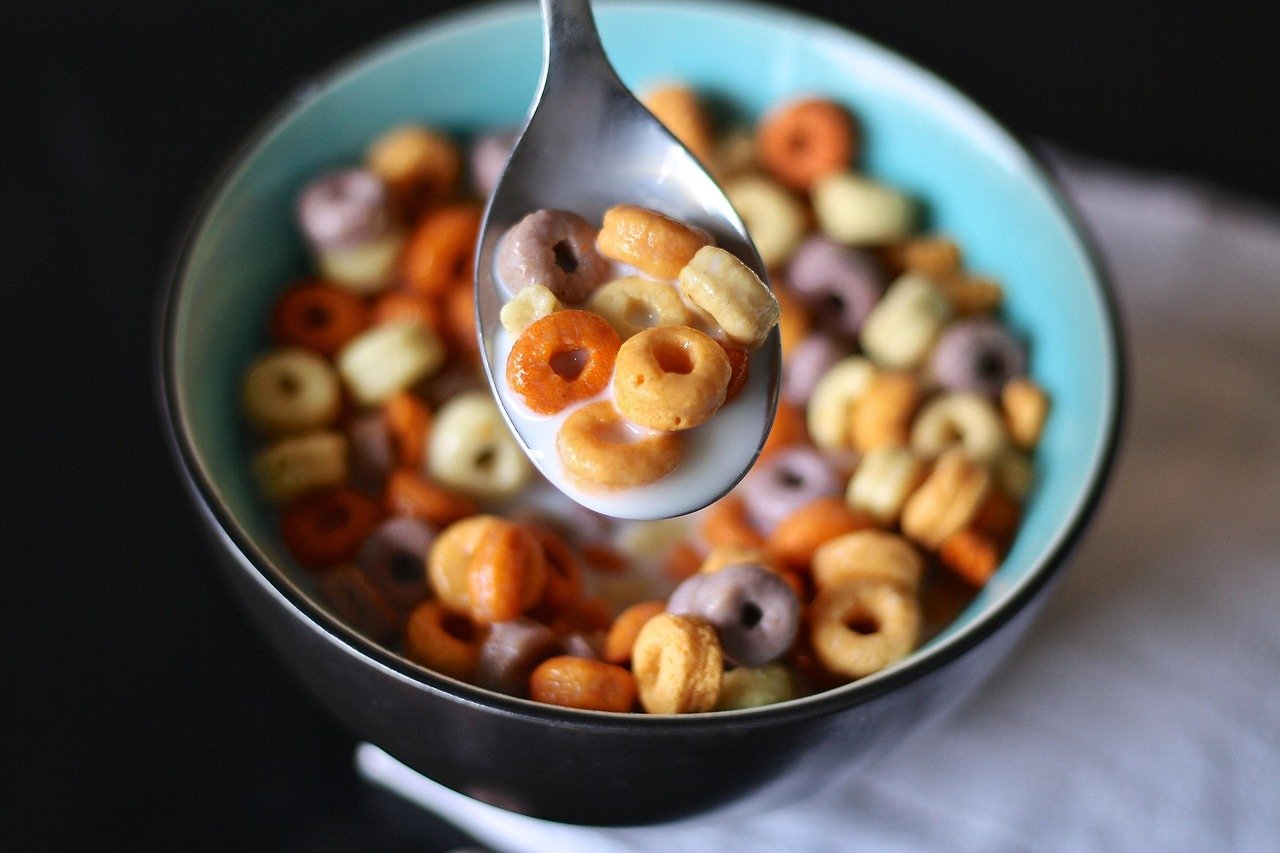
- Wheat: Bread, pasta, cereals, crackers, cakes, cookies, pastries. Look for terms like enriched flour, durum wheat, farina, graham flour, semolina, spelt, and triticale on ingredient labels.
- Barley: Malt, malt flavoring, beer (most beers).
- Rye: Rye bread, rye crackers.
- Processed Foods: Many processed foods, sauces, and seasonings contain hidden gluten. Always check labels carefully. Soy sauce, salad dressings, and even some candies can be culprits.
Practical Tip: Become a diligent label reader! Look for “gluten-free” certifications and be wary of “may contain wheat” warnings.
Gluten-Free Food Options
Thankfully, there are plenty of delicious and nutritious naturally gluten-free foods to enjoy:
- Grains: Rice, corn, quinoa, oats (certified gluten-free), buckwheat, amaranth, teff, sorghum, millet.
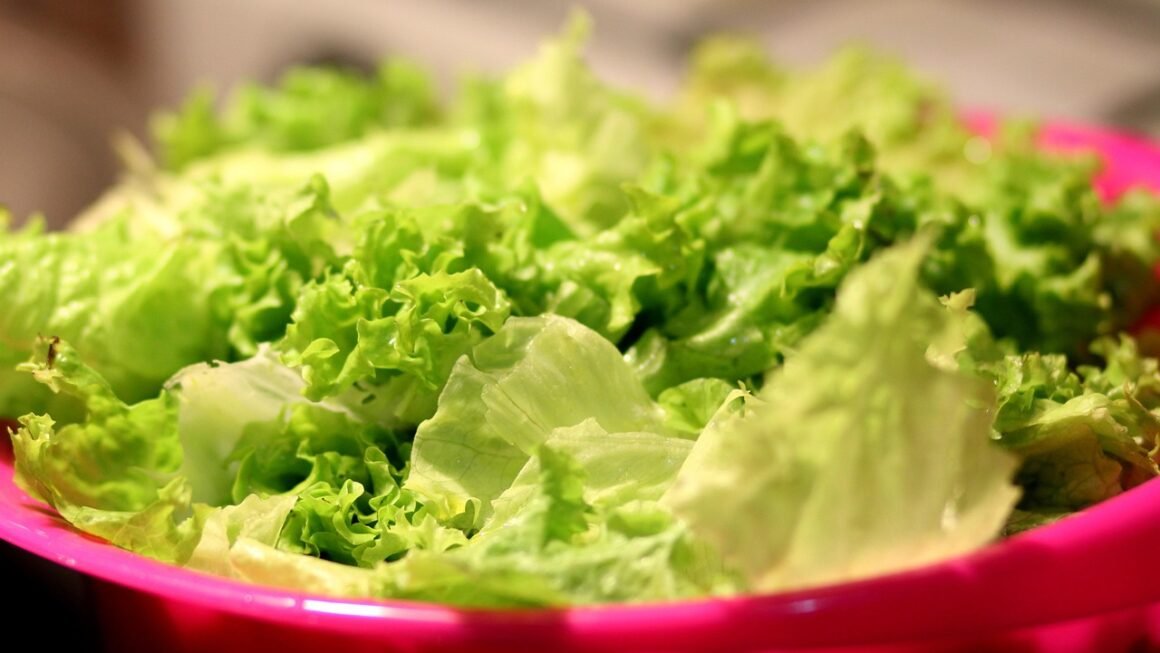
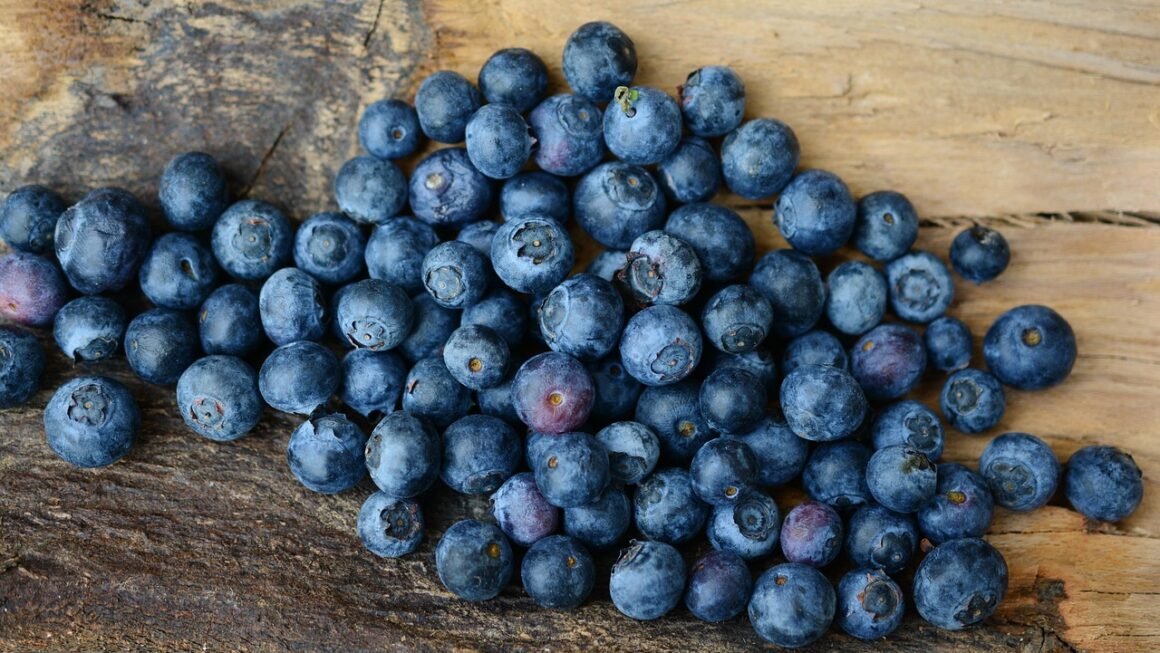
- Fruits and Vegetables: All fresh fruits and vegetables are naturally gluten-free.
- Proteins: Meat, poultry, fish, beans, lentils, nuts, and seeds.
- Dairy: Milk, cheese, yogurt (check labels for added gluten-containing ingredients).
Practical Example: Instead of wheat pasta, try quinoa or brown rice pasta. Use corn tortillas instead of wheat tortillas. Experiment with gluten-free flour blends for baking.
Important Note: Oats can be cross-contaminated with wheat during processing. Look for certified gluten-free oats.
Tips for Transitioning to a Gluten-Free Diet
Consult with a Healthcare Professional
Before starting a gluten-free diet, especially if you suspect celiac disease or NCGS, consult with a doctor or registered dietitian. They can perform necessary testing and provide personalized guidance.
Educate Yourself
Learn about gluten-free foods, hidden sources of gluten, and how to read food labels. The more you know, the easier it will be to navigate the gluten-free world.
Plan Your Meals
Meal planning can help you stay on track and avoid accidental gluten exposure. Prepare gluten-free meals and snacks in advance. Batch cooking is your friend!
Find Gluten-Free Alternatives
Explore gluten-free alternatives to your favorite foods. There are countless gluten-free bread, pasta, and snack options available. Be prepared to experiment and find what you enjoy.
Beware of Cross-Contamination
Cross-contamination occurs when gluten-free foods come into contact with gluten-containing foods. This can happen in the kitchen, at restaurants, or even during food processing. To prevent cross-contamination:
- Use separate cutting boards, utensils, and toasters for gluten-free and gluten-containing foods.
- Clean surfaces thoroughly before preparing gluten-free meals.
- When dining out, inform the restaurant staff about your gluten-free needs and ask about their cross-contamination prevention practices.
Be Patient and Persistent
Adjusting to a gluten-free diet can take time and effort. Be patient with yourself and don’t get discouraged if you make mistakes. With persistence and careful planning, you can successfully manage your diet and improve your health.
Conclusion
A gluten-free diet is a significant undertaking, especially if medically necessary. While not a guaranteed health boost for everyone, it’s crucial for those with celiac disease, NCGS, or wheat allergies. Understanding the intricacies of gluten, knowing which foods to avoid and embrace, and diligently preventing cross-contamination are all key to successfully navigating this dietary path. Always remember to consult with a healthcare professional before making drastic changes to your diet. With the right knowledge and support, you can confidently embrace a gluten-free lifestyle and thrive.