Embarking on a fasting journey can be a transformative experience, offering a range of potential health benefits, from weight management to improved cognitive function. However, successful fasting isn’t just about restricting food; it’s about strategically planning your meals to maximize results and ensure nutritional adequacy. This comprehensive guide explores the essentials of a fasting meal plan, providing practical tips and examples to help you navigate this path effectively.
Understanding Fasting and Its Benefits
What is Intermittent Fasting?
Intermittent fasting (IF) is an eating pattern that cycles between periods of eating and voluntary fasting on a regular schedule. It’s not a diet dictating what foods to eat, but rather when you should eat them. Popular methods include:
- 16/8 Method: Involves fasting for 16 hours and eating during an 8-hour window. For example, eating between noon and 8 pm and fasting for the remaining 16 hours.
- 5:2 Diet: Eating normally for five days a week and restricting calorie intake to 500-600 calories on the other two non-consecutive days.
- Eat-Stop-Eat: Involves a 24-hour fast once or twice a week.
- Alternate-Day Fasting: Fasting every other day, often with a small calorie allowance on fasting days.
Potential Health Benefits of Fasting
Studies suggest intermittent fasting can offer numerous benefits:
- Weight Loss: By restricting eating windows, you may naturally consume fewer calories, leading to weight loss. A study published in the “International Journal of Obesity” showed that intermittent fasting was effective for weight loss similar to traditional calorie restriction.
- Improved Insulin Sensitivity: Fasting can improve insulin sensitivity, making your body better at regulating blood sugar levels. This can be particularly beneficial for individuals at risk of type 2 diabetes.
- Cellular Repair: During fasting, the body initiates cellular repair processes, such as autophagy, which removes damaged cells.
- Brain Health: Some research indicates that intermittent fasting may improve brain function and protect against neurodegenerative diseases. A review in the “New England Journal of Medicine” highlighted potential cognitive benefits.
- Heart Health: Fasting may improve various heart health markers, including blood pressure, cholesterol levels, and triglycerides.
Creating Your Fasting Meal Plan
Defining Your Fasting Schedule
Before crafting your meal plan, choose a fasting method that aligns with your lifestyle and goals. Consider factors like:
- Schedule: Choose a method that fits your daily routine and won’t disrupt your social life too much.
- Health Conditions: Consult with a healthcare professional, especially if you have any underlying health conditions like diabetes or are pregnant or breastfeeding.
- Personal Preferences: Some people find the 16/8 method easiest to adhere to, while others prefer the 5:2 diet.
Macronutrient Considerations
During your eating window, prioritize nutrient-dense foods rich in:
- Protein: Essential for muscle building and repair, and helps you feel full. Examples include lean meats (chicken, turkey, fish), eggs, beans, lentils, tofu, and Greek yogurt. Aim for approximately 0.8 grams of protein per kilogram of body weight.
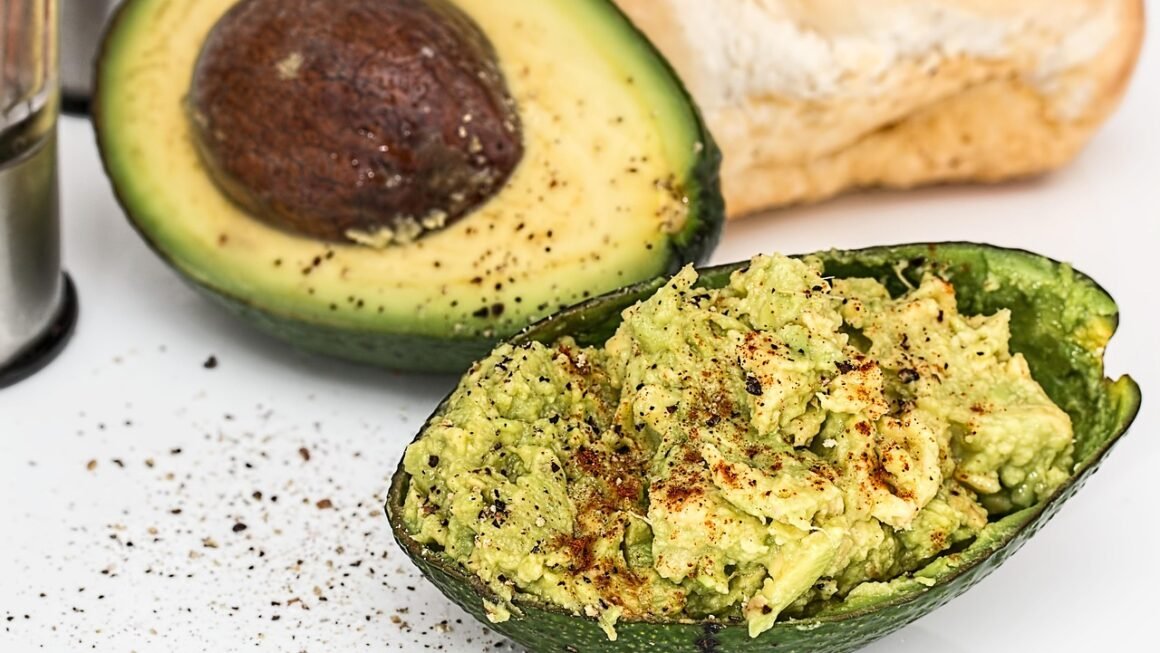
- Healthy Fats: Support hormone production, brain function, and satiety. Good sources include avocados, nuts, seeds, olive oil, and fatty fish like salmon.
- Complex Carbohydrates: Provide sustained energy and fiber. Opt for whole grains (brown rice, quinoa, oats), vegetables, and fruits. Avoid processed carbs and sugary drinks.
Meal Timing and Frequency
- Prioritize Whole Foods: Focus on unprocessed foods to maximize nutrient intake and support your body during fasting.
- Plan Your Meals in Advance: This helps you stay on track and avoid impulsive food choices.
- Listen to Your Body: Pay attention to hunger cues and adjust your meal plan accordingly. Don’t force yourself to eat if you’re not hungry during your eating window.
- Example 16/8 Fasting Meal Plan (Eating Window: 12 PM – 8 PM)
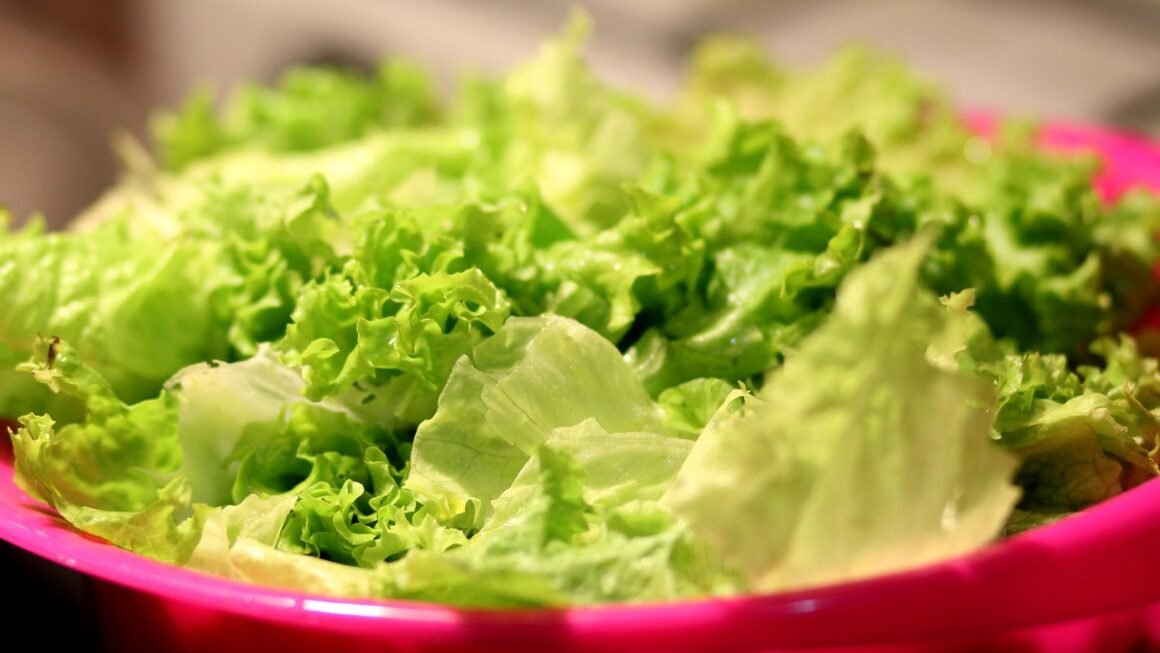
- 12:00 PM (Lunch): Large salad with grilled chicken or fish, mixed greens, avocado, nuts, and a light vinaigrette dressing.
- 3:00 PM (Snack): Greek yogurt with berries and a handful of almonds.
- 6:00 PM (Dinner): Salmon with roasted vegetables (broccoli, carrots, bell peppers) and quinoa.
Foods to Focus on During Your Eating Window
Protein Sources
- Lean Meats: Chicken, turkey, lean beef, and pork provide essential amino acids.
- Fish: Salmon, tuna, and other fatty fish are rich in omega-3 fatty acids.
- Eggs: A complete protein source with numerous vitamins and minerals.
- Legumes: Beans, lentils, and chickpeas are excellent plant-based protein sources.
- Tofu and Tempeh: Plant-based protein options suitable for vegetarians and vegans.
Healthy Fats
- Avocados: Packed with healthy monounsaturated fats and fiber.
- Nuts and Seeds: Almonds, walnuts, chia seeds, and flaxseeds are good sources of healthy fats, fiber, and minerals.
- Olive Oil: Use extra virgin olive oil for cooking and salad dressings.
- Coconut Oil: Use sparingly due to its high saturated fat content.
Complex Carbohydrates
- Whole Grains: Brown rice, quinoa, oats, and whole-wheat bread provide sustained energy.
- Vegetables: Broccoli, spinach, carrots, bell peppers, and other non-starchy vegetables are rich in vitamins, minerals, and fiber.
- Fruits: Berries, apples, bananas, and oranges provide essential vitamins and antioxidants.
Foods and Drinks to Avoid During Fasting
What to Avoid During Fasting Periods
Strictly adhering to fasting periods is crucial for the benefits of intermittent fasting. This primarily means:
- Caloric Foods and Drinks: Any food or drink containing significant calories will break your fast. This includes meals, snacks, and sugary beverages.
- Certain Supplements: Some supplements, especially gummy vitamins or those containing sugar, can disrupt the fasting state.
Permitted Beverages
- Water: Staying hydrated is essential during fasting. Drink plenty of water throughout the day.
- Black Coffee: Plain black coffee is allowed as it contains minimal calories. However, adding sugar or milk will break your fast.
- Unsweetened Tea: Herbal tea, green tea, or black tea without added sugar or milk are acceptable.
Tips for Successful Fasting
Staying Hydrated
- Drink Water Throughout the Day: Aim for at least eight glasses of water per day.
- Add Electrolytes: Especially if you are fasting for longer periods, consider adding electrolytes to your water to maintain balance.
Managing Hunger
- Drink Water: Often, thirst is mistaken for hunger. Drinking water can help curb cravings.
- Stay Busy: Engage in activities that distract you from thinking about food, such as reading, exercising, or spending time with friends and family.
- Plan Your Meals: Knowing what you will eat during your eating window can help reduce anxiety and cravings.
- Consider Low-Calorie Beverages: Black coffee or herbal tea can help suppress appetite without breaking your fast.
Monitoring Your Progress
- Track Your Weight: Weigh yourself regularly to monitor your progress.
- Keep a Food Journal: Record what you eat during your eating window to ensure you are meeting your nutritional needs.
- Listen to Your Body:* Pay attention to how you feel and adjust your fasting schedule accordingly.
Conclusion
Creating an effective fasting meal plan requires careful consideration of your fasting schedule, macronutrient intake, and food choices. By prioritizing nutrient-dense foods, staying hydrated, and managing hunger effectively, you can maximize the benefits of intermittent fasting while maintaining overall health and well-being. Remember to consult with a healthcare professional before starting any new fasting regimen, especially if you have underlying health conditions.