Ready to transform your relationship with food and unlock a healthier, happier you? Navigating the world of diets and nutrition can feel overwhelming, with countless trends and conflicting information bombarding you from every direction. This comprehensive guide cuts through the noise, providing evidence-based diet tips and strategies to help you achieve sustainable and realistic dietary improvements. Whether you’re looking to lose weight, boost your energy levels, or simply make healthier choices, this article will equip you with the knowledge and tools you need to succeed.
Understanding Your Caloric Needs
Calculating Your Basal Metabolic Rate (BMR)
Your Basal Metabolic Rate (BMR) is the number of calories your body burns at rest to maintain basic functions like breathing and circulation. Knowing your BMR is the first step in understanding your caloric needs for weight loss, maintenance, or gain.
- How to Calculate: Several online calculators and formulas exist to estimate your BMR. A commonly used formula is the Harris-Benedict equation. Be sure to select an online calculator and take into account your age, sex, height, and weight.
- Why It Matters: Your BMR provides a baseline. To lose weight, you need to consume fewer calories than you burn (creating a caloric deficit). To gain weight, you need to consume more.
- Example: A 35-year-old female, 5’6″ tall, weighing 150 lbs might have a BMR of around 1400 calories.
Factors Affecting Caloric Intake
Several factors beyond BMR influence your overall caloric needs:
- Activity Level: The more active you are, the more calories you burn. Sedentary lifestyles require fewer calories than highly active ones. Multiply your BMR by an activity factor (ranging from 1.2 for sedentary to 1.9 for very active) to estimate your Total Daily Energy Expenditure (TDEE).
- Age: Metabolism tends to slow down with age, requiring fewer calories.
- Body Composition: Muscle mass burns more calories than fat mass.
- Health Conditions: Certain medical conditions can affect metabolism and caloric needs.
- Tip: Use a reliable TDEE calculator online, input your details accurately, and adjust your intake based on results (or consult a registered dietician or nutritionist).
Prioritizing Whole, Unprocessed Foods
Focusing on Nutrient Density
Nutrient-dense foods provide a high concentration of vitamins, minerals, and other beneficial compounds relative to their calorie content.
- Examples of Nutrient-Dense Foods:
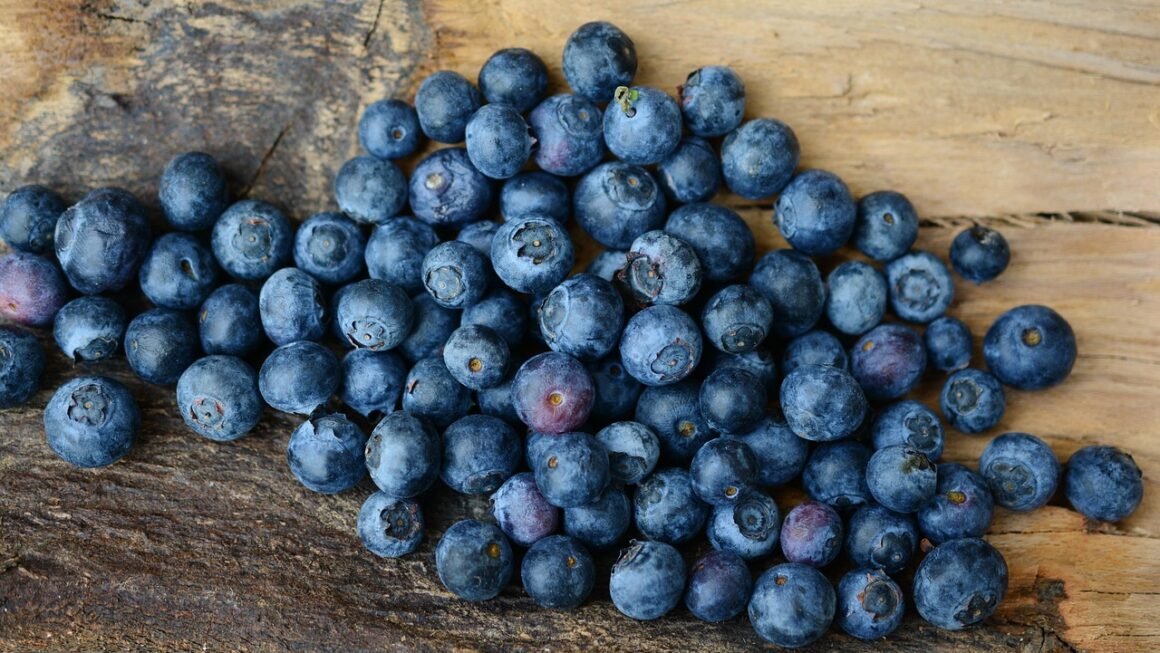
Fruits: Berries, apples, oranges
Vegetables: Leafy greens (spinach, kale), broccoli, carrots
Lean Proteins: Chicken breast, fish, beans, lentils
Whole Grains: Brown rice, quinoa, oats
Healthy Fats: Avocado, nuts, seeds
- Benefits:
Increased energy levels
Improved overall health and well-being
Better weight management
Reduced risk of chronic diseases
Limiting Processed Foods, Sugary Drinks, and Added Sugars
Processed foods are often high in calories, unhealthy fats, sodium, and added sugars, while lacking essential nutrients.
- Examples of Processed Foods to Limit:
Fast food
Sugary cereals
Packaged snacks (chips, cookies, candy)
Processed meats (bacon, sausage)
Sugary Drinks (soda, juice)
- Why Limit Them?
Contribute to weight gain
Increase risk of type 2 diabetes, heart disease, and other health problems
Offer little nutritional value
- Actionable Tip: Read food labels carefully and be mindful of added sugars and unhealthy fats. Look for alternatives with natural sweeteners and whole ingredients. Try to cook at home more often.
Mastering Portion Control and Mindful Eating
Using Smaller Plates and Measuring Cups
Controlling portion sizes is crucial for weight management and overall health. Visual cues and tools can help you estimate and manage your portions effectively.
- Practical Tips:
Use smaller plates and bowls.
Measure food using measuring cups and spoons, especially when starting out.
Be aware of recommended serving sizes on food labels.
Pre-portion snacks into individual bags or containers.
- Example: Instead of eating directly from a large bag of chips, measure out a single serving into a bowl.
Practicing Mindful Eating Techniques
Mindful eating involves paying attention to the sensory experience of eating and being present in the moment.
- Benefits of Mindful Eating:
Increased awareness of hunger and fullness cues
Reduced overeating
Improved digestion
Enhanced enjoyment of food
- How to Practice Mindful Eating:
Eat slowly and deliberately.
Pay attention to the taste, texture, and smell of your food.
Minimize distractions (e.g., TV, phone) while eating.
Chew your food thoroughly.
Listen to your body’s hunger and fullness signals.
Staying Hydrated and Incorporating Fiber
Drinking Enough Water Throughout the Day
Adequate hydration is essential for various bodily functions, including digestion, nutrient absorption, and temperature regulation.
- Benefits of Staying Hydrated:
Improved energy levels
Enhanced cognitive function
Reduced cravings
Weight management
- How Much Water Do You Need? A general recommendation is to drink at least 8 glasses (64 ounces) of water per day, but individual needs may vary. Pay attention to your thirst cues.
- Tips: Carry a water bottle with you, set reminders to drink water throughout the day, and incorporate hydrating foods like fruits and vegetables into your diet.
Increasing Fiber Intake for Satiety and Digestion
Fiber is a type of carbohydrate that the body cannot digest. It adds bulk to your diet, promoting feelings of fullness and supporting healthy digestion.
- Sources of Fiber:
Fruits (berries, apples, pears)
Vegetables (broccoli, Brussels sprouts, leafy greens)
Whole grains (oats, brown rice, quinoa)
Legumes (beans, lentils, peas)
Nuts and seeds
- Benefits of Fiber:
Promotes satiety and weight management
Regulates blood sugar levels
Lowers cholesterol levels
Supports healthy bowel movements
- Actionable Tip: Gradually increase your fiber intake to avoid digestive discomfort. Aim for 25-35 grams of fiber per day.
Planning Meals and Snacking Strategically
Preparing Meals in Advance
Meal prepping involves preparing meals and snacks in advance to ensure you have healthy options readily available, reducing the likelihood of impulsive and unhealthy food choices.
- Benefits of Meal Prepping:
Saves time and effort during the week
Reduces stress related to meal planning
Promotes healthier eating habits
Helps with portion control
- Tips for Meal Prepping:
Choose a day to plan and prepare your meals (e.g., Sunday).
Create a meal plan for the week.
Make a grocery list based on your meal plan.
Cook large batches of meals and portion them into containers.
Store prepped meals in the refrigerator or freezer.
Choosing Healthy Snacks to Curb Cravings
Snacking can be a part of a healthy diet, but it’s important to choose snacks that are nutritious and satisfying.
- Healthy Snack Options:
Fruits and vegetables (e.g., apple slices with peanut butter, carrots with hummus)
Nuts and seeds (e.g., almonds, walnuts, sunflower seeds)
Greek yogurt with berries
Hard-boiled eggs
Air-popped popcorn
- Avoid:
Sugary Snacks
* Highly processed snacks
- Tip: Plan your snacks ahead of time to avoid impulsive choices when you’re hungry.
Conclusion
Embarking on a healthier eating journey is a personal and evolving process. By understanding your caloric needs, prioritizing whole foods, practicing portion control and mindful eating, staying hydrated, increasing fiber intake, and planning meals and snacks strategically, you can create sustainable and positive changes in your diet. Remember, consistency and patience are key. Small, gradual changes are more likely to lead to long-term success than drastic overhauls. Consult with a registered dietitian or healthcare professional for personalized guidance and support to help you achieve your specific health and wellness goals.