Navigating the world of health and wellness can feel like exploring a vast, uncharted territory. Among the many paths available, herbal supplements have gained significant traction as a natural way to support overall well-being. But with a plethora of options available, understanding what they are, their benefits, potential risks, and how to choose the right ones can be overwhelming. This guide is designed to provide a comprehensive overview of herbal supplements, empowering you to make informed decisions about incorporating them into your health regimen.
What are Herbal Supplements?
Definition and History
Herbal supplements are dietary supplements that contain one or more herbs, or botanical ingredients. These ingredients are typically derived from plants, including roots, stems, leaves, flowers, seeds, and fruits. They’ve been used for centuries in traditional medicine systems like Ayurveda and Traditional Chinese Medicine (TCM) for their potential therapeutic properties.
- Ancient Origins: Herbal remedies have been used for thousands of years, predating modern medicine. Evidence suggests their use dates back to ancient civilizations in Egypt, Greece, and Rome.
- Modern Popularity: In recent years, there’s been a resurgence in the popularity of herbal supplements, driven by a growing interest in natural and alternative health practices. A 2022 study by the Council for Responsible Nutrition found that 79% of U.S. adults reported using dietary supplements, with herbal supplements being a significant portion of this market.
How They Differ from Pharmaceuticals
While both herbal supplements and pharmaceuticals are intended to impact health, they differ significantly in their composition, regulation, and mechanisms of action.
- Complexity vs. Isolation: Pharmaceuticals typically contain a single, isolated active compound, designed for a specific target in the body. Herbal supplements, on the other hand, contain a complex mixture of bioactive compounds that may work synergistically.
- Regulation: Pharmaceutical drugs undergo rigorous testing and approval processes by regulatory agencies like the FDA. Herbal supplements are regulated as foods, meaning they don’t require pre-market approval. The FDA’s role is primarily focused on ensuring that supplements are safe and properly labeled.
- Mechanism of Action: Pharmaceuticals often have a well-defined mechanism of action. Herbal supplements can have multiple mechanisms of action that are not always fully understood.
- Example: Think of turmeric. Pharmaceutical companies might isolate curcumin, its most active compound, for targeted anti-inflammatory medication. An herbal supplement will contain turmeric root powder with all its naturally occurring compounds including curcumin, volatile oils, and other nutrients.
Potential Benefits of Herbal Supplements
Immune Support
Several herbal supplements are known for their immune-boosting properties.
- Echinacea: Often used to reduce the duration and severity of colds. Studies show that Echinacea can stimulate the immune system by increasing the activity of white blood cells.
- Elderberry: Rich in antioxidants and has been shown to reduce the length and severity of flu symptoms. Elderberry extract is available in various forms, like syrups and lozenges.
- Garlic: Contains allicin, a compound with antiviral and antibacterial properties. Regularly consuming garlic may help prevent infections.
Stress and Anxiety Relief
Many people turn to herbal supplements for natural stress and anxiety relief.
- Ashwagandha: An adaptogen known for its ability to help the body cope with stress. It may help reduce cortisol levels, a hormone released during stress.
- Rhodiola: Another adaptogen that can help improve mental performance and reduce fatigue during stressful situations.
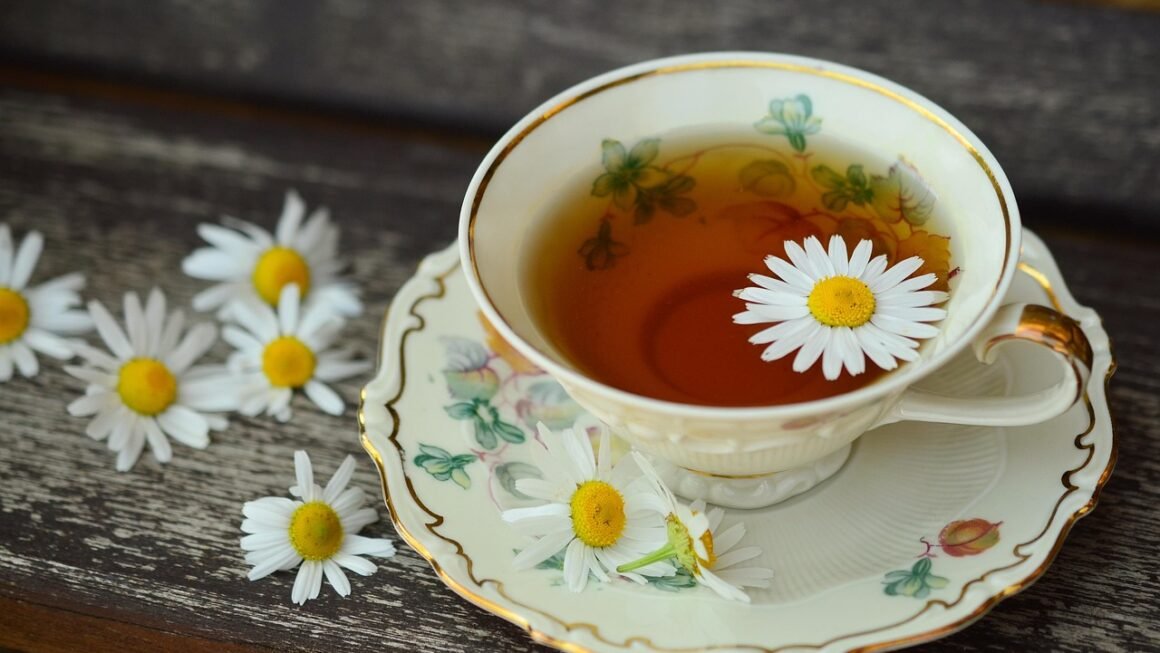
- Chamomile: Known for its calming properties. Often consumed as a tea to promote relaxation and reduce anxiety.
Improved Sleep
Certain herbal supplements can promote better sleep quality.
- Valerian Root: Has been used for centuries as a natural sleep aid. It may help reduce the time it takes to fall asleep and improve sleep quality.
- Melatonin: While technically a hormone, melatonin supplements help regulate the sleep-wake cycle. However, use with caution and under the advice of a medical professional, as melatonin can cause side effects.
- Lavender: Known for its calming scent, lavender can be used in aromatherapy or as a tea to promote relaxation and improve sleep.
Other Potential Benefits
- Improved Digestion: Herbs like ginger, peppermint, and chamomile can aid digestion and alleviate symptoms of bloating, gas, and indigestion.
- Anti-inflammatory Properties: Turmeric, ginger, and boswellia are known for their anti-inflammatory effects, which can help manage conditions like arthritis and inflammatory bowel disease.
- Cardiovascular Health: Herbs like hawthorn and garlic have been shown to support heart health by improving blood flow and reducing blood pressure and cholesterol levels.
Risks and Side Effects
Potential Side Effects
While often perceived as safe due to their natural origin, herbal supplements can have side effects.
- Allergic Reactions: Some individuals may be allergic to certain herbs, leading to reactions like skin rashes, itching, or difficulty breathing.
- Digestive Issues: Certain herbs can cause digestive upset, such as nausea, vomiting, diarrhea, or constipation.
- Interactions with Medications: Herbal supplements can interact with prescription medications, altering their effectiveness or increasing the risk of side effects.
Interactions with Medications
It is critical to discuss any herbal supplements you are taking with your doctor, especially if you are taking prescription medications.
- Blood Thinners: Herbs like garlic, ginger, and ginkgo can have blood-thinning effects and may increase the risk of bleeding if taken with anticoagulants like warfarin.
- Antidepressants: St. John’s Wort, a common herbal remedy for depression, can interact with certain antidepressants, potentially leading to serotonin syndrome.
- Blood Pressure Medications: Some herbs can affect blood pressure and may interfere with the effectiveness of antihypertensive medications.
Quality Control and Contamination
The supplement industry is not as tightly regulated as the pharmaceutical industry, which can lead to quality control issues and contamination.
- Varying Potency: The amount of active ingredient in an herbal supplement can vary significantly between brands and even between batches.
- Contamination: Supplements may be contaminated with heavy metals, pesticides, or other harmful substances.
- Adulteration: Some supplements may be adulterated with undeclared ingredients, including prescription drugs.
- Example: A 2015 New York Attorney General investigation found that many herbal supplements sold at major retailers did not contain the herbs listed on the label and were instead contaminated with other plant materials or fillers.
Choosing the Right Herbal Supplements
Research and Due Diligence
Before taking any herbal supplement, do your research and gather information from reliable sources.
- Consult a Healthcare Professional: Discuss your interest in herbal supplements with your doctor, pharmacist, or a qualified herbalist. They can help you determine if a particular supplement is safe and appropriate for you.
- Reliable Sources: Look for information from reputable sources, such as government agencies (e.g., the National Institutes of Health), professional organizations, and scientific journals.
- Understand Potential Interactions: Be aware of potential interactions between herbal supplements and any medications you are taking.
Reading Labels and Understanding Ingredients
Carefully read the labels of herbal supplements and understand the ingredients they contain.
- Ingredients List: Pay attention to the ingredients list and look for any additives, fillers, or allergens.
- Standardized Extracts: Choose supplements that contain standardized extracts, which means that the amount of active ingredient is guaranteed to be within a certain range.
- Dosage: Follow the recommended dosage on the label or as directed by your healthcare provider.
- Third-Party Certifications: Look for supplements that have been tested and certified by independent third-party organizations like NSF International, USP, or ConsumerLab.com. These certifications indicate that the supplement has been tested for quality, purity, and potency.
Considering Your Individual Needs
Choose herbal supplements that are appropriate for your individual needs and health goals.
- Specific Health Conditions: Select supplements that are known to support the specific health conditions you are trying to manage.
- Allergies and Sensitivities: Avoid supplements that contain ingredients you are allergic or sensitive to.
- Pregnancy and Breastfeeding: Certain herbal supplements are not safe for pregnant or breastfeeding women. Consult with your healthcare provider before taking any supplements during pregnancy or breastfeeding.
- Age and Overall Health: Consider your age and overall health status when choosing herbal supplements. Some supplements may not be appropriate for children or older adults.
Conclusion
Herbal supplements can be a valuable tool for supporting overall health and well-being when used responsibly and with careful consideration. It’s crucial to approach herbal supplements with a balanced perspective, understanding both their potential benefits and risks. Always consult with a healthcare professional before starting any new supplement regimen, especially if you have underlying health conditions or are taking medications. By doing your research, reading labels carefully, and choosing high-quality products, you can make informed decisions about incorporating herbal supplements into your wellness routine. Remember, herbal supplements are not intended to replace conventional medical care, but rather to complement it and promote a holistic approach to health.