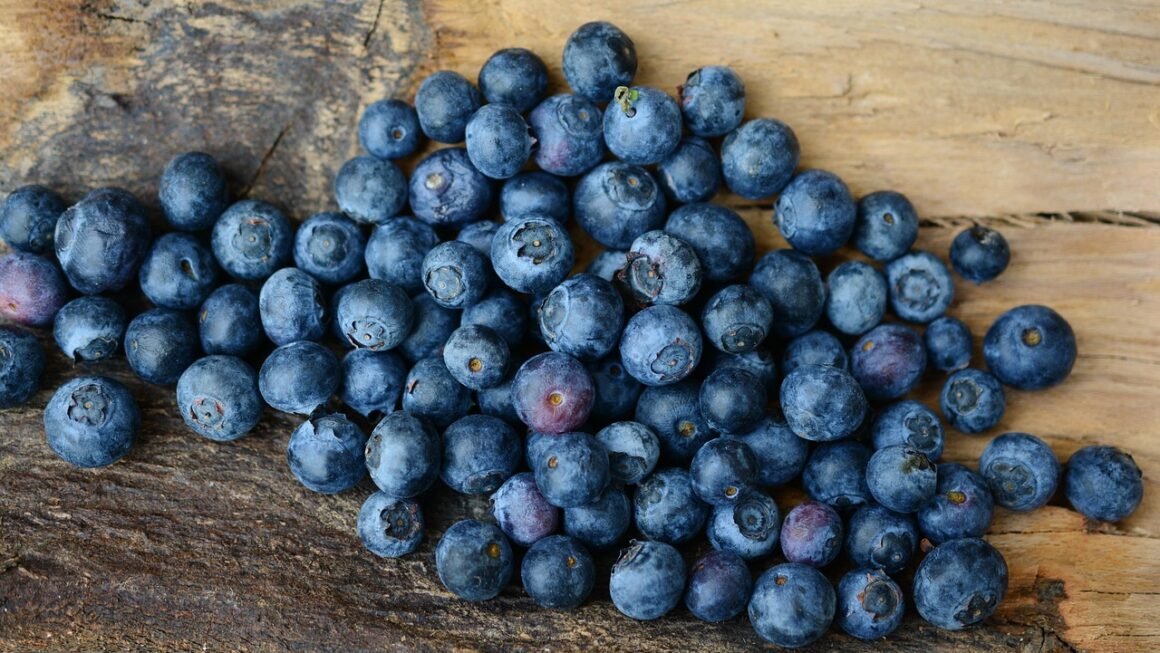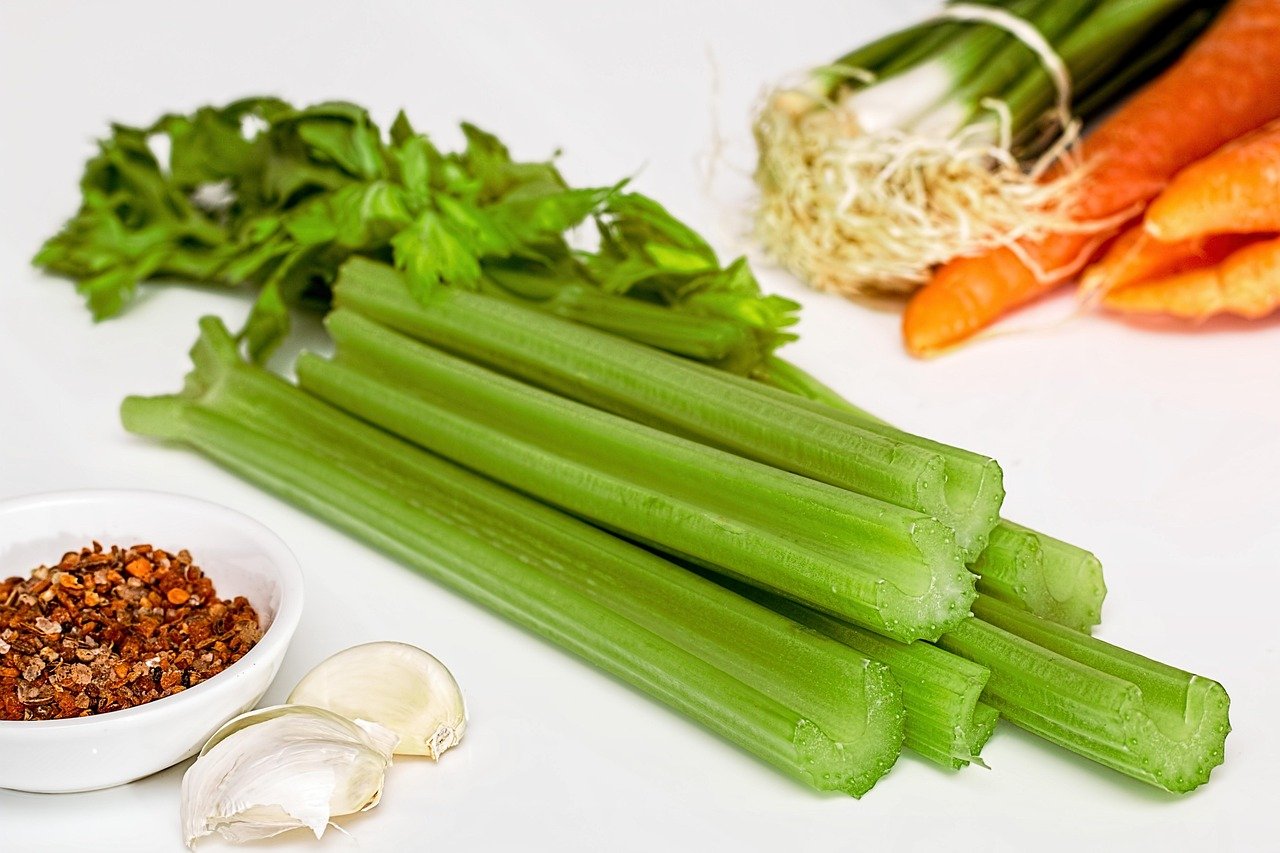
Embarking on a vegetarian journey is more than just ditching meat; it’s a lifestyle choice with significant implications for your health, the environment, and even animal welfare. With a growing awareness of these benefits, more and more people are exploring plant-based diets. This comprehensive guide delves into the world of vegetarianism, exploring its different types, benefits, and practical tips to help you make informed decisions and successfully adopt this lifestyle.
Understanding Vegetarianism
Vegetarianism is a dietary practice that excludes the consumption of animal flesh. However, the extent of restriction varies, leading to different types of vegetarian diets.
Types of Vegetarian Diets
- Lacto-ovo Vegetarian: This is the most common type. It excludes meat, poultry, and fish but includes dairy products (lacto) and eggs (ovo).
Example: A typical meal might include a cheese omelet with vegetables, a yogurt parfait, or a pasta dish with cream sauce.
- Lacto Vegetarian: This diet excludes meat, poultry, fish, and eggs, but allows dairy products.
Example: A meal could consist of lentil soup with a side of bread and cheese, or a vegetable curry with rice and a yogurt raita.
- Ovo Vegetarian: This diet excludes meat, poultry, fish, and dairy products, but allows eggs.
Example: A breakfast could be a tofu scramble with spinach and mushrooms, or a vegetable frittata.
- Vegan: This is the strictest form of vegetarianism. It excludes all animal products, including meat, poultry, fish, eggs, dairy, honey, and often other animal-derived ingredients like gelatin.
Example: A vegan meal might include a black bean burger on a whole-wheat bun, a vegetable stir-fry with tofu, or a chickpea curry with brown rice.
- Flexitarian (Semi-Vegetarian): This is not strictly vegetarian, but rather a plant-based diet that occasionally includes meat, poultry, or fish.
Example: Someone might eat vegetarian meals for most of the week but occasionally have a chicken breast or a piece of fish.
Why Choose Vegetarianism?
Choosing a vegetarian diet is a personal decision, often driven by a combination of factors.
- Health Benefits: Studies have shown that vegetarians tend to have lower risks of heart disease, type 2 diabetes, certain cancers, and obesity.
Example: Plant-based diets are often rich in fiber, which helps regulate blood sugar levels and promotes digestive health.
- Ethical Concerns: Many vegetarians are motivated by concerns about animal welfare and the treatment of animals in factory farms.
Example: They may believe that animals have a right to live free from suffering and exploitation.
- Environmental Impact: Meat production is a significant contributor to greenhouse gas emissions, deforestation, and water pollution. Vegetarian diets generally have a smaller environmental footprint.
Example: Raising livestock for meat requires vast amounts of land for grazing and growing feed, contributing to deforestation and habitat loss.
Health Benefits of a Vegetarian Diet
A well-planned vegetarian diet offers numerous health advantages due to its emphasis on nutrient-rich plant-based foods.
Reduced Risk of Chronic Diseases
- Heart Disease: Vegetarian diets are typically lower in saturated fat and cholesterol, which can help lower LDL (“bad”) cholesterol levels and reduce the risk of heart disease. A 2017 study in the Journal of the American Heart Association found that vegetarians have a 40% lower risk of heart disease compared to non-vegetarians.
Actionable Takeaway: Choose unsaturated fats like olive oil and avocado oil over saturated fats like butter and lard.
- Type 2 Diabetes: Vegetarian diets can improve blood sugar control and insulin sensitivity, lowering the risk of type 2 diabetes.
Actionable Takeaway: Focus on whole grains, legumes, and non-starchy vegetables to maintain stable blood sugar levels.
- Certain Cancers: Some studies suggest that vegetarian diets may reduce the risk of certain cancers, such as colon cancer and breast cancer, due to their high fiber and antioxidant content.
Actionable Takeaway: Include a variety of colorful fruits and vegetables in your diet for maximum antioxidant benefits.
Weight Management
- Vegetarian diets are often lower in calories and higher in fiber, which can promote feelings of fullness and aid in weight management.
Example: A large salad with mixed greens, vegetables, beans, and a light vinaigrette dressing is a filling and low-calorie meal option.
Improved Digestive Health
- The high fiber content in vegetarian diets promotes healthy digestion and prevents constipation.
Actionable Takeaway: Aim for at least 25-30 grams of fiber per day by including plenty of fruits, vegetables, and whole grains in your diet.
Getting Started: Practical Tips for a Successful Transition
Transitioning to a vegetarian diet can be a smooth and enjoyable process with proper planning and preparation.
Gradual Transition
- Instead of going cold turkey, gradually reduce your meat consumption over time.
Example: Start by having one or two vegetarian meals per week and gradually increase the frequency.
Meal Planning
- Plan your meals in advance to ensure you’re getting all the necessary nutrients.
Example: Use online resources, cookbooks, or meal planning apps to find vegetarian recipes and create a weekly menu.
Focus on Variety
- Include a wide variety of plant-based foods in your diet to ensure you’re getting all the essential nutrients.
Example: Incorporate different types of fruits, vegetables, legumes, nuts, seeds, and whole grains into your meals.
Learn to Cook Vegetarian Dishes
- Experiment with new recipes and cooking techniques to discover delicious and satisfying vegetarian meals.
Example: Take a vegetarian cooking class or watch online cooking tutorials to learn new skills.
Stock Your Pantry
- Stock your pantry with vegetarian staples like beans, lentils, tofu, tempeh, nuts, seeds, and whole grains.
Example: Keep a supply of canned beans, lentils, and vegetable broth on hand for quick and easy meals.
Nutritional Considerations for Vegetarians
A well-balanced vegetarian diet can provide all the necessary nutrients. However, it’s important to pay attention to certain nutrients that may be more challenging to obtain from plant-based sources.
Protein
- Vegetarians can obtain sufficient protein from sources like legumes, tofu, tempeh, nuts, seeds, and whole grains.
Example: A cup of cooked lentils contains about 18 grams of protein.
- Complete Proteins: While most plant-based proteins are “incomplete” (lacking one or more essential amino acids), combining different plant-based sources can provide all the essential amino acids.
Example: Eating rice and beans together provides a complete protein source.
Iron
- Iron is crucial for carrying oxygen in the blood. Plant-based iron (non-heme iron) is less easily absorbed than heme iron from animal products.
Actionable Takeaway: Consume iron-rich foods like spinach, lentils, and fortified cereals, and pair them with vitamin C-rich foods to enhance absorption.
- Example: Eating a spinach salad with strawberries or drinking orange juice with a lentil soup can improve iron absorption.
Vitamin B12
- Vitamin B12 is primarily found in animal products and is essential for nerve function and red blood cell production.
Actionable Takeaway: Vegetarians, especially vegans, should take a B12 supplement or consume fortified foods like nutritional yeast and plant-based milks.
Omega-3 Fatty Acids
- Omega-3 fatty acids are important for brain health and heart health. Plant-based sources include flaxseeds, chia seeds, walnuts, and algae-based supplements.
Actionable Takeaway: Add ground flaxseeds or chia seeds to your smoothies or sprinkle walnuts on your salads to boost your omega-3 intake.
Calcium and Vitamin D
- Calcium is essential for bone health, and vitamin D helps with calcium absorption. Vegetarians can obtain calcium from leafy green vegetables, fortified plant-based milks, and tofu. Vitamin D can be obtained from sunlight exposure, fortified foods, and supplements.
Actionable Takeaway: Spend time outdoors in the sun or take a vitamin D supplement to ensure adequate levels.
Conclusion
Adopting a vegetarian diet is a significant step towards a healthier and more sustainable lifestyle. By understanding the different types of vegetarianism, planning your meals carefully, and ensuring you’re meeting your nutritional needs, you can enjoy the numerous benefits that a plant-based diet offers. Remember to transition gradually, experiment with new recipes, and consult with a healthcare professional or registered dietitian for personalized guidance. Whether driven by health, ethical, or environmental concerns, a well-planned vegetarian diet can be a rewarding and fulfilling experience.