The constant hum of inflammation in our bodies can quietly wreak havoc on our health, contributing to everything from minor aches and pains to chronic diseases like heart disease, diabetes, and even some cancers. Luckily, there’s a powerful tool in your arsenal: your diet. An anti-inflammatory diet isn’t just a fad; it’s a sustainable lifestyle change that can significantly reduce inflammation and improve your overall well-being. This comprehensive guide will walk you through the principles of an anti-inflammatory diet, providing practical tips and examples to help you get started on your journey towards a healthier, inflammation-free life.
Understanding Inflammation
What is Inflammation?
Inflammation is a natural and essential process in the body. It’s the body’s way of protecting itself from injury, infection, or disease. When something harmful attacks your body, your immune system responds by triggering inflammation to help heal and repair damaged tissue. There are two main types of inflammation:
- Acute Inflammation: This is a short-term response, like the swelling you experience after a sprained ankle. It’s beneficial and helps the body heal.
- Chronic Inflammation: This is long-term inflammation that can last for months or even years. It can be caused by factors like autoimmune disorders, unresolved infections, or long-term exposure to irritants. Chronic inflammation can contribute to various health problems.
The Link Between Diet and Inflammation
Diet plays a significant role in regulating inflammation. Certain foods can promote inflammation, while others can help reduce it. For example:
- Pro-inflammatory foods: Often processed foods high in sugar, unhealthy fats, and refined carbohydrates.
- Anti-inflammatory foods: Typically whole, unprocessed foods rich in antioxidants, fiber, and healthy fats.
By choosing anti-inflammatory foods and limiting pro-inflammatory ones, you can actively influence your body’s inflammatory response. Studies have shown that individuals following anti-inflammatory diets experience reduced markers of inflammation and improvements in various health conditions.
Recognizing the Signs of Chronic Inflammation
Chronic inflammation can manifest in various ways. Recognizing these signs early is crucial for taking proactive steps:
- Persistent fatigue: Feeling tired even after adequate rest.
- Joint pain and stiffness: Aches and pains, especially in the joints.
- Digestive issues: Bloating, constipation, or diarrhea.
- Skin problems: Rashes, eczema, or psoriasis.
- Mood disorders: Anxiety or depression.
- Weight gain or difficulty losing weight: Inflammation can disrupt metabolism.
Building Your Anti-Inflammatory Plate
Key Components of an Anti-Inflammatory Diet
The foundation of an anti-inflammatory diet lies in consuming a variety of nutrient-rich foods that fight inflammation and support overall health. Here’s a breakdown of the key components:
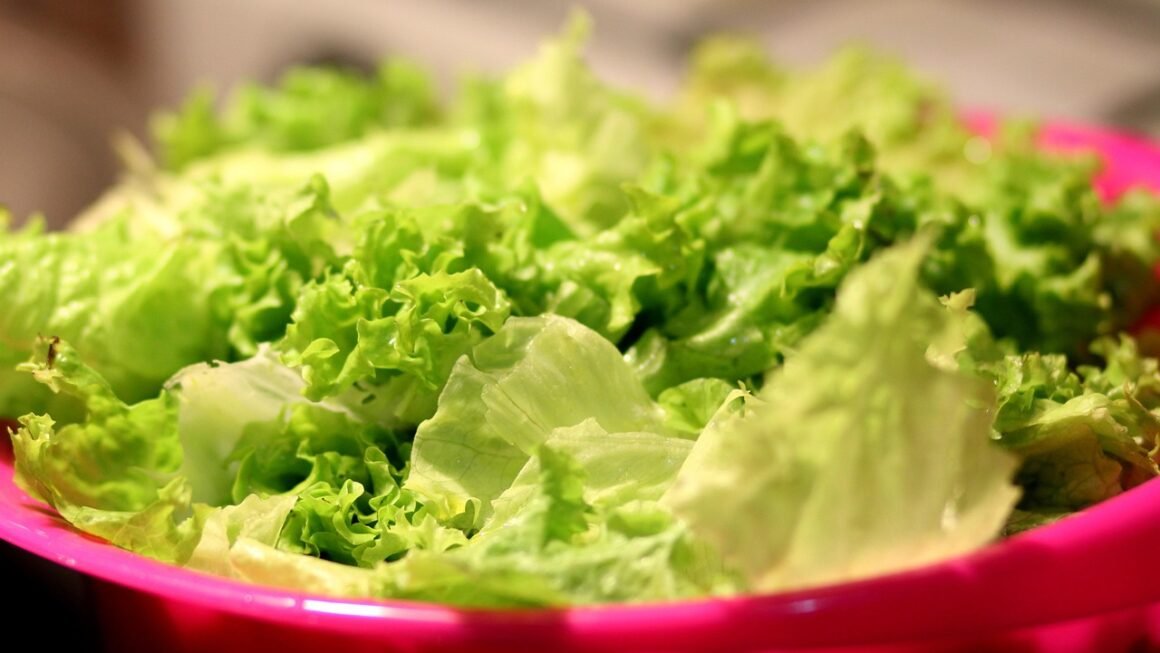
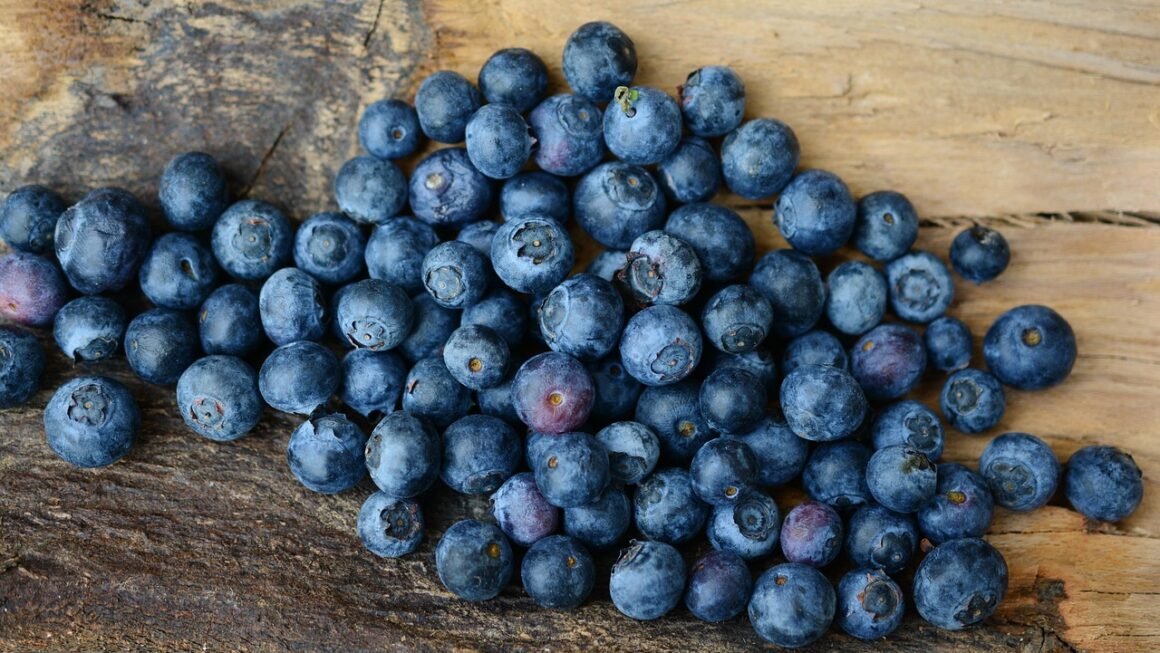
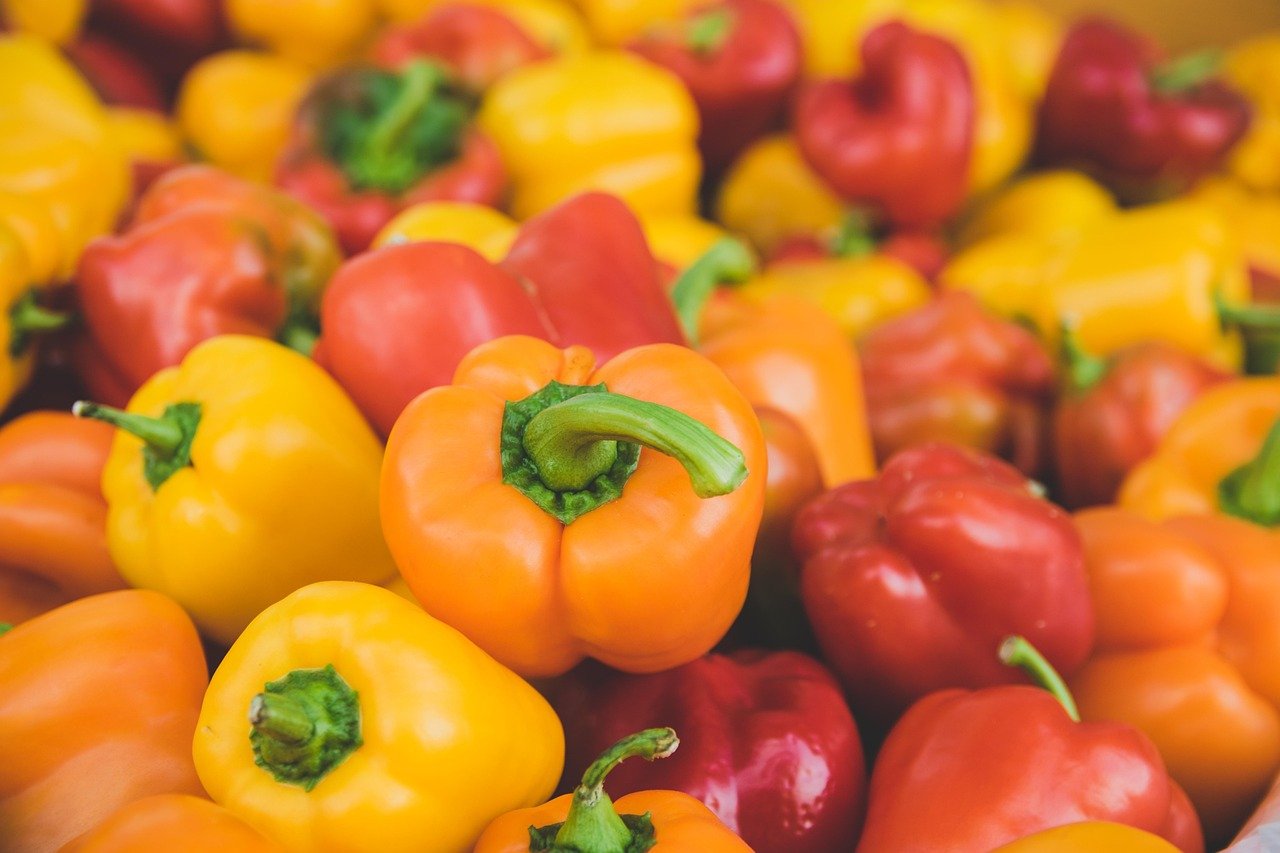
- Fruits and Vegetables: Aim for a rainbow of colors to ensure you’re getting a wide range of antioxidants and phytonutrients. Berries, leafy greens, broccoli, and bell peppers are excellent choices.
- Healthy Fats: Incorporate sources of omega-3 fatty acids, such as fatty fish (salmon, tuna, mackerel), flaxseeds, chia seeds, and walnuts. Olive oil and avocados are also beneficial.
- Lean Protein: Opt for sources like fish, poultry, beans, and lentils. These provide essential amino acids without contributing to inflammation.
- Whole Grains: Choose whole grains over refined grains. Quinoa, brown rice, and oats are good options.
- Herbs and Spices: Many herbs and spices, such as turmeric, ginger, garlic, and cinnamon, have potent anti-inflammatory properties.
Examples of Anti-Inflammatory Meals
Here are some practical examples of meals that align with an anti-inflammatory diet:
- Breakfast: Oatmeal with berries, nuts, and a sprinkle of cinnamon.
- Lunch: Salad with grilled chicken or chickpeas, avocado, mixed greens, and a lemon-tahini dressing.
- Dinner: Baked salmon with roasted vegetables (broccoli, bell peppers, and sweet potatoes).
- Snack: A handful of almonds and an apple.
Shopping List Essentials
To kickstart your anti-inflammatory journey, consider adding these items to your grocery list:
- Fruits: Berries (blueberries, strawberries, raspberries), cherries, oranges, apples.
- Vegetables: Leafy greens (spinach, kale), broccoli, bell peppers, sweet potatoes, tomatoes.
- Healthy Fats: Olive oil, avocados, nuts (almonds, walnuts), seeds (flaxseeds, chia seeds).
- Protein: Salmon, tuna, chicken, beans, lentils.
- Whole Grains: Quinoa, brown rice, oats.
- Spices: Turmeric, ginger, garlic, cinnamon.
Foods to Limit or Avoid
Pro-Inflammatory Culprits
Certain foods can contribute to inflammation and should be limited or avoided on an anti-inflammatory diet.
- Processed Foods: These are often high in sugar, unhealthy fats, and artificial additives.
- Sugary Drinks: Soda, sweetened juices, and energy drinks can spike blood sugar levels and promote inflammation.
- Refined Carbohydrates: White bread, pasta, and pastries can also lead to blood sugar spikes.
- Red Meat: Excessive consumption of red meat, especially processed meats, has been linked to increased inflammation.
- Fried Foods: Fried foods are often cooked in unhealthy oils and can contribute to inflammation.
- Excessive Alcohol: While moderate alcohol consumption may have some benefits, excessive drinking can promote inflammation.
Hidden Sources of Inflammation
Be mindful of hidden sources of inflammation in your diet.
- Artificial Sweeteners: Some artificial sweeteners may disrupt gut health, which can contribute to inflammation.
- Trans Fats: Found in some processed foods, trans fats are known to promote inflammation.
- MSG (Monosodium Glutamate): A food additive that can trigger inflammation in some individuals.
Reading Food Labels
Becoming a savvy label reader is crucial for identifying and avoiding pro-inflammatory ingredients. Pay attention to:
- Sugar content: Look for added sugars like high fructose corn syrup, sucrose, and glucose.
- Fat content: Limit saturated and trans fats.
- Ingredient list: Be wary of long lists of artificial ingredients and additives.
Practical Tips and Strategies
Gradual Transition
Making drastic dietary changes overnight can be overwhelming. Start with small, manageable steps:
- Swap sugary drinks for water or herbal tea.
- Add a serving of fruits or vegetables to each meal.
- Choose whole grains over refined grains.
- Prepare more meals at home to control ingredients.
Meal Planning
Planning your meals in advance can help you stay on track with your anti-inflammatory diet.
- Set aside time each week to plan your meals.
- Create a shopping list based on your meal plan.
- Prepare ingredients in advance to save time during the week.
Cooking Methods
Choose cooking methods that preserve nutrients and minimize the formation of harmful compounds.
- Steaming: A gentle way to cook vegetables and retain their nutrients.
- Baking: A healthy alternative to frying.
- Grilling: Avoid charring food, as this can create harmful compounds.
- Sautéing: Use olive oil or other healthy fats.
Hydration
Staying hydrated is essential for overall health and can help reduce inflammation.
- Drink plenty of water throughout the day.
- Consume hydrating foods like fruits and vegetables.
- Limit sugary drinks and caffeine, which can be dehydrating.
Beyond Diet: Lifestyle Factors
Stress Management
Chronic stress can contribute to inflammation. Implement stress-reducing techniques like:
- Meditation: Regular meditation can help calm the mind and reduce stress.
- Yoga: Combines physical activity with mindfulness.
- Deep Breathing Exercises: Simple yet effective for reducing stress.
- Spending Time in Nature: Being outdoors can have a calming effect.
Regular Exercise
Regular physical activity can help reduce inflammation and improve overall health.
- Aim for at least 150 minutes of moderate-intensity exercise per week.
- Include both cardiovascular exercise (e.g., walking, running, swimming) and strength training.
- Find activities you enjoy to make exercise a sustainable habit.
Sleep Hygiene
Adequate sleep is crucial for regulating inflammation and supporting immune function.
- Aim for 7-9 hours of sleep per night.
- Establish a regular sleep schedule.
- Create a relaxing bedtime routine.
- Ensure your bedroom is dark, quiet, and cool.
Conclusion
Embracing an anti-inflammatory diet is a powerful step towards improving your health and well-being. By focusing on nutrient-rich foods and limiting pro-inflammatory culprits, you can actively reduce inflammation and support your body’s natural healing processes. Remember to start gradually, plan your meals, and incorporate stress management, exercise, and sleep hygiene into your lifestyle. With consistency and mindful choices, you can unlock the transformative benefits of an anti-inflammatory approach and pave the way for a healthier, more vibrant life.