Are you looking to optimize your diet for weight loss, muscle gain, or simply overall well-being? A high-protein diet might be the key you’ve been searching for. This guide will delve into everything you need to know about high-protein diets, from their benefits and potential drawbacks to how to implement one effectively. Get ready to unlock the power of protein and transform your health!
What is a High-Protein Diet?
Defining a High-Protein Intake
A high-protein diet involves consuming a higher percentage of your daily calories from protein than the generally recommended dietary guidelines. Typically, the Recommended Dietary Allowance (RDA) for protein is 0.8 grams per kilogram of body weight per day. A high-protein diet usually exceeds this, often ranging from 1.2 to 2.0 grams of protein per kilogram of body weight, or even higher in some cases.
Macronutrient Ratios
In a standard diet, macronutrient ratios might look like 40-60% carbohydrates, 20-30% protein, and 20-30% fat. In contrast, a high-protein diet might shift these ratios to something closer to 30-40% protein, 30-40% carbohydrates, and 20-30% fat. It’s important to note that these are general guidelines, and the ideal ratio will vary depending on individual factors such as activity level, goals, and overall health.
Examples of High-Protein Foods
Building a high-protein diet requires choosing the right foods. Here are some excellent sources:
- Animal Sources: Chicken breast, turkey, lean beef, pork tenderloin, fish (salmon, tuna, cod), eggs, Greek yogurt, cottage cheese.
- Plant-Based Sources: Lentils, chickpeas, beans (black beans, kidney beans), tofu, tempeh, edamame, quinoa, nuts and seeds (almonds, chia seeds, hemp seeds), protein powders (soy, pea, brown rice).
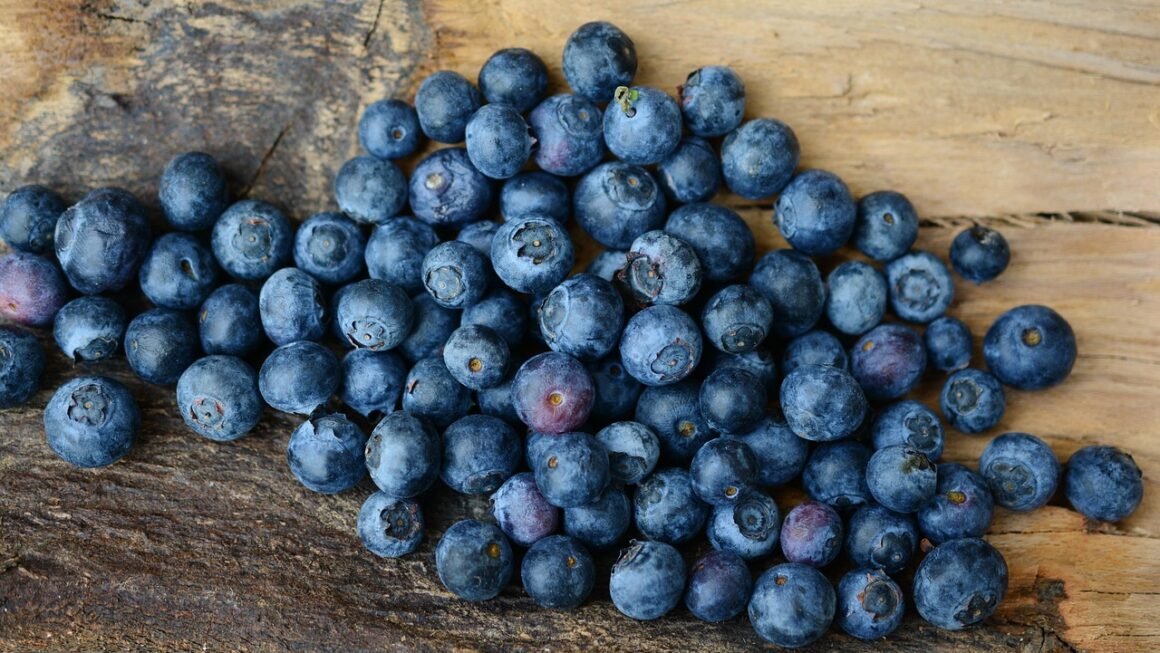
Practical Example: A 150-pound (68 kg) person aiming for 1.5 grams of protein per kg would need to consume approximately 102 grams of protein per day. This could be achieved with a breakfast of Greek yogurt and berries (25g protein), a lunch of grilled chicken salad (40g protein), and a dinner of salmon with quinoa and vegetables (37g protein).
Benefits of a High-Protein Diet
Weight Management
High-protein diets have been shown to be effective for weight management due to several factors:
- Increased Satiety: Protein is more satiating than carbohydrates or fats, meaning it helps you feel fuller for longer. This can lead to reduced calorie intake and weight loss.
- Boosted Metabolism: The thermic effect of food (TEF) is the energy your body uses to digest, absorb, and process nutrients. Protein has a higher TEF than carbs or fats, meaning you burn more calories simply by eating protein.
- Preservation of Muscle Mass: During weight loss, the body can break down both fat and muscle. A high-protein diet helps preserve lean muscle mass, which is crucial for maintaining a healthy metabolism.
Data Point: Studies have shown that people on high-protein diets tend to lose more weight and retain more muscle mass compared to those on standard diets.
Muscle Growth and Repair
Protein is the building block of muscle tissue. A high-protein diet provides the necessary amino acids for muscle growth and repair, making it essential for athletes, bodybuilders, and anyone looking to increase their muscle mass.
- Amino Acids: Protein is composed of amino acids, some of which are essential (meaning the body can’t produce them and they must be obtained from food). These essential amino acids are crucial for muscle protein synthesis.
- Post-Workout Recovery: Consuming protein after a workout helps repair damaged muscle fibers and promotes muscle growth.
Tip: Aim to consume a protein-rich meal or snack within 1-2 hours after exercise to maximize muscle recovery.
Blood Sugar Control
Protein can play a role in regulating blood sugar levels:
- Slower Glucose Release: Protein slows down the absorption of glucose from carbohydrates, leading to more stable blood sugar levels.
- Improved Insulin Sensitivity: Some studies suggest that high-protein diets may improve insulin sensitivity, which is beneficial for preventing and managing type 2 diabetes.
Example: Pairing a source of protein with carbohydrate-rich foods (e.g., adding nuts to a bowl of oatmeal) can help prevent blood sugar spikes.
Potential Downsides and Considerations
Kidney Health
One common concern about high-protein diets is their potential impact on kidney health. While there’s limited evidence to suggest that high protein intake harms healthy kidneys, individuals with pre-existing kidney conditions should exercise caution.
- Consult a Doctor: If you have kidney problems, consult with a healthcare professional before starting a high-protein diet.
- Stay Hydrated: Drinking plenty of water is crucial to help the kidneys process protein effectively.
Digestive Issues
Some people may experience digestive issues, such as constipation, on a high-protein diet. This is often due to a lack of fiber.
- Increase Fiber Intake: Consume plenty of fiber-rich foods, such as fruits, vegetables, and whole grains, to promote healthy digestion.
- Probiotic Supplementation: Consider taking a probiotic supplement to support gut health.
Nutrient Imbalances
If not planned carefully, a high-protein diet can lead to nutrient imbalances if other food groups are neglected.
- Variety is Key: Ensure your diet includes a variety of nutrient-rich foods from all food groups, including fruits, vegetables, and whole grains.
- Micronutrient Deficiencies: Be mindful of potential micronutrient deficiencies and consider supplementation if necessary.
How to Implement a High-Protein Diet
Calculate Your Protein Needs
Determine your individual protein needs based on your weight, activity level, and goals. As a general guideline:
- Sedentary Individuals: 1.2-1.4 grams of protein per kilogram of body weight.
- Moderately Active Individuals: 1.4-1.6 grams of protein per kilogram of body weight.
- Athletes and Highly Active Individuals: 1.6-2.0 grams of protein per kilogram of body weight or higher.
Plan Your Meals
Plan your meals in advance to ensure you’re meeting your protein goals. Focus on including a source of protein in every meal and snack.
Sample Meal Plan:
- Breakfast: Greek yogurt with berries and nuts (25g protein)
- Lunch: Chicken salad sandwich on whole-grain bread (35g protein)
- Snack: Protein shake (30g protein)
- Dinner: Steak with roasted vegetables and quinoa (40g protein)
Track Your Intake
Use a food tracking app or journal to monitor your protein intake and ensure you’re meeting your goals. This can help you identify areas where you may need to adjust your diet.
Listen to Your Body
Pay attention to how your body responds to the high-protein diet. If you experience any negative side effects, such as digestive issues or fatigue, adjust your intake accordingly and consult with a healthcare professional.
Choosing the Right Protein Sources
Animal vs. Plant-Based Protein
Both animal and plant-based protein sources can be part of a healthy high-protein diet. However, it’s important to be aware of the differences between them:
- Animal Protein: Generally considered “complete” proteins, meaning they contain all nine essential amino acids.
- Plant-Based Protein: Some plant-based proteins are incomplete (lacking one or more essential amino acids). However, by combining different plant-based protein sources, you can ensure you’re getting all the essential amino acids. For example, combining beans and rice provides a complete protein profile.
Considerations for Protein Supplements
Protein supplements, such as whey protein, casein protein, soy protein, and pea protein, can be a convenient way to boost your protein intake. However, they should not be used as a replacement for whole foods.
- Whey Protein: A fast-digesting protein that’s ideal for post-workout recovery.
- Casein Protein: A slow-digesting protein that’s ideal for nighttime consumption.
- Plant-Based Protein Powders: Excellent options for vegetarians and vegans.
Tip: Choose protein supplements from reputable brands that have been third-party tested for purity and quality.
Conclusion
A high-protein diet can offer numerous benefits, including weight management, muscle growth, and blood sugar control. However, it’s essential to implement it carefully and be mindful of potential downsides. By understanding the principles of a high-protein diet, calculating your protein needs, choosing the right protein sources, and listening to your body, you can unlock the power of protein and achieve your health and fitness goals. Remember to consult with a healthcare professional or registered dietitian before making significant changes to your diet, especially if you have any underlying health conditions.