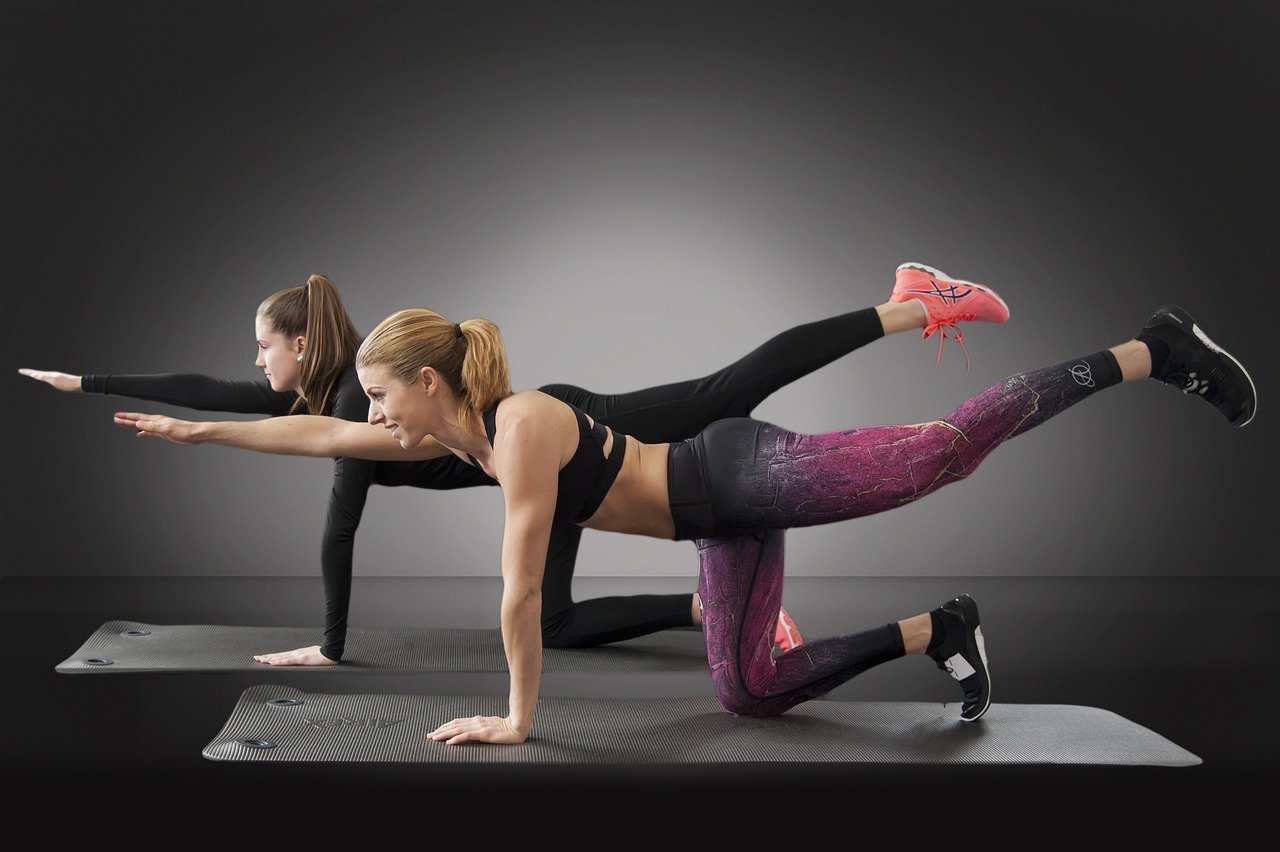
Ready to torch calories, boost your metabolism, and get fitter faster? High-Intensity Interval Training (HIIT) is a workout style that alternates between short bursts of intense exercise and brief recovery periods. It’s a powerhouse for weight loss, improved cardiovascular health, and overall fitness. This blog post will provide you with a comprehensive HIIT workout plan that you can adapt to your fitness level and goals.
Understanding HIIT and its Benefits
What is HIIT?
HIIT workouts involve short periods of intense exercise followed by short recovery periods. The intensity during the exercise phase should be near maximal effort, leaving you breathless. The recovery periods allow your body to partially recover before the next intense burst.
- Key Components:
High-Intensity Exercise: Short bursts of maximal effort.
Recovery Periods: Lower intensity or rest.
Workout Duration: Typically ranges from 10-30 minutes.
Repeat Intervals: Cycling through exercise and recovery phases.
The Science Behind HIIT’s Effectiveness
Studies show that HIIT is more effective than steady-state cardio for fat loss and improving cardiovascular health. Research published in the Journal of Obesity found that HIIT training can significantly reduce total abdominal and visceral fat. This is because HIIT boosts your metabolism long after the workout is over, a phenomenon known as the “afterburn effect” or Excess Post-exercise Oxygen Consumption (EPOC).
- Benefits:
Efficient Calorie Burning: Burns more calories in a shorter amount of time compared to steady-state cardio.
Increased Metabolism: Elevates your metabolic rate for hours after the workout.
Improved Cardiovascular Health: Strengthens your heart and improves blood flow.
Enhanced Insulin Sensitivity: Helps regulate blood sugar levels, reducing the risk of type 2 diabetes.
Muscle Preservation: Can help maintain muscle mass during weight loss, especially when combined with resistance exercises.
Designing Your HIIT Workout Plan
Choosing Your Exercises
Select exercises that engage multiple muscle groups and are easily modifiable to increase or decrease intensity. Bodyweight exercises are an excellent starting point.
- Bodyweight Exercises:
Squats: Targets quads, glutes, and hamstrings.
Push-ups: Works chest, shoulders, and triceps.
Lunges: Engages quads, glutes, and hamstrings.
Burpees: A full-body exercise that combines squats, push-ups, and jumps.
Mountain Climbers: A dynamic exercise that targets core and cardiovascular fitness.
Jumping Jacks: A classic cardio exercise.
Plank Jacks: A variation of jumping jacks performed in a plank position, targeting core.
- Equipment-Based Exercises (Optional):
Kettlebell Swings: Works hips, glutes, and core.
Battle Ropes: Engages upper body and core.
Rowing Machine: Full-body workout with adjustable resistance.
Sprinting on a Treadmill: Can adjust incline and speed.
Determining Interval Lengths and Ratios
The length of your high-intensity and recovery intervals will depend on your fitness level and goals. Common ratios include 1:1, 2:1, and 1:2.
- Example Ratios:
Beginner: 30 seconds high-intensity, 60 seconds recovery (1:2 ratio).
Intermediate: 45 seconds high-intensity, 30 seconds recovery (3:2 ratio).
Advanced: 60 seconds high-intensity, 30 seconds recovery (2:1 ratio).
Practical Tip: Use a timer app or a fitness tracker to keep track of your intervals. Many apps have built-in HIIT timers that make it easy to follow along.
Sample HIIT Workout Structure
Here’s a sample HIIT workout plan that you can customize:
Squats (45 seconds)
Rest (30 seconds)
Push-ups (45 seconds)
Rest (30 seconds)
Lunges (45 seconds per leg)
Rest (30 seconds)
Burpees (45 seconds)
Rest (30 seconds)
Mountain Climbers (45 seconds)
Rest (30 seconds)
Repeat the entire circuit 2-3 times.
Adapting HIIT for Different Fitness Levels
HIIT for Beginners
If you’re new to HIIT, start with shorter high-intensity intervals and longer recovery periods. Focus on mastering the form of each exercise before increasing the intensity or duration.
- Beginner Tips:
Start with 2-3 HIIT workouts per week, with rest days in between.
Use a 1:2 or 1:3 work-to-rest ratio (e.g., 30 seconds of exercise, 60-90 seconds of rest).
Choose low-impact exercises like walking or light jogging during recovery periods.
Listen to your body and stop if you feel pain.
HIIT for Intermediate Athletes
Once you’re comfortable with the basics, you can increase the intensity and duration of your HIIT workouts. Reduce the recovery periods and introduce more challenging exercises.
- Intermediate Tips:
Increase the number of HIIT workouts per week to 3-4.
Use a 1:1 or 2:1 work-to-rest ratio (e.g., 45 seconds of exercise, 45-22.5 seconds of rest).
Incorporate equipment-based exercises like kettlebell swings or battle ropes.
Challenge yourself with plyometric exercises like box jumps or jump squats.
HIIT for Advanced Athletes
Advanced athletes can push their limits with shorter recovery periods, higher intensity exercises, and more frequent HIIT workouts. Experiment with different interval lengths and exercise combinations.
- Advanced Tips:
Perform HIIT workouts 4-5 times per week.
Use a 2:1 or 3:1 work-to-rest ratio (e.g., 60 seconds of exercise, 30-20 seconds of rest).
Try Tabata workouts, which involve 20 seconds of high-intensity exercise followed by 10 seconds of rest, repeated for 8 rounds.
Incorporate advanced exercises like pistol squats, muscle-ups, or handstand push-ups.
Common Mistakes to Avoid in HIIT
Improper Form
Maintaining correct form is crucial to prevent injuries. Focus on quality over quantity, especially during the high-intensity intervals.
- Solution: Watch videos and practice each exercise with proper form before increasing the intensity. Consider working with a qualified personal trainer for guidance.
Overtraining
Doing too much HIIT too often can lead to fatigue, burnout, and injuries. Allow your body sufficient time to recover between workouts.
- Solution: Limit HIIT workouts to 3-5 times per week and ensure you have rest days in between. Listen to your body and reduce the intensity or frequency if you feel overly tired.
Inadequate Warm-up and Cool-down
Skipping the warm-up and cool-down can increase your risk of injury and reduce the effectiveness of your workout.
- Solution: Always start with a 5-minute warm-up of light cardio and dynamic stretches. End with a 5-minute cool-down of static stretches.
Neglecting Nutrition
Proper nutrition is essential to fuel your HIIT workouts and support recovery. Eat a balanced diet rich in protein, carbohydrates, and healthy fats.
- Solution: Consume a pre-workout meal or snack about 1-2 hours before your HIIT session. Replenish your glycogen stores with a post-workout meal or snack that includes carbohydrates and protein.
Conclusion
HIIT workouts are a powerful tool for achieving your fitness goals. By understanding the principles of HIIT, designing a plan that suits your fitness level, and avoiding common mistakes, you can maximize the benefits of this effective training method. Remember to prioritize proper form, listen to your body, and stay consistent with your workouts. Start incorporating HIIT into your routine today and experience the transformative effects on your health and fitness.