Embarking on a journey towards a healthier and more sustainable lifestyle often leads individuals to explore the world of plant-based diets. More than just a trend, embracing a plant-based way of eating can offer a plethora of benefits, impacting not only your personal well-being but also the environment. This comprehensive guide delves into the intricacies of plant-based diets, providing you with the knowledge and tools to successfully navigate this fulfilling and increasingly popular dietary approach.
Understanding Plant-Based Diets
Defining Plant-Based Eating
A plant-based diet emphasizes whole, minimally processed foods derived from plants. It’s not necessarily vegan or vegetarian, though it can be. The focus is on prioritizing fruits, vegetables, legumes, nuts, seeds, and whole grains while minimizing or eliminating animal products. Key features of a plant-based diet include:
- A strong emphasis on whole, unprocessed plant foods.
- Limited or no animal products, depending on the specific variation.
- Prioritization of sustainable and ethical food choices.
Types of Plant-Based Diets
While the core principle remains the same, plant-based diets can vary in their strictness and allowed foods. Common types include:
- Vegan: Excludes all animal products, including meat, dairy, eggs, and honey.
- Vegetarian: Excludes meat, poultry, and fish, but may include dairy and eggs.
- Pescatarian: Excludes meat and poultry, but includes fish and seafood.
- Flexitarian: Primarily plant-based but allows occasional consumption of meat, dairy, or eggs. This is a great option for individuals making a gradual transition.
The Rise in Popularity
The growing popularity of plant-based diets stems from increased awareness of the benefits for health, the environment, and animal welfare. According to a recent survey, the number of Americans identifying as vegan has increased by 300% in the last 15 years. This shift highlights a growing desire for more conscious and sustainable food choices.
Health Benefits of Plant-Based Eating
Reduced Risk of Chronic Diseases
Plant-based diets are rich in fiber, vitamins, minerals, and antioxidants, which contribute to a reduced risk of various chronic diseases:
- Heart Disease: Studies show that plant-based diets can lower cholesterol levels and blood pressure, reducing the risk of heart disease.
- Type 2 Diabetes: Improved insulin sensitivity and blood sugar control are often observed in individuals following plant-based diets.
- Certain Cancers: High fiber intake and abundant antioxidants found in plant-based foods may help protect against certain types of cancer.
Weight Management
Plant-based diets are naturally lower in calories and higher in fiber, promoting feelings of fullness and aiding in weight management. For example, incorporating a large salad with beans, vegetables, and a light vinaigrette dressing into your daily routine can significantly increase fiber intake and reduce overall calorie consumption.
Improved Gut Health
The abundance of fiber in plant-based diets supports a healthy gut microbiome. A diverse and thriving gut microbiome is crucial for:
- Improved digestion and nutrient absorption.
- A stronger immune system.
- Reduced inflammation.
Building a Balanced Plant-Based Plate
Essential Nutrients to Consider
Ensuring a balanced intake of all essential nutrients is crucial when following a plant-based diet. Focus on the following:
- Protein: Legumes (beans, lentils, peas), tofu, tempeh, edamame, nuts, and seeds are excellent sources of plant-based protein. Aim for a variety of these throughout the week.
- Iron: Include iron-rich foods like spinach, lentils, and fortified cereals in your diet. Consuming these with vitamin C-rich foods, such as citrus fruits, enhances iron absorption.
- Calcium: Fortified plant-based milk alternatives (almond, soy, oat), tofu, and leafy green vegetables are good sources of calcium.
- Vitamin B12: This vitamin is primarily found in animal products, so supplementation or fortified foods are necessary for vegans. Nutritional yeast is a common fortified food.
- Omega-3 Fatty Acids: Flaxseeds, chia seeds, walnuts, and algae-based supplements provide omega-3 fatty acids.
Meal Planning and Preparation
Effective meal planning is essential for a successful plant-based diet.
- Plan your meals in advance: This helps ensure you’re getting a variety of nutrients and avoids impulsive unhealthy choices.
- Batch cooking: Prepare larger quantities of grains, beans, and roasted vegetables to have on hand for quick meals throughout the week.
- Explore new recipes: Expand your culinary horizons with plant-based cookbooks and online resources. There are countless delicious and easy recipes to discover.
- Keep healthy snacks readily available: Fruits, vegetables with hummus, nuts, and seeds are great options for curbing hunger between meals.
Sample Meal Ideas
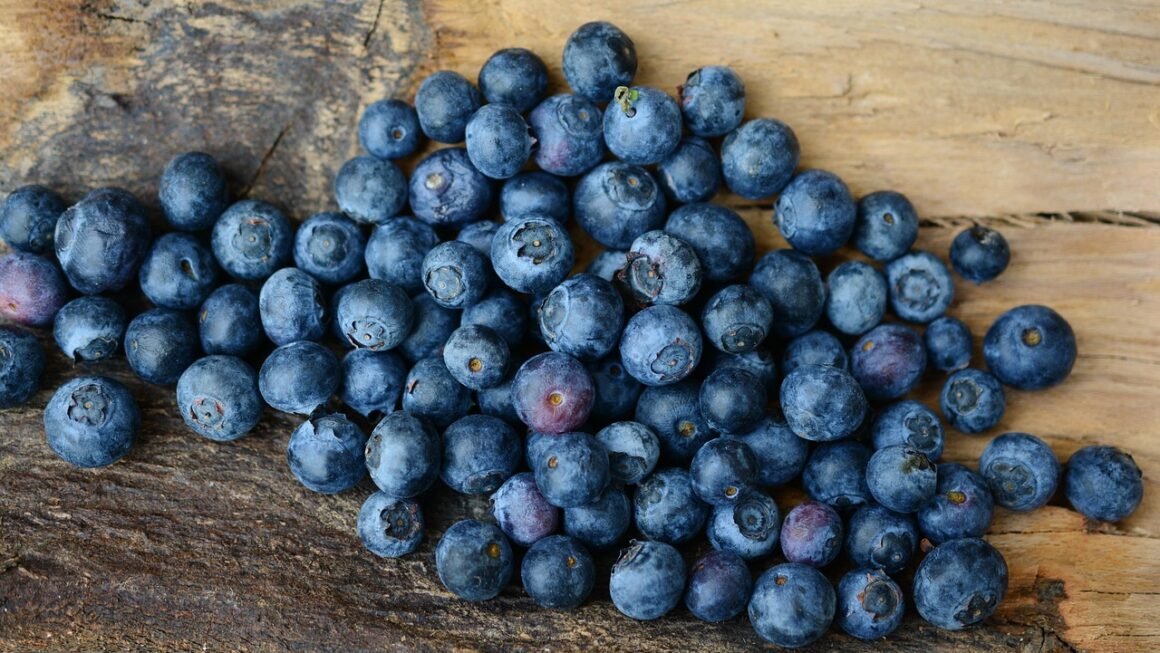
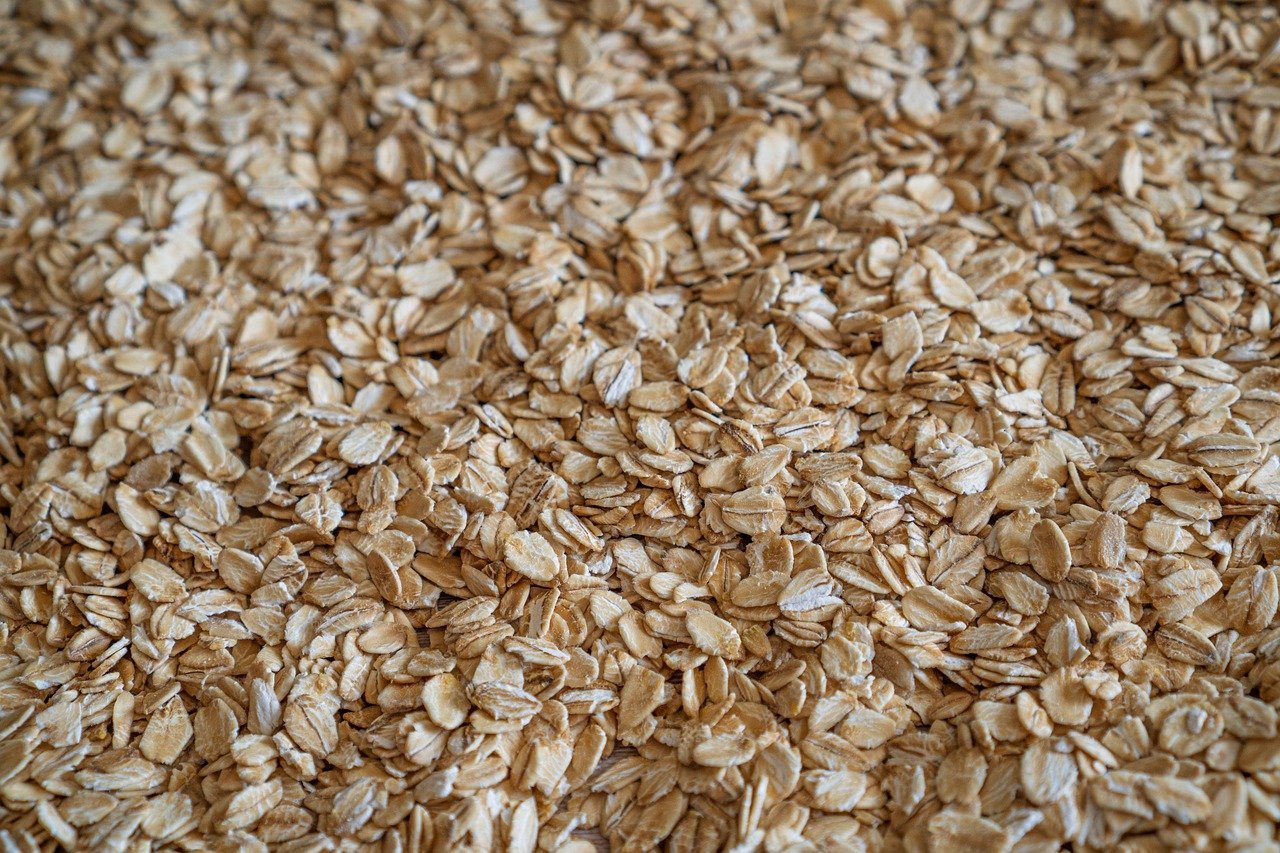
- Breakfast: Oatmeal with berries and nuts, tofu scramble with vegetables, or a green smoothie.
- Lunch: Lentil soup with whole-grain bread, a large salad with chickpeas and a tahini dressing, or a veggie burrito bowl.
- Dinner: Stir-fry with tofu and brown rice, pasta with marinara sauce and vegetables, or black bean burgers on whole-wheat buns.
Overcoming Challenges and Common Mistakes
Addressing Nutritional Deficiencies
Careful planning is crucial to avoid potential nutritional deficiencies. Consult with a registered dietitian or nutritionist to ensure you’re meeting all your nutrient needs.
Social Situations and Dining Out
Navigating social situations and dining out can be challenging, but with some planning and communication, it can be easily managed.
- Research restaurant menus in advance: Look for plant-based options or dishes that can be easily modified.
- Communicate your dietary needs: Don’t hesitate to inform your server about your preferences and ask for substitutions.
- Bring your own dish to potlucks: This ensures you have something delicious and plant-based to enjoy.
Common Mistakes to Avoid
- Relying solely on processed vegan foods: Focus on whole, unprocessed plant foods rather than highly processed vegan alternatives.
- Not eating enough calories: Plant-based diets can be lower in calories, so ensure you’re consuming enough to meet your energy needs.
- Ignoring vitamin B12 supplementation (for vegans): This is a crucial vitamin that is not readily available in plant-based foods.
Conclusion
Embracing a plant-based diet is a rewarding journey that can significantly enhance your health, well-being, and environmental impact. By understanding the fundamentals of plant-based eating, focusing on balanced nutrition, and overcoming potential challenges, you can successfully integrate this lifestyle into your daily routine and reap the multitude of benefits it offers. Start small, experiment with new recipes, and enjoy the delicious and diverse world of plant-based cuisine. Your body – and the planet – will thank you.