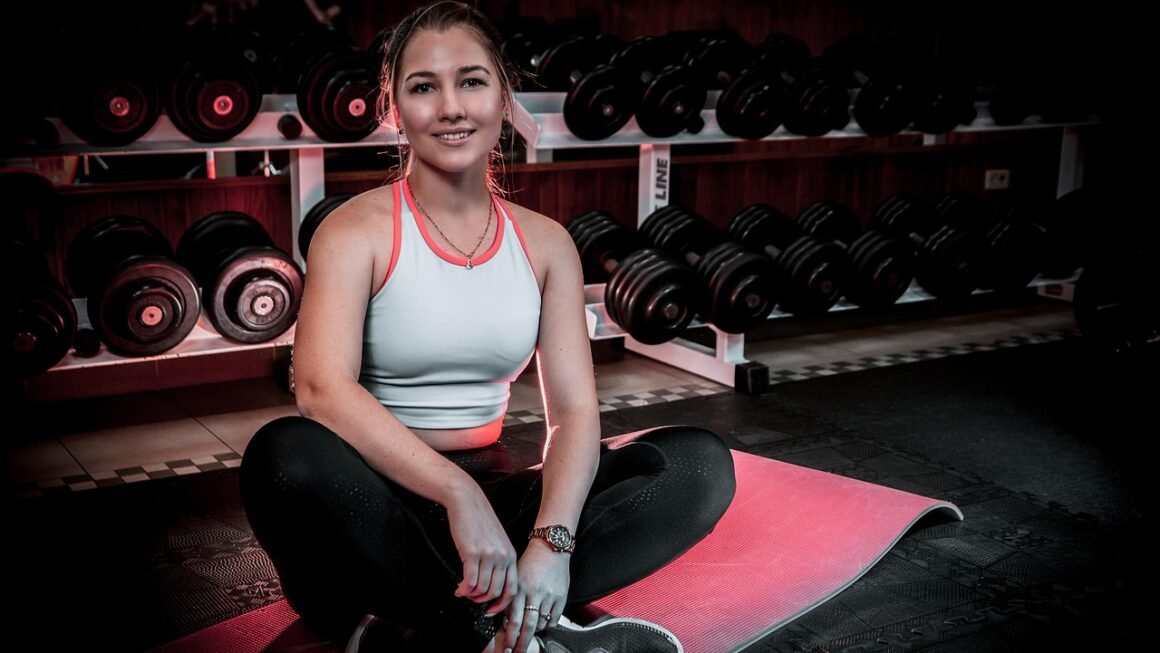
Fueling your body with the right nutrients and moving it in a way that feels good is the cornerstone of a healthy and vibrant life. Forget restrictive diets and grueling workouts; instead, embrace a sustainable approach that integrates balanced nutrition with enjoyable physical activity. This guide will provide you with practical insights and actionable strategies to optimize your fitness and diet for long-term well-being.
The Power of Balanced Nutrition
Understanding Macronutrients
- Proteins: Essential for muscle repair, growth, and overall body function. Aim for 0.8-1 gram of protein per pound of body weight, especially if you’re actively building muscle. Good sources include lean meats, poultry, fish, beans, lentils, tofu, and Greek yogurt.
Example: A 150-pound person aiming for 1 gram of protein per pound should consume 150 grams of protein daily.
- Carbohydrates: Your body’s primary energy source. Focus on complex carbohydrates found in whole grains, fruits, and vegetables, which provide sustained energy and fiber. Limit processed and refined carbs.
Example: Swap white bread for whole-wheat bread, white rice for brown rice, and sugary cereals for oatmeal.
- Fats: Crucial for hormone production, cell function, and nutrient absorption. Choose healthy fats like those found in avocados, nuts, seeds, olive oil, and fatty fish (salmon, tuna).
Example: Incorporate a handful of almonds or walnuts as a snack, add avocado to your salads, and cook with olive oil instead of vegetable oil.
The Importance of Micronutrients
Micronutrients, vitamins, and minerals, are essential for countless bodily functions. Prioritize a diverse diet rich in fruits and vegetables to ensure you’re getting a wide range of these vital nutrients.
- Example: Aim for at least five servings of fruits and vegetables per day. Include a variety of colors to maximize your nutrient intake.
Hydration is Key
Water is vital for virtually every bodily process, from digestion to temperature regulation. Drink plenty of water throughout the day, especially before, during, and after exercise.
- Example: Carry a reusable water bottle and sip on it throughout the day. A good rule of thumb is to aim for half your body weight in ounces of water daily.
Making Exercise a Habit
Finding Activities You Enjoy
The best exercise is the one you’ll actually do consistently. Experiment with different activities to find what you love. This could be anything from dancing and hiking to swimming, cycling, or team sports.
- Example: If you dislike the gym, consider joining a local hiking group, taking a dance class, or playing recreational volleyball.
Incorporating Variety into Your Routine
Mixing up your workouts prevents boredom, challenges different muscle groups, and helps you avoid plateaus.
- Example: Alternate between cardio workouts (running, swimming, cycling), strength training (lifting weights, bodyweight exercises), and flexibility exercises (yoga, stretching).
Setting Realistic Goals
Start small and gradually increase the intensity and duration of your workouts. Setting achievable goals will help you stay motivated and avoid burnout.
- Example: If you’re new to running, start with a walk-run program, gradually increasing the running intervals over time.
Strategies for Healthy Eating
Meal Planning and Preparation
Planning your meals ahead of time can help you make healthier choices and avoid impulsive unhealthy eating. Dedicate a few hours each week to planning your meals and preparing ingredients.
- Example: On Sunday, plan your meals for the week, create a grocery list, and chop vegetables, cook grains, and prepare protein sources.
Mindful Eating
Pay attention to your body’s hunger and fullness cues. Eat slowly and savor your food, focusing on the taste, texture, and aroma. Avoid distractions like TV or your phone while eating.
- Example: Before eating, take a few deep breaths and ask yourself if you’re truly hungry. Chew your food thoroughly and put your fork down between bites.
Smart Snacking
Choose healthy snacks that will keep you feeling satisfied and energized between meals.
- Examples:
A handful of almonds
Greek yogurt with berries
Apple slices with peanut butter
Hard-boiled eggs
Overcoming Common Obstacles
Time Constraints
Even short bursts of exercise can be beneficial. Try incorporating 10-15 minute workouts into your day.
- Example: Do a quick bodyweight circuit in the morning, take the stairs instead of the elevator, or go for a brisk walk during your lunch break.
Lack of Motivation
Find a workout buddy, join a fitness class, or hire a personal trainer to help you stay motivated. Track your progress and reward yourself for reaching milestones.
- Example: Use a fitness tracker to monitor your steps, distance, and calories burned. Treat yourself to a new workout outfit or a massage when you reach a goal.
Emotional Eating
Identify the triggers for your emotional eating and develop healthy coping mechanisms.
- Example:* Instead of turning to food when you’re stressed or sad, try going for a walk, talking to a friend, or practicing relaxation techniques.
Conclusion
Fitness and diet are interconnected elements of a healthy lifestyle. By adopting a balanced approach that combines nutritious eating with enjoyable physical activity, you can unlock your full potential and achieve lasting well-being. Remember, consistency is key, and small changes can make a big difference over time. Start today and embrace the journey to a healthier, happier you.