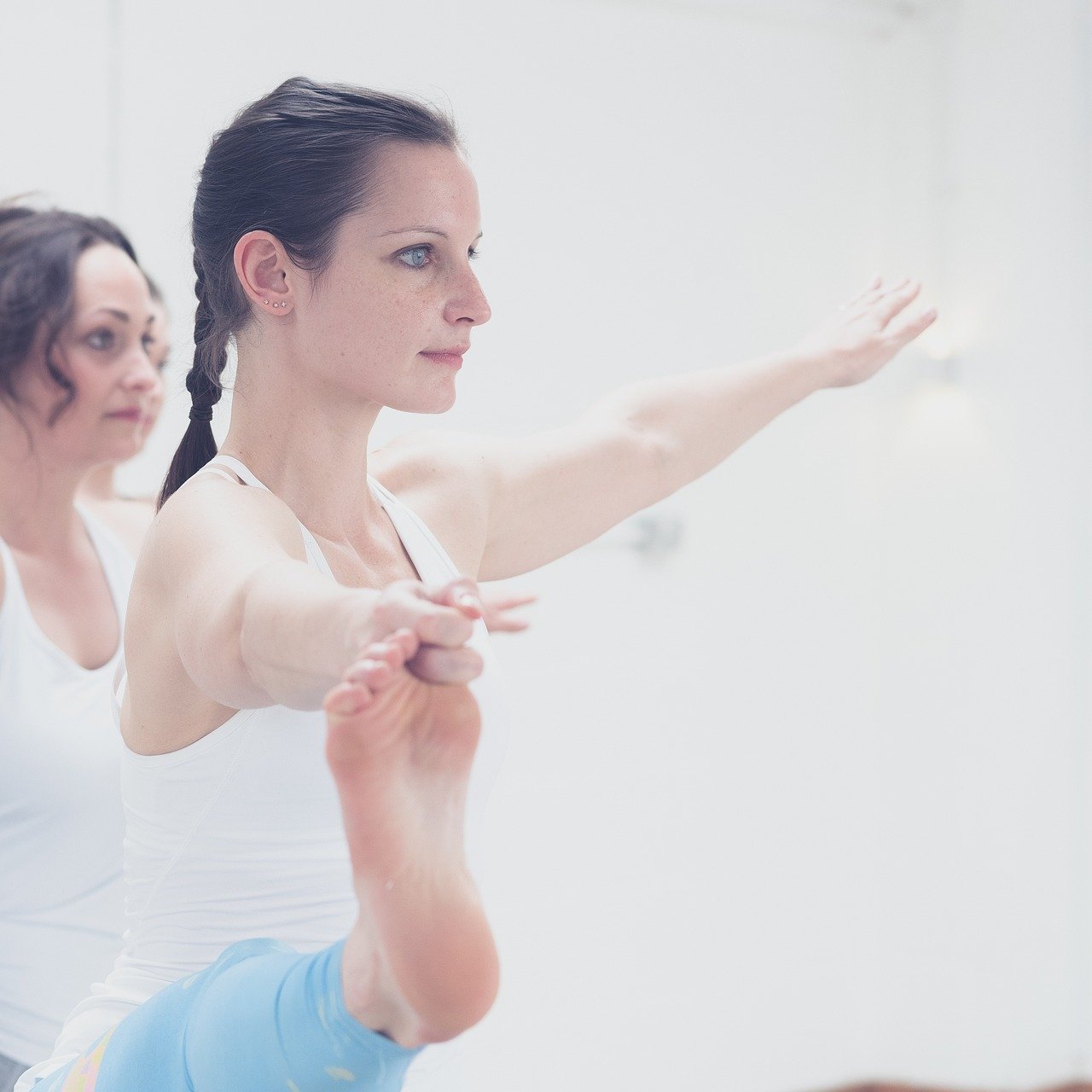
Crafting effective fitness goals is the cornerstone of any successful health journey. Whether you’re a seasoned athlete or just beginning to lace up your sneakers, understanding how to set, track, and achieve your fitness goals can be the difference between lasting results and fleeting efforts. Let’s dive into the world of fitness goal setting, exploring practical strategies to help you conquer your health and wellness objectives.
Understanding the Importance of Fitness Goals
Why Set Fitness Goals?
Simply going to the gym without a plan can be like driving without a destination. You might get somewhere, but it’s unlikely to be where you truly want to be. Setting fitness goals provides:
- Direction: Goals give you a clear path to follow.
- Motivation: They provide a reason to push harder and stay consistent.
- Accountability: Having specific goals makes it easier to track your progress and stay accountable.
- Measurable Progress: You can objectively assess whether you’re improving.
- Improved Confidence: Achieving your goals boosts your self-esteem and reinforces positive habits.
The SMART Approach to Goal Setting
The SMART framework is a powerful tool for crafting effective and achievable fitness goals. SMART stands for:
- Specific: Clearly define what you want to achieve. (e.g., “Run a 5k race”)
- Measurable: How will you track your progress? (e.g., “Improve my 5k time by 2 minutes”)
- Achievable: Is the goal realistic given your current fitness level and resources? (e.g., Training consistently for 3 months)
- Relevant: Does the goal align with your overall fitness aspirations and values? (e.g., Improving cardiovascular health)
- Time-Bound: Set a deadline for achieving your goal. (e.g., “Within the next 12 weeks”)
Example: Instead of saying, “I want to get in shape,” a SMART goal would be: “I will run a 5k in under 30 minutes by December 31st, training 3 times a week.”
Defining Your Fitness Goal Categories
Weight Loss and Body Composition Goals
Many people embark on fitness journeys to lose weight or improve their body composition. Here’s how to approach these goals:
- Set realistic expectations: Aim for a sustainable rate of weight loss (1-2 pounds per week is generally recommended).
- Focus on body fat percentage: Instead of solely relying on the scale, consider tracking your body fat percentage using tools like body fat calipers or a smart scale.
- Combine diet and exercise: Weight loss is most effective when achieved through a combination of a healthy diet and regular physical activity.
Example: “Reduce body fat percentage from 25% to 20% in 16 weeks through a combination of calorie deficit and strength training 3 times per week.”
Strength and Muscle Building Goals
If your focus is on gaining strength or building muscle mass, consider these factors:
- Progressive overload: Gradually increase the weight, reps, or sets you lift over time.
- Compound exercises: Prioritize exercises that work multiple muscle groups simultaneously (e.g., squats, deadlifts, bench press).
- Adequate protein intake: Consume sufficient protein (around 0.8-1 gram per pound of body weight) to support muscle growth.
Example: “Increase my bench press by 20 pounds in 12 weeks, following a structured strength training program and consuming 1 gram of protein per pound of body weight.”
Endurance and Cardiovascular Fitness Goals
For improved cardiovascular health and endurance, consider:
- Variety of activities: Include activities like running, swimming, cycling, or brisk walking in your routine.
- Gradual progression: Gradually increase the duration or intensity of your workouts.
- Interval training: Incorporate interval training sessions to improve your cardiovascular fitness more efficiently.
Example: “Run a 10k race in under 60 minutes by the end of the year, increasing my weekly running mileage by 10% each week.”
Flexibility and Mobility Goals
Don’t underestimate the importance of flexibility and mobility. Consider:
- Regular stretching: Dedicate time to stretching after workouts or on rest days.
- Yoga or Pilates: These activities can significantly improve your flexibility, balance, and core strength.
- Foam rolling: Use a foam roller to release muscle tension and improve mobility.
Example: “Increase my hamstring flexibility to be able to touch my toes comfortably within 8 weeks, by stretching for 15 minutes daily.”
Creating an Action Plan
Breaking Down Your Goals
Once you have defined your fitness goals, it’s time to create an action plan to achieve them. Break down your goals into smaller, manageable steps.
- Weekly targets: Set specific targets for each week that contribute to your overall goal.
- Workout schedule: Plan your workouts in advance and schedule them into your calendar.
- Nutritional plan: Create a meal plan that supports your fitness goals and provides the necessary nutrients.
Example: If your goal is to run a 5k in 30 minutes in 12 weeks, your weekly targets might include increasing your running distance by 0.5 miles each week and improving your pace by 5 seconds per mile.
Finding an Accountability Partner
Having an accountability partner can significantly increase your chances of success.
- Shared goals: Find someone with similar fitness goals.
- Regular check-ins: Schedule regular check-ins to discuss your progress and challenges.
- Mutual support: Encourage and motivate each other to stay on track.
Tracking Your Progress
Tracking your progress is essential for staying motivated and making necessary adjustments to your plan.
- Fitness trackers: Use fitness trackers to monitor your activity levels, heart rate, and sleep patterns.
- Workout logs: Keep a detailed record of your workouts, including the exercises you performed, the weight you lifted, and the number of reps and sets.
- Progress photos: Take progress photos regularly to visually track your changes.
Overcoming Obstacles and Staying Motivated
Identifying Potential Roadblocks
It’s important to anticipate potential obstacles that could hinder your progress.
- Lack of time: Schedule your workouts in advance and prioritize them.
- Injuries: Listen to your body and seek medical attention if needed.
- Plateaus: Vary your workouts and adjust your diet to overcome plateaus.
- Burnout: Take rest days and incorporate activities you enjoy into your routine.
Maintaining Motivation
Staying motivated can be challenging, but here are some tips:
- Celebrate small victories: Acknowledge and celebrate your achievements along the way.
- Reward yourself: Reward yourself for reaching milestones (e.g., new workout gear, a massage).
- Find a workout buddy: Exercising with a friend can make workouts more enjoyable and keep you accountable.
- Visualize success: Regularly visualize yourself achieving your goals to stay focused and motivated.
- Join a fitness community: Connect with like-minded individuals online or in person to share experiences and get support.
Adapting and Adjusting Your Goals
Reassessing Your Progress
Regularly reassess your progress and make necessary adjustments to your plan.
- Evaluate your results: Are you on track to achieve your goals?
- Identify areas for improvement: Where are you struggling, and what can you do differently?
- Adjust your plan: Make adjustments to your workout schedule, diet, or goals as needed.
Setting New Goals
Once you have achieved your initial fitness goals, it’s time to set new ones.
- Build on your success: Set new goals that challenge you and help you continue to grow.
- Explore new activities: Try new activities to keep things interesting and prevent boredom.
- Stay committed to your health: Make fitness a lifelong habit.
Conclusion
Setting and achieving fitness goals is a journey that requires dedication, planning, and perseverance. By following the SMART framework, creating an action plan, and staying motivated, you can transform your health and achieve your fitness aspirations. Remember to be patient, consistent, and adaptable, and celebrate your progress along the way. Your journey to a healthier, fitter you starts now!