Embark on a journey towards a healthier heart! A heart-healthy diet isn’t just a trend; it’s a lifelong commitment to nourishing your cardiovascular system and reducing the risk of heart disease, the leading cause of death globally. This comprehensive guide will equip you with the knowledge and practical tips to make informed dietary choices that support a strong and happy heart. Let’s dive in!
Understanding the Fundamentals of a Heart-Healthy Diet
What Exactly Makes a Diet Heart-Healthy?
A heart-healthy diet focuses on consuming foods that are low in saturated and trans fats, cholesterol, sodium, and added sugars, while being rich in fiber, vitamins, minerals, and antioxidants. It’s about balance and making smart swaps to support optimal cardiovascular function.
- Focus on Whole Foods: Prioritize unprocessed, whole foods like fruits, vegetables, whole grains, and lean protein sources.
- Limit Unhealthy Fats: Saturated and trans fats can raise LDL (bad) cholesterol levels, increasing your risk of heart disease.
- Reduce Sodium Intake: High sodium intake can lead to high blood pressure, a major risk factor for heart disease.
- Control Portion Sizes: Overeating, even healthy foods, can lead to weight gain, putting strain on your heart.
The Impact of Diet on Heart Health: Statistics and Facts
According to the American Heart Association, about half of all Americans have at least one of the three key risk factors for heart disease: high blood pressure, high cholesterol, and smoking. Modifying your diet can significantly reduce these risks.
- Studies show that following a Mediterranean diet can reduce the risk of heart disease by as much as 30%.
- A diet rich in fruits and vegetables can lower blood pressure and improve cholesterol levels.
- Replacing saturated fats with unsaturated fats can significantly reduce LDL cholesterol.
Essential Food Groups for a Healthy Heart
Fruits and Vegetables: Nature’s Powerhouses
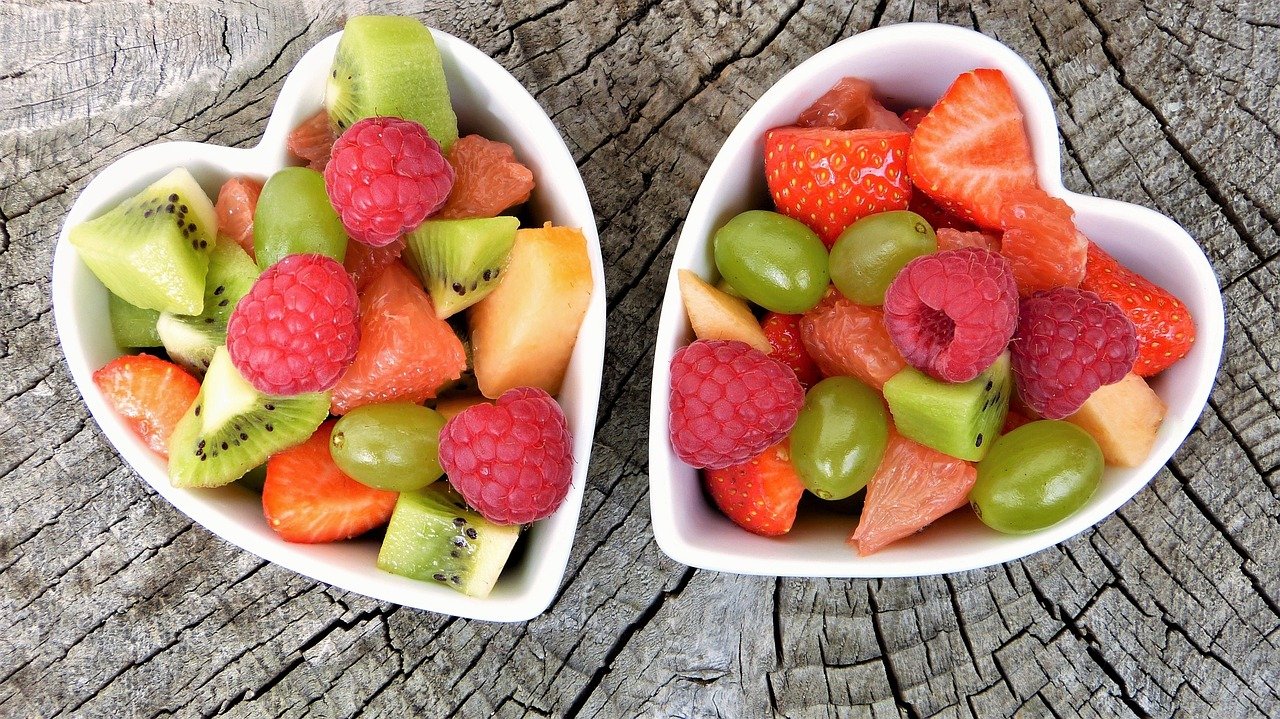
Fruits and vegetables are packed with vitamins, minerals, fiber, and antioxidants, all crucial for maintaining a healthy heart. Aim for a variety of colors to ensure you’re getting a wide range of nutrients.
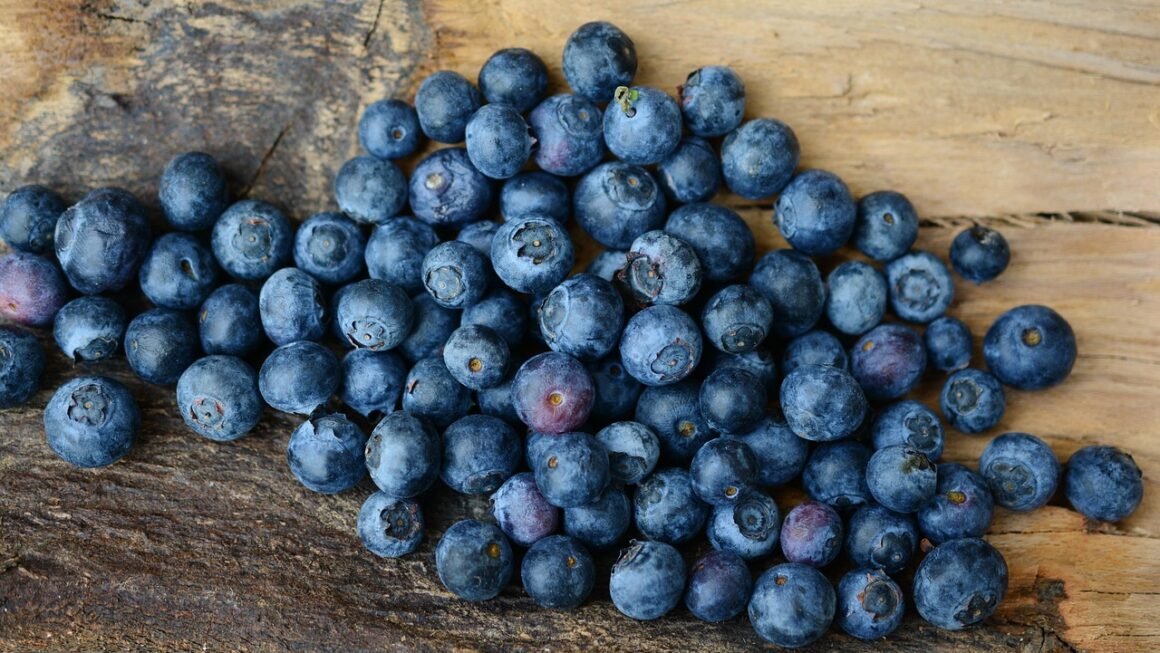
- Berries: Rich in antioxidants that protect against cell damage. Example: Blueberries, strawberries, raspberries.
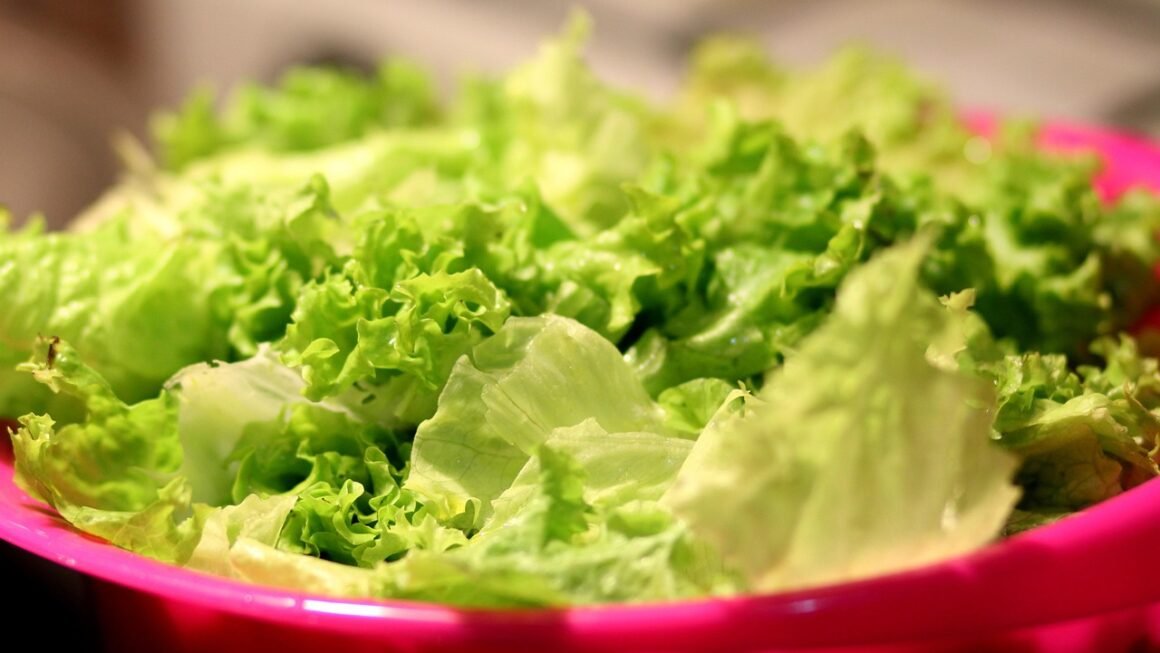
- Leafy Greens: High in vitamins K and A, as well as nitrates that can lower blood pressure. Example: Spinach, kale, collard greens.
- Citrus Fruits: Excellent source of vitamin C and fiber. Example: Oranges, grapefruits, lemons.
- Cruciferous Vegetables: Contains compounds that may help lower cholesterol. Example: Broccoli, cauliflower, Brussels sprouts.
- Actionable Tip: Aim for at least five servings of fruits and vegetables daily. Add berries to your breakfast cereal, snack on carrots and hummus, or incorporate leafy greens into your lunch and dinner.
Whole Grains: Fueling Your Heart with Fiber
Whole grains provide fiber, which helps lower cholesterol and regulate blood sugar levels. Choose whole grains over refined grains whenever possible.
- Oats: Contains soluble fiber that can lower LDL cholesterol. Enjoy as oatmeal, granola, or in baked goods.
- Brown Rice: A good source of fiber and magnesium. A healthy alternative to white rice.
- Whole Wheat Bread: Opt for 100% whole wheat bread over white bread for more fiber and nutrients.
- Quinoa: A complete protein and a good source of fiber. A versatile grain that can be used in salads, soups, or as a side dish.
- Actionable Tip: Replace white bread, pasta, and rice with their whole-grain counterparts. Start your day with oatmeal or whole-wheat toast.
Lean Protein: Building Blocks for a Strong Heart
Protein is essential for building and repairing tissues, and choosing lean protein sources is crucial for heart health.
- Fish: Especially fatty fish like salmon, tuna, and mackerel, are rich in omega-3 fatty acids, which can lower triglycerides and reduce the risk of blood clots.
- Poultry: Skinless chicken and turkey are good sources of lean protein. Avoid fried options.
- Legumes: Beans, lentils, and peas are excellent sources of plant-based protein and fiber.
- Nuts and Seeds: Unsalted nuts and seeds are a good source of healthy fats, protein, and fiber.
- Actionable Tip: Aim to include fish in your diet at least twice a week. Choose baked or grilled options over fried. Incorporate legumes into your meals several times a week. Snack on a handful of unsalted nuts instead of processed snacks.
Healthy Fats: Choosing the Right Types
Not all fats are created equal. Unsaturated fats, found in avocados, nuts, seeds, and olive oil, can actually benefit your heart.
- Monounsaturated Fats: Found in olive oil, avocados, and nuts. Can help lower LDL cholesterol and raise HDL (good) cholesterol.
- Polyunsaturated Fats: Found in fatty fish, flaxseeds, and walnuts. Includes omega-3 and omega-6 fatty acids, which are essential for heart health.
- Actionable Tip: Use olive oil instead of butter or margarine for cooking. Add avocado to your sandwiches or salads. Snack on a handful of nuts or seeds.
Foods to Limit or Avoid for a Healthier Heart
Saturated and Trans Fats: The Culprits of Cholesterol
Saturated and trans fats can raise LDL cholesterol levels, increasing your risk of heart disease.
- Saturated Fats: Found in red meat, processed meats, full-fat dairy products, and some tropical oils like coconut and palm oil.
- Trans Fats: Found in fried foods, baked goods, and processed snacks. Often listed as “partially hydrogenated oil” on food labels.
- Actionable Tip: Limit your intake of red meat and processed meats. Choose lean cuts of meat and trim off any visible fat. Opt for low-fat or fat-free dairy products. Avoid foods containing partially hydrogenated oil.
Sodium: The Silent Threat
High sodium intake can lead to high blood pressure, a major risk factor for heart disease.
- Processed Foods: Canned soups, processed meats, frozen meals, and salty snacks are often high in sodium.
- Restaurant Meals: Restaurant meals tend to be high in sodium. Be mindful of portion sizes and ask for sauces and dressings on the side.
- Actionable Tip: Read food labels carefully and choose low-sodium options. Cook at home more often to control sodium intake. Use herbs and spices to flavor your food instead of salt.
Added Sugars: Empty Calories and Heart Health
Excessive sugar consumption can lead to weight gain, high blood pressure, and increased triglycerides, all of which increase the risk of heart disease.
- Sugary Drinks: Sodas, juices, and sweetened teas are major sources of added sugars.
- Processed Foods: Many processed foods, such as cereals, yogurt, and sauces, contain added sugars.
- Desserts and Sweets: Cakes, cookies, candies, and ice cream are high in added sugars.
- Actionable Tip: Limit your intake of sugary drinks and processed foods. Choose unsweetened beverages like water, sparkling water, or unsweetened tea. Read food labels carefully and choose products with low added sugar content.
Practical Tips for Implementing a Heart-Healthy Diet
Meal Planning and Preparation
Planning your meals in advance can help you make healthier choices and avoid impulsive decisions.
- Plan Your Meals: Take some time each week to plan your meals for the week.
- Create a Shopping List: Make a shopping list based on your meal plan and stick to it.
- Prepare Your Meals: Prepare your meals in advance and store them in the refrigerator or freezer.
Reading Food Labels
Understanding food labels can help you make informed choices about the foods you eat.
- Serving Size: Pay attention to the serving size and adjust your calculations accordingly.
- Calories: Be mindful of the number of calories per serving.
- Total Fat: Look for foods that are low in saturated and trans fats.
- Sodium: Choose foods that are low in sodium.
- Added Sugars: Choose foods that are low in added sugars.
- Fiber: Choose foods that are high in fiber.
Cooking Techniques
Using healthy cooking techniques can help you reduce the amount of fat and calories in your meals.
- Baking: Bake your food instead of frying it.
- Grilling: Grill your food instead of frying it.
- Steaming: Steam your vegetables instead of boiling them.
- Use Healthy Oils:* Use olive oil, avocado oil, or coconut oil for cooking.
Conclusion
Adopting a heart-healthy diet is a proactive step toward a longer, healthier life. By focusing on whole foods, limiting unhealthy fats, sodium, and added sugars, and incorporating practical tips into your daily routine, you can significantly reduce your risk of heart disease and improve your overall well-being. Remember, small changes can make a big difference. Start today and pave the way for a stronger, happier heart!