Is your heart health a priority? It should be! A heart-healthy diet isn’t just a fleeting trend; it’s a lifelong commitment to well-being that can significantly reduce your risk of heart disease, stroke, and other serious health issues. Embracing heart-healthy eating habits is easier than you might think, and this guide will provide you with the knowledge and tools to start making positive changes today. Let’s dive into the world of delicious and nutritious foods that can keep your heart happy and healthy for years to come.
Understanding Heart-Healthy Eating
What Does “Heart-Healthy” Really Mean?
A heart-healthy diet focuses on consuming foods that lower your risk of cardiovascular disease. This means prioritizing foods that reduce bad cholesterol (LDL), raise good cholesterol (HDL), lower blood pressure, and help maintain a healthy weight. It’s about balance and making conscious choices about what you put on your plate.
- Focuses on whole, unprocessed foods.
- Emphasizes fruits, vegetables, and whole grains.
- Limits saturated and trans fats, sodium, and added sugars.
The Benefits of a Heart-Healthy Diet
Adopting a heart-healthy diet offers a multitude of benefits beyond just protecting your heart. It can also:
- Lower your risk of developing type 2 diabetes.
- Improve your energy levels.
- Support a healthy weight.
- Enhance your mood and cognitive function.
- Reduce inflammation throughout your body.
A study published in the “Journal of the American College of Cardiology” showed that adherence to a Mediterranean-style diet, rich in fruits, vegetables, and healthy fats, significantly reduced the risk of cardiovascular events.
Key Components of a Heart-Healthy Diet
Fruits and Vegetables: The Foundation of Heart Health
These are packed with vitamins, minerals, antioxidants, and fiber, all of which are essential for a healthy heart. Aim for a colorful variety each day.
- Practical Tip: Fill half your plate with fruits and vegetables at each meal.
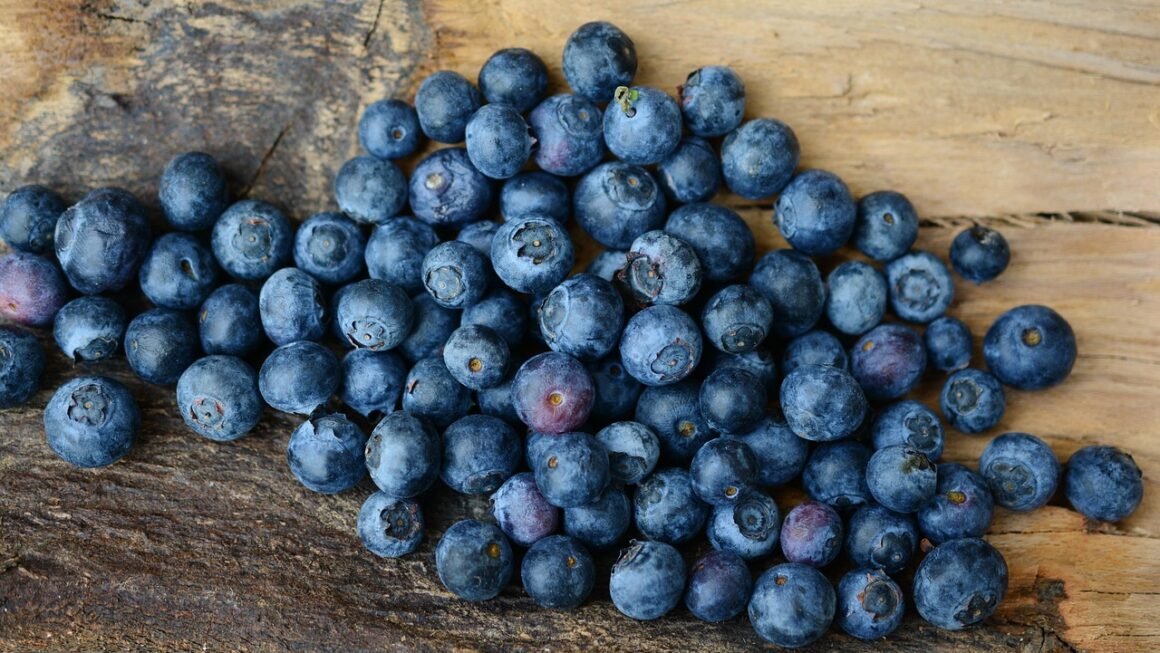
- Examples: Berries (strawberries, blueberries), leafy greens (spinach, kale), colorful peppers, tomatoes, bananas, apples, oranges.
- Actionable takeaway: Incorporate a green smoothie into your daily routine or snack on raw vegetables with hummus.
Whole Grains: A Fiber Powerhouse
Unlike refined grains, whole grains contain the entire grain kernel—the bran, germ, and endosperm. This provides more fiber, which helps lower cholesterol and regulate blood sugar levels.
- Examples: Oatmeal, brown rice, quinoa, whole-wheat bread, barley.
- Avoid: White bread, white rice, processed cereals, pastries.
- Practical Tip: When choosing bread or pasta, look for the word “whole” as the first ingredient.
- Actionable takeaway: Swap white rice for brown rice or quinoa in your next meal.
Healthy Fats: The Good Kind of Fat
Not all fats are created equal. Focus on unsaturated fats, which can help lower bad cholesterol levels.
- Sources: Olive oil, avocados, nuts (almonds, walnuts), seeds (flaxseed, chia seeds), fatty fish (salmon, tuna, mackerel).
- Avoid: Saturated fats (found in red meat and full-fat dairy products) and trans fats (found in processed foods).
- Practical Tip: Use olive oil instead of butter when cooking.
- Actionable takeaway: Add a handful of nuts to your daily diet or incorporate avocado slices into your salads.
Lean Protein: Building Blocks for a Healthy Body
Choose lean protein sources to help you feel full and satisfied without adding excess saturated fat to your diet.
- Examples: Skinless poultry, fish, beans, lentils, tofu, lean cuts of beef and pork.
- Practical Tip: Bake, grill, or broil your protein instead of frying it.
- Actionable takeaway: Plan one or two meatless meals per week, focusing on beans and lentils as your protein source.
Foods to Limit or Avoid
Saturated and Trans Fats: The Heart’s Enemies
These fats can raise bad cholesterol levels and increase your risk of heart disease.
- Sources of Saturated Fats: Red meat, full-fat dairy products, processed meats, coconut oil.
- Sources of Trans Fats: Fried foods, processed baked goods, margarine.
- Practical Tip: Read food labels carefully and avoid products with partially hydrogenated oils (a sign of trans fats).
Sodium: Watch Your Salt Intake
Excessive sodium intake can raise blood pressure, increasing your risk of heart disease and stroke.
- Recommended daily intake: Less than 2,300 milligrams (about 1 teaspoon of salt).
- Hidden Sources of Sodium: Processed foods, canned soups, restaurant meals.
- Practical Tip: Use herbs and spices to flavor your food instead of salt.
- Actionable takeaway: Cook more meals at home to control the amount of sodium in your food.
Added Sugars: Empty Calories with a Negative Impact
Consuming too much added sugar can lead to weight gain, high blood pressure, and increased risk of heart disease.
- Sources of Added Sugars: Sugary drinks (soda, juice), candy, baked goods, processed foods.
- Practical Tip: Read food labels carefully and choose products with lower amounts of added sugar.
- Actionable takeaway: Swap sugary drinks for water, unsweetened tea, or sparkling water with a squeeze of lemon or lime.
Creating a Heart-Healthy Meal Plan
Breakfast: Start Your Day Right
- Example: Oatmeal with berries and nuts, whole-wheat toast with avocado and a poached egg, or a smoothie with fruits, vegetables, and protein powder.
Lunch: Fuel Your Afternoon
- Example: Salad with grilled chicken or fish, a whole-wheat sandwich with lean turkey and vegetables, or a lentil soup with a side of whole-grain bread.
Dinner: A Balanced and Satisfying Meal
- Example: Baked salmon with roasted vegetables, stir-fried tofu with brown rice and mixed vegetables, or a lean ground beef and vegetable chili.
Snacks: Smart Choices Between Meals
- Examples: Fruits, vegetables with hummus, a handful of nuts, or a Greek yogurt.
Tips for Eating Out
- Choose grilled, baked, or broiled options instead of fried.
- Ask for sauces and dressings on the side.
- Opt for whole-grain bread or rice.
- Share an entree with a friend.
- Be mindful of portion sizes.
Conclusion
Adopting a heart-healthy diet is a powerful step you can take to protect your cardiovascular health and improve your overall well-being. By focusing on whole foods, limiting unhealthy fats, sodium, and added sugars, and making smart choices at each meal, you can create a sustainable and enjoyable eating plan that supports a healthy heart for years to come. Remember, it’s about making gradual changes and finding what works best for you. Start small, stay consistent, and enjoy the journey to a healthier, happier heart!