Navigating the world of dietary choices can feel overwhelming, especially when confronted with sensitivities or health conditions. A gluten-free diet, once a niche concept, has become increasingly prevalent as more individuals recognize its potential benefits for managing various health concerns. Whether you suspect a gluten intolerance, have been diagnosed with celiac disease, or are simply curious about this dietary approach, understanding the fundamentals is key. This comprehensive guide will explore the intricacies of a gluten-free diet, providing you with the knowledge and tools necessary to make informed decisions about your health and well-being.
Understanding Gluten and Its Impact
What is Gluten?
Gluten is a family of proteins found in grains like wheat, barley, and rye. It’s responsible for the elastic texture of dough, giving bread its chewiness and structure. Think of it as the “glue” that holds baked goods together.
- Gluten is a complex protein, making it difficult for some people to digest.
- Wheat is the most common source of gluten in the Western diet.
- Hidden sources of gluten can be found in processed foods, sauces, and even cosmetics.
Who Needs to Avoid Gluten?
While a gluten-free diet is trendy, it’s crucial for specific groups of people:
- Individuals with Celiac Disease: An autoimmune disorder triggered by gluten, causing damage to the small intestine. Approximately 1 in 100 people have celiac disease worldwide. (Source: Celiac Disease Foundation)
- Individuals with Non-Celiac Gluten Sensitivity (NCGS): Experience symptoms similar to celiac disease but without the same intestinal damage. Estimates suggest that NCGS affects 6-13% of the population.
- Individuals with Wheat Allergy: An allergic reaction to wheat proteins, not just gluten.
- Individuals with Dermatitis Herpetiformis: A skin condition linked to celiac disease.
Symptoms of Gluten Intolerance or Sensitivity
The symptoms of gluten intolerance or sensitivity can vary widely, making diagnosis challenging. Common signs include:
- Digestive issues: Bloating, gas, diarrhea, constipation, abdominal pain
- Fatigue and brain fog
- Headaches and migraines
- Skin rashes (like Dermatitis Herpetiformis)
- Joint pain
- Nutrient deficiencies (due to intestinal damage in celiac disease)
Embracing a Gluten-Free Lifestyle: The Basics
Identifying Gluten-Containing Foods
The first step in adopting a gluten-free diet is knowing what to avoid. Here’s a breakdown:
- Grains: Wheat (all types, including spelt, kamut, farro, durum), barley, rye, triticale.
- Processed Foods: Bread, pasta, cereals, crackers, cookies, cakes, pastries, pizza, beer (most types).
- Hidden Sources: Sauces, gravies, salad dressings, soy sauce, processed meats, some medications, and even lipsticks. Always read labels carefully.
Naturally Gluten-Free Foods: Your Staples
Fortunately, many delicious and nutritious foods are naturally gluten-free:
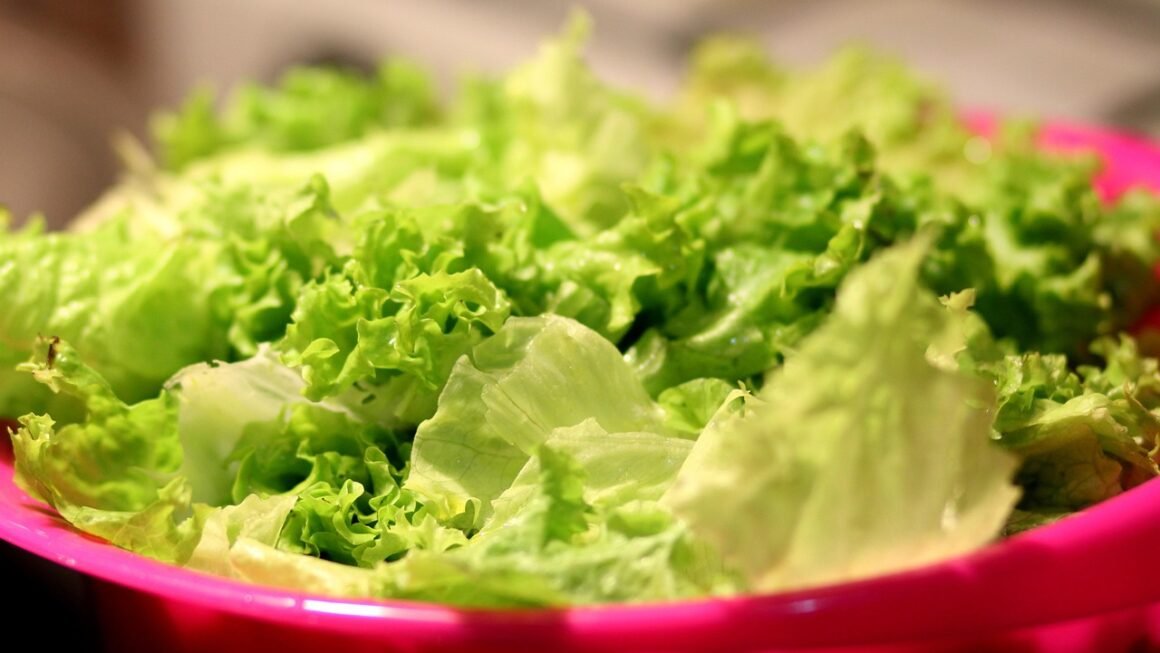
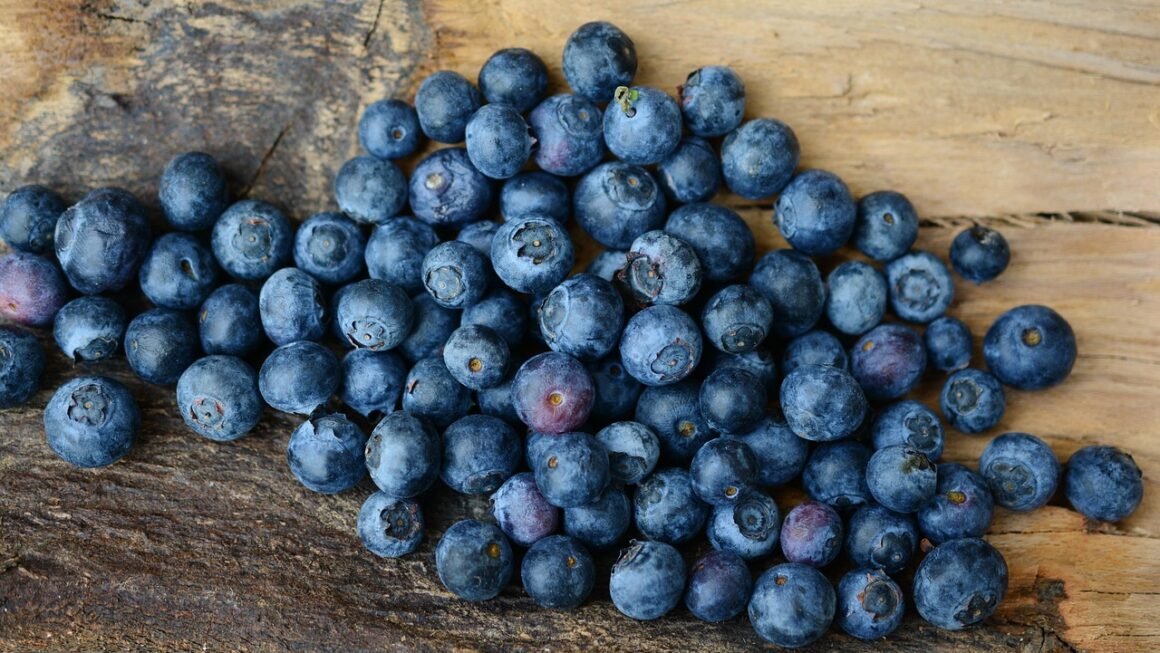
- Fruits and Vegetables: All fresh fruits and vegetables are naturally gluten-free.
- Proteins: Meat, poultry, fish, eggs, legumes (beans, lentils, peas), nuts, and seeds.
- Grains and Starches: Rice, corn, quinoa, oats (if certified gluten-free), tapioca, arrowroot, potato, sorghum, millet, buckwheat, amaranth.
- Dairy: Milk, cheese, yogurt (plain, unsweetened varieties are generally safe).
Cross-Contamination: A Major Concern
Even a small amount of gluten can trigger a reaction in sensitive individuals. Preventing cross-contamination is crucial:
- Use separate cutting boards, utensils, and toasters.
- Clean countertops and surfaces thoroughly.
- Store gluten-free foods separately from gluten-containing foods.
- Be cautious when eating out – inform the restaurant about your dietary needs.
Decoding Food Labels: Becoming a Gluten-Free Detective
Understanding Gluten-Free Labeling
Labeling regulations vary by country. In the United States, the FDA requires that foods labeled “gluten-free” contain less than 20 parts per million (ppm) of gluten. This is generally considered a safe level for most individuals with celiac disease.
- Look for labels that explicitly state “gluten-free,” “no gluten,” or “without gluten.”
- Be wary of terms like “wheat-free” – this doesn’t necessarily mean gluten-free.
- Always read the ingredient list, even if the product is labeled gluten-free.
Hidden Gluten Ingredients: Watch Out For These
Many ingredients can be sources of hidden gluten. Here are a few to be aware of:
- Modified food starch (unless specified as corn, potato, or tapioca)
- Hydrolyzed vegetable protein (HVP)
- Malt flavoring
- Dextrin
- Soy sauce (most brands contain wheat)
- Brewer’s yeast
Reading Ingredient Lists Effectively
Develop a habit of meticulously reviewing ingredient lists. Look for any mention of wheat, barley, rye, or their derivatives. If you’re unsure about an ingredient, contact the manufacturer for clarification.
Tips for Thriving on a Gluten-Free Diet
Planning and Preparation: Key to Success
Success on a gluten-free diet hinges on careful planning and preparation:
- Meal Planning: Plan your meals in advance to avoid impulse choices.
- Batch Cooking: Cook large batches of gluten-free staples like rice, quinoa, or roasted vegetables.
- Snack Preparedness: Keep gluten-free snacks readily available (fruits, nuts, yogurt) to avoid hunger-induced missteps.
Eating Out Gluten-Free: Navigating Restaurants
Dining out can be tricky, but it’s possible with preparation and communication:
- Research Restaurants: Look for restaurants with gluten-free menus or those willing to accommodate dietary needs.
- Call Ahead: Inquire about gluten-free options and preparation methods.
- Communicate Clearly: Inform your server about your dietary restrictions and the importance of avoiding cross-contamination. Be specific about sauces, dressings, and cooking methods.
- Order Simple Dishes: Choose dishes with fewer ingredients to minimize the risk of hidden gluten.
Maintaining a Balanced Diet: Focusing on Nutrient Needs
While eliminating gluten, ensure you’re still getting essential nutrients. Pay attention to these:
- Fiber: Gluten-free diets can be low in fiber. Emphasize fruits, vegetables, legumes, and gluten-free grains like quinoa and brown rice.
- Iron: Fortified gluten-free products or iron-rich foods like lean meats, spinach, and beans.
- Calcium: Dairy products (if tolerated), fortified plant-based milks, and leafy green vegetables.
- B Vitamins: Choose enriched gluten-free products or consider a B-complex supplement.
Conclusion
Embarking on a gluten-free diet requires dedication and education, but with the right knowledge and strategies, it can be a positive step towards improved health and well-being. By understanding the intricacies of gluten, mastering food label reading, and prioritizing careful planning, you can navigate the gluten-free landscape with confidence. Remember to consult with a healthcare professional or registered dietitian for personalized guidance and support. Armed with these tools, you can successfully embrace a gluten-free lifestyle and enjoy a vibrant and fulfilling life.