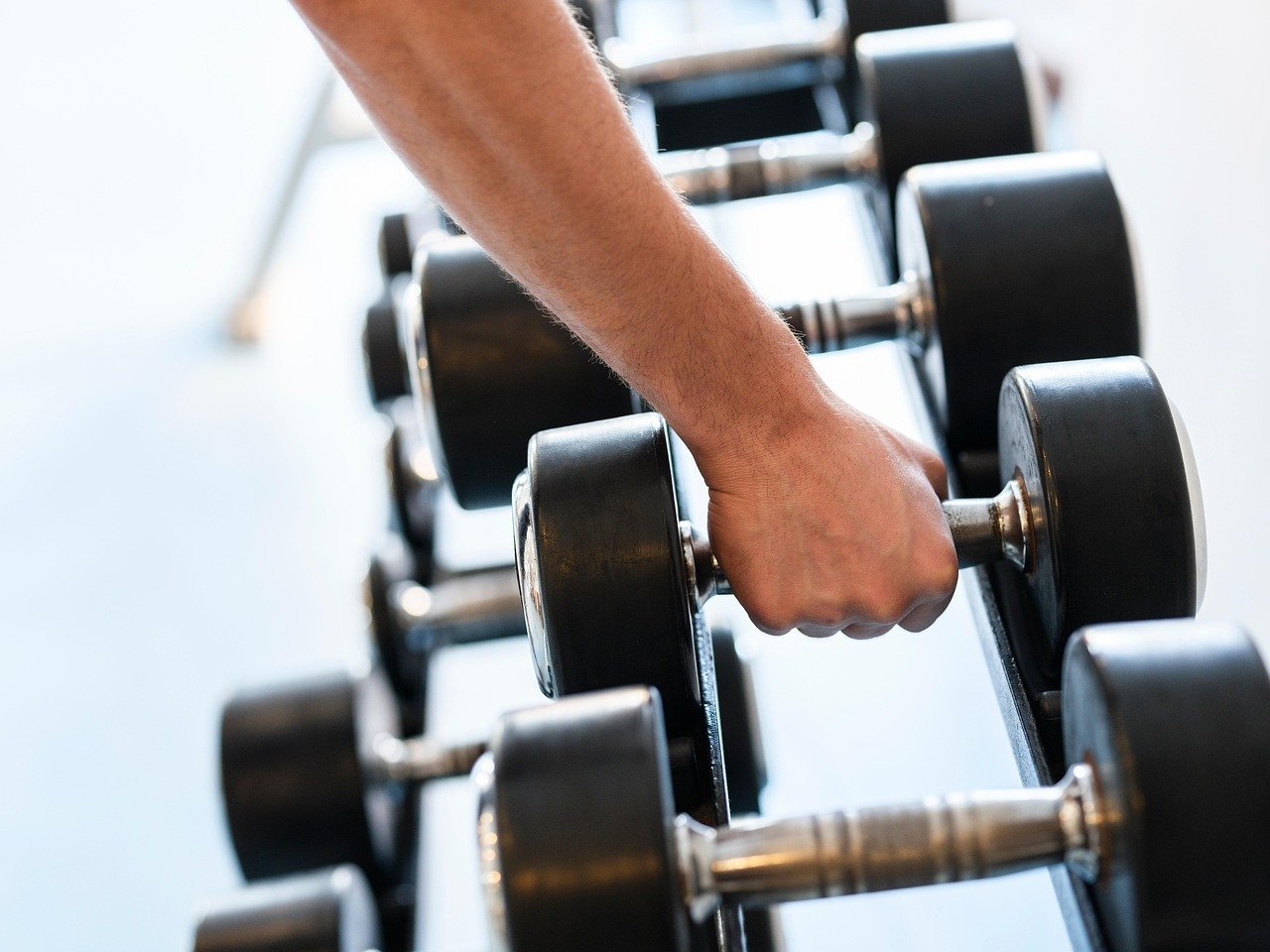
Fueling your body and moving with purpose are the cornerstones of a healthy and fulfilling life. Fitness and diet aren’t just buzzwords; they’re a powerful combination that can transform your physical and mental well-being. This blog post will delve into the key aspects of fitness and diet, providing practical tips and actionable strategies to help you achieve your health goals. Get ready to embark on a journey towards a healthier, happier you!
Understanding the Fitness Landscape
Defining Fitness: More Than Just Physical Appearance
Fitness encompasses much more than just having a toned physique. It’s about your overall physical and mental capacity to perform daily tasks with energy and vigor. Key components of fitness include:
- Cardiovascular Endurance: The ability of your heart and lungs to deliver oxygen to working muscles for sustained periods. Example: running, swimming, cycling.
- Muscular Strength: The amount of force a muscle can exert. Example: lifting weights, pushing a heavy object.
- Muscular Endurance: The ability of a muscle to perform repeated contractions over a period of time. Example: performing push-ups until fatigue.
- Flexibility: The range of motion in your joints. Example: stretching, yoga.
- Body Composition: The proportion of fat, muscle, bone, and other tissues in your body.
- Actionable Takeaway: Identify which components of fitness you need to improve and incorporate exercises that target those areas.
Creating a Sustainable Workout Routine
Consistency is key to achieving your fitness goals. A sustainable workout routine is one that you can realistically maintain over the long term. Consider these factors:
- Find Activities You Enjoy: If you dread your workouts, you’re less likely to stick with them. Experiment with different activities until you find something you genuinely enjoy. This could be anything from dancing to hiking to playing a sport.
- Start Small and Gradually Increase Intensity: Don’t try to do too much too soon. Begin with shorter, less intense workouts and gradually increase the duration and intensity as you get fitter. This helps prevent injuries and burnout.
- Set Realistic Goals: Setting unrealistic goals can lead to discouragement. Instead, set small, achievable goals that you can celebrate along the way.
- Schedule Your Workouts: Treat your workouts like important appointments and schedule them into your calendar. This will help you prioritize them and make them a non-negotiable part of your day.
- Incorporate Rest and Recovery: Rest is just as important as exercise. Allow your body adequate time to recover between workouts to prevent overtraining and injuries.
- Example: Instead of aiming to run a marathon immediately, start with a brisk walk for 30 minutes three times a week and gradually increase the distance and intensity over time.
The Importance of Warm-Up and Cool-Down
Never skip your warm-up and cool-down! They are essential for preparing your body for exercise and preventing injuries.
- Warm-up: Prepares your muscles for activity by increasing blood flow and flexibility. Examples include:
Light cardio (e.g., jogging in place) for 5-10 minutes.
Dynamic stretching (e.g., arm circles, leg swings) for 5-10 minutes.
- Cool-down: Helps your body gradually return to its resting state, preventing muscle soreness and stiffness. Examples include:
Light cardio (e.g., walking) for 5-10 minutes.
Static stretching (holding each stretch for 20-30 seconds) for 5-10 minutes.
- Actionable Takeaway: Always dedicate at least 10 minutes to warm-up and cool-down before and after each workout.
The Fundamentals of Healthy Eating
Understanding Macronutrients: Your Body’s Fuel Sources
Macronutrients are the essential nutrients that provide your body with energy. They include:
- Protein: Essential for building and repairing tissues, producing enzymes and hormones, and supporting immune function. Examples: lean meats, poultry, fish, beans, lentils, tofu. Aim for roughly 0.8 grams of protein per kilogram of body weight per day.
- Carbohydrates: The body’s primary source of energy. Choose complex carbohydrates over simple carbohydrates for sustained energy. Examples: whole grains, fruits, vegetables, legumes.
- Fats: Important for hormone production, nutrient absorption, and cell function. Choose healthy fats over unhealthy fats. Examples: avocados, nuts, seeds, olive oil, fatty fish.
- Actionable Takeaway: Understand the role of each macronutrient and aim for a balanced intake of all three. Consult a registered dietitian or nutritionist for personalized recommendations.
Micronutrients: Vitamins and Minerals for Optimal Health
Micronutrients, vitamins and minerals, are essential for various bodily functions, including immune function, energy production, and bone health.
- Vitamins: Organic compounds that your body needs in small amounts.
Vitamin C: Supports immune function.
Vitamin D: Important for bone health.
Vitamin B12: Essential for nerve function and red blood cell production.
- Minerals: Inorganic substances that your body needs in small amounts.
Calcium: Important for bone health.
Iron: Essential for oxygen transport.
Potassium: Helps regulate blood pressure.
- Example: A deficiency in Vitamin D can lead to weakened bones and an increased risk of fractures.
- Actionable Takeaway: Consume a variety of fruits, vegetables, and whole grains to ensure you’re getting adequate amounts of all essential vitamins and minerals.
Hydration: The Key to Performance and Overall Well-being
Water is essential for virtually every bodily function, including regulating body temperature, transporting nutrients, and removing waste products.
- Benefits of Staying Hydrated:
Improved energy levels
Enhanced cognitive function
Better digestion
Improved athletic performance
Reduced risk of kidney stones
- Example: Dehydration can lead to fatigue, headaches, and decreased athletic performance.
- Actionable Takeaway: Aim to drink at least eight glasses of water per day, and increase your intake when exercising or in hot weather.
Combining Fitness and Diet for Synergistic Results
The Importance of Fueling Your Body Before and After Workouts
What you eat before and after your workouts can significantly impact your performance and recovery.
- Pre-Workout: Consume a carbohydrate-rich snack or meal 1-2 hours before your workout to provide your body with energy. Examples: a banana with peanut butter, a bowl of oatmeal, a whole-wheat toast with avocado.
- Post-Workout: Consume a combination of protein and carbohydrates within 30-60 minutes after your workout to replenish glycogen stores and repair muscle tissue. Examples: a protein shake with fruit, a Greek yogurt with berries, a grilled chicken breast with sweet potato.
- Actionable Takeaway: Plan your meals and snacks around your workout schedule to optimize your performance and recovery.
Strategies for Healthy Weight Management
Weight management is a complex process that involves both diet and exercise.
- Calorie Balance: To lose weight, you need to consume fewer calories than you burn. To gain weight, you need to consume more calories than you burn.
- Portion Control: Be mindful of your portion sizes. Use smaller plates and bowls to help control your intake.
- Mindful Eating: Pay attention to your hunger and fullness cues. Eat slowly and savor each bite.
- Regular Exercise: Exercise helps you burn calories and build muscle mass, which can boost your metabolism.
- Stress Management: Chronic stress can lead to weight gain. Practice stress-reducing techniques like meditation or yoga.
- Sufficient Sleep: Lack of sleep can disrupt hormones that regulate appetite, leading to increased cravings and weight gain.
- Example: Instead of mindlessly snacking in front of the TV, try practicing mindful eating and savoring each bite.
- Actionable Takeaway: Focus on creating a sustainable lifestyle that incorporates both healthy eating and regular exercise for long-term weight management success.
Debunking Common Fitness and Diet Myths
There are many misconceptions about fitness and diet. It’s important to be informed and rely on credible sources.
- Myth: “Spot reduction” is possible (targeting fat loss in specific areas). Reality: You can’t target fat loss in specific areas. Fat loss occurs throughout the body.
- Myth: Carbs are bad for you. Reality: Complex carbohydrates are an essential source of energy.
- Myth: You need to starve yourself to lose weight. Reality: Severely restricting calories can slow down your metabolism and lead to nutrient deficiencies. Focus on eating a balanced diet and creating a calorie deficit.
- Myth: Lifting weights will make women bulky. Reality: Women typically don’t have enough testosterone to build significant muscle mass. Strength training can help women build lean muscle, which can boost their metabolism and improve their overall health.
- Actionable Takeaway: Always question claims that sound too good to be true and consult with qualified professionals for accurate information.
Overcoming Obstacles and Staying Motivated
Common Barriers to Fitness and Diet and How to Overcome Them
Life is full of challenges, and staying consistent with your fitness and diet can be difficult. Here are some common barriers and strategies for overcoming them:
- Lack of Time: Schedule your workouts and meal preparation into your calendar. Even short bursts of exercise and healthy meals are better than nothing.
- Lack of Motivation: Find an exercise buddy, join a fitness class, or set realistic goals to stay motivated.
- Financial Constraints: Look for free or low-cost fitness options, such as walking, running, or bodyweight exercises. Meal planning and cooking at home can save money.
- Injuries: Rest and recover properly. Consult with a healthcare professional for guidance on managing injuries and returning to exercise safely.
- Travel: Pack healthy snacks and meals for travel. Look for opportunities to exercise on the road, such as walking or using the hotel gym.
- Example: Instead of skipping your workout due to a lack of time, try a 20-minute high-intensity interval training (HIIT) workout.
Strategies for Maintaining Long-Term Consistency
Consistency is key to achieving your fitness and diet goals. Here are some strategies for maintaining long-term consistency:
- Set Realistic Goals: Set small, achievable goals that you can celebrate along the way.
- Track Your Progress: Monitoring your progress can help you stay motivated and accountable.
- Find an Accountability Partner: Having someone to support you can make a big difference.
- Reward Yourself: Celebrate your achievements with non-food rewards.
- Be Patient: It takes time to see results. Don’t get discouraged if you don’t see progress immediately.
- Focus on Progress, Not Perfection: It’s okay to have slip-ups. The important thing is to get back on track as soon as possible.
- *Actionable Takeaway: Celebrate your successes, learn from your setbacks, and never give up on your journey towards a healthier, happier you.
Conclusion
Fitness and diet are not destinations, but rather ongoing journeys. By understanding the fundamentals of fitness and nutrition, creating a sustainable routine, and overcoming common obstacles, you can achieve your health goals and live a more fulfilling life. Remember to listen to your body, be patient with yourself, and celebrate your progress along the way. Embrace the journey, and enjoy the transformative power of fitness and diet!