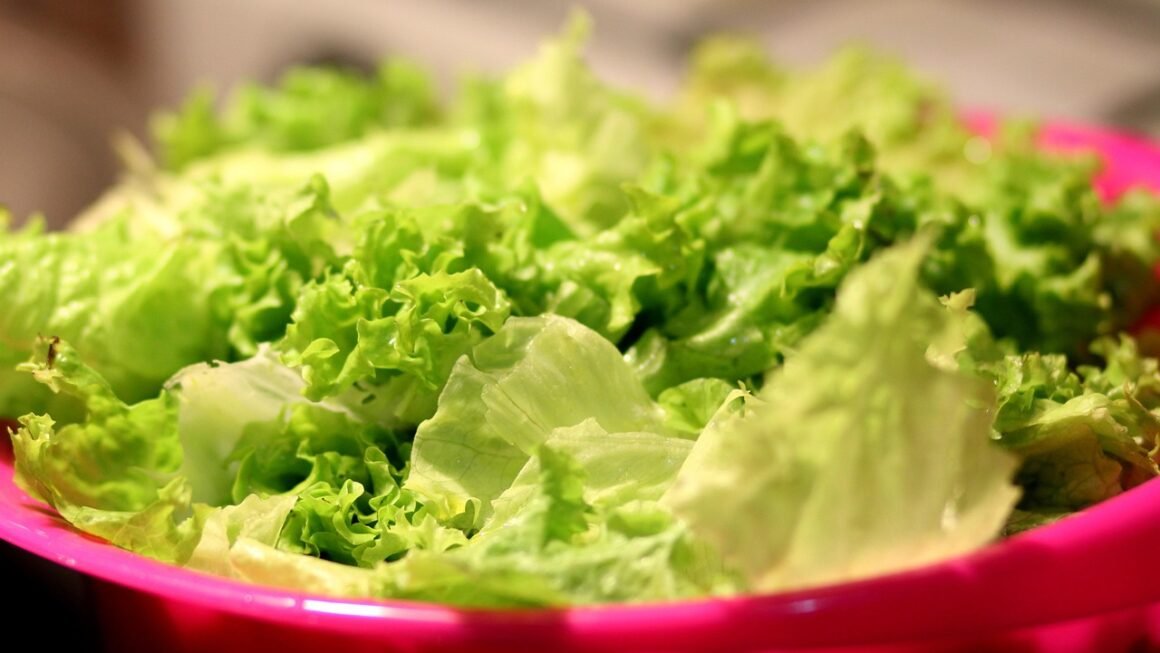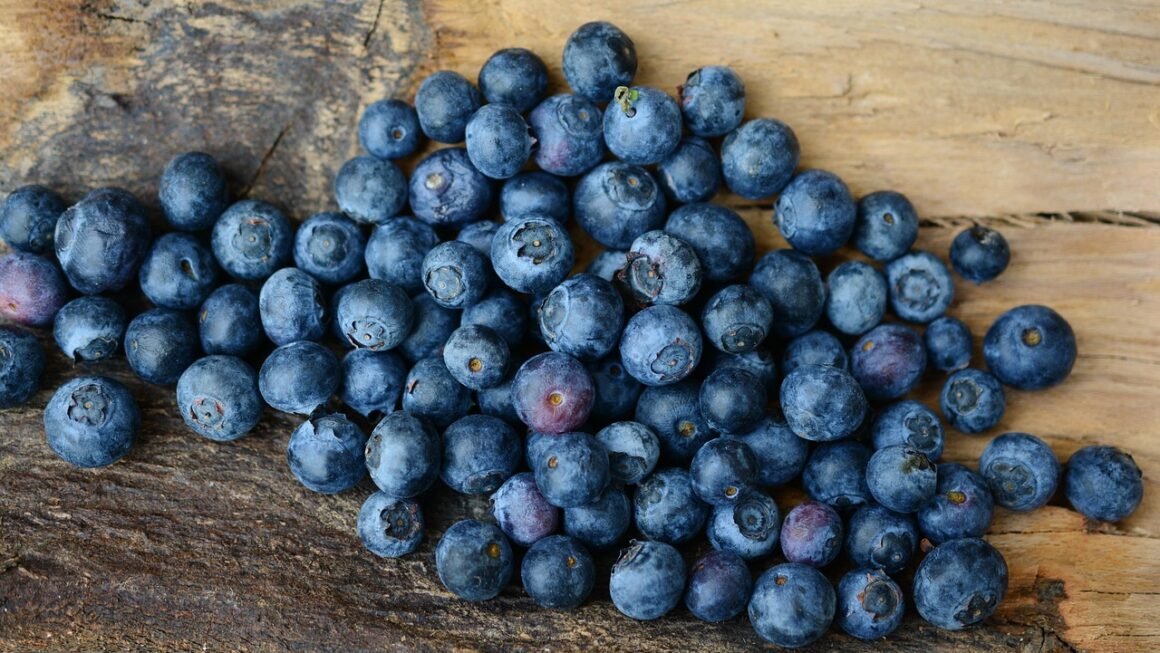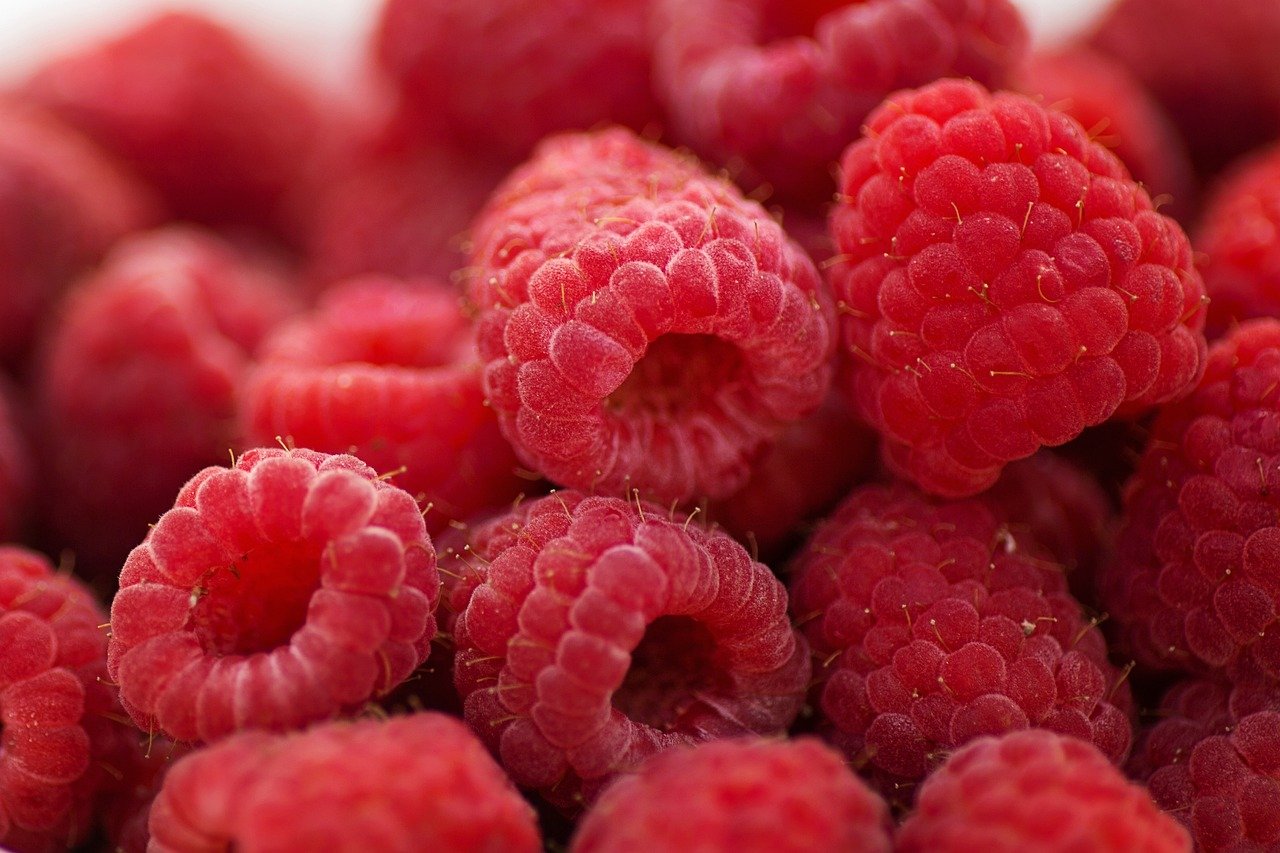
Detox diets have become a popular topic in the health and wellness world, promising to cleanse the body, boost energy levels, and even promote weight loss. But what exactly are they, and do they really work? This comprehensive guide dives deep into the world of detox diets, exploring their purpose, different types, potential benefits, and essential considerations before you embark on one. Whether you’re curious about the science behind detoxification or simply looking for a healthier lifestyle, this post provides a detailed overview to help you make informed decisions.
Understanding Detox Diets
What is a Detox Diet?
A detox diet, short for detoxification diet, is a short-term dietary intervention designed to eliminate toxins from the body. These diets often involve restricting food intake, focusing on specific foods, and/or incorporating supplements believed to support the body’s natural detoxification processes. The underlying idea is to give your organs, particularly the liver and kidneys, a break from processing processed foods, unhealthy fats, and other potential toxins.
The Body’s Natural Detoxification System
It’s crucial to understand that our bodies are already equipped with a sophisticated detoxification system. The liver, kidneys, digestive system, skin, and lungs work tirelessly to filter waste and eliminate harmful substances. Therefore, the question isn’t whether your body detoxifies, but rather whether a detox diet can enhance these natural processes.
- Liver: Filters blood, breaks down toxins, and produces bile for digestion.
- Kidneys: Filter waste products from the blood and excrete them in urine.
- Digestive System: Eliminates solid waste and helps maintain a healthy gut microbiome.
- Skin: Eliminates toxins through sweat.
- Lungs: Eliminate carbon dioxide through breathing.
Common Goals of Detox Diets
People pursue detox diets for various reasons. While some aim to cleanse their bodies, others seek to improve their overall health and well-being. Common goals include:
- Weight loss
- Increased energy levels
- Improved digestion
- Clearer skin
- Reduced bloating
- Boosting the immune system
Types of Detox Diets
Juice Cleanses
Juice cleanses involve consuming only fruit and vegetable juices for a specific period, typically ranging from one to seven days. The purpose is to flood the body with nutrients and antioxidants while minimizing the digestive workload.
- Example: A three-day juice cleanse might include a variety of green juices (kale, spinach, cucumber), fruit juices (apple, berry), and vegetable juices (carrot, beet). It’s vital to ensure the juices are freshly made or cold-pressed to retain maximum nutritional value.
Fasting
Fasting involves abstaining from all or certain types of food for a defined period. Intermittent fasting, where you cycle between eating and fasting periods, is a popular variation.
- Example: A 16/8 intermittent fasting schedule involves eating during an 8-hour window and fasting for the remaining 16 hours of the day. This can be easier to integrate into a daily routine compared to a full-day fast.
- Important Note: Prolonged fasting should always be done under medical supervision.
Whole Food Detox
This type of detox diet focuses on consuming whole, unprocessed foods while eliminating processed foods, sugar, caffeine, alcohol, and refined grains. It emphasizes fruits, vegetables, lean proteins, and healthy fats.
- Example: A whole food detox might involve a week-long diet consisting of colorful salads with grilled chicken or fish, lentil soup, and smoothies made with berries and leafy greens. Snacking could involve almonds or a piece of fruit.
Specific Food Elimination
Some detox diets focus on eliminating specific food groups, such as gluten, dairy, or soy, based on the belief that these foods contribute to inflammation or digestive issues. This is often used as an elimination diet to identify potential sensitivities.
- Example: Someone experiencing bloating and digestive discomfort might try a dairy-free detox for two weeks to see if their symptoms improve.
Potential Benefits and Risks
Possible Benefits
While scientific evidence supporting the long-term benefits of detox diets is limited, some individuals may experience short-term improvements:
- Increased Energy: Cutting out processed foods and sugar can lead to more stable energy levels.
- Improved Digestion: Consuming more fiber-rich fruits and vegetables can promote regularity and gut health.
- Weight Loss: The calorie restriction inherent in many detox diets can lead to temporary weight loss, although this is often water weight.
- Reduced Inflammation: Focusing on anti-inflammatory foods like fruits, vegetables, and omega-3 fatty acids can help reduce inflammation.
Potential Risks
It’s essential to be aware of the potential risks associated with detox diets:
- Nutrient Deficiencies: Restricting food intake can lead to deficiencies in essential vitamins and minerals.
- Dehydration: Some detox diets, especially juice cleanses, can be low in electrolytes and lead to dehydration.
- Electrolyte Imbalance: Severe electrolyte imbalances can be life-threatening.
- Fatigue and Irritability: Low calorie intake can cause fatigue, headaches, and irritability.
- Muscle Loss: Restrictive diets can lead to muscle loss, especially if they are low in protein.
- Rebound Weight Gain: Once normal eating resumes, weight loss is often regained.
Important Considerations
Before starting any detox diet, consider the following:
- Consult with a healthcare professional: Especially if you have any underlying health conditions or are taking medications.
- Choose a sustainable approach: Opt for a detox diet that you can realistically maintain for the duration.
- Hydrate adequately: Drink plenty of water throughout the day.
- Listen to your body: If you experience any adverse effects, stop the diet immediately.
- Focus on long-term lifestyle changes: Detox diets are not a substitute for a healthy, balanced diet and regular exercise.
Maximizing Your Body’s Natural Detoxification Processes
The Importance of a Healthy Diet
The best way to support your body’s natural detoxification system is to adopt a healthy, balanced diet that includes:
- Plenty of fruits and vegetables rich in antioxidants and fiber.
- Lean protein sources such as fish, chicken, and beans.
- Healthy fats from sources like avocados, nuts, and olive oil.
- Whole grains instead of refined grains.
Lifestyle Factors
In addition to diet, several lifestyle factors can significantly impact your body’s ability to detoxify:
- Regular Exercise: Promotes circulation and sweating, which helps eliminate toxins.
- Adequate Sleep: Allows the body to repair and regenerate.
- Stress Management: Chronic stress can impair detoxification processes.
- Limit Alcohol Consumption: Excessive alcohol consumption can damage the liver.
- Avoid Smoking: Smoking exposes the body to harmful toxins.
Hydration is Key
Water is essential for virtually every bodily function, including detoxification. Staying well-hydrated helps the kidneys flush out waste products and supports overall cellular function.
- Aim for at least 8 glasses of water per day.
- Include hydrating foods like cucumbers, watermelon, and celery in your diet.
- Limit sugary drinks, which can dehydrate the body.
Conclusion
Detox diets can be appealing for those seeking a quick fix or a fresh start. However, it’s crucial to approach them with caution and a clear understanding of their potential benefits and risks. While short-term improvements may be experienced, the long-term key to a healthy and detoxified body lies in adopting sustainable lifestyle changes, including a balanced diet, regular exercise, stress management, and adequate hydration. Remember to consult with a healthcare professional before making any significant dietary changes. Ultimately, nurturing your body’s natural detoxification system through healthy habits is far more effective and sustainable than relying on restrictive detox diets.