Navigating life with diabetes can feel like a tightrope walk, especially when it comes to food. But the good news is that with the right dietary strategies, you can effectively manage your blood sugar levels, feel your best, and live a long and healthy life. A diabetes diet isn’t about deprivation; it’s about making smart, informed choices that nourish your body and keep you in control. This comprehensive guide will provide you with the knowledge and practical tools you need to build a delicious and sustainable diabetes-friendly eating plan.
Understanding the Basics of a Diabetes Diet
What is a Diabetes Diet?
A diabetes diet, also known as medical nutrition therapy (MNT), is a meal plan designed to help manage blood sugar (glucose), weight, and risk factors for heart disease. It focuses on eating healthy foods in moderate amounts and sticking to regular mealtimes. It’s not a one-size-fits-all approach, and your specific plan should be tailored to your individual needs, preferences, and health goals, often in consultation with a registered dietitian or certified diabetes educator.
Why is Diet Important for Diabetes Management?
Diet plays a crucial role in diabetes management because:
- Blood Sugar Control: Food directly impacts your blood sugar levels. Choosing the right foods helps prevent dangerous spikes and dips.
- Weight Management: Maintaining a healthy weight improves insulin sensitivity, making it easier for your body to use glucose for energy.
- Reduced Risk of Complications: A healthy diet helps lower your risk of long-term complications associated with diabetes, such as heart disease, kidney disease, nerve damage (neuropathy), and eye damage (retinopathy). According to the Centers for Disease Control and Prevention (CDC), people with diabetes are twice as likely to have heart disease or a stroke.
- Improved Overall Health: A balanced diet provides essential nutrients, boosts energy levels, and enhances overall well-being.
Key Principles of a Diabetes-Friendly Eating Plan
The core principles of a healthy diet for diabetes include:
- Focus on Whole Foods: Emphasize fruits, vegetables, whole grains, lean protein, and healthy fats.
- Control Portion Sizes: Be mindful of how much you’re eating to avoid overeating and maintain consistent blood sugar levels.
- Time Your Meals: Eat regular meals and snacks throughout the day to keep blood sugar stable.
- Limit Processed Foods: Minimize intake of sugary drinks, processed snacks, and refined carbohydrates.
- Stay Hydrated: Drink plenty of water throughout the day.
Food Groups and Diabetes: What to Eat and What to Limit
Carbohydrates
Carbohydrates have the biggest impact on blood sugar levels. Focus on complex carbohydrates and be mindful of portion sizes.
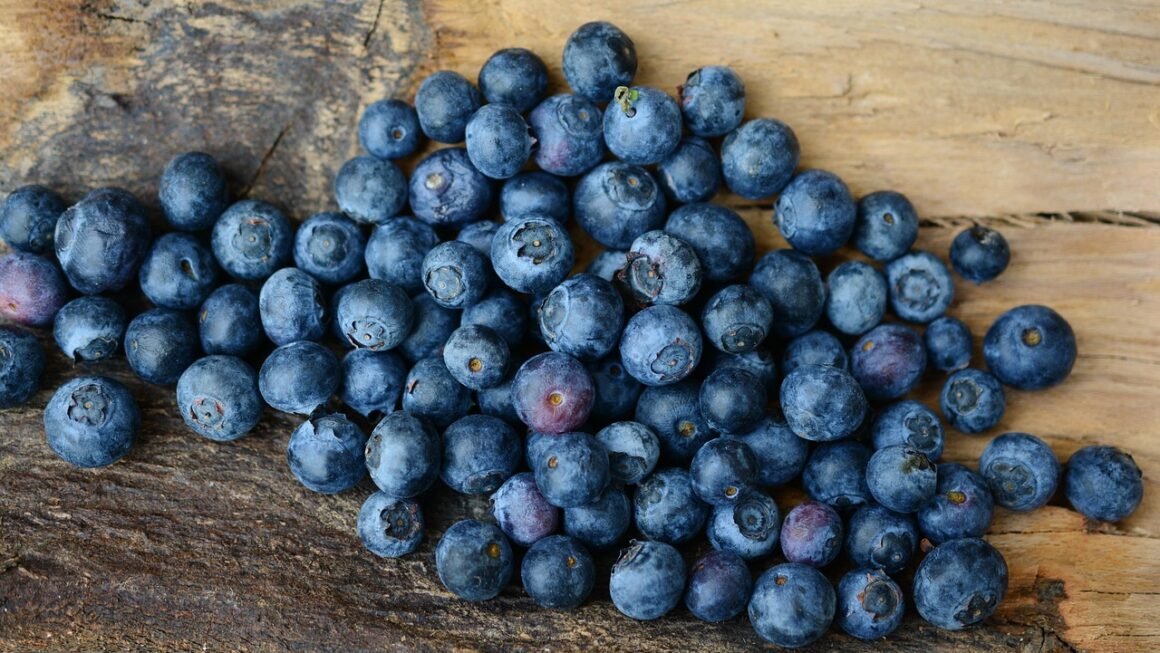
- Good Choices: Whole grains (brown rice, quinoa, oats, whole-wheat bread), non-starchy vegetables (broccoli, spinach, salad greens), fruits (berries, apples, oranges), legumes (beans, lentils).
- Foods to Limit: Refined grains (white bread, white rice, pasta made with white flour), sugary drinks (soda, juice), pastries, candy.
- Practical Tip: Choose whole-grain bread or brown rice over white bread or white rice. Opt for a small piece of fruit instead of a sugary dessert.
Protein
Protein is essential for building and repairing tissues and helps keep you feeling full.
- Good Choices: Lean meats (chicken, turkey, fish), plant-based protein (tofu, tempeh, beans, lentils), eggs, low-fat dairy products.
- Foods to Limit: Fatty cuts of meat, processed meats (bacon, sausage), fried foods.
- Practical Tip: Choose baked, grilled, or steamed protein sources over fried options. Limit red meat consumption and opt for leaner cuts when you do eat it.
Fats
Healthy fats are important for heart health and overall well-being. But be mindful of portion sizes, as fats are calorie-dense.
- Good Choices: Unsaturated fats (avocados, olive oil, nuts, seeds, fatty fish like salmon), which can improve cholesterol levels.
- Foods to Limit: Saturated and trans fats (found in red meat, full-fat dairy products, fried foods, processed foods), which can raise cholesterol levels and increase the risk of heart disease.
- Practical Tip: Use olive oil for cooking, snack on a handful of nuts, and choose avocado instead of butter on your toast.
Non-Starchy Vegetables
These are your best friends! They are low in calories and carbohydrates and packed with vitamins, minerals, and fiber.
- Good Choices: Broccoli, spinach, kale, lettuce, peppers, tomatoes, cucumbers, asparagus, green beans, onions, cauliflower.
- Practical Tip: Fill half of your plate with non-starchy vegetables at each meal. Experiment with different cooking methods to add variety, such as roasting, steaming, or grilling.
Meal Planning and Portion Control for Diabetes
Building a Balanced Plate
The plate method is a simple visual tool for portion control:
- Half of your plate: Non-starchy vegetables.
- One-quarter of your plate: Lean protein.
- One-quarter of your plate: Complex carbohydrates.
- Add: A small serving of healthy fats (e.g., a tablespoon of olive oil or a quarter of an avocado).
- Example: A balanced meal could consist of grilled chicken breast, broccoli, and a small serving of brown rice, dressed with a drizzle of olive oil.
Importance of Portion Sizes
Consistently eating appropriate portion sizes helps maintain stable blood sugar levels and manage weight. Use measuring cups and spoons to accurately portion your food, especially when starting out. Over time, you’ll develop a better sense of what a proper serving looks like.
Meal Timing and Frequency
Eating regular meals and snacks throughout the day can help prevent blood sugar fluctuations. Work with your healthcare provider to determine the best meal timing and frequency for your individual needs. Some people may benefit from three meals a day, while others may need smaller meals and snacks more frequently. Don’t skip meals!
Reading Food Labels
Understanding food labels is essential for making informed choices. Pay attention to:
- Serving Size: Be aware of the serving size listed on the label and adjust your portion accordingly.
- Total Carbohydrates: Look at the total carbohydrate content per serving, including sugars, starches, and fiber.
- Fiber: Choose foods with a high fiber content (at least 3 grams per serving) to help slow down glucose absorption.
- Added Sugars: Limit foods with high amounts of added sugars.
- Total Fat, Saturated Fat, and Trans Fat: Pay attention to the types and amounts of fat in the product. Choose foods low in saturated and trans fats.
Sample Meal Plans for Diabetes Management
Sample Breakfast
Option 1:
- 1 cup of cooked oatmeal with ½ cup of berries and a sprinkle of nuts
- 1 hard-boiled egg
Option 2:
- Whole-wheat toast with avocado and sliced tomatoes
- Greek yogurt with a small handful of blueberries
Sample Lunch
Option 1:
- Large salad with grilled chicken or tofu, mixed greens, non-starchy vegetables, and a light vinaigrette dressing.
Option 2:
- Turkey and vegetable wrap on a whole-wheat tortilla.
- Side of cucumber slices.
Sample Dinner
Option 1:
- Baked salmon with roasted broccoli and quinoa.
Option 2:
- Chicken stir-fry with plenty of non-starchy vegetables and brown rice.
Sample Snacks
Examples:
- A small handful of almonds.
- Apple slices with peanut butter.
- Greek yogurt with berries.
- Baby carrots with hummus.
Navigating Special Occasions and Eating Out with Diabetes
Planning Ahead
When attending social events or eating out, plan ahead to stay on track:
- Review the Menu: If possible, check the menu online beforehand and decide what you’ll order.
- Make Healthy Choices: Opt for grilled, baked, or steamed options over fried foods. Choose lean protein sources and plenty of non-starchy vegetables.
- Portion Control: Be mindful of portion sizes and consider sharing an entree or asking for a to-go container.
- Communicate Your Needs: Don’t hesitate to ask the server about ingredients or preparation methods. Request substitutions if needed.
- Bring a Healthy Dish: If you’re attending a potluck, offer to bring a diabetes-friendly dish to ensure there’s a healthy option available.
Managing Holiday Meals
Holidays can be particularly challenging. Here are some tips for managing holiday meals:
- Don’t Skip Meals: Eat a regular meal or snack before the event to avoid overeating.
- Choose Wisely: Select smaller portions of your favorite dishes and focus on enjoying the company of friends and family.
- Stay Active: Go for a walk after the meal to help lower blood sugar levels.
- Offer Support: Ask a friend or family member to help you stay accountable and make healthy choices.
Conclusion
Managing diabetes through diet is a powerful tool for improving your health and well-being. By understanding the basics of a diabetes diet, focusing on whole foods, practicing portion control, and planning ahead for special occasions, you can create a sustainable eating plan that supports your goals. Remember that it’s important to work with a registered dietitian or certified diabetes educator to develop a personalized plan that meets your individual needs and preferences. Take small, consistent steps, and celebrate your progress along the way. You’ve got this!