The silent killer. That’s what high blood pressure (hypertension) is often called, and for good reason. Many people don’t even know they have it until it causes serious health problems like heart disease, stroke, or kidney failure. But the good news is that managing your blood pressure is often within your control, and diet plays a HUGE role. This article delves into the most effective dietary strategies for keeping your blood pressure in check, helping you live a healthier and longer life.
The DASH Diet: A Dietary Powerhouse
The Dietary Approaches to Stop Hypertension (DASH) diet is consistently ranked as one of the best diets overall, and especially for managing blood pressure. It’s not a fad diet, but a long-term eating plan focused on whole, unprocessed foods.
What is the DASH Diet?
The DASH diet emphasizes:
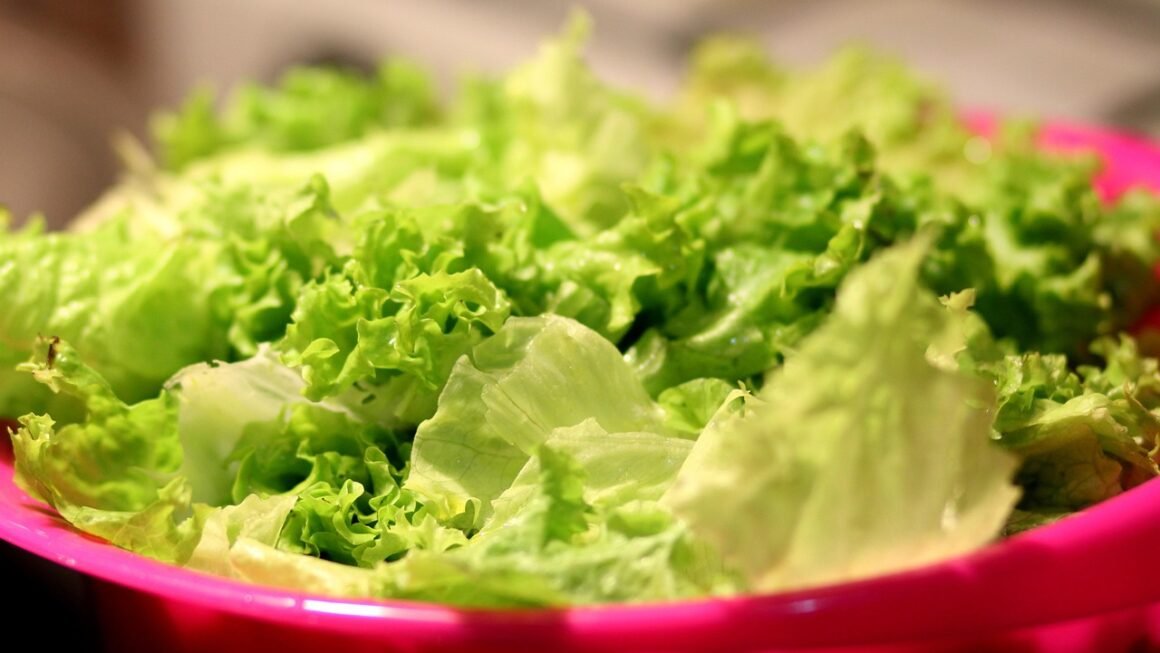
- Fruits and vegetables: Aim for 4-5 servings of each per day.
- Whole grains: Choose whole wheat bread, brown rice, and oatmeal over refined grains.
- Low-fat dairy: Opt for skim milk, yogurt, and cheese.
- Lean protein: Include poultry, fish, and beans in your diet.
- Nuts, seeds, and legumes: These are healthy sources of fats and protein.
The DASH diet limits:
- Sodium: Reduce intake to less than 2,300 mg per day (ideally less than 1,500 mg for those with hypertension).
- Saturated and trans fats: Found in fatty meats, processed foods, and fried items.
- Added sugars: Limit sugary drinks, sweets, and desserts.
DASH Diet in Action: A Sample Day
Here’s a sample daily meal plan following the DASH guidelines:
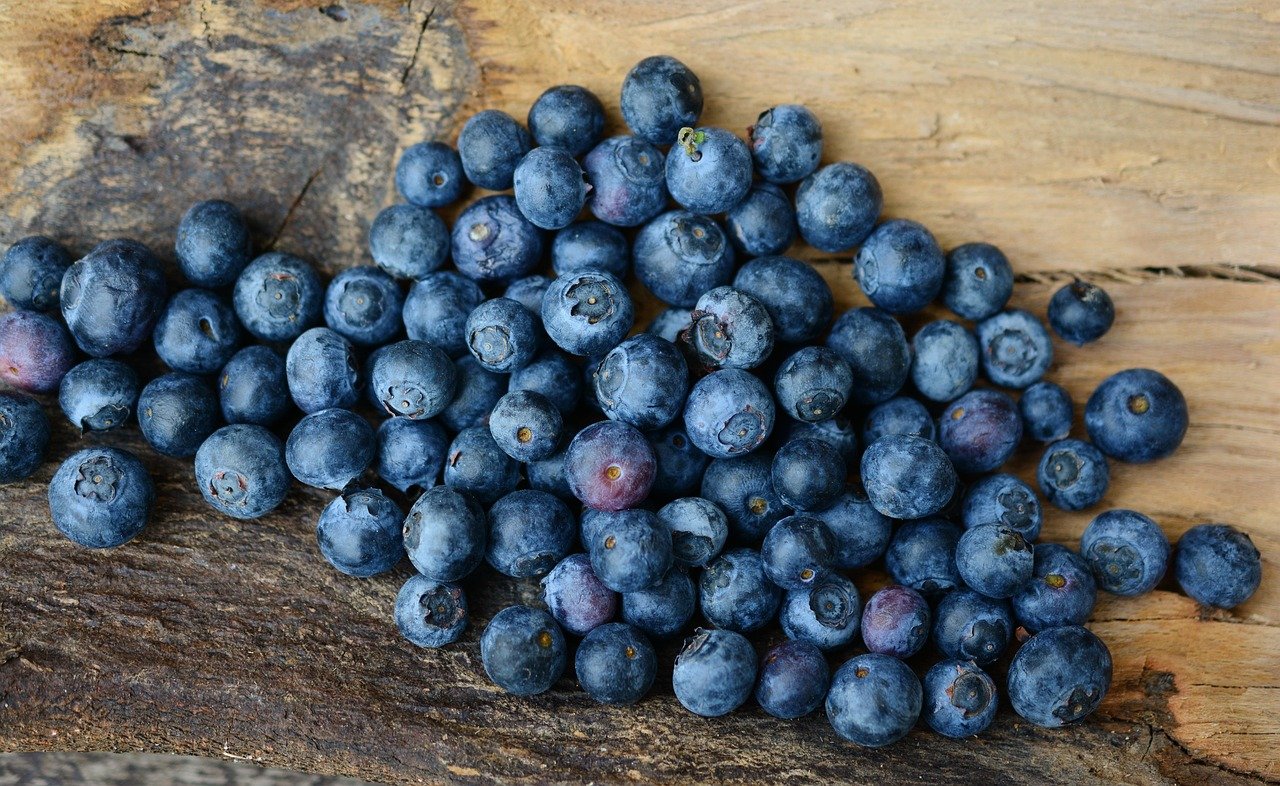
- Breakfast: Oatmeal with berries and a handful of almonds.
- Lunch: A large salad with grilled chicken or fish, mixed greens, and a light vinaigrette dressing.
- Dinner: Baked salmon with roasted vegetables (broccoli, carrots, and sweet potatoes) and quinoa.
- Snacks: Apple slices with peanut butter, a handful of walnuts, or low-fat yogurt.
The Science Behind the DASH Diet
Studies have repeatedly shown the effectiveness of the DASH diet in lowering blood pressure. For example, research published in the New England Journal of Medicine found that the DASH diet could lower systolic blood pressure by 8-14 mmHg. The combination of reduced sodium and increased potassium, magnesium, and calcium is thought to be the key.
Potassium: Your Blood Pressure Ally
Potassium helps balance the effects of sodium in the body. Increasing your potassium intake can help lower blood pressure, even if you don’t significantly reduce your sodium intake.
Potassium-Rich Foods to Embrace
- Bananas: The classic potassium source, easy to grab and go.
- Sweet potatoes: A versatile vegetable packed with nutrients.
- Avocados: A healthy source of fat and potassium.
- Spinach: A leafy green that can be easily added to salads or smoothies.
- Beans and lentils: Great sources of plant-based protein and potassium.
- Tomatoes: Use them in sauces, salads, or soups.
How Much Potassium Do You Need?
The recommended daily intake of potassium is around 3,500-4,700 mg. Focus on incorporating potassium-rich foods into your daily meals rather than relying solely on supplements, unless recommended by your doctor. Be especially mindful if you have kidney problems. Always consult your doctor before significantly increasing your potassium intake.
Sodium Reduction: A Critical Step
For many, reducing sodium intake is the single most impactful change they can make to lower their blood pressure.
Hidden Sources of Sodium
Be aware of these common sources of hidden sodium:
- Processed foods: Canned soups, frozen meals, and processed meats often contain high levels of sodium.
- Restaurant meals: Restaurant food is notoriously high in sodium. Ask for your food to be prepared with less salt, or prepare your own meals at home.
- Condiments: Soy sauce, ketchup, and salad dressings can significantly contribute to your sodium intake. Look for low-sodium alternatives.
- Bread: Yes, even bread can be a significant source of sodium!
Practical Tips for Reducing Sodium Intake
- Read food labels carefully: Pay attention to the sodium content per serving.
- Cook at home more often: This gives you control over the ingredients and sodium levels.
- Use herbs and spices: Flavor your food with herbs, spices, and lemon juice instead of salt.
- Rinse canned foods: Rinsing canned beans and vegetables can help remove excess sodium.
- Avoid adding salt at the table: Get rid of the salt shaker!
The Impact of Sodium Reduction
Even small reductions in sodium intake can have a significant impact on blood pressure. Studies have shown that reducing sodium intake by just 1,000 mg per day can lower systolic blood pressure by 5-6 mmHg.
The Importance of Magnesium and Calcium
Magnesium and calcium play vital roles in regulating blood pressure. While they may not have as dramatic an impact as the DASH diet or sodium reduction, ensuring adequate intake is important.
Magnesium: The Relaxation Mineral
Magnesium helps relax blood vessels, which can lower blood pressure.
- Sources of Magnesium: Dark leafy greens (spinach, kale), nuts (almonds, cashews), seeds (pumpkin seeds), whole grains, and legumes.
Calcium: Bone Health and More
Calcium is essential for bone health, but it also plays a role in blood pressure regulation.
- Sources of Calcium: Dairy products (milk, yogurt, cheese), leafy greens (kale, collard greens), fortified plant-based milks, and tofu.
Supplementation Considerations
Before starting any supplements, it’s crucial to consult with your doctor. They can assess your individual needs and determine if supplementation is necessary and safe for you. Excessive intake of either magnesium or calcium can have adverse effects.
Other Dietary Factors to Consider
Beyond the core principles of the DASH diet, sodium reduction, and potassium intake, several other dietary factors can impact blood pressure.
Limiting Alcohol Consumption
Excessive alcohol consumption can raise blood pressure. The American Heart Association recommends limiting alcohol intake to no more than one drink per day for women and two drinks per day for men.
Moderating Caffeine Intake
While the effects of caffeine on blood pressure are debated, some individuals are more sensitive to its effects than others. If you notice a significant increase in your blood pressure after consuming caffeine, consider reducing your intake.
Maintaining a Healthy Weight
Being overweight or obese increases your risk of high blood pressure. Losing even a small amount of weight can have a positive impact on your blood pressure.
Conclusion
Managing high blood pressure through diet is a powerful and effective strategy. By adopting the DASH diet, reducing sodium intake, increasing potassium intake, and being mindful of other dietary factors, you can take control of your blood pressure and improve your overall health. Remember to consult with your doctor or a registered dietitian to develop a personalized eating plan that meets your individual needs. Small, consistent changes can make a big difference in the long run. Don’t wait – start making healthier choices today!