Embarking on a vegan journey is more than just a dietary change; it’s a lifestyle choice that aligns with compassion, sustainability, and well-being. A vegan diet, abstaining from all animal products, is gaining popularity as more people become aware of its potential health benefits and ethical considerations. This comprehensive guide will explore the ins and outs of the vegan diet, from its principles and nutritional aspects to practical tips for making the transition and maintaining a healthy vegan lifestyle.
Understanding the Vegan Diet
What is Veganism?
Veganism is a philosophy and way of living which seeks to exclude—as far as is possible and practicable—all forms of exploitation of, and cruelty to, animals for food, clothing or any other purpose. A vegan diet, therefore, excludes all animal products, including:
- Meat (beef, pork, lamb, poultry, and game)
- Fish and shellfish
- Dairy products (milk, cheese, yogurt, butter)
- Eggs
- Honey (for some vegans)
- Animal-derived ingredients like gelatin and rennet
It’s important to note the difference between vegan and vegetarian. Vegetarian diets typically exclude meat, fish, and poultry but may include dairy and eggs, while a vegan diet eliminates all animal-derived products.
Why Choose a Vegan Diet?
People adopt vegan diets for a variety of reasons:
- Ethical considerations: Concerns about animal welfare in factory farming.
- Environmental impact: Reducing the carbon footprint associated with animal agriculture, which contributes significantly to greenhouse gas emissions, deforestation, and water pollution. For example, raising livestock accounts for approximately 14.5% of global greenhouse gas emissions, according to the Food and Agriculture Organization of the United Nations.
- Health benefits: Potential improvements in heart health, weight management, and reduced risk of certain chronic diseases, as confirmed by numerous studies and large-scale meta-analyses.
- Personal preferences: Some individuals simply prefer the taste and variety of plant-based foods.
Dispelling Common Myths
Several misconceptions surround vegan diets. Some of the most common include:
- Myth: Vegan diets are inherently unhealthy. Fact: A well-planned vegan diet can be incredibly nutritious and provide all the essential nutrients your body needs.
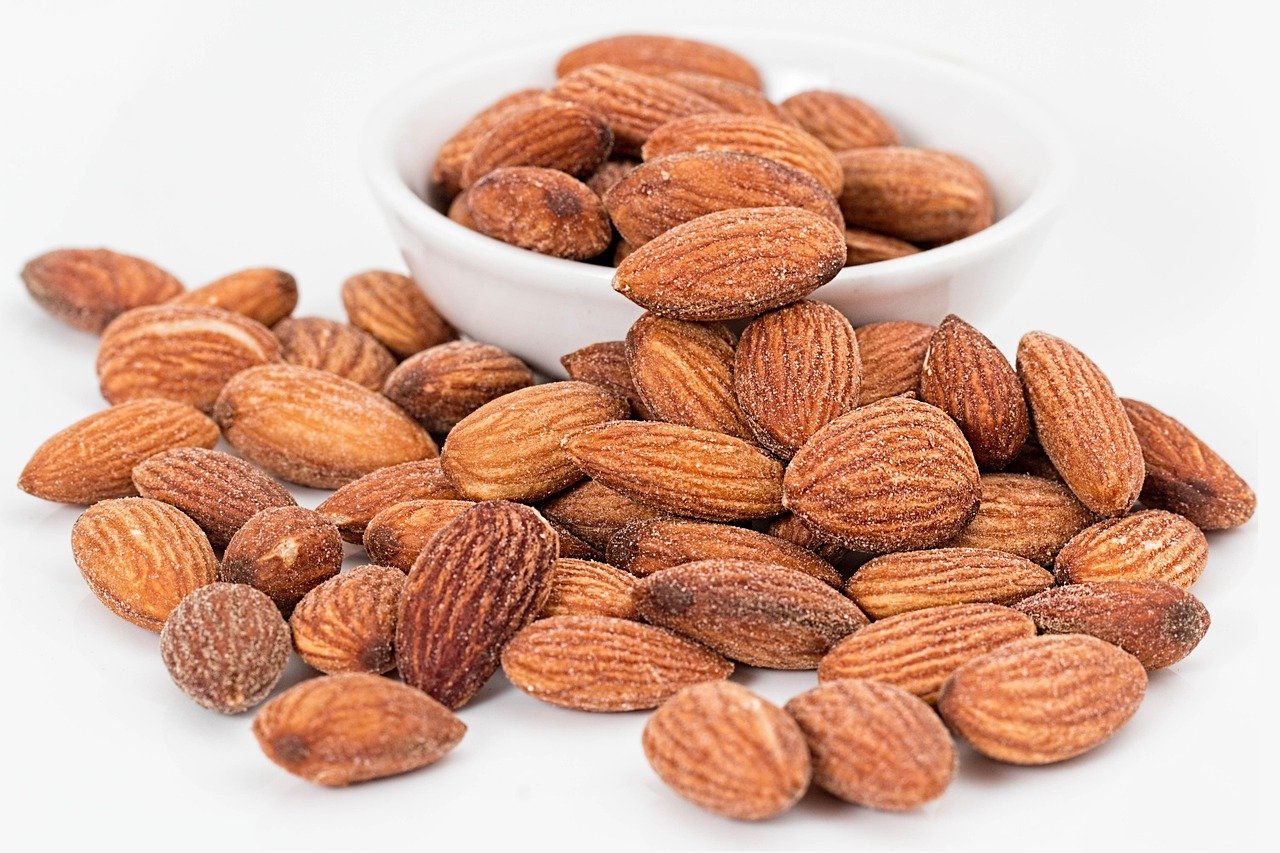
- Myth: It’s difficult to get enough protein on a vegan diet. Fact: Legumes, tofu, tempeh, nuts, seeds, and whole grains are excellent sources of plant-based protein.
- Myth: Vegan diets are expensive. Fact: Staple vegan foods like beans, lentils, rice, and vegetables are often more affordable than meat and dairy products.
Nutritional Considerations for Vegans
Essential Nutrients and How to Obtain Them
A balanced vegan diet focuses on whole, unprocessed foods to ensure adequate intake of essential nutrients. Here’s a breakdown of key nutrients and their plant-based sources:
- Protein: Legumes (beans, lentils, chickpeas), tofu, tempeh, edamame, quinoa, nuts, seeds. Example: Lentil soup is a protein-packed and filling meal.
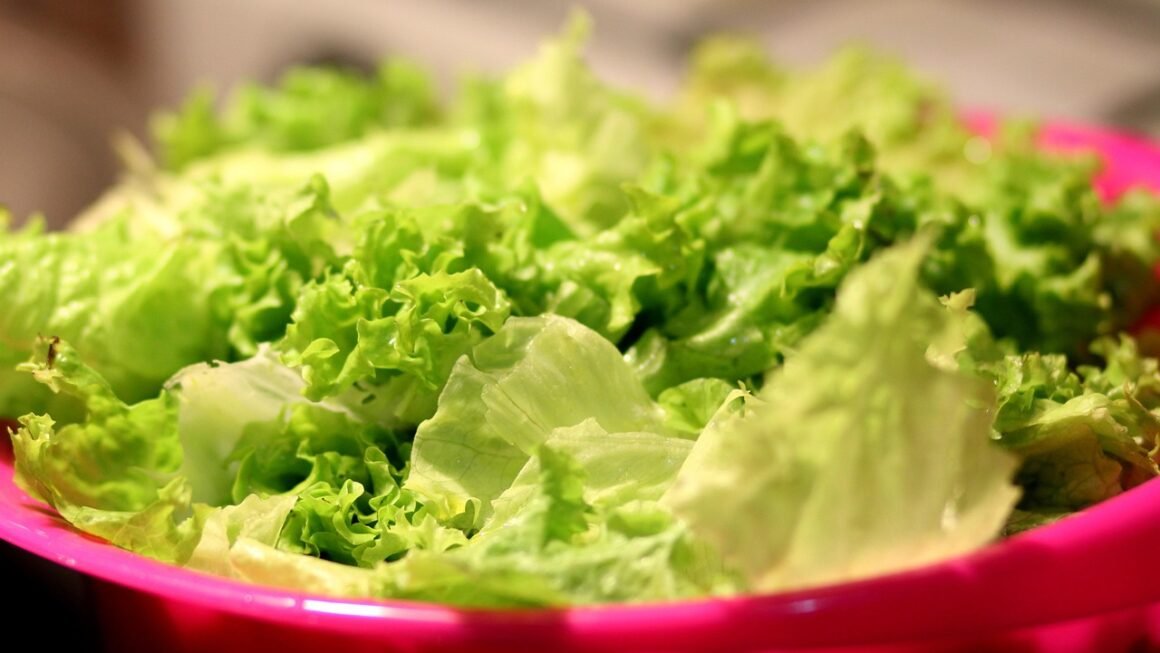
- Iron: Leafy green vegetables (spinach, kale), legumes, fortified cereals, nuts, seeds. Iron absorption can be enhanced by consuming vitamin C-rich foods alongside iron-rich foods (e.g., adding lemon juice to spinach salad).
- Calcium: Fortified plant-based milks (almond, soy, oat), tofu (calcium-set), leafy green vegetables (kale, collard greens), fortified orange juice.
- Vitamin B12: This vitamin is not naturally found in plant-based foods. Vegans need to supplement with B12 or consume fortified foods like nutritional yeast or plant-based milks. Vitamin B12 deficiency can lead to serious health problems, so supplementation is crucial.
- Omega-3 Fatty Acids: Flaxseeds, chia seeds, walnuts, hemp seeds, algae-based supplements. The body converts ALA (alpha-linolenic acid) from these sources into EPA and DHA, which are vital for brain health.
- Vitamin D: Sunlight exposure is the best natural source. During winter months or for individuals with limited sun exposure, vitamin D supplementation is recommended. Also found in some fortified foods.
- Zinc: Legumes, nuts, seeds, whole grains. Phytic acid in plant foods can inhibit zinc absorption; soaking or sprouting these foods can help improve bioavailability.
Meal Planning for Optimal Nutrition
Effective meal planning is crucial for maintaining a healthy vegan diet. Here are some tips:
- Variety is key: Include a wide range of fruits, vegetables, legumes, grains, nuts, and seeds in your diet to ensure you’re getting a diverse array of nutrients.
- Plan your meals in advance: Spend some time each week planning your meals and creating a shopping list. This will help you avoid impulsive unhealthy choices and ensure you have the ingredients you need on hand.
- Focus on whole, unprocessed foods: Build your meals around whole grains, fruits, vegetables, legumes, and healthy fats.
- Don’t be afraid to experiment: Try new recipes and explore different cuisines to keep your meals interesting and enjoyable. For example, try making a vegan chili, a tofu stir-fry, or a lentil curry.
- Consider tracking your nutrients: Especially in the beginning, tracking your food intake can help you identify any potential nutrient deficiencies and make adjustments to your diet accordingly. Several apps and websites can help with this.
Supplementation: When and What?
While a well-planned vegan diet can provide most of the nutrients your body needs, some supplements are often recommended to ensure optimal health:
- Vitamin B12: As mentioned earlier, B12 supplementation is essential for vegans.
- Vitamin D: Especially during the winter months or for those with limited sun exposure.
- Omega-3 Fatty Acids: If you don’t consume enough flaxseeds, chia seeds, or walnuts, an algae-based omega-3 supplement may be beneficial.
- Iron: If you are experiencing iron deficiency or have increased iron needs (e.g., during pregnancy), iron supplementation may be necessary. Consult with a healthcare professional.
Transitioning to a Vegan Diet
Gradual vs. Abrupt Transition
There are two main approaches to transitioning to a vegan diet: a gradual transition or an abrupt transition.
- Gradual Transition: This approach involves slowly phasing out animal products from your diet over a period of weeks or months. This can be a more manageable approach for some people, as it allows them to adjust to the changes and find suitable replacements for their favorite foods. For example, you could start by replacing dairy milk with plant-based milk, then gradually reduce your meat consumption until you eventually eliminate it entirely.
- Abrupt Transition: This approach involves immediately cutting out all animal products from your diet. This can be a more effective approach for some people, as it forces them to make the change and stick to it. However, it can also be more challenging, as it requires a significant adjustment to your eating habits.
Ultimately, the best approach depends on your individual preferences and circumstances.
Practical Tips for Making the Switch
Here are some practical tips to help you make the switch to a vegan diet:
- Start with familiar foods: Focus on veganizing meals you already enjoy. For example, if you love spaghetti bolognese, try replacing the ground beef with lentils or a plant-based ground.
- Explore vegan recipes: There are countless vegan recipes available online and in cookbooks. Find some that appeal to you and start experimenting in the kitchen.
- Stock your pantry with vegan staples: Make sure you have plenty of legumes, grains, nuts, seeds, fruits, and vegetables on hand.
- Read labels carefully: Animal products can be hidden in unexpected places. Always read the ingredient list to ensure a product is truly vegan.
- Find a vegan community: Connecting with other vegans can provide support, encouragement, and inspiration. Join online forums or local vegan groups.
- Be patient with yourself: It takes time to adjust to a new way of eating. Don’t get discouraged if you slip up occasionally. Just learn from your mistakes and keep moving forward.
Navigating Social Situations and Eating Out
One of the biggest challenges of being vegan is navigating social situations and eating out. Here are some tips:
- Plan ahead: Before going to a restaurant, check the menu online to see if there are any vegan options. If not, call ahead and ask if the chef can prepare a vegan meal for you.
- Be prepared to modify dishes: Many dishes can be easily veganized by omitting animal products. For example, you can order a salad without cheese or a pasta dish without meat.
- Bring your own food: If you’re going to a potluck or party, bring a vegan dish to share. This will ensure that you have something to eat and it might even introduce others to vegan food.
- Don’t be afraid to speak up: Politely explain your dietary needs to your server or host. Most people are understanding and willing to accommodate you.
The Health Benefits of a Vegan Diet
Cardiovascular Health
A well-planned vegan diet is often lower in saturated fat and cholesterol and higher in fiber, which can contribute to improved cardiovascular health. Studies have shown that vegans tend to have lower blood pressure, lower LDL (“bad”) cholesterol levels, and a reduced risk of heart disease. For instance, a meta-analysis published in the Journal of the American Heart Association found that vegan diets were associated with a 25% lower risk of heart disease.
Weight Management
Vegan diets can be effective for weight management due to their typically lower calorie density and higher fiber content. Plant-based foods tend to be more filling, helping to control appetite and promote weight loss.
Reduced Risk of Chronic Diseases
Research suggests that vegan diets may be associated with a lower risk of certain chronic diseases, including:
- Type 2 diabetes: Studies have shown that vegan diets can improve blood sugar control and insulin sensitivity.
- Certain types of cancer: Some studies have linked vegan diets to a reduced risk of certain cancers, such as colon cancer and breast cancer. This may be due to the high intake of fruits, vegetables, and fiber, as well as the avoidance of processed meats.
- Alzheimer’s disease: Some research suggests that plant-based diets may help protect against cognitive decline.
Improved Gut Health
The high fiber content of vegan diets promotes a healthy gut microbiome, which is essential for overall health. Fiber feeds beneficial gut bacteria, which produce short-chain fatty acids that have anti-inflammatory and immune-boosting effects.
Conclusion
Adopting a vegan diet can be a rewarding journey, offering a multitude of benefits for your health, the environment, and animal welfare. By understanding the principles of veganism, focusing on balanced nutrition, and making gradual adjustments, you can successfully transition to and maintain a healthy and fulfilling vegan lifestyle. Remember to prioritize whole, unprocessed foods, ensure adequate intake of essential nutrients like vitamin B12 and iron, and don’t hesitate to seek guidance from a registered dietitian or healthcare professional. The move towards a plant-based future is not just a trend, but a conscious decision that can contribute to a more compassionate and sustainable world.