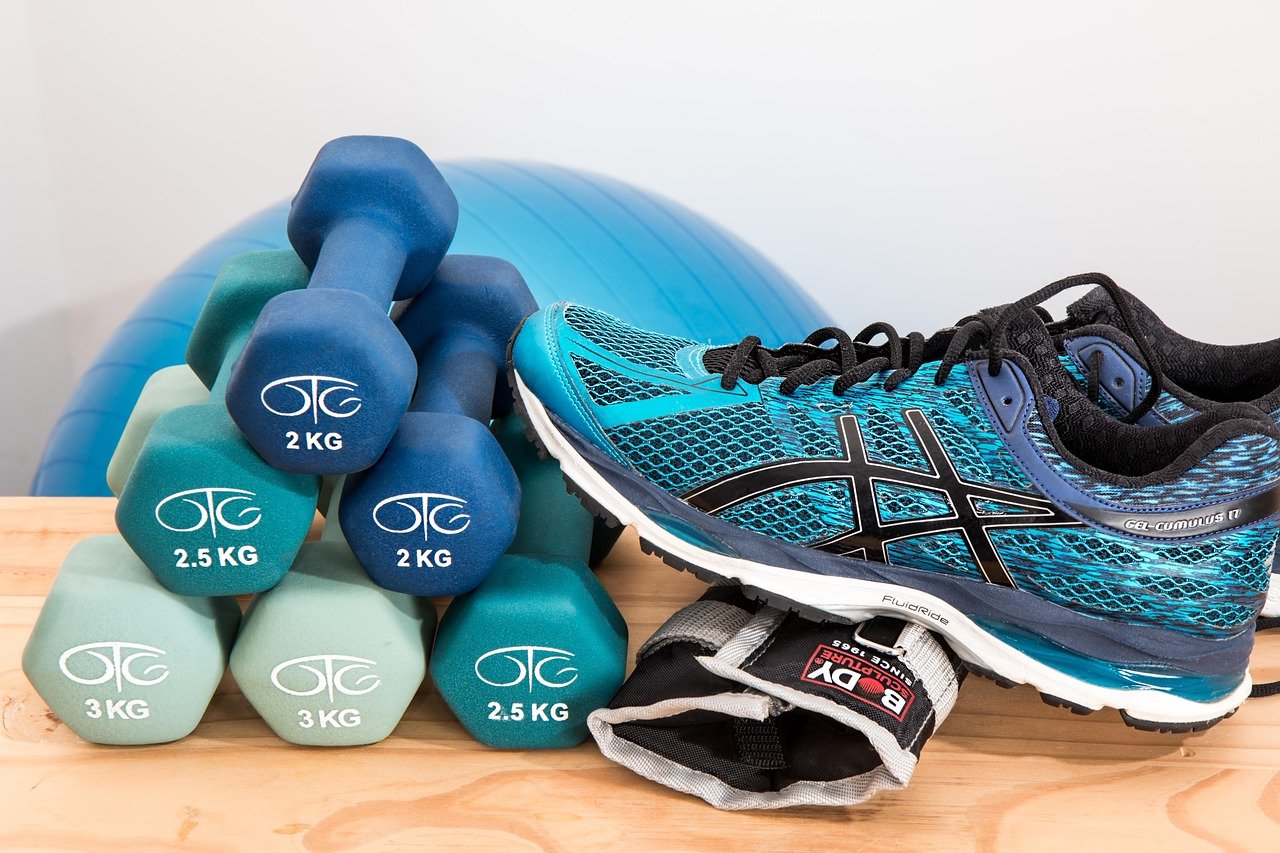
Ready to ditch the generic workout routines and finally achieve your fitness goals? A custom fitness plan is the key to unlocking your potential. Unlike one-size-fits-all programs, a personalized approach considers your unique needs, abilities, and aspirations, leading to better results and a more enjoyable fitness journey. This guide will walk you through everything you need to know about creating or finding the perfect custom fitness plan.
The Power of Personalization: Why Choose a Custom Fitness Plan?
Addressing Your Unique Needs
A generic fitness plan often fails because it doesn’t consider individual differences. A custom plan, however, takes into account crucial factors such as:
- Current Fitness Level: Are you a complete beginner, an intermediate exerciser, or an advanced athlete? A custom plan will meet you where you are and gradually progress.
- Specific Goals: Are you aiming for weight loss, muscle gain, improved endurance, or overall well-being? A personalized plan aligns exercises and intensity with your specific objectives. For example, someone aiming for muscle gain will require a plan heavily focused on weightlifting and progressive overload.
- Health Conditions and Limitations: Do you have any injuries, chronic conditions, or physical limitations? A custom plan will modify exercises to avoid aggravating these issues. Consulting with a physical therapist or doctor is highly recommended before starting any new fitness regime, especially if you have pre-existing conditions.
- Lifestyle and Preferences: A successful fitness plan fits seamlessly into your lifestyle. Are you a morning person or an evening exerciser? Do you prefer working out at home, in a gym, or outdoors? The plan should accommodate your schedule and preferences to enhance adherence.
Increased Motivation and Adherence
Generic plans often lead to boredom and burnout, while a custom plan keeps you engaged and motivated.
- Enjoyable Activities: Custom plans incorporate activities you genuinely enjoy, making exercise feel less like a chore and more like a fun activity.
- Achievable Goals: Realistic and attainable goals keep you motivated and provide a sense of accomplishment, fostering a positive feedback loop.
- Flexibility and Adaptability: A custom plan can be adjusted as your fitness level improves or your needs change, preventing plateaus and maintaining long-term progress. For instance, if you hit a plateau in your weight loss, the plan can be adjusted to increase intensity or modify your diet.
Building Your Own Custom Fitness Plan
Step 1: Define Your Fitness Goals
Before diving into exercises, clearly define what you want to achieve.
- Be Specific: Instead of “lose weight,” aim for “lose 10 pounds in 8 weeks.” Instead of “get stronger”, aim for “Increase bench press by 20 pounds in 12 weeks”.
- Set Realistic Timelines: Be honest with yourself about how much time you can commit and set achievable deadlines.
- Prioritize Goals: If you have multiple goals, prioritize them based on importance and feasibility.
Step 2: Assess Your Current Fitness Level
Honest self-assessment is crucial for designing an effective plan.
- Basic Assessments: Measure your weight, body fat percentage (if possible), resting heart rate, and blood pressure.
- Strength Tests: Assess your strength using exercises like push-ups, squats, and planks. Count how many repetitions you can perform with good form.
- Cardiovascular Tests: Evaluate your cardiovascular fitness with activities like running, swimming, or cycling. Note how long you can sustain these activities at a moderate intensity.
Step 3: Design Your Workout Routine
This is where you select exercises and structure your workouts.
- Exercise Selection: Choose exercises that target different muscle groups and align with your goals. Include compound exercises (like squats, deadlifts, bench press) for overall strength and calorie burning, and isolation exercises (like bicep curls, triceps extensions) for targeted muscle development.
- Workout Frequency: Determine how many days per week you can realistically commit to exercising. Start with 3-4 days per week and gradually increase as you get fitter.
- Set and Rep Range: Decide on the number of sets and repetitions for each exercise. Generally, 3-4 sets of 8-12 repetitions are effective for muscle growth, while 2-3 sets of 15-20 repetitions are suitable for endurance. For strength, you might consider 3-5 sets of 3-5 repetitions with heavier weight.
- Rest Intervals: Allow appropriate rest between sets. Rest for 60-90 seconds between sets for strength training and shorter intervals (30-60 seconds) for endurance work.
Step 4: Incorporate Cardiovascular Exercise
Cardio is essential for overall health and weight management.
- Choose Your Activities: Select cardio activities you enjoy, such as running, cycling, swimming, dancing, or brisk walking.
- Frequency and Duration: Aim for at least 150 minutes of moderate-intensity or 75 minutes of vigorous-intensity cardio per week.
- Vary Your Intensity: Include both steady-state cardio (maintaining a consistent pace) and interval training (alternating between high-intensity bursts and recovery periods).
Step 5: Prioritize Recovery and Rest
Rest and recovery are just as important as exercise.
- Adequate Sleep: Aim for 7-9 hours of quality sleep per night.
- Active Recovery: Incorporate light activities like walking or stretching on your rest days to promote blood flow and reduce muscle soreness.
- Nutrition: Fuel your body with a balanced diet rich in protein, carbohydrates, and healthy fats. Consume enough calories to support your activity level and goals.
Example Workout Plan
Here’s a sample 3-day workout plan for someone aiming to build muscle:
- Day 1: Upper Body
Bench Press: 3 sets of 8-12 reps
Dumbbell Rows: 3 sets of 8-12 reps
Overhead Press: 3 sets of 8-12 reps
Bicep Curls: 3 sets of 10-15 reps
Triceps Extensions: 3 sets of 10-15 reps
- Day 2: Lower Body
Squats: 3 sets of 8-12 reps
Deadlifts: 1 set of 5 reps, 1 set of 3 reps, 1 set of 1 rep (focusing on increasing weight each set)
Leg Press: 3 sets of 10-15 reps
Hamstring Curls: 3 sets of 10-15 reps
Calf Raises: 3 sets of 15-20 reps
- Day 3: Full Body Circuit
Burpees: 3 sets of 10 reps
Mountain Climbers: 3 sets of 20 reps
Plank: 3 sets, holding for 30-60 seconds each
Jumping Jacks: 3 sets of 20 reps
* Push-ups: 3 sets to failure
Seeking Professional Help: When to Hire a Personal Trainer
Benefits of Working with a Trainer
While creating your own custom plan is possible, a personal trainer offers numerous advantages.
- Expert Guidance: Trainers have extensive knowledge of exercise science and can design a safe and effective program tailored to your needs.
- Proper Form and Technique: Trainers can teach you the correct form and technique for each exercise, reducing the risk of injury.
- Accountability and Motivation: Trainers provide ongoing support, encouragement, and accountability to keep you on track.
- Personalized Feedback: Trainers can monitor your progress and make adjustments to your plan as needed, optimizing your results.
Finding the Right Trainer
Choosing the right personal trainer is crucial for a positive experience.
- Qualifications and Certifications: Look for trainers with reputable certifications (e.g., NASM, ACE, ISSA) and relevant experience.
- Specializations: Consider trainers with specializations that align with your goals, such as weight loss, muscle gain, or sports performance.
- Personality and Communication Style: Choose a trainer whose personality and communication style mesh well with your own.
- Client Testimonials: Read reviews and testimonials from previous clients to get a sense of the trainer’s effectiveness and professionalism.
- Initial Consultation: Schedule a consultation with potential trainers to discuss your goals, assess your fitness level, and ask questions.
Tracking Progress and Making Adjustments
Monitoring Your Results
Regularly tracking your progress is essential for staying motivated and ensuring your plan is effective.
- Weight and Body Measurements: Track your weight, body fat percentage, and circumference measurements (e.g., waist, hips, chest).
- Strength Gains: Monitor your strength improvements by tracking the weight you can lift and the number of repetitions you can perform.
- Cardiovascular Fitness: Track your cardiovascular fitness by monitoring your heart rate during exercise and your endurance capacity.
- Photos: Take progress photos to visually track your changes over time.
Adjusting Your Plan
As your fitness level improves, your plan needs to be adjusted to continue challenging you.
- Increase Intensity: Gradually increase the weight you lift, the duration of your cardio sessions, or the number of repetitions you perform.
- Vary Exercises: Introduce new exercises to target different muscle groups and prevent plateaus.
- Modify Your Diet: Adjust your calorie intake and macronutrient ratios to support your changing fitness goals.
- Listen to Your Body: Pay attention to your body and adjust your plan as needed to prevent overtraining and injuries.
Conclusion
Creating a custom fitness plan is a powerful way to achieve your fitness goals efficiently and effectively. By considering your unique needs, abilities, and preferences, you can design a program that you enjoy and can stick with long-term. Whether you choose to build your own plan or work with a personal trainer, the key is to stay consistent, track your progress, and make adjustments as needed. Embrace the journey, and you’ll be well on your way to achieving your fitness aspirations.