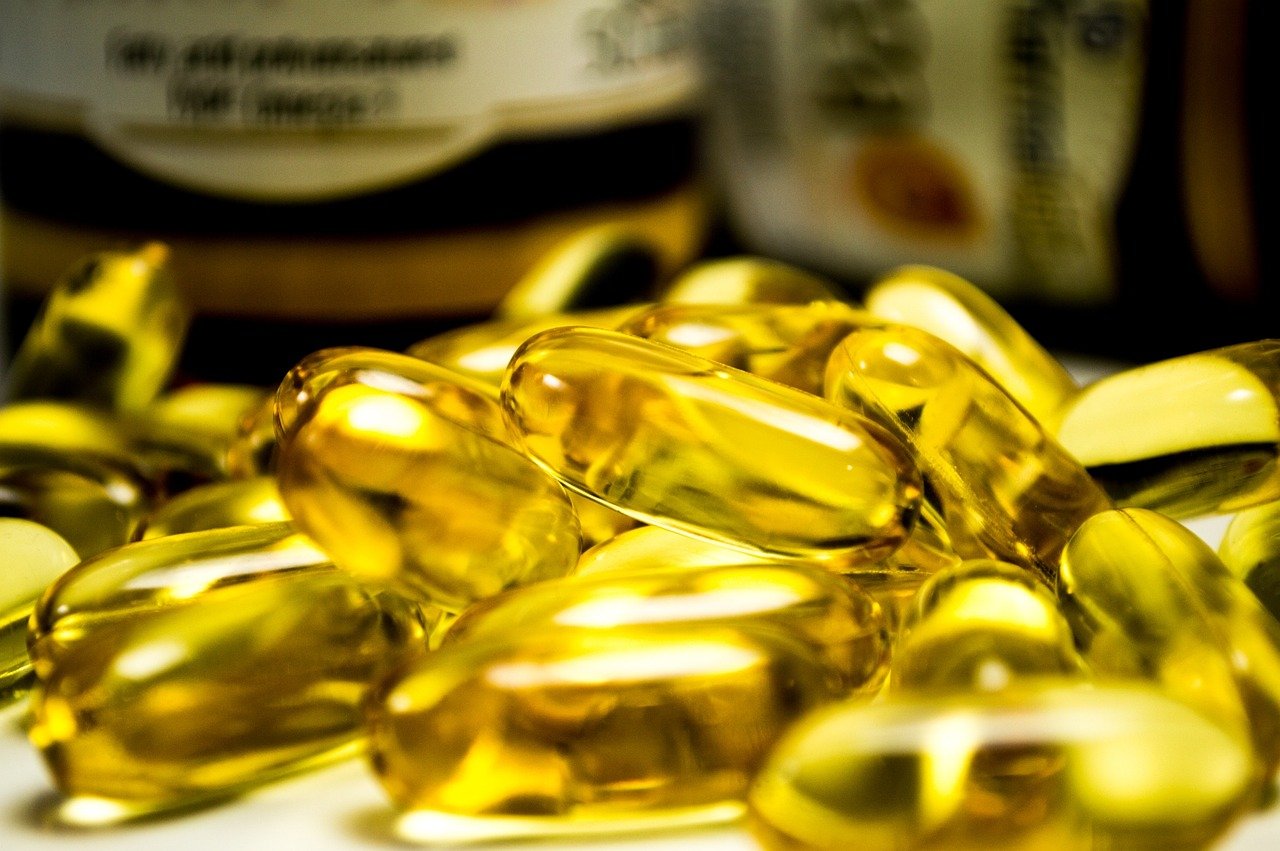
Are you looking to boost your health and protect your body from the ravages of aging and disease? Antioxidant supplements have gained significant attention for their potential to neutralize harmful free radicals and support overall well-being. But with a vast array of options available, navigating the world of antioxidant supplements can feel overwhelming. This comprehensive guide delves into the science behind antioxidants, explores the various types of supplements, discusses their benefits and risks, and provides actionable advice on how to incorporate them into your daily routine safely and effectively.
Understanding Antioxidants and Free Radicals
What are Antioxidants?
Antioxidants are molecules that fight free radicals in your body. Free radicals are unstable atoms that can damage cells, causing illness and aging. Antioxidants neutralize these free radicals, preventing them from causing harm. They work by donating an electron to the free radical, stabilizing it and rendering it harmless.
- Examples of antioxidants: Vitamin C, Vitamin E, Selenium, Beta-carotene, Lycopene, Lutein, and many more.
What are Free Radicals and Oxidative Stress?
Free radicals are a byproduct of normal metabolic processes in the body, such as energy production. They can also form due to external factors like pollution, smoking, radiation, and processed foods. When the balance between free radical production and antioxidant defense is disrupted, oxidative stress occurs.
- Sources of free radicals:
Pollution
Smoking
Processed foods
Radiation
Intense exercise
- Effects of oxidative stress:
Accelerated aging
Increased risk of chronic diseases (heart disease, cancer, Alzheimer’s)
Inflammation
Weakened immune system
The Role of Antioxidants in Reducing Oxidative Stress
Antioxidants act as scavengers, neutralizing free radicals and preventing them from damaging cellular components like DNA, proteins, and lipids. By reducing oxidative stress, antioxidants can help protect against chronic diseases and promote overall health. Think of antioxidants as the body’s defense team, constantly working to keep the harmful effects of free radicals at bay.
Types of Antioxidant Supplements
Vitamins
Vitamins are essential nutrients that often possess antioxidant properties. Some of the most popular vitamin-based antioxidant supplements include:
- Vitamin C (Ascorbic Acid): A water-soluble vitamin vital for immune function, collagen synthesis, and wound healing. It’s a powerful antioxidant that can protect against infections and boost immunity. A daily dose of 500-1000mg is often recommended for immune support.
- Vitamin E (Alpha-Tocopherol): A fat-soluble vitamin that protects cell membranes from oxidative damage. It is often included in skin care products due to its protective qualities. Look for a natural form, d-alpha-tocopherol.
- Beta-Carotene: A precursor to Vitamin A, found in orange and yellow fruits and vegetables, that acts as an antioxidant. It’s converted into Vitamin A in the body, which is important for vision and immune function. It’s best obtained from whole foods, but can be supplemented.
Minerals
Certain minerals also function as antioxidants or support the activity of antioxidant enzymes:
- Selenium: A trace mineral that is a crucial component of glutathione peroxidase, a powerful antioxidant enzyme. It supports thyroid health and immune function. A daily dose of 55mcg is typically recommended.
- Zinc: Essential for immune function, wound healing, and cell growth. It also acts as an antioxidant and supports the function of antioxidant enzymes. Zinc also plays a role in protecting against age-related macular degeneration.
Plant-Based Antioxidants (Phytonutrients)
These are naturally occurring compounds found in fruits, vegetables, and other plant-based foods. They are often responsible for the vibrant colors of these foods.
- Resveratrol: Found in grapes, red wine, and berries, known for its potential anti-aging and cardiovascular benefits. Studies suggest it may activate genes associated with longevity.
- Lycopene: Found in tomatoes and other red fruits, associated with a reduced risk of prostate cancer. Consuming cooked tomatoes increases lycopene bioavailability.
- Lutein and Zeaxanthin: Found in leafy green vegetables and yellow/orange fruits and vegetables, important for eye health. These protect the eyes from damage caused by blue light.
- Flavonoids: A large group of plant pigments found in fruits, vegetables, tea, and chocolate, with various antioxidant and anti-inflammatory properties. Examples include quercetin, anthocyanins, and catechins.
Benefits of Antioxidant Supplements
Supporting Immune Function
Antioxidants, particularly Vitamin C, Vitamin E, and Zinc, play a crucial role in supporting a healthy immune system. They help protect immune cells from oxidative damage and enhance their ability to fight off infections. For example, taking vitamin C during a cold can shorten its duration and lessen its symptoms.
- How they help:
Protect immune cells from damage
Enhance immune cell function
Reduce inflammation
Promoting Cardiovascular Health
Oxidative stress contributes to the development of heart disease. Antioxidants, such as Vitamin E, Resveratrol, and CoQ10, can help protect against the oxidation of LDL cholesterol (the “bad” cholesterol), a key step in the formation of plaque in arteries.
- Examples:
Vitamin E helps prevent LDL cholesterol oxidation.
Resveratrol supports healthy blood vessel function.
Protecting Against Neurodegenerative Diseases
Oxidative stress is implicated in the development of neurodegenerative diseases like Alzheimer’s and Parkinson’s. Antioxidants can help protect brain cells from damage and potentially slow the progression of these diseases. Studies suggest that diets rich in antioxidants are associated with a lower risk of cognitive decline.
- Examples:
Curcumin, found in turmeric, has shown promise in protecting against brain damage.
Vitamin E may help slow the progression of Alzheimer’s disease.
Enhancing Skin Health
Antioxidants protect the skin from damage caused by UV radiation and pollution. They help prevent premature aging, reduce inflammation, and promote collagen production, leading to healthier, more youthful-looking skin. Many skincare products contain antioxidants like Vitamin C, Vitamin E, and CoQ10.
- Examples:
Vitamin C brightens the skin and promotes collagen production.
Vitamin E protects against UV damage.
Risks and Considerations
Potential Side Effects
While generally safe, high doses of certain antioxidant supplements can cause side effects. It’s important to adhere to recommended dosages and consult with a healthcare professional, especially if you have pre-existing health conditions or are taking medications. For example, high doses of Vitamin C can cause digestive upset, and high doses of Vitamin E can increase the risk of bleeding.
- Examples:
High-dose Vitamin C: Diarrhea, nausea
High-dose Vitamin E: Increased bleeding risk
Beta-carotene supplements: Increased risk of lung cancer in smokers (studies are mixed)
Interactions with Medications
Antioxidant supplements can interact with certain medications, potentially altering their effectiveness or increasing the risk of side effects. It’s crucial to inform your doctor about all the supplements you are taking, especially if you are on blood thinners, chemotherapy, or radiation therapy.
- Examples:
Vitamin E can enhance the effects of blood thinners like Warfarin.
Antioxidant supplements may interfere with chemotherapy or radiation therapy.
Importance of Balanced Intake
While antioxidant supplements can be beneficial, they should not replace a healthy diet rich in fruits, vegetables, and whole grains. Getting antioxidants from food provides a broader range of nutrients and fiber, which are essential for overall health. Focus on incorporating a variety of colorful fruits and vegetables into your diet to maximize your antioxidant intake.
- Tips for a balanced intake:
Eat a rainbow of fruits and vegetables daily.
Choose whole grains over processed foods.
Limit processed foods and sugary drinks.
How to Choose and Use Antioxidant Supplements
Consulting with a Healthcare Professional
Before starting any new supplement regimen, it’s essential to consult with a healthcare professional, such as a doctor or registered dietitian. They can assess your individual needs, review your medical history, and provide personalized recommendations based on your specific health goals and any potential risks.
Reading Labels and Understanding Dosages
Pay close attention to supplement labels and choose products from reputable manufacturers that have undergone third-party testing for quality and purity. Understand the recommended dosage for each antioxidant and avoid exceeding the suggested amounts. Look for certifications like USP, NSF, or ConsumerLab.com to ensure the product meets quality standards.
Incorporating Supplements into Your Daily Routine
Consistency is key when it comes to antioxidant supplements. Establish a daily routine for taking your supplements at the same time each day. Some antioxidants, like Vitamin C, are best taken on an empty stomach, while others, like Vitamin E, are better absorbed with a meal containing fat. Pair your supplement intake with a healthy diet and lifestyle for optimal results.
- Tips for incorporating supplements:
Set a daily reminder on your phone.
Store supplements in a visible location.
* Take supplements with meals if recommended.
Conclusion
Antioxidant supplements can be a valuable tool for supporting overall health and protecting against the harmful effects of free radicals. However, it’s crucial to approach supplementation with caution, understanding the potential benefits, risks, and interactions with medications. By consulting with a healthcare professional, choosing high-quality products, and incorporating supplements into a balanced lifestyle, you can harness the power of antioxidants to enhance your well-being and promote a healthier, more vibrant life. Remember, antioxidant supplements are just one piece of the puzzle, and a healthy diet and lifestyle are essential for achieving optimal health.