A nutrient-dense diet isn’t just another fleeting trend; it’s a sustainable and powerful approach to nourishing your body at a cellular level. It’s about prioritizing foods packed with vitamins, minerals, antioxidants, and other beneficial compounds, maximizing the nutritional bang for your caloric buck. Forget empty calories and processed foods – we’re diving into a world where every bite contributes to optimal health and well-being. Get ready to unlock the potential of a nutrient-dense lifestyle!
What is a Nutrient-Dense Diet?
A nutrient-dense diet focuses on consuming foods high in nutrients relative to their calorie content. These foods offer a wide range of vitamins, minerals, antioxidants, and other beneficial compounds, providing essential building blocks for optimal health. Unlike calorie-dense, nutrient-poor foods (think processed snacks and sugary drinks), nutrient-dense options fuel your body efficiently and effectively.
Key Principles of Nutrient Density
- Prioritize whole, unprocessed foods: Fruits, vegetables, lean proteins, whole grains, and healthy fats form the foundation of this diet.
- Minimize processed foods: Limit your intake of sugary drinks, refined grains, processed meats, and unhealthy fats.
- Focus on variety: Include a wide range of colorful fruits and vegetables to ensure you’re getting a diverse spectrum of nutrients.
- Read nutrition labels: Pay attention to the nutrient content (vitamins, minerals, fiber) per serving and compare different food options.
- Understand serving sizes: Eating a nutrient-dense food in excess can still lead to overconsumption of calories.
Examples of Nutrient-Dense Foods
- Leafy Greens: Spinach, kale, and collard greens are packed with vitamins A, C, and K, as well as folate and fiber. One cup of cooked spinach contains over 1000% of the recommended daily intake of Vitamin K!
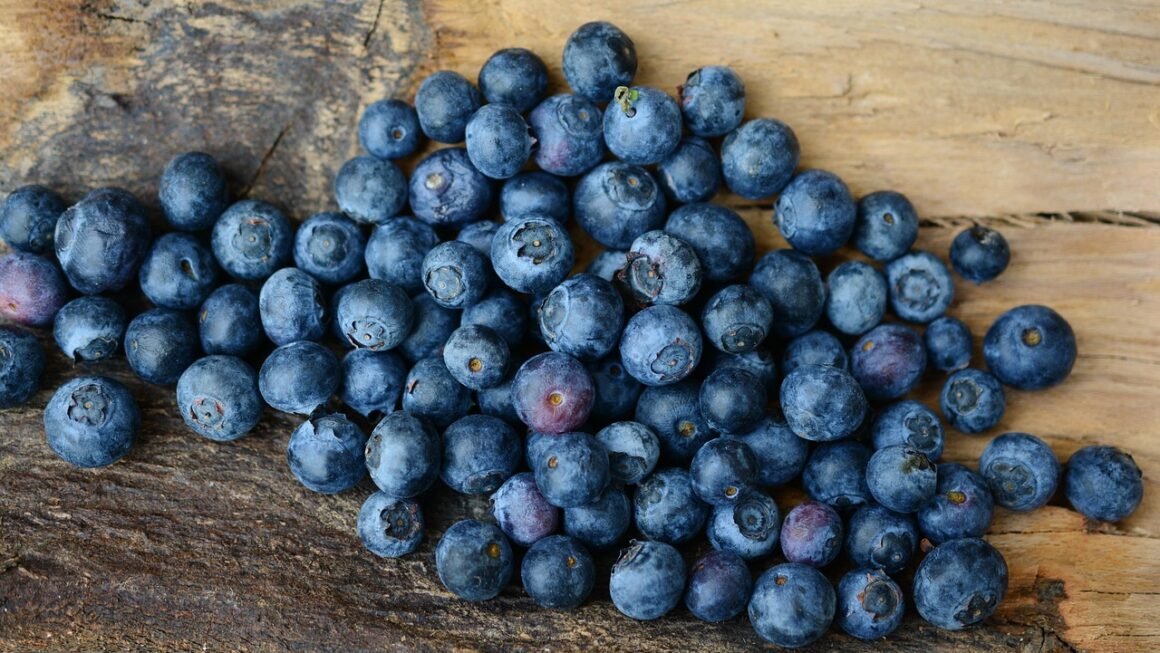
- Berries: Blueberries, strawberries, and raspberries are rich in antioxidants, fiber, and vitamins.
- Salmon: A great source of omega-3 fatty acids, protein, and vitamin D. Studies have shown omega-3s can reduce inflammation.
- Eggs: Contain high-quality protein, choline, and essential vitamins and minerals.
- Legumes: Lentils, beans, and chickpeas are excellent sources of protein, fiber, and iron.
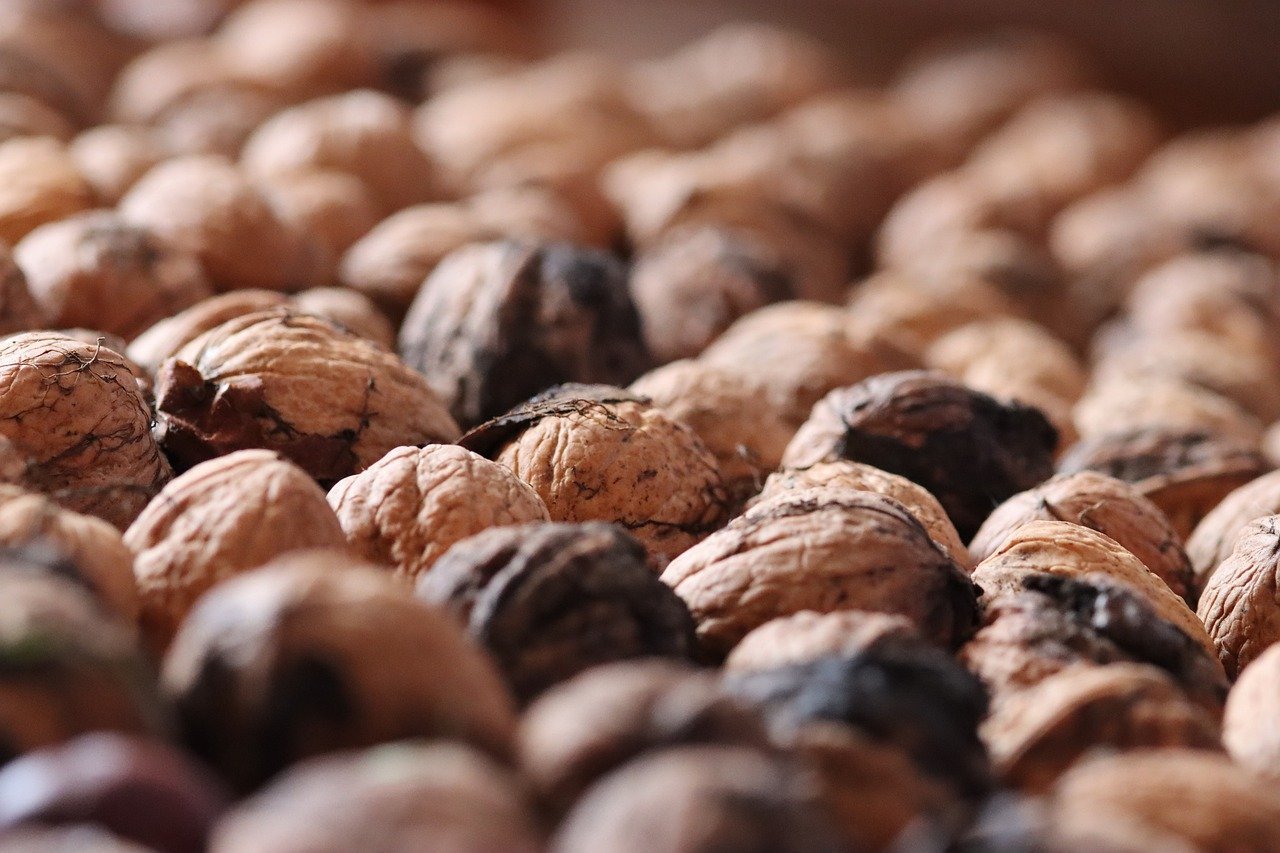
- Nuts and Seeds: Almonds, walnuts, chia seeds, and flaxseeds provide healthy fats, protein, and fiber.
Benefits of Eating Nutrient-Rich Foods
Adopting a nutrient-dense diet offers a plethora of health benefits, contributing to overall well-being and disease prevention.
Improved Energy Levels
- Nutrient-dense foods provide sustained energy release, preventing energy crashes and promoting consistent energy levels throughout the day.
- They support optimal cellular function, ensuring your body has the fuel it needs to thrive.
- Example: Replacing a sugary afternoon snack with a handful of almonds and an apple will provide lasting energy without the subsequent sugar crash.
Enhanced Immune Function
- Vitamins and minerals like vitamin C, vitamin D, and zinc, abundant in nutrient-dense foods, are crucial for a strong immune system.
- Antioxidants help protect your cells from damage caused by free radicals, supporting immune cell function.
- Example: Incorporating citrus fruits, bell peppers, and broccoli into your diet can boost your vitamin C intake and enhance your body’s defense against infections.
Weight Management
- Nutrient-dense foods are often lower in calories and higher in fiber, promoting satiety and reducing overall calorie intake.
- They help regulate blood sugar levels, preventing cravings and promoting stable energy levels.
- Example: Choosing a salad with grilled chicken or fish over a fast-food burger provides more nutrients and fewer calories, aiding in weight management.
Reduced Risk of Chronic Diseases
- A nutrient-dense diet is associated with a lower risk of heart disease, type 2 diabetes, and certain types of cancer.
- Antioxidants and other beneficial compounds protect against cellular damage and inflammation, reducing the risk of chronic conditions.
- Example: Regularly consuming fruits, vegetables, and whole grains can help lower cholesterol levels, blood pressure, and blood sugar, reducing the risk of cardiovascular disease and diabetes. Studies support the link between plant-based diets rich in nutrients and decreased risk of chronic diseases.
Better Cognitive Function
- Specific nutrients, like omega-3 fatty acids, B vitamins, and antioxidants, are crucial for brain health and cognitive function.
- A nutrient-dense diet supports optimal brain function, improving memory, focus, and overall cognitive performance.
- Example: Incorporating fatty fish, nuts, and seeds into your diet can boost your intake of omega-3 fatty acids, supporting brain health and cognitive function.
How to Incorporate More Nutrient-Dense Foods Into Your Diet
Making the shift towards a nutrient-dense diet can be a gradual process. Start by making small, sustainable changes and gradually incorporating more nutrient-rich foods into your meals and snacks.
Start with Small Changes
- Swap processed snacks for whole foods: Replace chips and cookies with fruits, vegetables, or nuts.
- Add vegetables to every meal: Include a side salad, steamed vegetables, or a handful of spinach to your meals.
- Choose whole grains over refined grains: Opt for brown rice, quinoa, or whole-wheat bread instead of white rice and white bread.
- Hydrate with water instead of sugary drinks: Drink plenty of water throughout the day and limit your intake of sugary sodas and juices.
- Example: Instead of grabbing a candy bar for an afternoon pick-me-up, choose an apple with peanut butter or a handful of trail mix.
Plan Your Meals
- Create a weekly meal plan: This helps ensure you have healthy, nutrient-dense options readily available.
- Prep ingredients in advance: Chop vegetables, cook grains, and portion out snacks ahead of time to save time during the week.
- Shop strategically: Focus on buying whole, unprocessed foods and avoid impulse purchases of processed snacks.
- Example: On Sunday, spend an hour chopping vegetables for salads, cooking a batch of quinoa, and portioning out nuts and seeds into snack bags.
Read Food Labels Carefully
- Pay attention to serving sizes: Ensure you’re comparing the nutrient content per serving size to make informed choices.
- Look for high levels of vitamins, minerals, and fiber: Choose foods with a high percentage of the daily value for these nutrients.
- Limit added sugars, sodium, and unhealthy fats: Avoid foods with excessive amounts of these ingredients.
- Example: When choosing breakfast cereal, compare the nutrition labels of different options and select the one with the highest fiber content and lowest added sugar.
Cook at Home More Often
- Home-cooked meals are typically healthier: You have more control over the ingredients and portion sizes.
- Experiment with new recipes: Explore different ways to prepare nutrient-dense foods and find new favorites.
- Batch cooking is a great time-saver: Prepare large quantities of meals and freeze them for later use.
- Example: Instead of ordering takeout, try making a homemade stir-fry with plenty of vegetables, lean protein, and brown rice.
Common Myths About Nutrient-Dense Diets
Despite its proven benefits, the concept of a nutrient-dense diet is often misunderstood. Let’s debunk some common myths.
Myth: Nutrient-Dense Diets are Expensive
- Truth: While some nutrient-dense foods, like organic produce and grass-fed meat, can be more expensive, many affordable options are available.
- Practical Tip: Prioritize seasonal produce, buy in bulk, and opt for less expensive protein sources like legumes and eggs. Frozen fruits and vegetables are also an economical and nutritious option.
Myth: Nutrient-Dense Diets are Restrictive
- Truth: A nutrient-dense diet isn’t about deprivation; it’s about prioritizing foods that nourish your body.
- Practical Tip: Focus on adding more nutrient-rich foods to your diet rather than completely eliminating less healthy options. Gradual changes are more sustainable in the long run. The 80/20 rule (80% nutrient-dense foods, 20% treats) can be helpful.
Myth: You Have to Be a Vegetarian or Vegan to Eat a Nutrient-Dense Diet
- Truth: A nutrient-dense diet can include animal products as long as they are lean and consumed in moderation.
- Practical Tip: Choose lean protein sources like chicken, fish, and lean cuts of beef. Focus on incorporating plenty of fruits, vegetables, and whole grains alongside your protein choices.
Myth: Nutrient-Dense Diets are Time-Consuming
- Truth: While preparing whole foods can take more time than processed foods, there are many ways to make it more manageable.
- Practical Tip: Utilize time-saving techniques like meal prepping, batch cooking, and using pre-cut vegetables. Slow cookers and Instant Pots can also be valuable tools.
Conclusion
Embracing a nutrient-dense diet is an investment in your long-term health and well-being. By prioritizing whole, unprocessed foods packed with vitamins, minerals, and antioxidants, you can fuel your body efficiently, enhance your immune function, manage your weight, and reduce your risk of chronic diseases. Start with small, sustainable changes, focus on adding more nutrient-rich foods to your diet, and enjoy the numerous benefits that come with nourishing your body from the inside out. Make conscious choices about what you eat, and you’ll experience a noticeable difference in your energy levels, overall health, and quality of life.