Inflammation, often unseen and unfelt, can be a root cause of many chronic diseases plaguing modern society. From arthritis and heart disease to diabetes and even some cancers, inflammation plays a significant role. But what if you could fight back, not with harsh medications and side effects, but with the very food you eat? An anti-inflammatory diet offers a powerful, natural approach to managing inflammation and improving overall health. This article dives deep into the principles, benefits, and practical applications of adopting an anti-inflammatory lifestyle.
Understanding Inflammation
What is Inflammation?
Inflammation is a complex biological response of the body to harmful stimuli, such as pathogens, damaged cells, or irritants. It’s a critical part of the healing process. However, when inflammation becomes chronic, lingering for weeks, months, or even years, it can damage tissues and organs, leading to various health problems. Distinguishing between acute and chronic inflammation is key to understanding the benefits of an anti-inflammatory diet.
Causes of Chronic Inflammation
Several factors can contribute to chronic inflammation. Identifying and addressing these factors is crucial for managing inflammation effectively. Some common causes include:
- Poor diet: High intake of processed foods, sugar, and unhealthy fats.
- Chronic stress: Prolonged stress can disrupt hormonal balance and trigger inflammatory responses.
- Lack of exercise: Sedentary lifestyles contribute to inflammation.
- Environmental toxins: Exposure to pollutants, pesticides, and other toxins.
- Underlying infections: Persistent infections can keep the immune system in a state of activation.
- Autoimmune disorders: Conditions where the immune system attacks healthy tissues.
The Anti-Inflammatory Diet: Principles and Pillars
Core Principles
An anti-inflammatory diet is not just a trend; it’s a sustainable lifestyle approach that focuses on consuming whole, unprocessed foods rich in nutrients that help reduce inflammation. The main principles are:
- Prioritize whole, unprocessed foods: Emphasize fruits, vegetables, whole grains, and lean proteins.
- Limit processed foods, sugar, and refined carbohydrates: These can trigger inflammatory responses.
- Incorporate healthy fats: Omega-3 fatty acids, found in fish, flaxseeds, and walnuts, are potent anti-inflammatories.
- Focus on fiber: Dietary fiber promotes gut health and helps regulate inflammation.
- Stay hydrated: Water is essential for all bodily functions, including reducing inflammation.
Key Anti-Inflammatory Foods
Certain foods are particularly effective at combating inflammation. Incorporating these into your diet can yield significant benefits:
- Fatty Fish: Salmon, mackerel, tuna, and sardines are rich in omega-3 fatty acids. Aim for at least two servings per week.
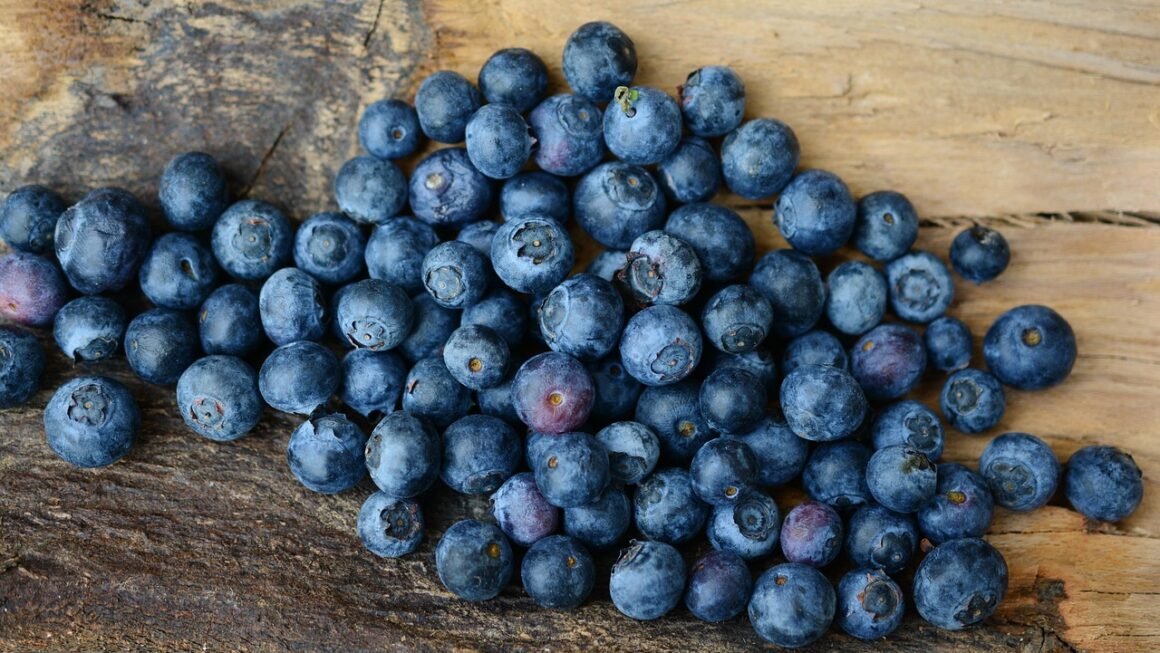
- Berries: Blueberries, strawberries, raspberries, and blackberries are packed with antioxidants and phytonutrients that reduce inflammation.
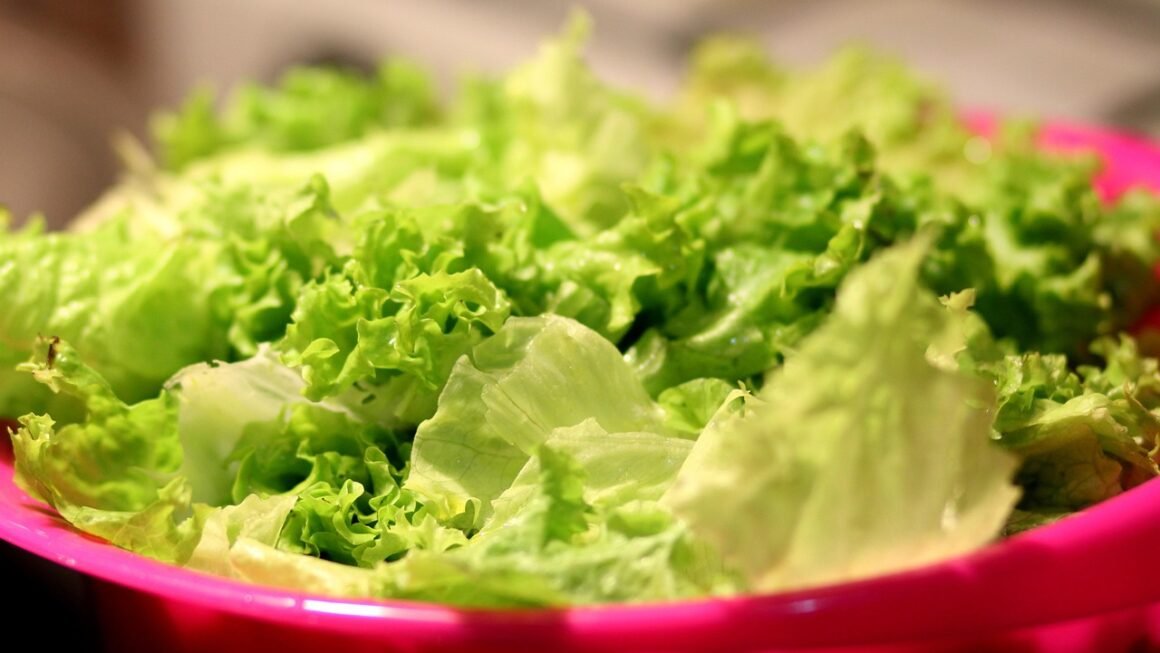
- Leafy Greens: Spinach, kale, collard greens, and other leafy greens are excellent sources of vitamins, minerals, and antioxidants.
- Nuts and Seeds: Almonds, walnuts, flaxseeds, and chia seeds provide healthy fats, fiber, and antioxidants.
- Olive Oil: Extra virgin olive oil contains oleocanthal, which has anti-inflammatory properties similar to ibuprofen.
- Tomatoes: A great source of lycopene, an antioxidant with proven anti-inflammatory benefits. Cooked tomatoes may be even more beneficial.
- Spices: Turmeric (especially with black pepper for enhanced absorption), ginger, garlic, and cinnamon are potent anti-inflammatory spices.
Foods to Avoid
Just as important as what you eat is what you don’t eat. Certain foods are known to promote inflammation and should be limited or avoided:
- Processed Foods: Packaged snacks, fast food, and processed meats often contain unhealthy fats, sugar, and artificial additives.
- Refined Carbohydrates: White bread, pasta, pastries, and sugary cereals can spike blood sugar levels and promote inflammation.
- Sugary Drinks: Soda, juice, and sweetened beverages are high in sugar and can contribute to chronic inflammation.
- Excessive Alcohol: High alcohol consumption can damage the liver and promote inflammation throughout the body.
- Trans Fats: Found in some processed foods and fried foods, trans fats are strongly linked to inflammation.
Benefits of an Anti-Inflammatory Diet
Reduced Risk of Chronic Diseases
Numerous studies have shown that an anti-inflammatory diet can significantly reduce the risk of chronic diseases:
- Heart Disease: Reducing inflammation helps prevent plaque buildup in arteries, lowering the risk of heart attacks and strokes.
- Arthritis: An anti-inflammatory diet can help manage pain, stiffness, and inflammation associated with arthritis.
- Diabetes: By improving insulin sensitivity and reducing inflammation, the diet helps manage blood sugar levels.
- Cancer: Some studies suggest that an anti-inflammatory diet may reduce the risk of certain cancers by suppressing tumor growth and preventing cellular damage.
Improved Gut Health
A healthy gut is crucial for overall health. An anti-inflammatory diet supports a healthy gut microbiome, which plays a key role in regulating inflammation:
- Increased beneficial bacteria: Fiber-rich foods promote the growth of beneficial bacteria in the gut.
- Reduced gut permeability: An anti-inflammatory diet helps strengthen the gut lining and prevent toxins from entering the bloodstream.
- Improved digestion: Reduced inflammation improves nutrient absorption and alleviates digestive issues like bloating and constipation.
Enhanced Energy Levels and Mood
Chronic inflammation can lead to fatigue and mood disorders. An anti-inflammatory diet can improve energy levels and mood by:
- Reducing fatigue: By addressing the underlying causes of inflammation, the diet can help combat chronic fatigue.
- Improving mood: Inflammation has been linked to depression and anxiety. Reducing inflammation can help stabilize mood and improve mental well-being.
- Stabilizing blood sugar levels: Avoiding refined carbohydrates and sugary foods can prevent energy crashes and mood swings.
Implementing an Anti-Inflammatory Diet
Practical Tips for Getting Started
Making significant dietary changes can seem daunting, but here are some practical tips to help you get started:
- Start small: Gradually incorporate anti-inflammatory foods into your diet instead of making drastic changes overnight.
- Plan your meals: Planning your meals in advance can help you make healthier choices and avoid unhealthy temptations.
- Read food labels: Pay attention to ingredients and nutritional information to avoid processed foods and unhealthy additives.
- Cook at home: Preparing your own meals allows you to control the ingredients and portions, ensuring you’re eating healthy, anti-inflammatory foods.
- Find healthy substitutes: Replace processed snacks with fruits, nuts, or yogurt. Swap sugary drinks for water or herbal tea.
- Focus on flavor: Utilize herbs and spices liberally to make your meals more flavorful and satisfying.
Sample Meal Plan
Here’s a sample one-day meal plan to give you an idea of what an anti-inflammatory diet might look like:
- Breakfast: Oatmeal with berries, nuts, and seeds.
- Lunch: Salad with grilled chicken or fish, mixed greens, avocado, and olive oil dressing.
- Dinner: Baked salmon with roasted vegetables (broccoli, carrots, sweet potatoes).
- Snacks: Apple slices with almond butter, a handful of walnuts, or a small bowl of Greek yogurt with berries.
Seeking Professional Guidance
Consulting with a registered dietitian or nutritionist can be beneficial, especially if you have underlying health conditions. They can help you create a personalized meal plan that meets your specific needs and goals.
Anti-Inflammatory Lifestyle: Beyond Diet
Exercise and Stress Management
While diet is a crucial component, an anti-inflammatory lifestyle extends beyond just what you eat. Regular exercise and stress management techniques are equally important.
- Regular Exercise: Aim for at least 30 minutes of moderate-intensity exercise most days of the week. Exercise helps reduce inflammation by improving circulation, promoting a healthy weight, and reducing stress.
- Stress Management: Chronic stress can exacerbate inflammation. Incorporate stress-reducing activities into your daily routine, such as yoga, meditation, deep breathing exercises, or spending time in nature.
- Sleep Hygiene: Adequate sleep is essential for regulating inflammation. Aim for 7-8 hours of quality sleep each night.
- Hydration: Drink plenty of water throughout the day to stay hydrated and support overall health. Dehydration can contribute to inflammation.
Conclusion
Adopting an anti-inflammatory diet and lifestyle is a powerful step towards improving your overall health and well-being. By focusing on whole, unprocessed foods, incorporating healthy fats and spices, and reducing your intake of inflammatory triggers, you can significantly reduce your risk of chronic diseases, improve your gut health, enhance your energy levels, and boost your mood. While it requires commitment and consistency, the long-term benefits of an anti-inflammatory approach are well worth the effort. Start small, make gradual changes, and embrace a lifestyle that supports your body’s natural ability to heal and thrive. Remember to consult with a healthcare professional for personalized guidance and support.