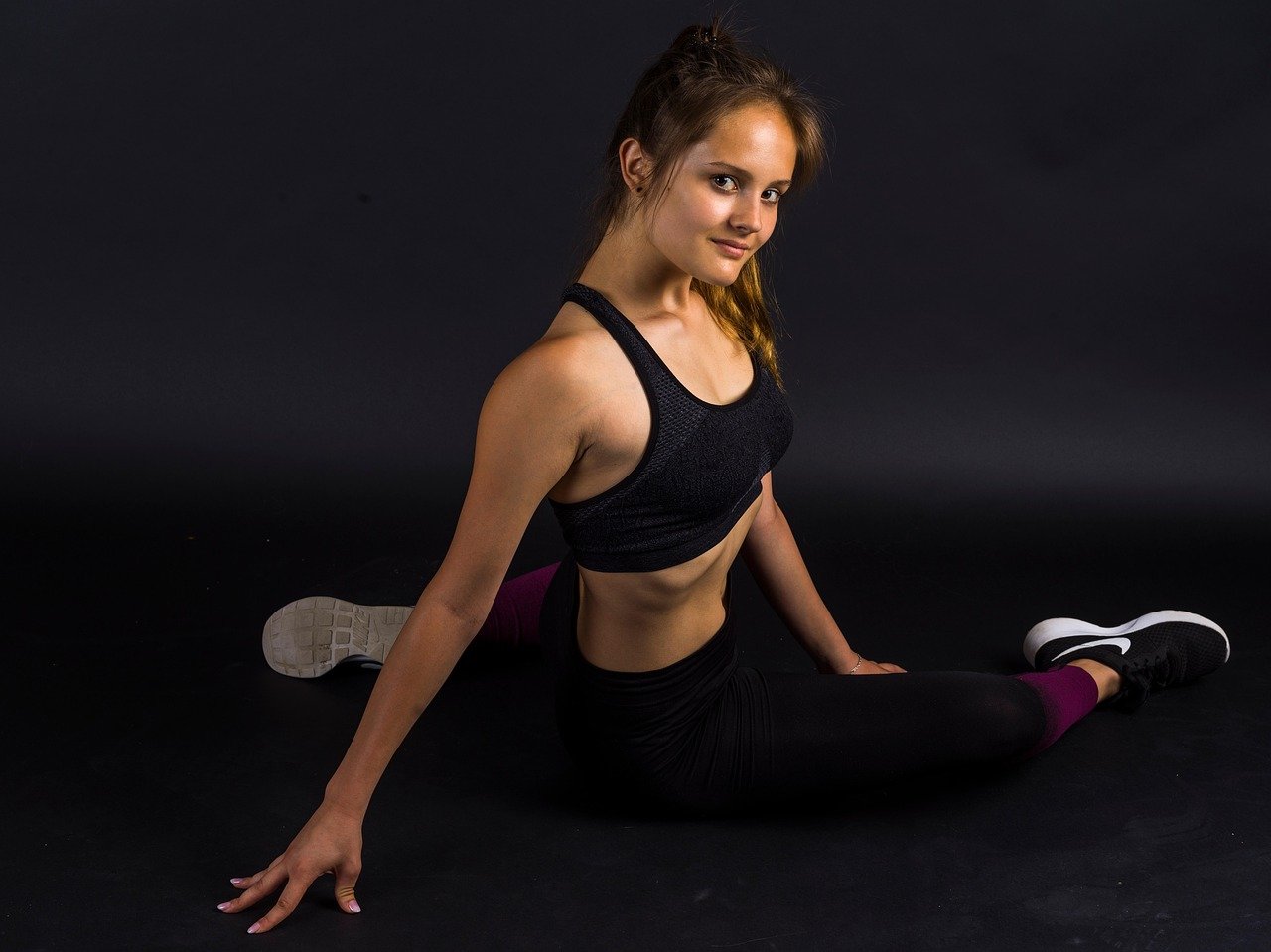
Flexibility is often an overlooked component of overall fitness, yet it’s crucial for everything from preventing injuries to improving athletic performance and simply feeling more comfortable in your own body. A well-structured flexibility training plan can drastically improve your range of motion, reduce muscle soreness, and enhance your overall well-being. Let’s delve into how to create a flexibility training plan that works for you.
Why Flexibility Training Matters
Understanding the Benefits
Flexibility training, often involving stretching and mobility exercises, offers a wealth of benefits that extend beyond simply being able to touch your toes. Integrating a consistent routine can significantly impact your physical and mental well-being.
- Improved Range of Motion: Increased joint mobility allows for a greater range of movement, making everyday tasks easier and more efficient.
- Reduced Risk of Injury: Flexible muscles are less prone to strains, sprains, and tears during physical activity. Think of it as making your body more resilient.
- Enhanced Athletic Performance: Greater flexibility can improve power, speed, and agility in various sports and activities.
- Decreased Muscle Soreness: Stretching helps to reduce muscle tension and promote blood flow, alleviating post-workout soreness. Studies have shown that regular stretching can decrease delayed onset muscle soreness (DOMS).
- Improved Posture: Flexibility training can help to correct muscle imbalances that contribute to poor posture.
- Stress Reduction: Stretching can have a calming effect on the nervous system, promoting relaxation and reducing stress.
Flexibility vs. Mobility: What’s the Difference?
While often used interchangeably, flexibility and mobility are distinct concepts.
- Flexibility: Refers to the ability of a muscle to lengthen. It’s a passive measure.
- Mobility: Refers to the ability to actively move a joint through its full range of motion. It involves not just muscle length but also joint health, muscle strength, and neuromuscular control.
Your flexibility training plan should ideally address both aspects to achieve optimal results.
Designing Your Flexibility Training Plan
Assessing Your Current Flexibility Level
Before you start any new training program, it’s essential to assess your current flexibility. This will help you identify areas where you need to focus your efforts and track your progress over time.
- The Sit-and-Reach Test: A common test to assess hamstring and lower back flexibility.
- Shoulder Flexibility Test: Assessing your ability to reach behind your back to touch your fingers together.
- Leg Raise Test: Measures hamstring flexibility while lying on your back.
Regularly reassessing your flexibility (e.g., every 4-6 weeks) will allow you to adjust your training plan as needed.
Choosing the Right Stretching Techniques
There are several different types of stretching, each with its own advantages and disadvantages. Understanding the different techniques will allow you to create a well-rounded and effective flexibility training plan.
- Static Stretching: Holding a stretch in a stationary position for 15-30 seconds. This is best performed after a workout or as part of a cool-down. Example: Holding a hamstring stretch.
- Dynamic Stretching: Involves controlled movements that gradually increase your range of motion. This is ideal as part of a warm-up before exercise. Example: Leg swings, arm circles.
- Ballistic Stretching: Uses bouncing movements to force a stretch beyond its normal range. This type of stretching is generally not recommended due to the increased risk of injury.
- Proprioceptive Neuromuscular Facilitation (PNF) Stretching: Involves contracting and relaxing the muscle being stretched. This technique is highly effective for increasing flexibility but requires a partner. Example: Contract-relax method.
- Myofascial Release: Using tools like foam rollers or massage balls to release tension in the fascia, the connective tissue that surrounds muscles.
Structuring Your Routine: Frequency, Intensity, Time, and Type (FITT)
Applying the FITT principle (Frequency, Intensity, Time, and Type) is essential for creating a structured and effective flexibility training plan.
- Frequency: Aim for at least 2-3 flexibility training sessions per week. More frequent sessions (e.g., daily) can be beneficial, especially if you have specific areas of tightness.
- Intensity: Stretch to the point of mild discomfort, but not pain. You should feel a gentle pull in the muscle being stretched.
- Time: Hold static stretches for 15-30 seconds. Perform dynamic stretches for 10-12 repetitions.
- Type: Choose a variety of stretching techniques that target all major muscle groups. Focus on the areas where you have the most limited flexibility.
Sample Flexibility Training Plan
Here’s a sample plan that can be adjusted based on your current fitness level and goals. This routine can be performed 2-3 times per week:
- Warm-up (5 minutes):
- Light cardio (e.g., jogging in place, jumping jacks)
- Dynamic stretches: arm circles (10 reps forward, 10 reps backward), leg swings (10 reps per leg), torso twists (10 reps per side)
- Flexibility Training (20-30 minutes):
- Hamstring Stretch (static): 3 sets of 30 seconds per leg
- Quadriceps Stretch (static): 3 sets of 30 seconds per leg
- Calf Stretch (static): 3 sets of 30 seconds per leg
- Hip Flexor Stretch (static): 3 sets of 30 seconds per leg
- Shoulder Stretch (static): 3 sets of 30 seconds per arm
- Triceps Stretch (static): 3 sets of 30 seconds per arm
- Chest Stretch (static): 3 sets of 30 seconds
- Cool-down (5 minutes):*
- Light static stretches of major muscle groups
Avoiding Common Mistakes
Stretching Cold Muscles
Stretching cold muscles can increase the risk of injury. Always warm up before stretching to increase blood flow and prepare your muscles for movement.
Overstretching
Stretching too far or too aggressively can lead to muscle strains or tears. Listen to your body and stop if you feel any pain. Aim for a gentle pull, not intense discomfort.
Holding Your Breath
Holding your breath during stretching can increase tension and reduce the effectiveness of the stretch. Focus on breathing deeply and evenly throughout each stretch.
Neglecting Proper Form
Incorrect form can reduce the effectiveness of the stretch and increase the risk of injury. If you are unsure about the proper form for a particular stretch, consult with a qualified fitness professional.
Lack of Consistency
Flexibility gains take time and consistency. Stick to your training plan and don’t get discouraged if you don’t see results immediately.
Tools and Resources for Flexibility Training
Foam Rollers and Massage Balls
These tools are excellent for myofascial release, helping to break up adhesions and release tension in the muscles. Use them before or after your flexibility training sessions.
Resistance Bands
Resistance bands can be used to enhance your dynamic stretches and improve mobility. They provide added resistance, which can help to strengthen your muscles and improve your range of motion.
Online Resources and Apps
There are numerous online resources and apps that offer guided flexibility training routines. These can be helpful if you are new to flexibility training or if you need some inspiration. Look for resources that are created by qualified fitness professionals.
Qualified Professionals
Consulting with a physical therapist, certified personal trainer, or yoga instructor can provide personalized guidance and ensure that you are performing stretches correctly and safely. They can also help you to identify any underlying muscle imbalances or mobility limitations.
Conclusion
Incorporating a well-structured flexibility training plan into your fitness routine is essential for improving your overall health and well-being. By understanding the benefits of flexibility, choosing the right stretching techniques, and avoiding common mistakes, you can create a plan that works for you. Remember to be patient and consistent, and you will start to see improvements in your range of motion, reduced muscle soreness, and enhanced physical performance. Start today and enjoy the many rewards of a more flexible and mobile body!