Harnessing the power of nature for well-being has been practiced for centuries, and herbal supplements continue to be a popular way to support overall health. From ancient remedies to modern formulations, understanding the benefits, risks, and responsible use of herbal supplements is crucial for making informed decisions. This comprehensive guide delves into the world of herbal supplements, exploring their uses, potential advantages, and essential considerations for safe and effective consumption.
What Are Herbal Supplements?
Definition and Scope
Herbal supplements are dietary supplements derived from plants. They can include herbs, spices, and other botanical substances intended to supplement the diet and provide various health benefits. These supplements come in many forms, including:
- Capsules
- Tablets
- Powders
- Teas
- Liquid extracts
Unlike pharmaceutical drugs, herbal supplements are not subject to the same rigorous testing and approval processes by regulatory bodies like the FDA in the United States (although they are regulated). This makes it even more important for consumers to be informed and discerning.
Historical and Cultural Significance
Herbal medicine has a rich history dating back thousands of years. Traditional Chinese Medicine (TCM), Ayurveda (from India), and indigenous cultures worldwide have long relied on herbs for healing. For instance, ginger has been used for centuries in Asian cultures to treat nausea and digestive issues. Understanding this historical context can offer valuable insights into the potential uses and benefits of certain herbs.
Current Trends and Market Overview
The global herbal supplement market is experiencing significant growth, driven by increasing consumer interest in natural health solutions and preventative care. According to market research reports, the herbal supplement industry is projected to reach billions of dollars in the coming years. This growth reflects a broader trend toward holistic wellness and a desire to complement conventional medicine with natural alternatives.
Benefits of Using Herbal Supplements
Supporting Overall Wellness
Herbal supplements can offer various benefits to support overall health and well-being. Some potential advantages include:
- Boosting the immune system: Herbs like echinacea and elderberry are often used to enhance immune function. Studies have shown that elderberry can reduce the duration and severity of flu symptoms.
- Reducing stress and anxiety: Adaptogens like ashwagandha and rhodiola help the body adapt to stress, promoting mental clarity and emotional balance.
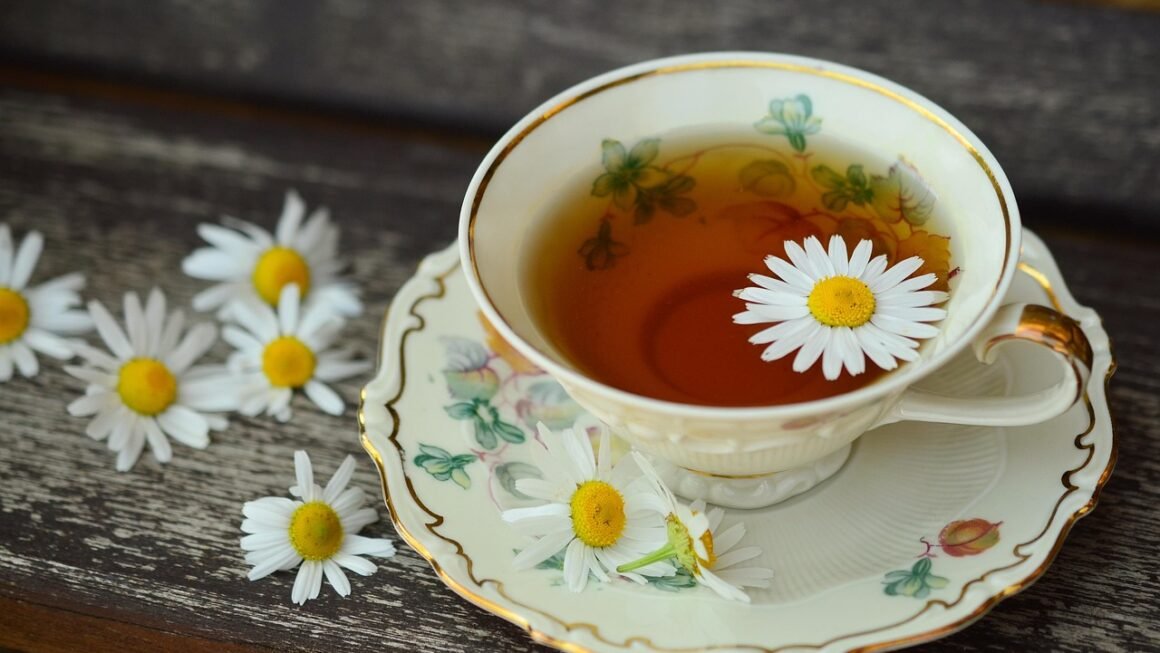
- Improving sleep quality: Herbs like valerian root and chamomile have calming properties and can aid in falling asleep and improving sleep duration. A cup of chamomile tea before bed is a common and gentle remedy.
- Enhancing cognitive function: Ginkgo biloba is known for its potential to improve memory and cognitive performance, particularly in older adults.
- Supporting digestive health: Peppermint and ginger can help relieve digestive discomfort, such as bloating, gas, and nausea.
Specific Health Conditions
Certain herbal supplements have shown promise in managing specific health conditions. However, it’s crucial to consult with a healthcare professional before using herbal supplements for any medical condition. Examples include:
- Turmeric for inflammation: Curcumin, the active compound in turmeric, possesses potent anti-inflammatory properties. Studies suggest it may help reduce pain and inflammation associated with arthritis.
- Saw palmetto for prostate health: Saw palmetto is often used to alleviate symptoms of benign prostatic hyperplasia (BPH), such as frequent urination.
- St. John’s Wort for mild depression: St. John’s Wort has been shown to be effective in treating mild to moderate depression, but it can interact with certain medications.
- Cranberry for urinary tract infections (UTIs): Cranberry products are often used to prevent UTIs by preventing bacteria from adhering to the urinary tract walls.
Practical Examples and Applications
Integrating herbal supplements into your daily routine can be simple. For example:
- Start your day with a green smoothie containing spirulina for an energy boost.
- Add ginger and turmeric to your meals for their anti-inflammatory benefits.
- Sip on a calming herbal tea, such as lavender or lemon balm, in the evening to unwind.
- Consider using herbal tinctures or extracts for targeted support, following recommended dosages.
Potential Risks and Side Effects
Understanding Interactions
Herbal supplements can interact with medications, other supplements, and certain health conditions. It is essential to inform your healthcare provider about all the supplements you are taking to avoid potentially harmful interactions. Some common interactions include:
- St. John’s Wort can interact with antidepressants, birth control pills, and blood thinners.
- Ginkgo biloba can increase the risk of bleeding, especially when taken with blood-thinning medications like warfarin.
- Grapefruit juice can affect the metabolism of certain medications, potentially increasing their concentration in the bloodstream.
Common Side Effects
While generally considered safe when used appropriately, herbal supplements can cause side effects in some individuals. Common side effects may include:
- Digestive issues: Nausea, diarrhea, or stomach upset
- Allergic reactions: Skin rashes, itching, or hives
- Headaches
- Dizziness
- Changes in blood pressure or heart rate
If you experience any adverse effects, discontinue use and consult with a healthcare professional.
Dosage and Safety Guidelines
Following recommended dosages is crucial for safe and effective use. Start with the lowest effective dose and gradually increase as needed, while paying attention to your body’s response. Consult with a qualified herbalist or healthcare provider for personalized dosage recommendations. Be particularly cautious when using herbal supplements during pregnancy or breastfeeding, as some herbs may be harmful to the fetus or infant.
Choosing High-Quality Herbal Supplements
Identifying Reputable Brands
The quality of herbal supplements can vary significantly. Look for reputable brands that adhere to Good Manufacturing Practices (GMP) and undergo third-party testing for purity and potency. Research the company’s reputation, read customer reviews, and check for certifications from organizations like NSF International or USP.
Reading Labels and Understanding Ingredients
Carefully read labels to understand the ingredients, dosage, and potential allergens. Be wary of products with vague ingredient lists or proprietary blends that do not disclose the specific amounts of each herb. Look for standardized extracts, which ensure a consistent level of active compounds.
Sourcing and Sustainability
Consider the sourcing and sustainability practices of the brands you choose. Opt for companies that prioritize ethically sourced herbs and sustainable harvesting methods to minimize environmental impact. Some companies may also support fair trade practices and community development.
Integrating Herbal Supplements into Your Health Routine
Consulting with Healthcare Professionals
Before starting any new supplement regimen, consult with a healthcare professional, especially if you have underlying health conditions, are taking medications, or are pregnant or breastfeeding. They can help you determine if herbal supplements are appropriate for you and advise on potential interactions and dosages.
Combining with Lifestyle Factors
Herbal supplements should be used as part of a holistic approach to health and well-being. Combine them with a healthy diet, regular exercise, stress management techniques, and adequate sleep for optimal results. For example, taking an adaptogen like ashwagandha for stress relief can be more effective when combined with mindfulness practices and a balanced diet.
Monitoring and Adjusting
Pay attention to how your body responds to herbal supplements and adjust your regimen accordingly. Keep a journal to track your symptoms, dosages, and any changes you experience. If you notice any adverse effects, discontinue use and consult with a healthcare professional.
Conclusion
Herbal supplements can be a valuable tool for supporting overall health and well-being when used responsibly and in conjunction with a healthy lifestyle. Understanding the benefits, risks, and responsible use of herbal supplements is essential for making informed decisions. By choosing high-quality products, consulting with healthcare professionals, and integrating them into a holistic health routine, you can harness the power of nature to enhance your health and vitality. Remember to always prioritize your safety and well-being, and seek guidance from qualified healthcare providers when needed.