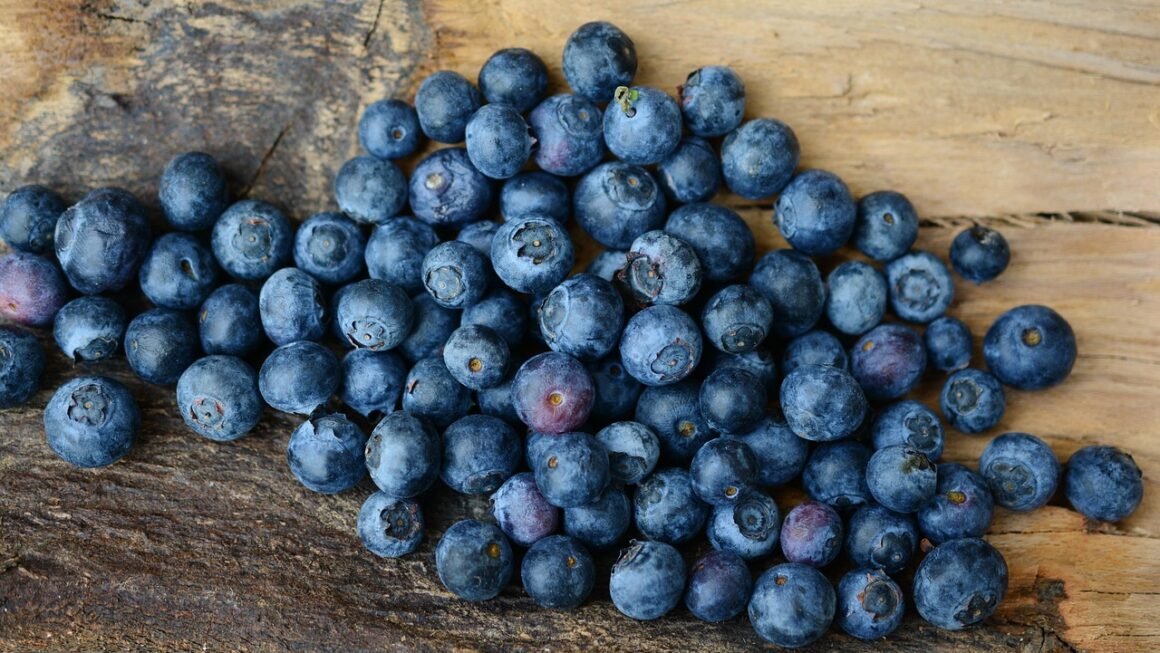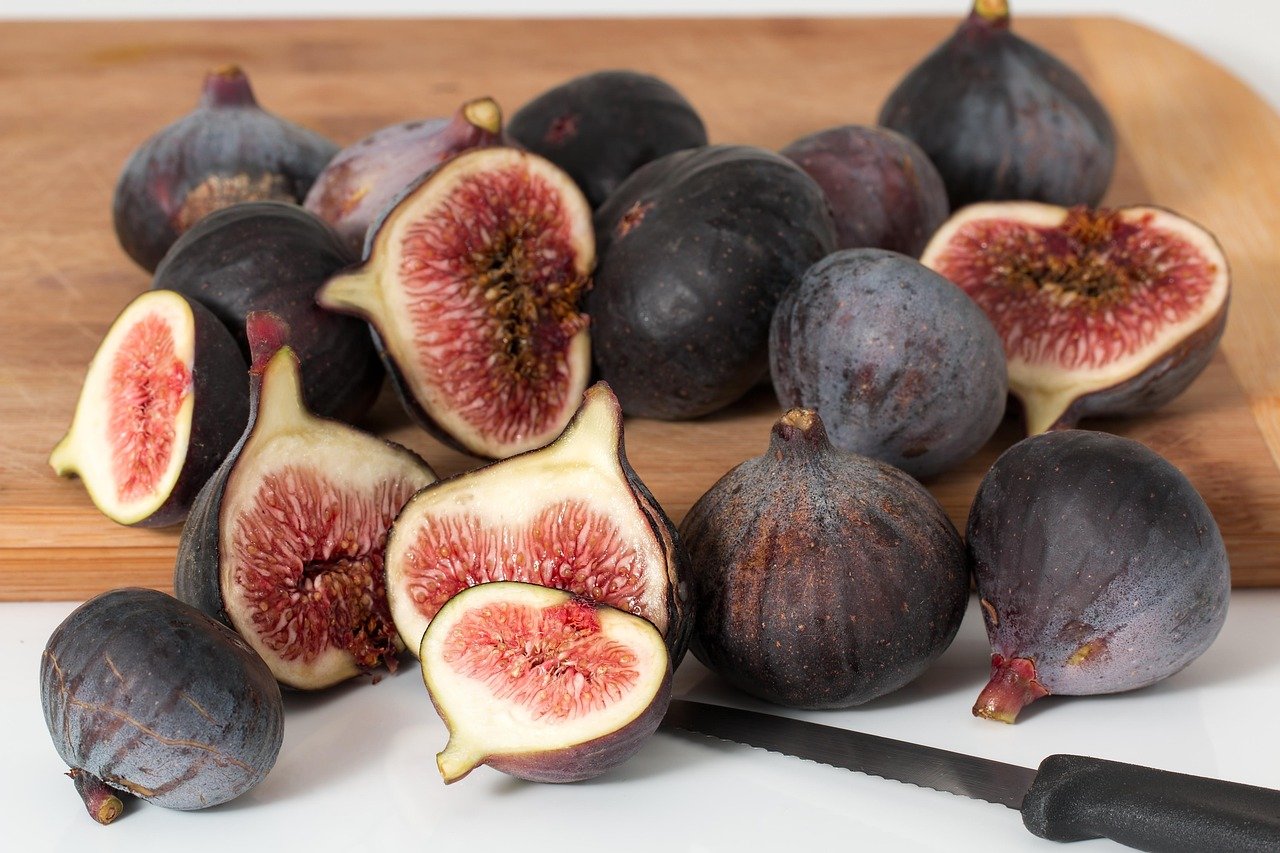
A healthy heart is the engine that powers our lives, and fueling it with the right “fuel” – a heart-healthy diet – is crucial for a long and vibrant life. Adopting a heart-healthy eating pattern isn’t about deprivation; it’s about making smart choices that nourish your body and protect your cardiovascular system. This guide will explore the key components of a diet designed to keep your heart strong and resilient, offering practical tips and actionable advice you can implement today.
Understanding the Importance of a Heart-Healthy Diet
The Link Between Diet and Heart Health
The food we consume has a direct and profound impact on our heart health. Unhealthy dietary choices can lead to elevated cholesterol levels, high blood pressure, inflammation, and obesity, all of which are major risk factors for heart disease. Conversely, a heart-healthy diet can help to lower these risk factors, improving overall cardiovascular function and reducing the risk of heart attacks, strokes, and other heart-related conditions.
Statistics on Heart Disease
Heart disease remains a leading cause of death globally. According to the Centers for Disease Control and Prevention (CDC), about 695,000 people in the United States died from heart disease in 2021—that’s 1 in every 5 deaths. These statistics highlight the urgent need for preventative measures, with diet playing a pivotal role.
Actionable Takeaway:
Begin tracking your current food intake. Note what you eat, how much you eat, and how you feel after eating. This awareness is the first step towards making healthier choices.
Core Components of a Heart-Healthy Diet
Emphasize Fruits and Vegetables
Fruits and vegetables are nutritional powerhouses packed with vitamins, minerals, antioxidants, and fiber. These nutrients work together to protect your heart by lowering blood pressure, reducing inflammation, and preventing the buildup of plaque in your arteries.
- Benefits:
Rich in antioxidants that fight free radical damage.
High in fiber, which helps lower cholesterol.
Low in calories and fat, aiding in weight management.
- Practical Examples:
Aim for at least five servings of fruits and vegetables daily.
Include a variety of colors in your diet (e.g., berries, leafy greens, bell peppers).
Choose fresh, frozen, or canned options (look for low-sodium or no-sugar-added versions).
Choose Whole Grains Over Refined Grains
Whole grains, such as brown rice, quinoa, oats, and whole-wheat bread, are superior to refined grains (white bread, white rice, pastries) because they contain the entire grain kernel, including the bran, germ, and endosperm. This provides more fiber, vitamins, and minerals.
- Benefits:
Higher fiber content helps lower cholesterol and regulate blood sugar.
Provide sustained energy release, preventing blood sugar spikes and crashes.
Contain essential nutrients like magnesium and B vitamins.
- Practical Examples:
Replace white bread with whole-wheat bread.
Choose brown rice or quinoa over white rice.
Start your day with oatmeal or whole-grain cereal.
Lean Protein Sources
Protein is essential for building and repairing tissues, but not all protein sources are created equal. Opt for lean protein sources that are low in saturated fat and cholesterol.
- Benefits:
Help maintain a healthy weight.
Support muscle mass and strength.
Provide essential amino acids for bodily functions.
- Practical Examples:
Choose skinless poultry (chicken, turkey).
Eat fish, especially fatty fish like salmon and tuna, which are rich in omega-3 fatty acids.
Include legumes (beans, lentils) and tofu as plant-based protein sources.
Limit red meat and processed meats, which are high in saturated fat and sodium.
Healthy Fats: Embrace Unsaturated Fats
Fats are a necessary part of a healthy diet, but it’s crucial to choose the right types. Unsaturated fats, found in foods like avocados, nuts, seeds, and olive oil, are beneficial for heart health, while saturated and trans fats should be limited.
- Benefits:
Help lower bad cholesterol (LDL) and raise good cholesterol (HDL).
Support brain function and cell growth.
Reduce inflammation.
- Practical Examples:
Use olive oil for cooking and salad dressings.
Snack on a handful of nuts or seeds.
Include avocados in your meals.
Avoid fried foods, processed snacks, and baked goods made with trans fats.
Actionable Takeaway:
Make a conscious effort to incorporate one new heart-healthy food into your diet each week. This could be a different fruit, vegetable, grain, or protein source.
Minimizing Harmful Components
Limiting Saturated and Trans Fats
Saturated and trans fats can raise bad cholesterol levels and increase the risk of heart disease. These fats are commonly found in animal products, processed foods, and fried foods.
- Practical Tips:
Choose lean cuts of meat and trim off excess fat.
Avoid processed meats like bacon, sausage, and hot dogs.
Limit your intake of full-fat dairy products.
Read food labels carefully and avoid products that contain partially hydrogenated oils (a source of trans fats).
Reducing Sodium Intake
Excessive sodium intake can lead to high blood pressure, a major risk factor for heart disease. Many processed foods, restaurant meals, and packaged snacks are high in sodium.
- Practical Tips:
Limit your intake of processed foods.
Cook at home more often and use fresh ingredients.
Read food labels carefully and choose low-sodium options.
Use herbs and spices instead of salt to flavor your food.
Avoid adding salt to your meals at the table.
Limiting Added Sugars
Excessive added sugar intake can lead to weight gain, high blood pressure, and increased risk of type 2 diabetes, all of which can harm your heart.
- Practical Tips:
Limit your intake of sugary drinks like soda, juice, and sweetened teas.
Choose whole fruits over fruit juice.
Read food labels carefully and avoid products with high amounts of added sugar.
Use natural sweeteners like stevia or monk fruit in moderation.
Actionable Takeaway:
Commit to reading nutrition labels before purchasing food. Pay close attention to the amounts of saturated fat, trans fat, sodium, and added sugars.
Meal Planning and Preparation
Planning Your Meals
Planning your meals in advance can help you make healthier choices and avoid impulsive decisions that may derail your heart-healthy diet.
- Tips:
Create a weekly meal plan that includes a variety of heart-healthy foods.
Make a grocery list based on your meal plan.
Prepare meals in advance when possible to save time during the week.
Pack healthy snacks to avoid unhealthy cravings.
Cooking at Home
Cooking at home allows you to control the ingredients and portion sizes, making it easier to maintain a heart-healthy diet. Restaurants often use unhealthy fats, sodium, and sugar in their dishes.
- Tips:
Experiment with new recipes that feature heart-healthy ingredients.
Use healthy cooking methods like baking, grilling, steaming, or stir-frying.
Control portion sizes to avoid overeating.
Smart Snacking
Snacking can be part of a heart-healthy diet, but it’s important to choose healthy options that won’t sabotage your efforts.
- Healthy Snack Ideas:
Fruits (apples, bananas, berries)
Vegetables with hummus
Nuts and seeds (almonds, walnuts, pumpkin seeds)
Greek yogurt
* Whole-grain crackers with avocado
Actionable Takeaway:
Dedicate one hour each week to meal planning and preparation. This will significantly increase your chances of sticking to a heart-healthy diet.
Other Lifestyle Factors
Regular Physical Activity
While diet is crucial, it’s important to remember that physical activity plays a vital role in heart health. Aim for at least 150 minutes of moderate-intensity aerobic exercise or 75 minutes of vigorous-intensity aerobic exercise per week.
Stress Management
Chronic stress can contribute to high blood pressure and other heart-related problems. Find healthy ways to manage stress, such as exercise, meditation, or spending time with loved ones.
Adequate Sleep
Getting enough sleep (7-9 hours per night) is essential for overall health, including heart health. Sleep deprivation can lead to high blood pressure, inflammation, and other risk factors for heart disease.
Regular Check-ups
See your doctor regularly for check-ups, including blood pressure and cholesterol screenings. Early detection and treatment of heart disease risk factors can significantly improve your long-term health.
Actionable Takeaway:
Schedule at least 30 minutes of physical activity into your daily routine. This could be a brisk walk, a bike ride, or a workout at the gym.
Conclusion
Adopting a heart-healthy diet is a powerful step towards protecting your cardiovascular health and improving your overall well-being. By emphasizing fruits, vegetables, whole grains, lean protein, and healthy fats, while minimizing saturated and trans fats, sodium, and added sugars, you can significantly reduce your risk of heart disease. Remember that small, sustainable changes are more effective than drastic overhauls. Combined with regular physical activity, stress management, adequate sleep, and regular check-ups, a heart-healthy diet will help you keep your heart strong and vibrant for years to come. Start today, and your heart will thank you for it!